Address
304 North Cardinal St.
Dorchester Center, MA 02124
Work Hours
Monday to Friday: 7AM - 7PM
Weekend: 10AM - 5PM
Address
304 North Cardinal St.
Dorchester Center, MA 02124
Work Hours
Monday to Friday: 7AM - 7PM
Weekend: 10AM - 5PM


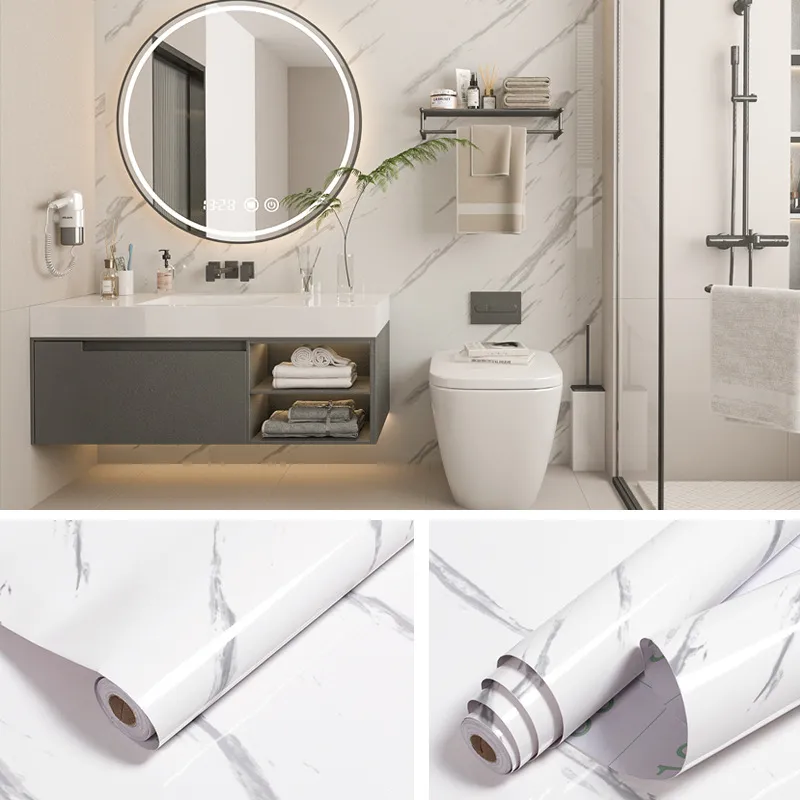
Translucent special PVC film is a practical material that balances light transmission with privacy, decoration, and protection. It is widely used in furniture surfacing, interior partitions, windows, light boxes, electronics protection, and clean environments—where you want “soft light” instead of full transparency. This guide explains real-world uses, key performance features, and a clear method to choose the right type for your project, whether you are sourcing for OEM production, renovation, or large-scale commercial installation.
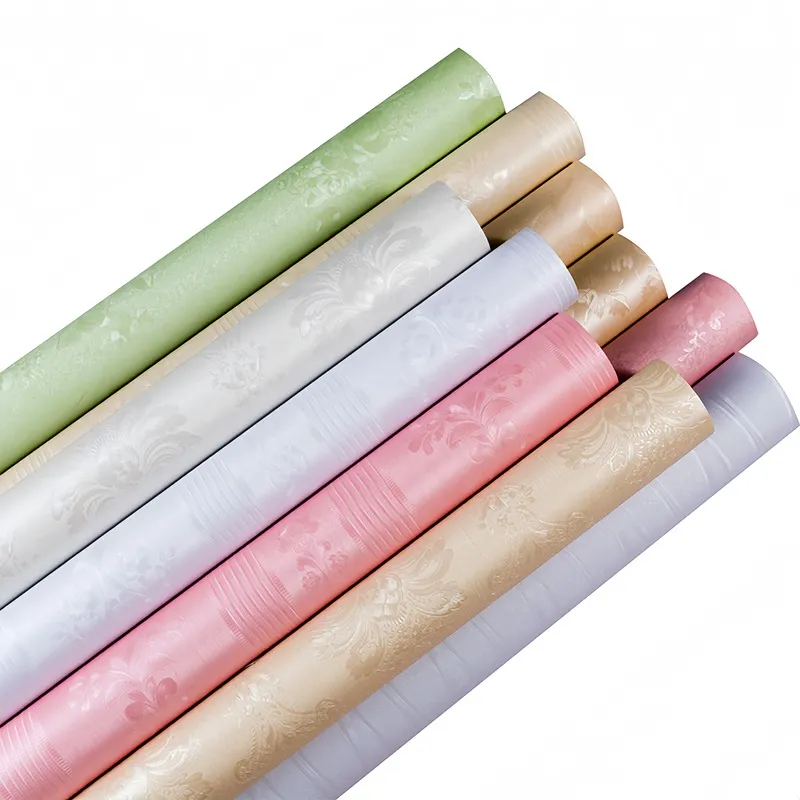
PVC film is a thin sheet made from polyvinyl chloride. A translucent PVC film sits between clear and opaque: it lets light pass through while diffusing it, reducing harsh glare and masking details behind the surface. The word “special” usually means the film includes functional enhancements—such as anti-static performance, anti-fog properties, scratch resistance, embossing, pearlescent effects, or a self-adhesive layer.
If a space needs comfortable brightness and visual privacy at the same time—translucent PVC film often performs better than clear film or heavy opaque coverings.
Translucent special PVC film is selected not just for appearance, but for stable performance across production and installation. Below are the most common applications and what buyers typically value in each.
In furniture production, translucent films can be used for accents, door inserts, decorative trims, or as a protective surface layer over boards. Many manufacturers pair translucent film with pattern families such as wood, marble, or textile textures to create depth. If your project needs complementary decorative materials, you can also review options like Wood Grain Film or Marble Film.
Translucent PVC film can act as a diffuser layer for signage and illuminated panels. Buyers typically require consistent haze, color stability, and good roll-to-roll uniformity. For projects that begin with stable base material selection, calendered production routes are common; see Calendered Film for an example category often used as a foundation for functional and decorative finishes.
In hospitals, labs, and clean packaging areas, the film may be chosen for low odor, safer ink systems, surface cleanability, and compliance requirements. In these scenarios, special coatings (anti-fog, anti-bacterial concept designs, or smoother easy-wipe finishes) can be more important than decorative effects.
When comparing suppliers or specifications, focus on measurable properties—not only sample appearance. Below are the features that most directly impact performance, production yield, and end-user satisfaction.
Thickness impacts rigidity, flatness, and how the film performs in wrapping, laminating, or thermoforming. Thicker films tend to offer better durability and handling, while thinner films can be easier to conform to curves and reduce overall cost. The best choice depends on substrate type, application method, and end-use wear.
Surface finish changes not only appearance, but also fingerprints, scratch visibility, and cleaning effort. Matte and fine-texture surfaces can hide small scratches; glossy surfaces often look premium but show marks more easily. For high-end tactile effects, textured families (for example silk-like) can add value—see 3D Silk Texture Film as a reference style when your design aims for deeper texture and visual richness.
Some translucent films are supplied as self-adhesive for easier installation on glass, acrylic, metal, or coated panels. Non-adhesive films are commonly used for lamination, hot press, membrane press, or as intermediate layers inside multilayer composites. Your method determines the correct adhesive system (if any), release liner needs, and installation tolerance.
For indoor spaces and human-contact applications, buyers often require materials free of heavy metals and restricted plasticizers, and alignment with common management and chemical safety frameworks (for example ISO systems, REACH/RoHS, or food-contact related expectations where applicable). Request test reports that match your market and application scenario.
The fastest way to choose correctly is to start from usage conditions, then lock specifications that control risk (optics, thickness, surface, and adhesion), and finally confirm manufacturing consistency through sampling.
Common substrates include MDF/particle board with primer, PVC foam board, acrylic, glass, coated metal, and composite panels. Adhesion and visual outcome vary by surface energy, roughness, and cleaning process. If the film is used on porous boards, lamination method and adhesive compatibility become especially important to prevent edge lifting or trapped air.
Bathrooms, kitchens, and coastal areas stress materials differently than dry, temperature-stable interiors. In humid zones, prioritize anti-fog or easy-clean surfaces and validate dimensional stability. In commercial spaces with frequent disinfection, confirm the film’s resistance to commonly used cleaning agents to avoid haze change, brittleness, or surface dulling over time.
Two translucent films can look similar in a small sample but behave differently on a large installation. For example, one may give a “milky” diffuser effect ideal for LED panels, while another gives stronger frosted privacy better for partitions. Request large-format samples when the viewing distance and lighting angles matter.
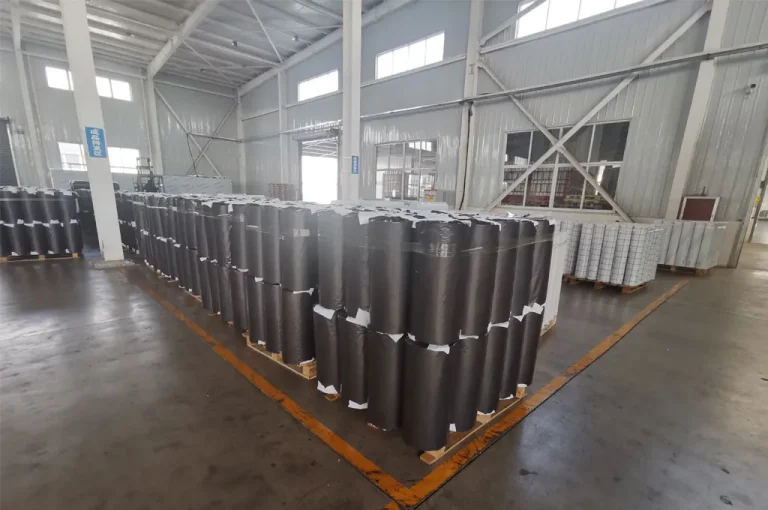
Damage during shipping often shows up as edge dents, telescoping, or surface scuffs—especially for glossy or high-clarity translucent products. Professional suppliers usually offer protective PE film or kraft wrapping per roll, plus labeled specifications for traceability. If you need reliable importing and storage performance, specify moisture protection and core size in your order.
If you are buying translucent special PVC film for OEM or distribution, quality consistency matters as much as “how it looks today.” A capable manufacturer can control calendering, printing, and slitting/packing in-house, helping reduce lead time and maintain stable batch output.
Use this checklist to align expectations and avoid “spec gaps”:
A small hand sample under office lighting can be misleading. Always evaluate under the same lighting type (LED, daylight, warm light) and at the real installation distance. If it’s for backlit signage, test with the intended LED intensity and diffuser spacing.
Even the best film performs poorly on dusty, oily, or uneven substrates. For self-adhesive applications, confirm whether wet installation is allowed and whether repositionable adhesive is required. For lamination, confirm press temperature, dwell time, and compatibility with primers.
Glossy or high-diffusion translucent surfaces can be sensitive to abrasion. Define inner wrap, outer carton, pallet method, and label details. Doing this early prevents disputes and protects your yield.
Many projects combine translucent zones with opaque decorative areas for a complete interior system. For example, skirting lines and wall zones may use different films to achieve coordinated aesthetics. If your design includes trims or baseboards, PVC Skirting Film can be part of a unified finish strategy alongside translucent inserts.
Not always. Frosted film is usually a translucent style with stronger privacy (higher haze). Translucent special PVC film can range from mild diffusion (for light panels) to heavy diffusion (privacy partitions).
Provide application, thickness, width, roll length, target translucency/haze, surface finish (matte/glossy/embossed), adhesive requirement (yes/no), and quantity. If you need OEM packaging or labels, include those details too.
Request pilot rolls, confirm a golden sample, and ask for batch traceability plus QC data such as thickness tolerance and optical uniformity across width.
Yes. Common customization includes thickness, width, roll size, color tone, printing, texture/embossing, and functional coatings like anti-static or anti-fog.
It can be, depending on the formulation and compliance targets. For indoor and contact-related use, request documentation for restricted substances and relevant standards aligned with your market requirements.