Address
304 North Cardinal St.
Dorchester Center, MA 02124
Work Hours
Monday to Friday: 7AM - 7PM
Weekend: 10AM - 5PM
Address
304 North Cardinal St.
Dorchester Center, MA 02124
Work Hours
Monday to Friday: 7AM - 7PM
Weekend: 10AM - 5PM


Getting Solid Emboss PVC Film quotes sounds simple—until you compare suppliers and realize that price depends on far more than “per meter.” Emboss depth, thickness tolerance, surface finish, backing options, packaging, compliance documents, and even the slitting method can move the final number. This guide helps you compare prices, choose the right thickness options, and negotiate bulk order deals with fewer surprises, whether you buy for furniture panels, wall coverings, doors, skirting, or flooring-related applications.
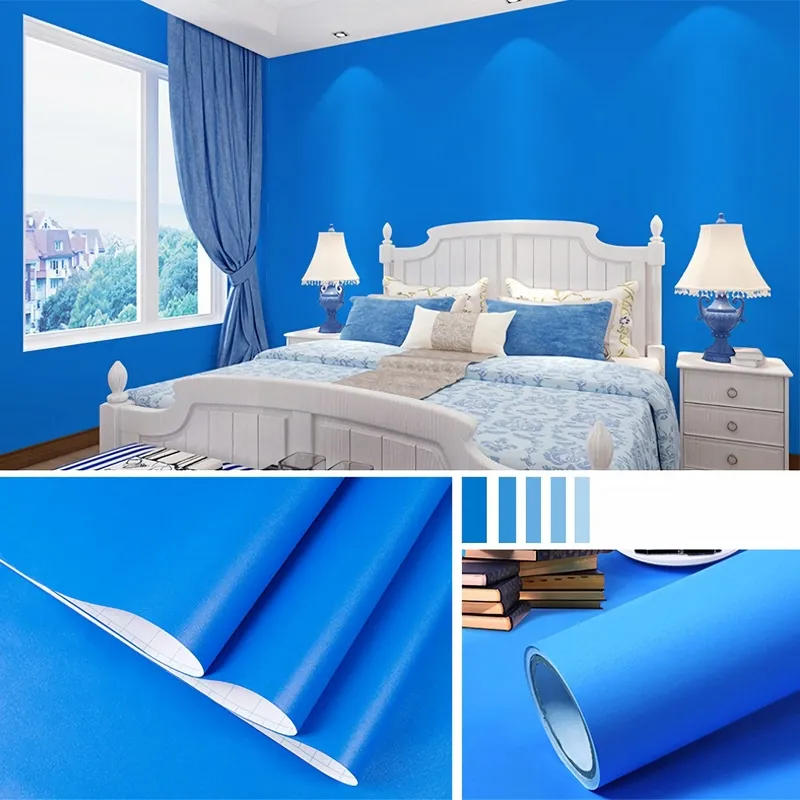
“Solid emboss” typically refers to a uniform color base (not woodgrain/marble print) combined with a physical embossed texture on the surface. This texture can be subtle (fine linen) or pronounced (deep geometric), and it affects tactile feel, scratch hiding, and how light reflects.
Important: “Solid” does not automatically mean “self-adhesive,” “UV resistant,” or “anti-scratch.” Those are separate specifications that must be confirmed in the quotation.
When you request quotes from multiple factories, you’ll often see a wide spread—even for similar-looking rolls. Below are the most common reasons.
Thickness is usually quoted in microns (μm) or mm. Embossed films can “read” thicker because emboss adds surface height, but what matters for performance is the base film thickness + emboss structure and the supplier’s thickness tolerance control.
Buyer tip: Ask suppliers to specify tolerance (e.g., ±0.02 mm) and provide a recent QC report. A low price with poor tolerance can raise scrap rate in lamination or wrapping.
Emboss patterns are created by rollers. Deep emboss, complex textures, or specialized patterns can increase cost due to slower line speed, higher rejection risk, or tooling/roller allocation. If you need a distinctive tactile identity (e.g., premium cabinetry), tell the supplier up front so they quote correctly.
For “solid color,” gloss level becomes especially visible. A controlled matte (anti-glare) finish can reduce fingerprint visibility, while higher gloss highlights color purity. Soft-touch coatings may add cost but improve premium feel for interior furniture.
Some projects require multi-layer composite structures (better dimensional stability, better surface hardness, better lamination performance). Optional treatments—anti-static, anti-fog, food-grade coatings—also influence the quote.
Export-ready packaging (dust-proof PE wrap, kraft paper, corner protection, moisture control) affects landed cost—but protects quality. Precise slitting and consistent roll edges reduce machine downtime for downstream processing.
If you only ask “How much per roll?” you’ll get incomparable answers. Use a clear specification list so every supplier quotes the same target.
The “best” thickness depends on the substrate, processing method, and durability needs. Below is a practical way to shortlist thickness ranges and avoid overpaying.
For cabinet doors, tabletops, and furniture panels, buyers often prioritize surface hardness, color consistency, and process stability. Slightly higher thickness can improve handling and reduce stretch marks during lamination/wrapping, especially with deep emboss.
Suggestion: If your line has tight radiuses or high-speed wrapping, request a small trial roll first and validate edge lifting, whitening, and gloss change under bending.
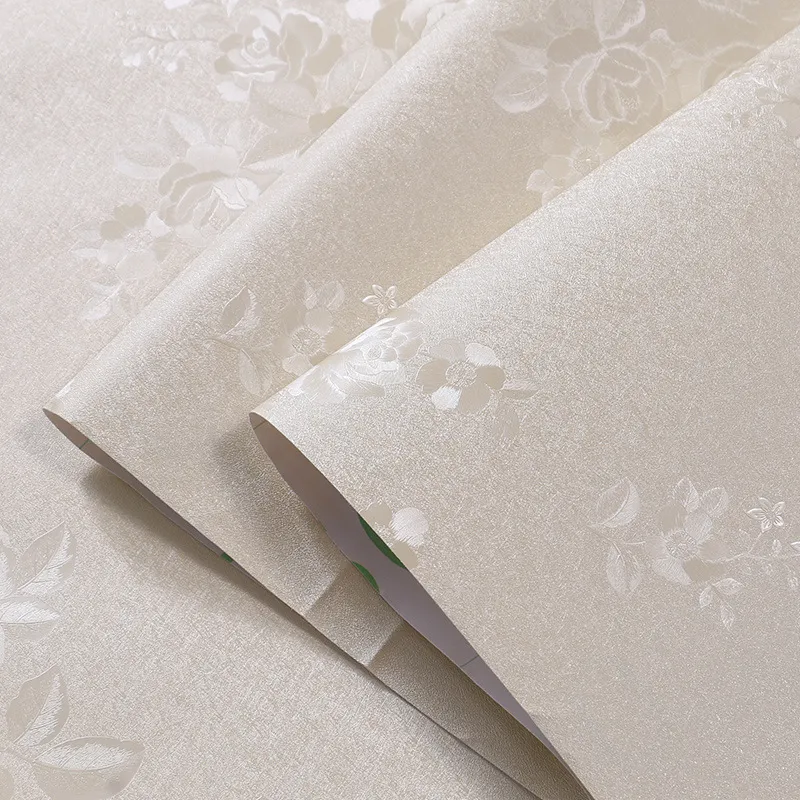
For decorative wall solutions, embossed solid colors can hide minor wall imperfections and reduce glare. Matte emboss is popular in modern minimal interiors where buyers want “quiet” surfaces that look clean under indoor lighting.
If you’re also considering coordinated wall materials, you can compare options like solid color wallpaper.
Skirting and trim wraps require good adhesion compatibility and stable roll winding for continuous lines. If you need a matched system, review dedicated solutions such as PVC skirting film and align emboss and color across batches.
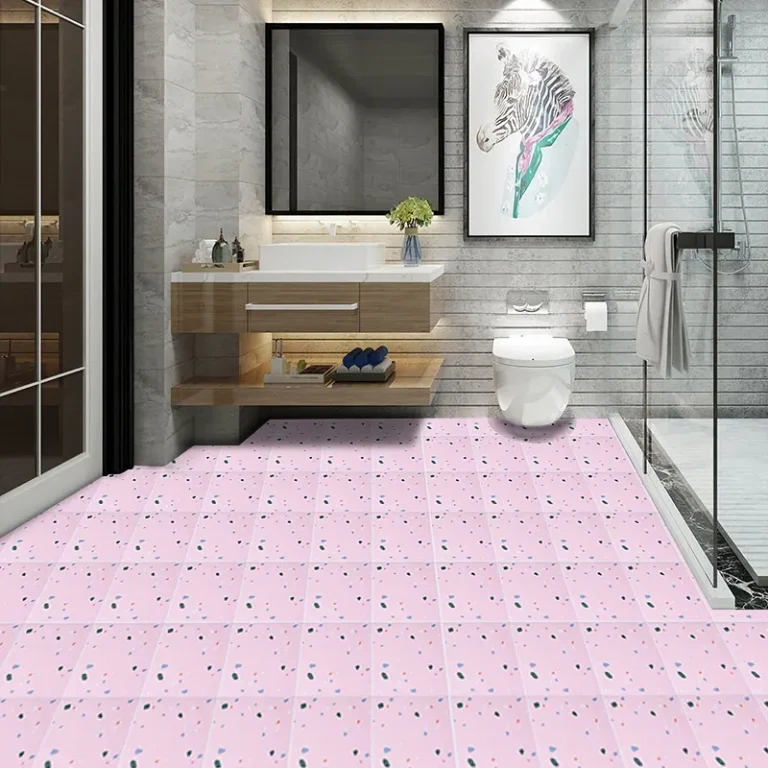
“Floor film” requirements vary a lot—some are decorative layers, some are protective, some are functional. If your request touches flooring, specify abrasion expectations and end-use clearly. You can reference product categories like floor film to help communicate typical specs to your supplier.
Bulk pricing is not only about “more meters = lower price.” Manufacturers typically optimize around raw material batching, roller changeover time, printing/emboss scheduling, and packaging efficiency. If you understand what creates cost, you can negotiate more effectively.
Ask suppliers to quote at least three tiers so you can see the true curve:
Instead of pushing only for the lowest unit price, consider deal structures that reduce total cost and risk:
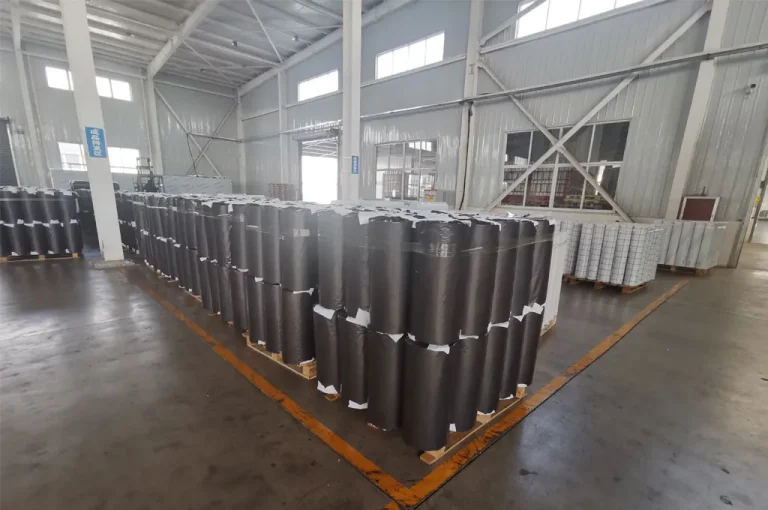
Quote comparisons should include the supplier’s ability to repeat quality batch after batch. A factory with integrated calendering, printing, and slitting/packaging can control variables, shorten lead time, and reduce cost leakage caused by outsourcing steps.
Pulivk Film focuses on PVC film R&D and manufacturing, covering calendered film, decorative film, flooring-related films, soft-touch, transparent film, and more. With complete calendering, printing, and slitting/packaging lines, the factory can handle each step from raw materials to finished rolls—supporting better cost control and faster delivery.
If you want to clarify whether your solid embossed request is best built on a calendered base, see the category:
Calendered Film.
For international purchasing teams, documents are part of the “real price.” If you need indoor-safe, human-contact-suitable materials, confirm compliance requirements early to avoid delays.
Note: If you plan to sell into markets with strict chemical requirements, ask for confirmation that the film is free of heavy metals and phthalates and that third-party verification can be provided when needed.
A quote is only useful if the supplier can deliver within your project window. Lead time depends on order size, customization depth (color match, emboss selection), and production schedule.
OEM/ODM is ideal when you need a unique solid color, proprietary emboss, special packaging, or consistent cross-product matching. Provide your target market positioning (economy / mid / premium) so the supplier proposes a structure that hits your cost-performance target.
Fast quote shortcut: Share thickness, width, roll length, color code, emboss preference, end-use process, and expected monthly volume. The more complete the input, the fewer revisions—and the closer the quote is to your final invoice.
Use the framework below to rank quotes beyond “lowest number.” This helps you choose a supplier that reduces long-term cost and supply risk.
Many buyers purchase solid emboss films alongside other decorative textures to complete collections—mixing minimal solid colors with feature textures for premium lines. If you are building a catalog, consider adding one signature tactile option like
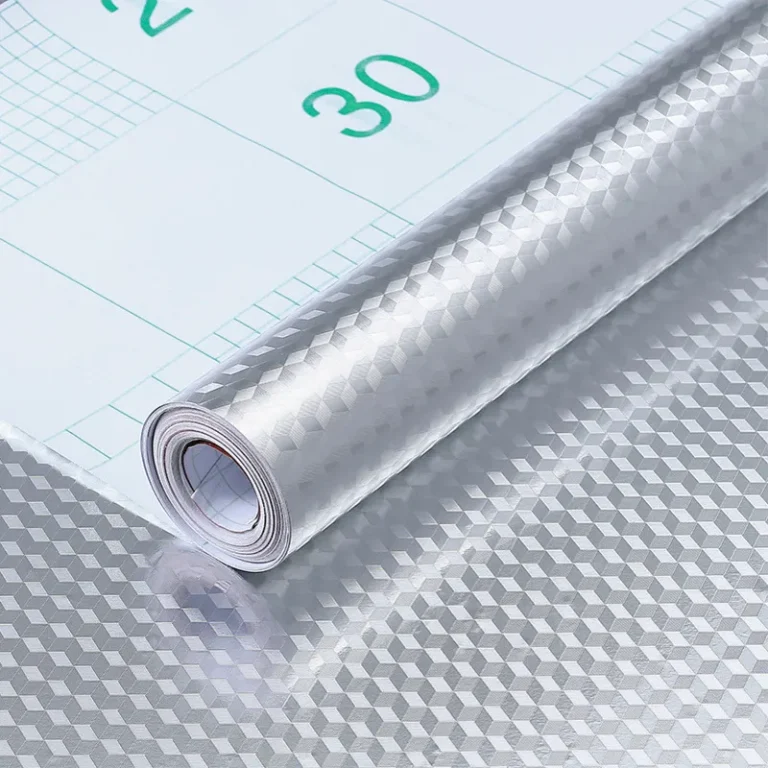
3D silk texture film
for contrast while keeping solid emboss as the “core volume” item.
Provide thickness (with tolerance), width, roll length, color code/sample, emboss pattern, finish (matte/gloss), application method, compliance requirements, and order quantity tiers.
Differences usually come from thickness tolerance, emboss depth, surface coating, structure (single vs multi-layer), packaging standards, and the factory’s process control.
Match thickness to your process (lamination/wrapping), durability expectations, and emboss depth. Validate with a trial roll and measure scrap rate and defect types.
Yes. OEM/ODM suppliers can customize size, color, printing, emboss, and packaging. Confirm MOQ, color-matching method, and batch-to-batch control before scaling.
Common requests include REACH/RoHS, ISO 9001/14001, and relevant test reports (thickness, strength, adhesion compatibility). If needed, ask for third-party certification support.