Address
304 North Cardinal St.
Dorchester Center, MA 02124
Work Hours
Monday to Friday: 7AM - 7PM
Weekend: 10AM - 5PM
Address
304 North Cardinal St.
Dorchester Center, MA 02124
Work Hours
Monday to Friday: 7AM - 7PM
Weekend: 10AM - 5PM


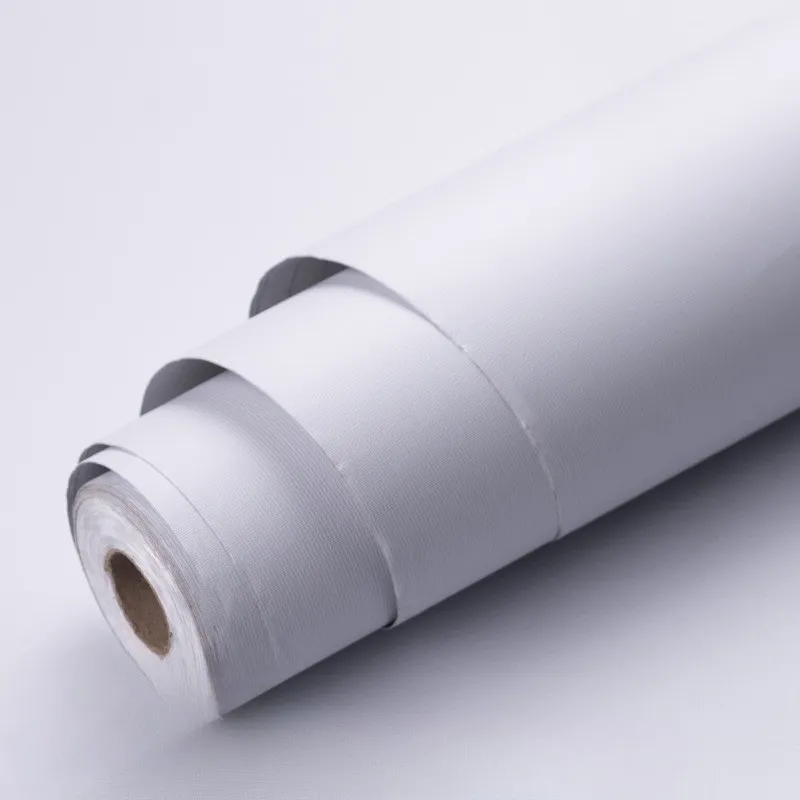
Solid emboss PVC film has become a go-to surface solution for brands that need durability, consistent aesthetics, and fast, scalable production. From cabinet doors and wall panels to skirting, flooring, and appliance skins, solid emboss finishes add tactile depth while helping hide fingerprints, micro-scratches, and daily wear. This guide explains how to evaluate top solid emboss PVC film manufacturers, compare quality options, select the right film for your use case, and source with confidence—especially when you need OEM/ODM customization, stable lead times, and export-ready packaging.
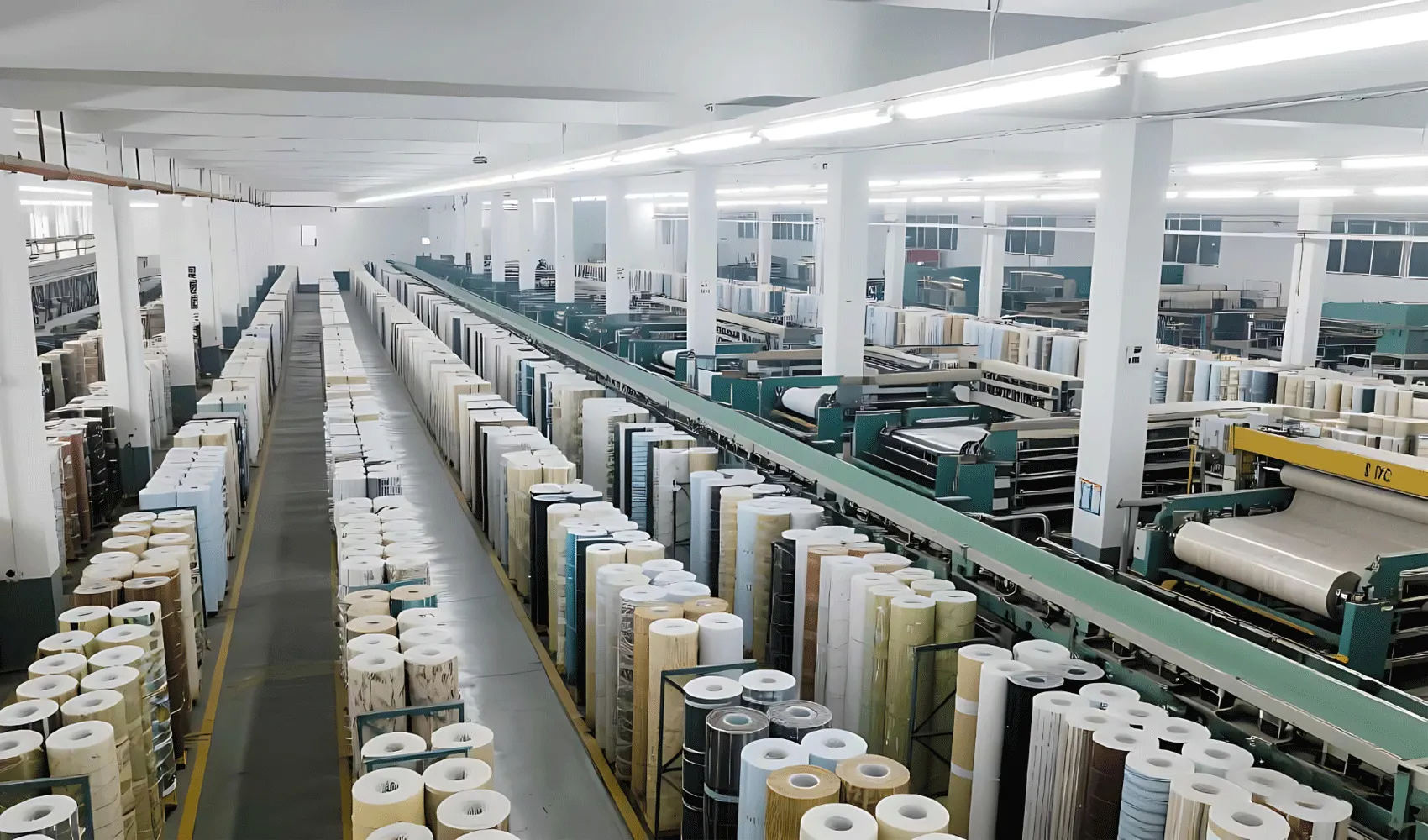
Solid emboss PVC film is a PVC decorative film with a single-color base (solid shade rather than a printed wood/marble image) and an embossed surface texture. The emboss pattern is formed during manufacturing to create a tactile finish—examples include leather-grain, fine linen, micro-sand, matte stipple, and deeper 3D textures.
Key advantage: Solid colors keep your product line visually consistent across different batches and production sites, while embossing improves touch feel, scratch masking, and premium appearance.
Typical supply forms: rolls for lamination or wrapping; slit widths tailored to your lines; protective wrapping (PE film or kraft paper) and labeled specs for traceability.
Solid emboss PVC film is widely adopted in industries where both appearance and maintenance matter. The solid palette fits minimalist and modern design trends, while the embossed topography adds depth without needing complex printing.
If your project also includes matching components like skirting or floor layers, consider coordinating adjacent finishes for a unified interior look—this is where stable manufacturing and repeatable color control become crucial.
The best manufacturers don’t just sell “PVC film.” They deliver repeatable performance under your real production conditions: lamination temperature windows, adhesive compatibility, forming behavior, and long-term appearance retention.
Many premium solid emboss products are made using calendering, which helps maintain uniform thickness and stable surface quality for high-volume conversion. When evaluating suppliers, ask about end-to-end capabilities: compounding, calendering, printing (if needed), embossing, slitting, and packing.
For reference product types, see Calendered Film.
Solid emboss success depends on texture uniformity across the full roll width and between batches. Check for: repeating pattern stability, no “flattening” after winding, consistent gloss level (especially for matte textures), and clean transitions without haze or “orange peel” artifacts unless intended.
For solid colors, even slight deviations can be visible on large surfaces like wardrobe doors or wall panels. Top suppliers manage color using controlled pigments, strict incoming raw-material checks, and batch records. If you’re building a multi-SKU line (e.g., warm whites, greiges, charcoals), insist on lot traceability and documented tolerance targets.
If your market requires regulated material control, ask whether the film is made with eco-friendly, non-toxic inks where applicable, and whether the manufacturer can provide test reports. Common requests include ISO systems and chemical compliance such as REACH/RoHS and other region-specific requirements. For indoor decoration and human-contact scenarios, documentation discipline is a strong indicator of manufacturing maturity.
🔎 Buyer tip: Ask for one full roll (not only A4 samples) for trial runs. Many issues—curl memory, winding marks, gloss variation—appear only at production scale.
“Top” manufacturers are defined less by marketing and more by their ability to deliver stable quality, customization depth, and reliable export operations. A strong example of this full-stack model is Pulivk Film, which focuses on PVC film R&D and production across multiple product categories and supports industries including furniture, construction, electronics, advertising, medical, and household goods.
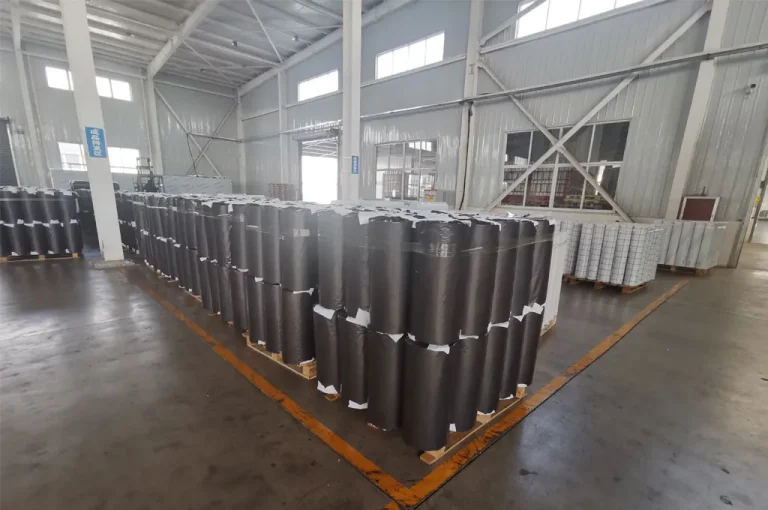
✓ Full process lines: calendering, printing, slitting, and packing under one roof to reduce variability and lead time.
✓ Wide film portfolio: transparent, matte/frosted, embossed, pearlescent, anti-static, self-adhesive, multilayer, and composite options to support cross-category projects.
✓ OEM/ODM readiness: thickness/width/roll length, color matching, surface treatments, and packaging customization.
✓ Quality control system: multi-step QC from raw material to finished roll, with batch traceability and consistent documentation.
✓ Export experience: protective packaging, stable shipping coordination, and practical support for overseas buyers.
The “best” film is the one that fits your substrate, production method, and user environment. Selecting only by color card often leads to downstream surprises—adhesion issues, unexpected gloss under lighting, or premature wear.
Many interior projects mix solid emboss with wood, marble, and textile textures. When your supplier has a broad product range, it’s easier to keep a consistent “design language” across the space. Examples you can reference:
Wood Grain Film,
Marble Film,
and a tactile option like 3D Silk Texture Film.
⭐ Practical spec note: Provide your supplier with substrate type (MDF, plywood, metal, PVC board), processing method (flat lamination, wrapping, thermoforming), and end-use conditions (humidity, cleaning chemicals, traffic). This speeds up sampling and reduces trial iterations.
Sourcing solid emboss PVC film is not only about unit price. It’s about total landed cost and production stability: fewer rejects, fewer stoppages, less rework, and predictable delivery.
Send a brief that includes target thickness range, width, roll length, core size, emboss pattern preference, gloss level, target color (Pantone or physical reference), and whether you need functional treatments (anti-static, anti-fog, special coatings). If you need self-adhesive or multilayer structures, specify the adhesive system and application method.
Manufacturers with full in-house lines—calendering, printing, slitting, packaging—can control variability and respond faster. Ask how they test thickness, tensile strength, adhesion compatibility, surface defects, and optical consistency. Also confirm whether they can provide batch traceability for long-term programs.
Strong OEM/ODM suppliers can customize size, color, printing, surface treatments, and packaging—then deliver the same result repeatedly. Ensure approvals are captured in a signed spec sheet: reference sample number, color tolerance, emboss code, gloss target, packing method, label content, and QC release criteria.
In global supply chains, the best suppliers run scientific production planning and inventory management to keep delivery on schedule. Ask for typical lead times by product type, how they handle urgent orders, and which shipping methods they support. Confirm roll wrapping (dustproof PE film or kraft paper), carton/pallet protection, and marking to prevent warehouse mix-ups.
Solid emboss is not always the right answer—sometimes you need high realism, high gloss, or pattern continuity. Use the selection logic below to reduce mis-specification.
Choose solid emboss when you want a modern solid palette, better scratch masking, and uniformity across large installations.
Choose printed wood/marble when you need natural pattern realism and design storytelling for premium interiors.
Choose functional films when the priority is anti-oil, anti-static, or other performance-driven requirements in kitchens, electronics, or industrial settings.
Many sourcing delays come from incomplete RFQs. To get comparable offers, align every supplier to the same scope.
If you’re building a broader decorative solution beyond solid emboss, you can also browse the supplier’s overall catalog to ensure long-term scalability and matching series continuity:
Product
and technical articles for selection guidance:
Knowledge.
① Buying by photo only: emboss depth and gloss can’t be judged accurately on screens; always validate physical samples.
② Ignoring production reality: a film that “looks good” may fail at your line speed or temperature; test on your actual equipment.
③ Skipping packaging requirements: rolls can be damaged in transit; specify dustproof wrapping, corner protection, and moisture control.
④ No batch control plan: for solid colors, establish approved reference standards and re-approval rules for new batches.
PVC film is a thin sheet material used for decorative, industrial, and packaging purposes. In decorative applications, it improves appearance and surface durability for furniture, doors, wall panels, profiles, and more.
Yes. Manufacturers commonly support customization by thickness, width, roll size, emboss pattern, color matching, surface finish (glossy/matte), functional treatments (e.g., anti-static), and packaging/labeling.
Test process compatibility (temperature window, line speed, curling), surface performance (stain/scratch masking, gloss under lighting), and batch consistency using at least one full roll in real production.
MOQ and lead time depend on film type, customization depth, and production scheduling. Custom colors/emboss patterns and special coatings typically require longer preparation than standard items.
Many established suppliers ship worldwide by sea or air. Export-ready packing usually includes individual roll wrapping (dustproof PE film or kraft paper), clear specification labels, and moisture/damage protection suitable for long-distance transport.