Address
304 North Cardinal St.
Dorchester Center, MA 02124
Work Hours
Monday to Friday: 7AM - 7PM
Weekend: 10AM - 5PM
Address
304 North Cardinal St.
Dorchester Center, MA 02124
Work Hours
Monday to Friday: 7AM - 7PM
Weekend: 10AM - 5PM


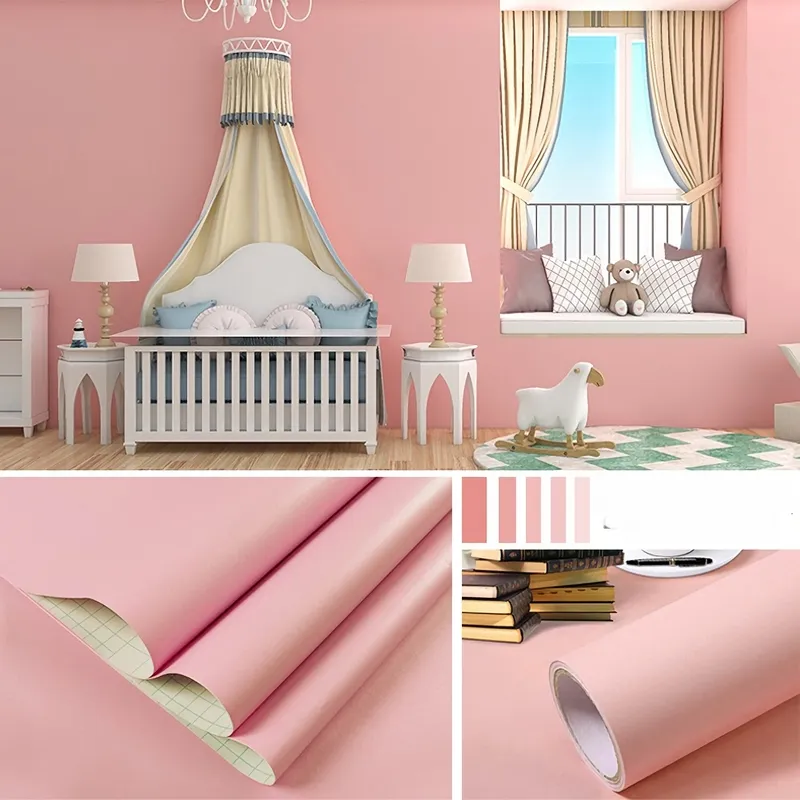
Sales PVC film is more than a “plastic wrap”—it is a versatile, high-performance material used for packaging, printing, and surface protection across industries. Whether you need clear film for clean presentation, decorative film to elevate furniture finishes, or functional films with anti-static or anti-fog properties, choosing the right PVC film directly impacts product appearance, durability, processing efficiency, and cost.
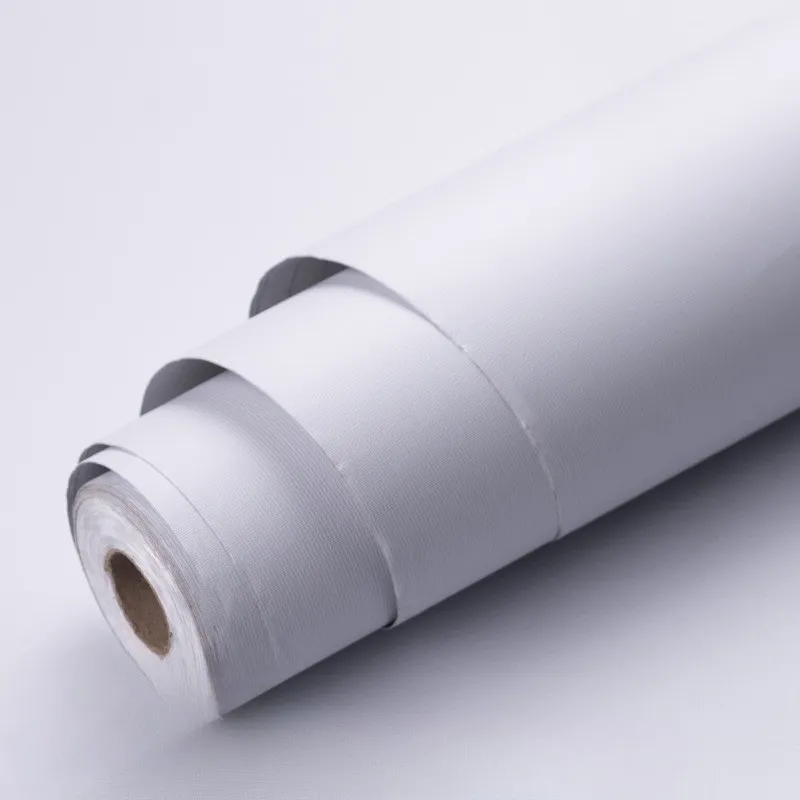
This guide explains how to evaluate PVC film quality, how different structures and surface finishes work, and how OEM customization can help you get competitive pricing without compromising consistency. You’ll also learn how full-process manufacturing—from calendering to printing to slitting and packing—shortens lead times and reduces risk in mass production.
✔ Cost-to-performance balance: PVC film provides excellent visual clarity or strong decorative effects at a manageable cost, making it popular for both high-volume packaging and surface finishing.
✔ Process-friendly: Compatible with calendering, printing, lamination, embossing, and slitting—ideal for converting lines that demand stable thickness and predictable behavior.
✔ Functional upgrades: Optional treatments such as anti-static, anti-fog, and food-grade coatings can be added to match real-world usage and compliance needs.
In sales conversations, “PVC film” usually means one of several categories. Matching the film type to your application is the quickest way to avoid complaints like curling, poor adhesion, whitening under stress, or inconsistent printing density.
Calendered film is produced by passing PVC compound through precision rollers to control thickness and surface quality. It is frequently selected when you need consistent gauge, flatness, and repeatable performance for converting, laminating, or printing.
For product details and typical specs, see Calendered Film.
Decorative PVC films are widely used to upgrade furniture panels, doors, wall surfaces, and retail displays—especially when you want the look of wood, stone, textile, or metal with easier maintenance. Options include glossy, matte, brushed, embossed, 3D relief, and artistic textures.
If you are targeting premium visual depth for interiors or cabinetry, 3D Silk Texture Film is a popular direction for design-led projects.
Transparent film is often chosen for protective wrapping and visibility of packaged goods, while frosted film helps reduce glare and fingerprints. Solid color films support brand consistency and can be paired with printed graphics for retail or industrial identification.
For clean, modern walls or large-area coverage with consistent tones, Solid Color Wallpaper is a reference product category that highlights how stable pigments and surface uniformity matter.
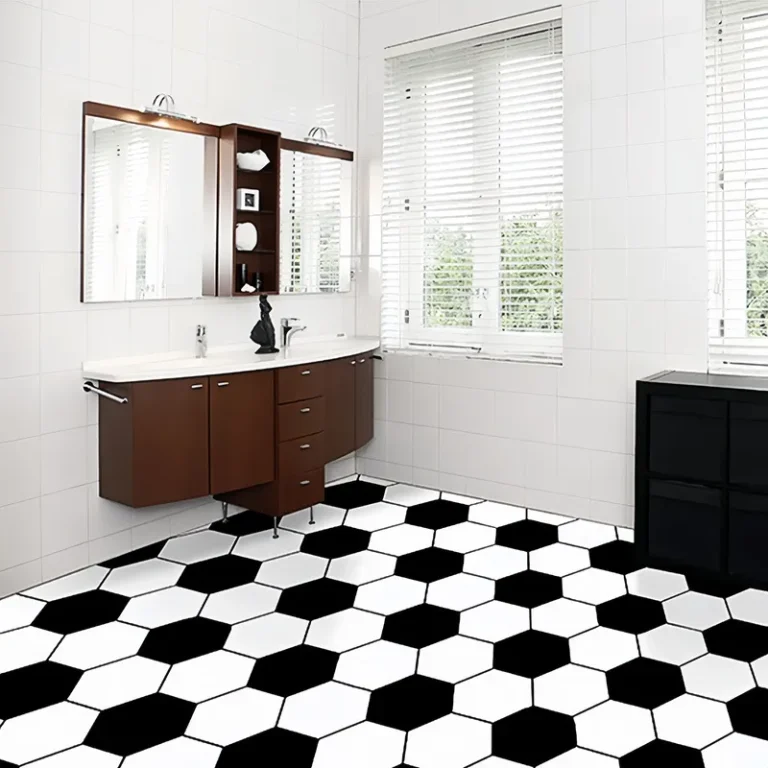
Flooring films and protective floor layers must withstand foot traffic, abrasion, moisture, and repeated cleaning. They typically require a balanced formulation to avoid brittleness while keeping dimensional stability.
Explore a representative category at Floor Film.
Competitive price is important, but repeat orders come from measurable quality. A good supplier should be able to show stable results across batches and provide traceability from raw materials to finished rolls.
Printing performance is often decided before ink ever touches the film. Surface energy, smoothness, and formulation stability influence dot gain, drying time, rub resistance, and color repeatability. If your project involves signage, exhibition backdrops, labels, or decorative panels, confirm the following with your supplier:
● Surface consistency: a stable top layer improves ink wetting and reduces printing defects like pinholes or streaks.
● Proper hardness vs. flexibility: too soft may scratch; too hard may crack during forming or wrapping.
● Controlled slitting & packing: clean edges and dust-protected packing help keep printers running without contamination issues.
Protection films reduce rework and returns by shielding surfaces from abrasion, dust, and stains during manufacturing, assembly, transport, and installation. In electronics and appliances, anti-static options can reduce risk of electrostatic-related defects. In construction and decoration, protective wrapping helps maintain glossy or matte finishes until handover.
Furniture manufacturing: wood grain, cloth grain, cabinet door films, tabletop protective layers.
Building & decoration: wall films, stone patterns, partition and ceiling finishes, moisture-resistant surfaces.
Electronics & appliances: anti-static film, protective film, insulation film, brushed textures.
Advertising & exhibition: lightbox film, display graphics film, background and branding films.
Medical & cleanroom: protective and clean packaging films where contamination control is important.
Price differences in PVC film often come from controllable production factors: raw material sourcing, process stability, yield rate, and how many steps are handled in-house. A full-process manufacturer can reduce the hidden costs that buyers usually feel later—scrap, delays, claims, and inconsistent batches.
When the supplier controls calendering, printing, and slitting/packing, they can align specifications across steps and keep deviations small. This matters for high-volume packaging and long-term decorative programs where “close enough” becomes expensive over time. It also helps shorten lead time because materials don’t wait on third-party scheduling.
📌 Individual roll protection: dust-proof PE wrapping or kraft paper reduces surface defects and handling marks.
📌 Clear labeling: width, thickness, finish, batch info—helps warehouse management and reduces production mix-ups.
If you are selling PVC film into packaging, printing, or protection markets, customization is often the difference between a one-time order and a stable program. OEM/ODM options typically include thickness, width, roll length, surface finish (glossy/matte/embossed), functional coatings (anti-fog/anti-static/food-grade), colors, patterns, and packaging method.
Finish selection is not only about appearance—it affects scratch visibility, fingerprints, slip behavior, and how well the film hides substrate defects. For packaging and protection, clarity and smoothness may be the priority. For decorative panels, you may need texture depth, stable color, and a surface that looks premium under different lighting.
Glossy: strong color pop and “new product” shine; best when you can control scratches during handling.
Matte: reduces glare, hides fingerprints, and can look more premium in modern interiors.
Embossed / textured: adds depth and helps conceal minor substrate imperfections; improves tactile feel.
Functional coatings: anti-static for electronics; anti-fog for humidity-prone packaging; food-grade options for contact-sensitive use cases.
A reliable PVC film program depends on production discipline and quality control—especially when your customers expect consistent color and performance over time. A strong supplier should support multi-step QC checks, batch traceability, and export-ready packaging. If you buy internationally, global shipping experience also reduces risk of transit damage and paperwork delays.
Many issues blamed on “film quality” are actually specification mismatches. Use the tips below to keep your procurement predictable and your customers satisfied.
① Don’t skip the end-use description: protection for glossy panels and packaging for irregular shapes require different softness, thickness, and surface friction.
② Confirm winding and slitting requirements: edge quality, telescoping control, and roll hardness affect your converting uptime.
③ Ask for functional proof: if you request anti-static or anti-fog, ask for test methods and acceptance ranges.
④ Plan trials like a process, not a sample: run the film at real line speed and real storage conditions to validate consistency.
PVC film can be used as protective wrap and surface shielding for products during processing and transport, and it is also used for decorative and printed applications where appearance matters alongside durability.
Yes. OEM/ODM customization can include thickness, width, roll size, surface finish (glossy/matte/embossed), color, pattern, and print-ready surface requirements to match your branding and converting process.
Glossy boosts visual impact, matte reduces glare and fingerprints, and textured films add depth while hiding minor surface imperfections. The best option depends on handling conditions and the final look you want.
Key factors include raw material formulation, thickness and tolerance, surface treatments, printing complexity, slitting/packing requirements, and whether the supplier controls the full production process.
In most cases, yes. Provide application, specifications (thickness/width/finish), and target quantity so the supplier can prepare the right sample and quotation efficiently.