Address
304 North Cardinal St.
Dorchester Center, MA 02124
Work Hours
Monday to Friday: 7AM - 7PM
Weekend: 10AM - 5PM
Address
304 North Cardinal St.
Dorchester Center, MA 02124
Work Hours
Monday to Friday: 7AM - 7PM
Weekend: 10AM - 5PM


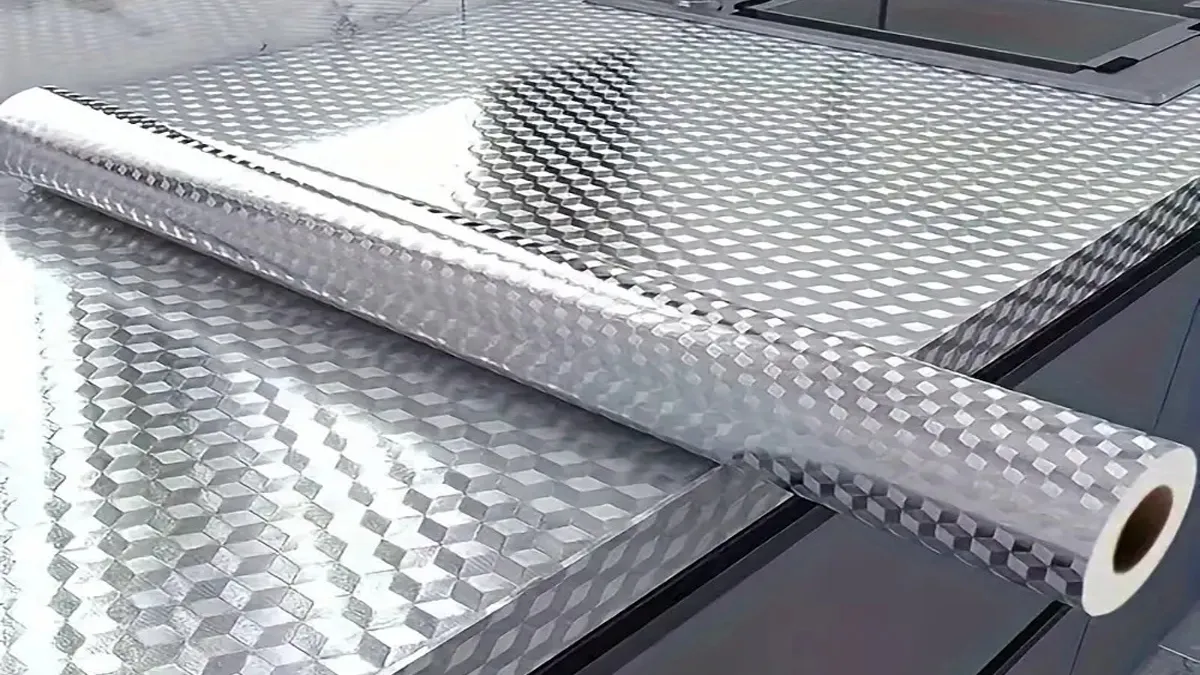
PVC film supply decisions impact more than price—they affect print quality, conversion efficiency, compliance, and the consistency your customers notice first. Whether you buy PVC film for packaging, surface protection, or decorative lamination, selecting the right wholesale source and the right film type is what keeps your production stable, your waste low, and your delivery promises realistic.
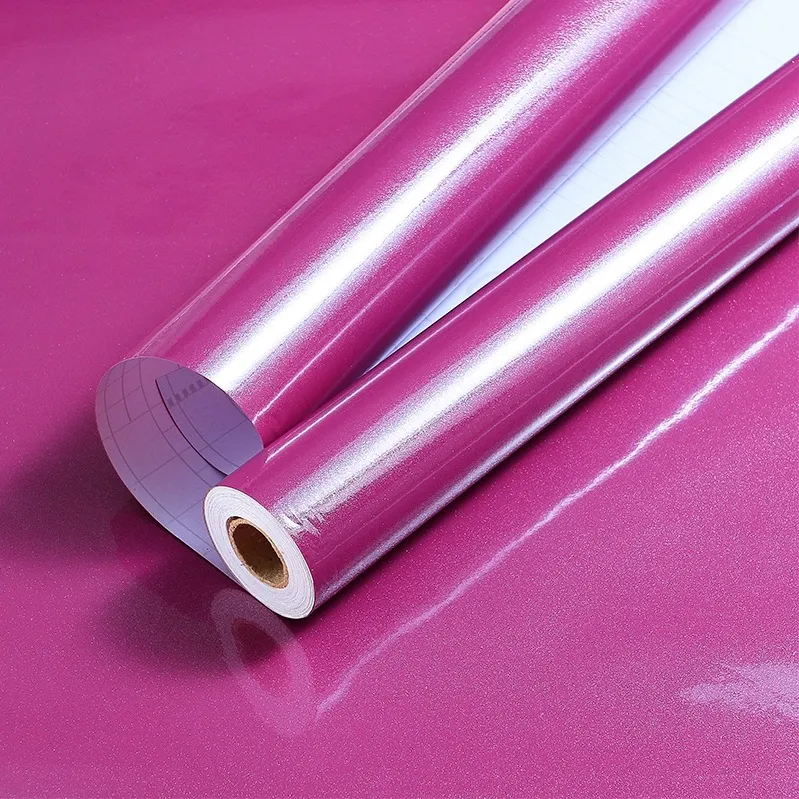
This guide breaks down reliable wholesale sourcing routes, major PVC film types, quality checkpoints, and practical buying tips you can apply to trial orders and long-term contracts—especially when you need consistent rolls, clean packaging, and repeatable specs across batches.
A reliable supplier is not simply “a factory that can produce PVC film.” Reliability is the ability to deliver the same performance—roll after roll, month after month—while supporting your operational needs (sampling, documentation, custom widths, traceability, and stable lead times).
Pulivk Film, for example, is structured around complete calendering, printing, and slitting/packaging lines, which reduces handoffs and helps keep thickness, surface, and roll quality more consistent across repeated orders.
Buying directly from a film manufacturer typically gives you better control over spec customization (thickness/width/embossing/gloss level), more transparent QC, and more stable pricing for container-level volume. It’s the preferred route when you need repeatable packaging performance or brand-consistent decorative patterns.
Converters, laminators, furniture factories, packaging plants, and importers building a consistent SKU lineup.
Traders can bundle multiple materials, provide local language support, and sometimes offer smaller MOQs. The trade-off is reduced visibility into the actual production line and potentially less control over batch-to-batch stability. If you choose this route, ask for factory audits, production photos, and test reports tied to your shipment lot.
Distributors reduce lead time and simplify logistics. However, their selection may be limited to standard grades and the cost per roll may be higher. This option is often used for maintenance supply, last-minute job coverage, or pilot runs.
PVC films can be grouped by manufacturing method, surface effect, and functional treatment. Matching your end-use is the fastest way to avoid over-spec’ing (wasted cost) or under-spec’ing (complaints and rework).
Calendered films are widely chosen for predictable thickness and high output. They perform well in many packaging and lamination workflows and are suitable for further processes like printing, embossing, and slitting.
Product reference: Calendered Film
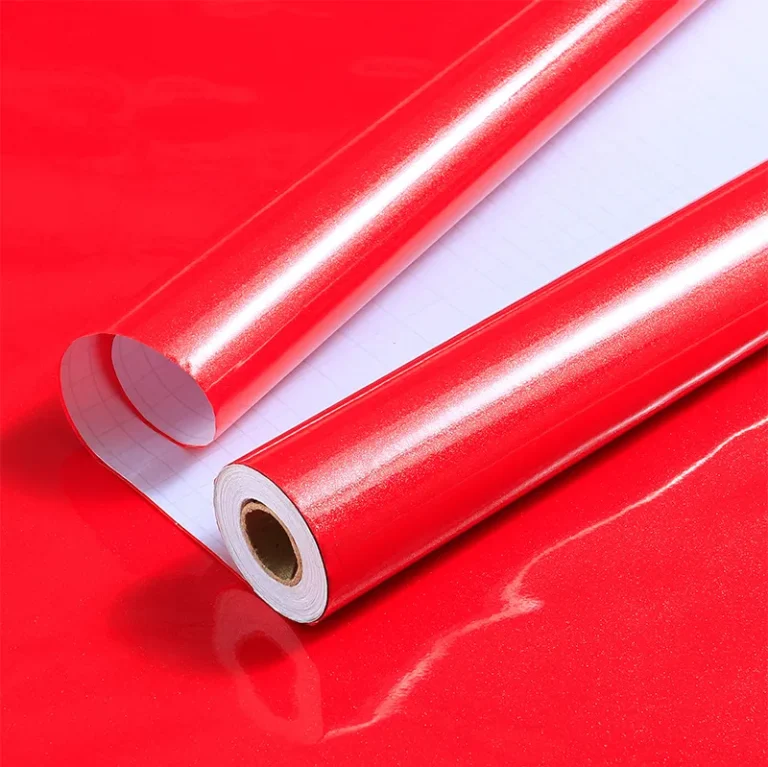
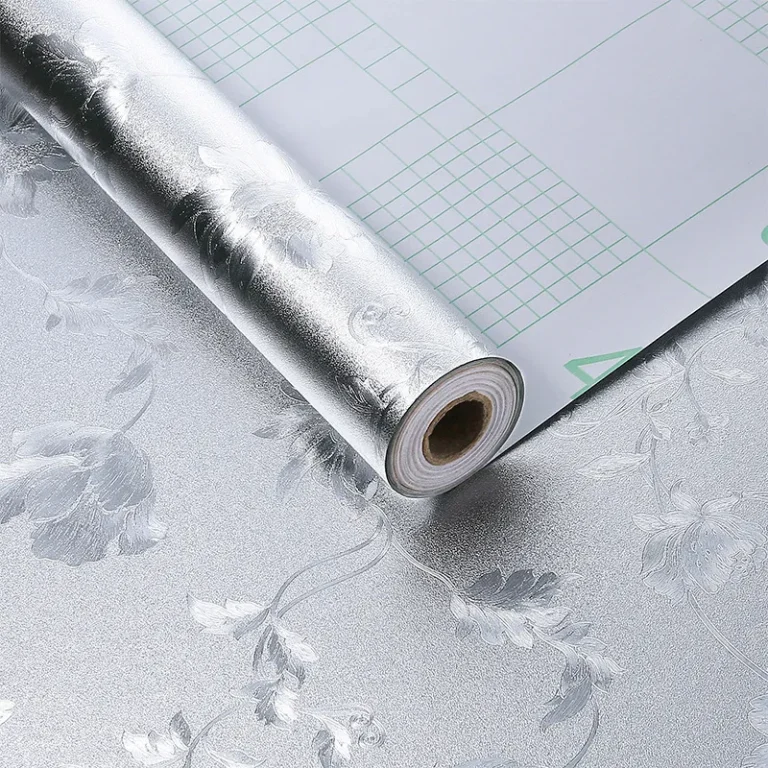
Decorative films are designed to deliver a consistent aesthetic on furniture panels, doors, wall surfaces, and interior profiles. The most important buying factor is pattern repeat stability and color consistency across batches.
These surfaces are common for protective packaging, display applications, and consumer goods wrapping. When buying, pay attention to optical clarity/haze, surface defects (gel points, fish-eyes), and winding quality (edge alignment and telescoping resistance).
Functional coatings and surface treatments are where many supply issues occur if documentation is weak. If you need anti-static or special coatings, ask for test methods, target values, and how performance is maintained after slitting and shipping (humidity and handling can influence results).
Because Pulivk Film supports a wide range of film families—transparent, frosted, embossed, pearlescent, colored, anti-static, self-adhesive, single-layer and multi-layer composites—buyers can often consolidate sourcing to reduce variability between factories.
The fastest way to avoid disputes is to put your requirements in measurable terms. A good spec sheet includes:
Ship a “golden sample” roll (or a swatch set) to your supplier and request confirmation samples from the first production batch. Visual products (wood grain, marble, solid color) benefit from physical references more than text-only specs.
Quality control should be measurable and traceable. Ask your supplier what they test and how they record it. The most commonly requested checks include:
If your packaging or product will enter markets that demand documentation, verify compliance before sampling. Many buyers ask for ISO 9001/ISO 14001 management systems and material compliance such as REACH/RoHS and FDA where relevant. Pulivk states its materials are free of heavy metals and phthalates and supports third-party reports upon request—this is the kind of clarity you want upfront.
A smart trial order is designed to validate the entire chain: production, packing, shipping, and your own converting process. Consider:
Many PVC film problems are not “material problems”—they are handling problems: dust contamination, crushed edges, telescoping rolls, unclear labels, or mixed lots. A professional supplier should offer protective roll wrap (dust-proof PE film or kraft paper), clear labels, and stable pallets for export.
Understanding what drives price helps you negotiate without compromising performance. Major drivers include resin and plasticizer cost trends, film thickness, special embossing, printing/ink systems, coating treatments, and packaging method. Instead of pushing only for a lower number, align on:
OEM/ODM support is not only for “new designs.” It is how you lock down repeatable manufacturing rules: master sample management, print files, color matching, functional coatings, and packaging methods. Pulivk supports OEM/ODM customization across thickness, width, roll size, surface treatment (anti-fog, anti-static, food-grade), colors/patterns, and packaging—exactly the type of flexibility that helps wholesalers and converters expand product lines without changing suppliers.
Two films with the same thickness can behave very differently. Surface friction, plasticizer system, emboss depth, and winding tension can change how the film runs on your line and how it looks under lighting.
Define what counts as acceptable: number of defects per square meter, allowed scratch length, edge chip limits, and acceptable gloss/haze ranges. This turns subjective complaints into measurable acceptance criteria.
Dust and roll damage create expensive waste. Require protective wrap and clear labeling. For long-distance export, moisture protection and pallet stability are essential.
When a product becomes a bestseller, reorders come fast. Confirm whether the supplier can hold master samples, manage color matching, and maintain consistent embossing/printing conditions.
PVC film is used for decorative lamination, surface protection, industrial packaging, and specialty functional applications. It can be made transparent, textured, printed, or coated (e.g., anti-static) depending on your process and end-use.
Choose based on visual goal and handling: glossy highlights color and depth, matte hides fingerprints, embossed/textured improves tactile feel and can reduce visible scratches. Always request samples and test under your real lighting and line speed.
Send film type, thickness, width, roll length, surface/texture, color or pattern reference, functional requirements (anti-static/anti-fog/food-grade), quantity, and destination port. If you need OEM packaging, include label and pallet requirements.
Use a clear spec sheet, approve pre-production samples, require batch numbers on labels, retain reference rolls, and confirm the supplier has in-house production control (calendering/printing/slitting) plus documented QC records.
Many do, but capability varies. Confirm they can customize dimensions, colors/patterns, surface finishes, functional treatments, and export packaging—then validate with a structured trial order before scaling.