Address
304 North Cardinal St.
Dorchester Center, MA 02124
Work Hours
Monday to Friday: 7AM - 7PM
Weekend: 10AM - 5PM
Address
304 North Cardinal St.
Dorchester Center, MA 02124
Work Hours
Monday to Friday: 7AM - 7PM
Weekend: 10AM - 5PM


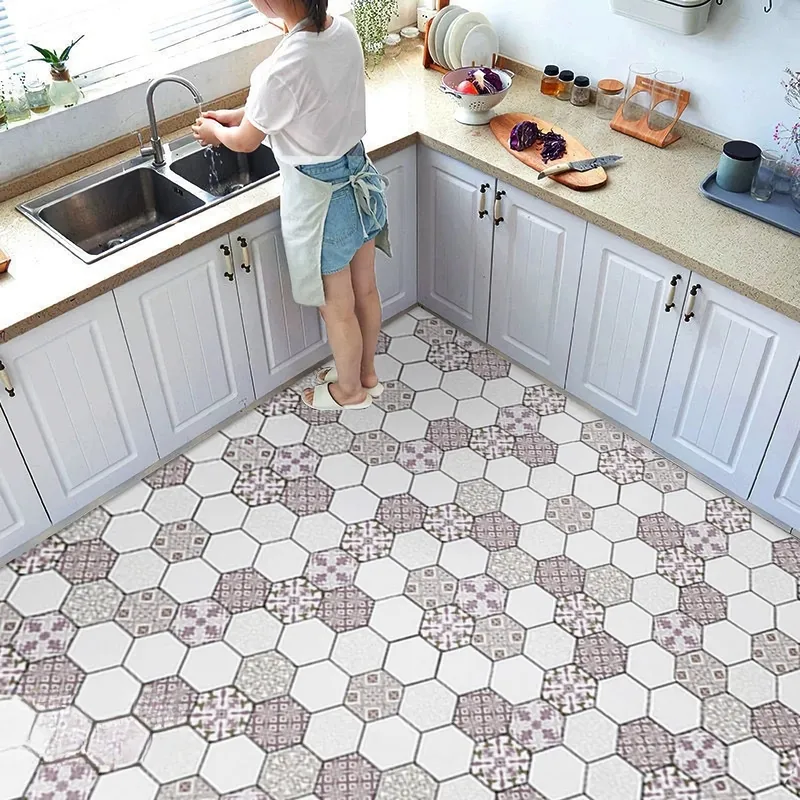
PVC film sheet pricing can look simple at first glance—just “price per square meter”—but real-world costs depend on material formulation, thickness, surface finish, printing, functional coatings, order size, packaging, and shipping terms. This guide explains how PVC film sheet price is calculated, what drives the cost up or down, and how to request a quote that is accurate, fast, and comparable across suppliers.
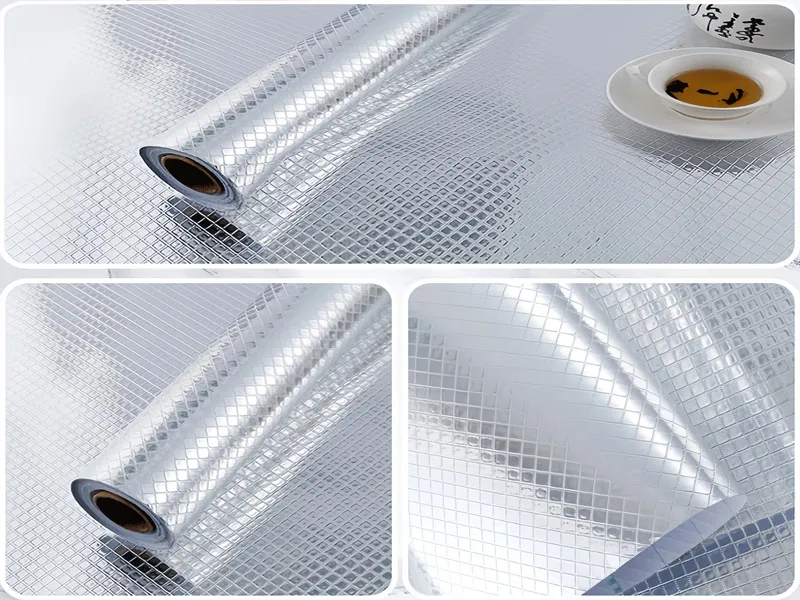
Tip: Always confirm whether the quote is for film in rolls or cut sheets, and whether it’s priced by m², kg, or roll.
In many B2B orders, “PVC film sheet” is used as a general term even when the product is supplied in rolls. Pricing becomes clearer once you define the format:
Best for lamination, vacuum pressing, wrapping, and continuous production lines. Rolls reduce handling waste and usually provide a better unit price at scale.
Useful for manual applications, prototyping, or small-batch packaging. Pre-cutting adds labor, yield loss, and additional QC—so price per m² is often higher than roll supply.
Most factories translate material weight into area-based pricing. A simplified way to think about it:
Price per m² ≈ ( Price per kg × kg per m² ) + processing + packaging + QA + margin
kg per m² increases with thickness and with denser, more heavily filled formulations. That’s why thickness is usually the first question in any quote request.
Thickness is a direct driver of material consumption. As thickness increases, cost per m² increases almost linearly, but not perfectly—because processing speed, emboss depth, and scrap rate can change too.
✔ Practical guidance:
If your application allows it, specifying the minimum functional thickness (instead of “as thick as possible”) is one of the fastest ways to reduce cost.
Calendered film is common for decorative and industrial PVC films because it supports stable thickness control and high output. You can reference product structures such as
Calendered Film
when requesting a baseline quote.
Specialty films (soft-touch, anti-static, self-adhesive, high-gloss, or multi-layer composites) typically add cost via extra coating steps, more expensive additives, or tighter QC.
Surface effects change both processing and yield. Matte and standard wood grain finishes may be cost-stable at scale, while deep emboss and 3D textures can require
slower lines, special rollers, and stricter defect tolerance.
For reference, a patterned option like
3D Silk Texture Film
may price differently from a plain finish due to emboss/texture complexity.
Solid colors can be cost-efficient, but special pigments (high-opacity whites, metallics, pearlescents) can raise material cost. For printed decorative films—wood grain, marble, stone, textile—cost depends on:
If you need a stable decorative pattern that’s widely used in furniture and interior panels, referencing a known category like
Wood Grain Film
helps suppliers align on the expected structure and finish.
Functional coatings and layers are often “small percentage” changes in recipe but “large impact” changes in performance. Typical premium drivers include:
If your project requires documentation aligned with ISO management systems or chemical compliance frameworks (REACH, RoHS, FDA), the supplier may price in extra testing,
batch traceability, and stricter incoming/outgoing QC. This typically reduces risk for importers and brand owners, especially for indoor decoration and human-contact scenarios.
Film width affects yield and slitting efficiency. Non-standard widths can increase trimming waste. Packaging also matters: dust-proof PE wrapping, kraft paper protection, labels,
palletization, moisture protection, and export-ready corner/edge protection can all add to the total.
Note:
If your warehouse has strict racking limits, specify maximum roll OD (outer diameter) and pallet height in advance to avoid rework.
PVC film prices are not just “material costs”—they are application-driven. Below are common use cases and why the quote may change.
Often require consistent color/texture across batches, good scratch resistance, and reliable lamination behavior. Decorative patterns (wood, marble, textile) and soft-touch finishes may increase cost but reduce customer returns.
Installation speed and durability matter. Skirting applications may favor abrasion resistance and stable color. If you’re sourcing for trims, referencing
PVC skirting film
helps align the supplier on expected use and performance.
Flooring-related films typically require abrasion resistance and dimensional stability. If the film is intended for floor systems or protection, the specification may push toward thicker gauges or reinforced structures. A category reference such as
Floor Film
can be useful when requesting a quote.
The “best quote” is not only the lowest number—it’s the quote that matches your requirements with minimal risk of delays, defects, or specification gaps.
To achieve that, provide suppliers with a clear request package.
If you’re cost-optimizing, request two quote options under the same specification:
This helps you understand the price-performance curve instead of negotiating blindly.
Decorative films are sensitive to lighting and substrate color. Clarify whether approval is done by:
Lead time depends on production scheduling and whether your order requires engraving rollers, custom printing cylinders, special coatings, or OEM packaging.
If your project timeline is tight, ask the supplier to separate:
Cost reduction works best when you target drivers that don’t reduce user experience or durability.
Very small orders can carry high setup cost (printing setup, roller changeover, QC ramp-up). If possible, combine SKUs or order longer runs of fewer designs.
OEM packaging and labeling can strengthen your brand, but it adds complexity. For the first order, consider keeping packaging standard, then upgrading after the film spec is stable.
PVC film cost control improves when the supplier can manage more steps in-house—calendering, printing, slitting, and packaging—because it reduces outsourcing markups,
shortens handover time, and improves defect accountability. A full-process producer can also respond faster when you need urgent re-slitting, packaging changes,
or color adjustments.
When two quotes differ significantly, it’s often because they are not quoting the same “total delivered value.” Use the checks below:
If you want a quote within one business day, send a single message that includes: film type, thickness, width, roll length, surface, pattern/color, order quantity,
destination port, and required compliance. If you’re still exploring, share your application and target cost range—suppliers can recommend a cost-optimized structure.
Use the official pages to streamline communication:
Contact
and review general product categories via
Product.
If you need quick answers to common specification questions, see
FAQ.
There isn’t one universal “good price.” The right benchmark depends on thickness, finish (gloss/matte/emboss), printing complexity, functional coatings, compliance,
and trade terms (EXW/FOB/CIF). The best approach is to compare same-spec quotes from multiple suppliers.
Pricing by m² is easier for project budgeting and surface coverage; pricing by kg can be clearer for resin-driven cost moves.
For fair comparison, ensure thickness and density assumptions are identical.
Differences usually come from base film formulation, ink system, emboss depth, gloss control, defect standards, and packaging level. Another hidden factor is whether the supplier runs
full-process production (calendering + printing + slitting + packing) or outsources part of the workflow.
At minimum: film type, thickness, width, roll length (or sheet size), surface finish, color/pattern, quantity, and destination/Incoterm. If you require REACH/RoHS/FDA
or phthalate-free options, state it upfront to avoid re-quoting.
Many manufacturers support trial orders, but MOQ depends on specification and customization level (printing setup, special coatings, unique packaging). Ask for a trial MOQ
plus a mass-production price tier so you can plan scaling costs.