Address
304 North Cardinal St.
Dorchester Center, MA 02124
Work Hours
Monday to Friday: 7AM - 7PM
Weekend: 10AM - 5PM
Address
304 North Cardinal St.
Dorchester Center, MA 02124
Work Hours
Monday to Friday: 7AM - 7PM
Weekend: 10AM - 5PM


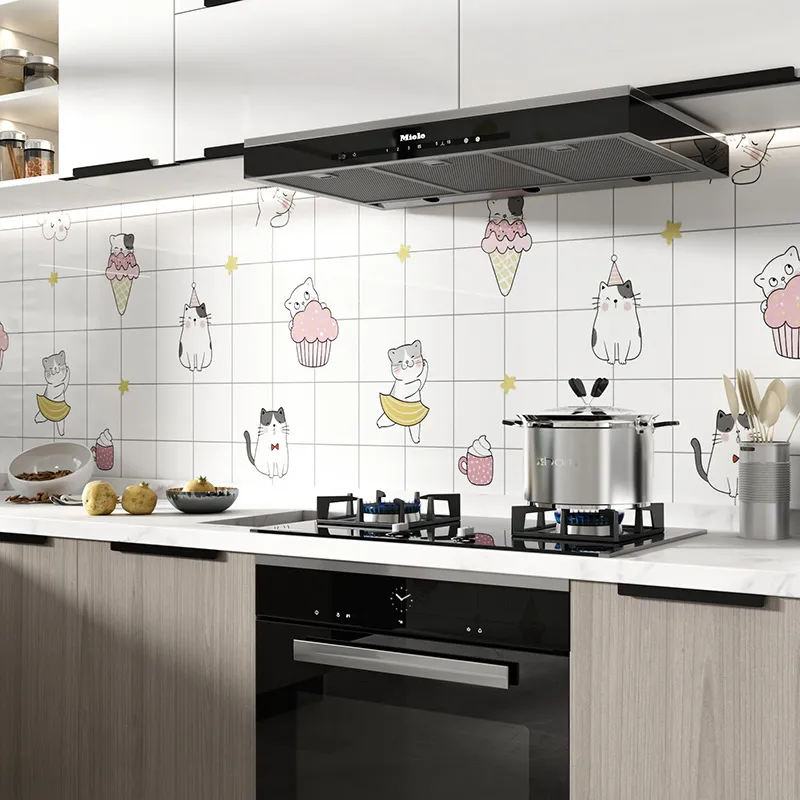
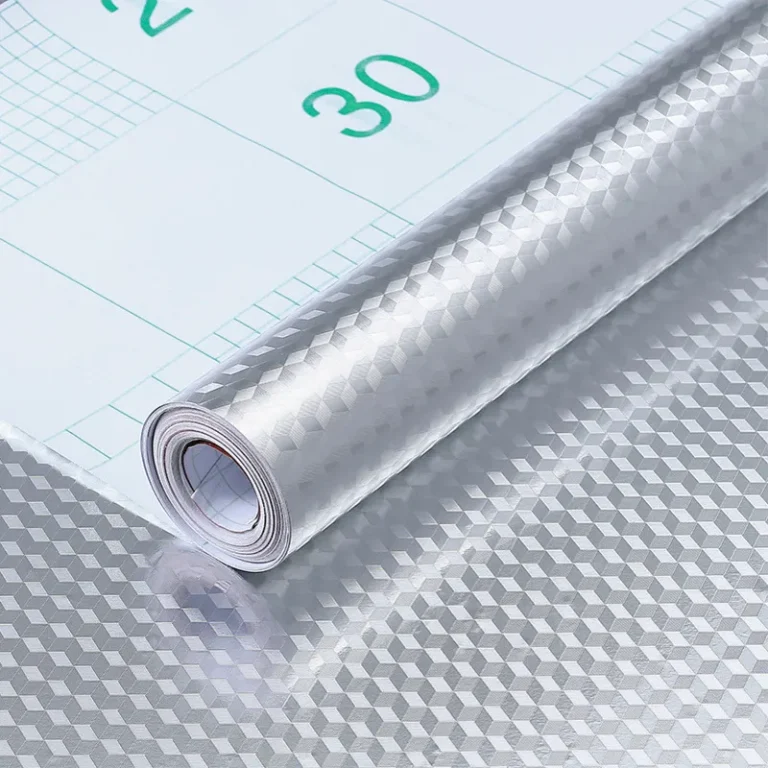
Getting reliable PVC film quotes is harder than it looks. Two suppliers can quote the “same” film, yet the final rolls behave differently on laminators, vacuum presses, wrapping lines, or flooring systems. The reason is simple: PVC film pricing depends on specifications (thickness, width, embossing, coating), quality standards, production method, and even packaging and logistics. If you request quotes without a clear technical checklist, you’ll compare numbers—not products.
This guide shows how to request accurate pricing, compare suppliers fairly, and reduce total cost on bulk orders—without sacrificing consistency. It’s written for buyers in furniture, construction & decoration, electronics, advertising, medical/cleanroom, and home applications.
Key idea: A good quote is not a single number. It’s a package of specs + tolerances + compliance + lead time + packaging + trade terms. When those match, prices become comparable and negotiable.
PVC film is not a single commodity. Quotes change based on the film’s structure, surface performance, and how it is produced and finished. Before you compare suppliers, understand the biggest pricing drivers:
Production method influences thickness control, surface appearance, and unit cost. For example, calendered film is often chosen for stable thickness, smoothness, and scalable production for decorative and industrial use.
When any of the items below are missing, suppliers will guess—and later adjust pricing, lead time, or quality targets.
If you want a quote you can actually purchase against, request pricing with a structured RFQ. The goal is to eliminate “hidden variables” that cause re-quoting after sampling.
Different industries care about different “failure modes.” Ask suppliers which tests they run and request targets that match your process.
Tip: If you need fast alignment, send one competitor sample roll and ask for a “match quote” with stated differences (formulation, coatings, tolerance). This makes supplier comparisons transparent.
A low price can be expensive if it increases rejects, slows production, or triggers customer complaints. Use a comparison framework that captures total cost and operational risk.
Ask each supplier to quote with the same assumptions: net usable width (after trimming), roll defects policy, and tolerance. If one supplier has tighter thickness control and fewer surface defects, your usable yield improves—even if the unit price is slightly higher.
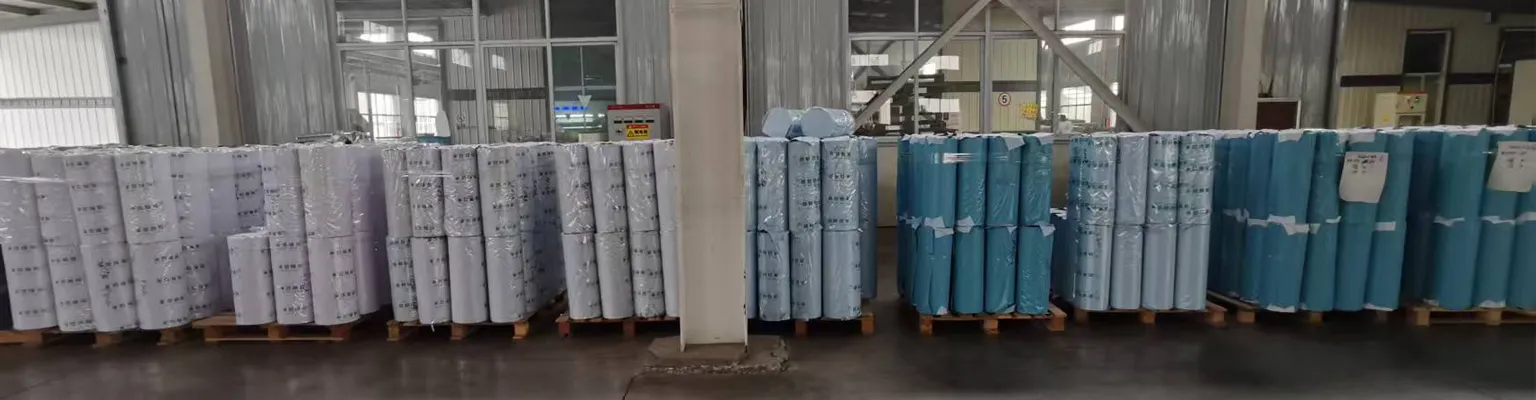
Film is easily damaged in transit. Strong suppliers wrap rolls individually with dust-proof PE film or kraft paper, add labels with full specs, and protect edges. Packaging quality directly affects claims, downtime, and rework costs.
The fastest way to get an accurate quote is to start from the right product family. Below are common categories and what to clarify when pricing them.
Decorative film pricing depends on print layers, pattern depth, and surface finish. For furniture and door wrapping, wood grain film is often evaluated on color stability, emboss fidelity, and repeatability between batches. For luxury wall panels or countertops, marble film typically needs strong stain resistance and consistent gloss/haze.
Texture adds perceived value but increases manufacturing and QC requirements. If your brand depends on a distinctive touch feel, define emboss depth tolerance and scratch resistance targets. For example, 3D silk texture film usually needs closer control of emboss consistency across the roll to avoid visible panel-to-panel mismatch.
Flooring-related quotes often hinge on wear performance, dimensional stability, and anti-slip or coating requirements. If you are sourcing overlays or protective layers, review options like floor film and clarify abrasion resistance expectations, cleaning chemical exposure, and installation environment.
For electronics and cleanroom scenarios, “invisible” defects are costly. Define surface cleanliness, anti-static performance range, haze requirements, and allowable gels/black spots. Ask how suppliers test and record these metrics per batch.
Bulk purchasing should reduce your cost, but the biggest savings often come from simplifying production and logistics rather than forcing unit price cuts.
If you can use the same thickness, width, and core across multiple patterns, suppliers can run longer production campaigns with fewer changeovers. That improves yield and lowers per-unit cost. Even a small change—like unifying roll length—can reduce waste and slitting time.
Cost-saving lever: Align supplier slitting with your real cutting plan.
For new suppliers or new designs, buy a small trial with clear acceptance criteria (visual defects, thickness tolerance, adhesion/peel, and color delta). Once approved, lock a bulk contract with a golden sample and agreed tolerances. This reduces rework disputes and stabilizes pricing.
Before you place a bulk order, confirm details that prevent common disputes: “quote vs. delivered product,” “lead time vs. actual ship date,” and “quality claim handling.”
Ask for a written claims policy covering defect definition, inspection time window after arrival, photo/video evidence format, and replacement/credit terms.
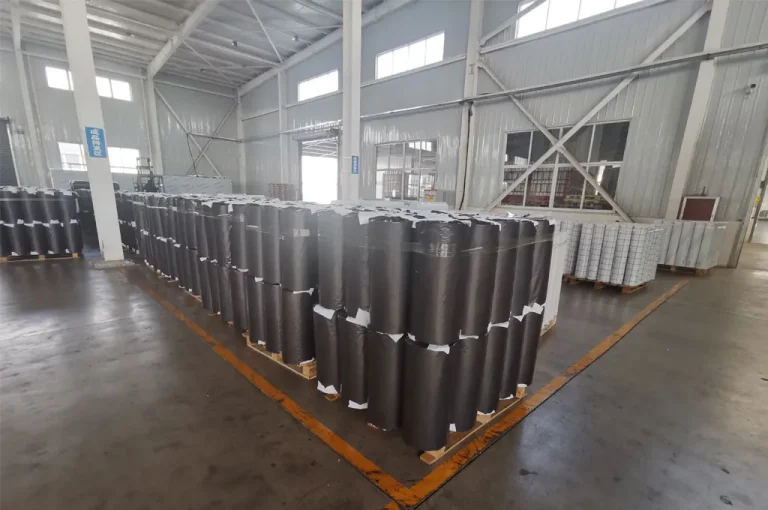
Suppliers with integrated capabilities—calendering, printing, and slitting/packing—can quote more accurately because they control the full cost structure and process stability. This also reduces delays caused by outsourcing steps (especially printing and slitting), and improves consistency because fewer parties handle the film.
In practice, integrated production helps buyers in three ways:
Use the checklist below to normalize quotes from different suppliers. When all fields match, you can negotiate fairly and choose based on evidence, not assumptions.
Provide film type, thickness/width/roll length, surface finish, color or pattern reference, quantity (trial + bulk), required compliance (REACH/RoHS/FDA), packaging, and trade terms (FOB/CIF/DDP) with destination.
Differences usually come from formulation, thickness tolerance, print/emboss process control, coating requirements, defect standards, packaging level, and whether production is integrated or outsourced.
Standardize specs across SKUs, optimize slitting widths to reduce trim waste, confirm packaging standards, share forecasts for better scheduling, and lock bulk pricing after a qualified trial and approved “golden sample.”
MOQ and lead time vary by product type and customization. Many suppliers support small trials, while bulk orders depend on pattern complexity, coating needs, and production schedule.
Request specification sheet, compliance documents (as needed), QC/inspection standards, batch traceability method, packaging specification, and a written claims/returns policy tied to defect definitions and inspection timelines.