Address
304 North Cardinal St.
Dorchester Center, MA 02124
Work Hours
Monday to Friday: 7AM - 7PM
Weekend: 10AM - 5PM
Address
304 North Cardinal St.
Dorchester Center, MA 02124
Work Hours
Monday to Friday: 7AM - 7PM
Weekend: 10AM - 5PM



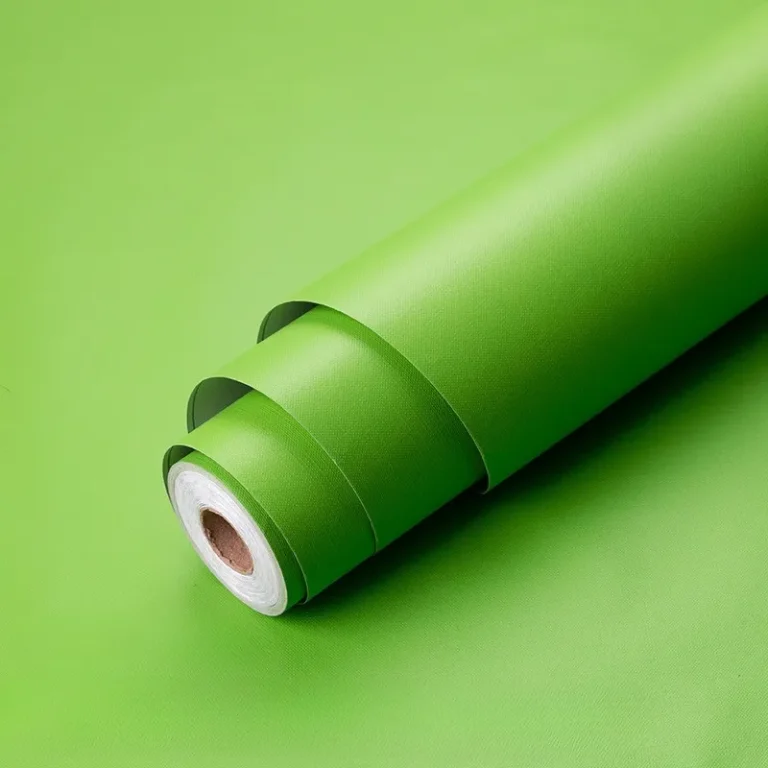
In packaging and printing, timing and cost matter just as much as appearance and performance. If you buy PVC film regularly—whether for lamination, protective overlays, labels, folding cartons, sleeves, or decorative wraps—promotions are not just “nice to have”: they can reduce your per-roll cost, stabilize supply, and help you quote projects with confidence. This page breaks down how to spot the best PVC film deals, how bulk discounts and wholesale offers work, and what to ask for before placing your next order.
Key takeaway:
Promotions are most valuable when they fit your specifications (thickness, width, finish, printing compatibility) and protect your delivery schedule. Always evaluate the “total landed value” (price + lead time + yield + waste rate), not only the unit price.
PVC film promotions typically fall into three practical categories: best-deal pricing on standard specs, bulk discounts for higher volume, and wholesale offers that bundle customization, packaging, or logistics advantages. For packaging and printing buyers, the smartest promotions are the ones that align with your production workflow—rewind direction, core size, roll length, slit tolerance, and surface properties.
Tip for printing buyers: ask if promotional lots keep the same resin batch and surface treatment. A small change in gloss level, release characteristics, or hardness can affect ink wetting, lamination bond, and scrap rate.
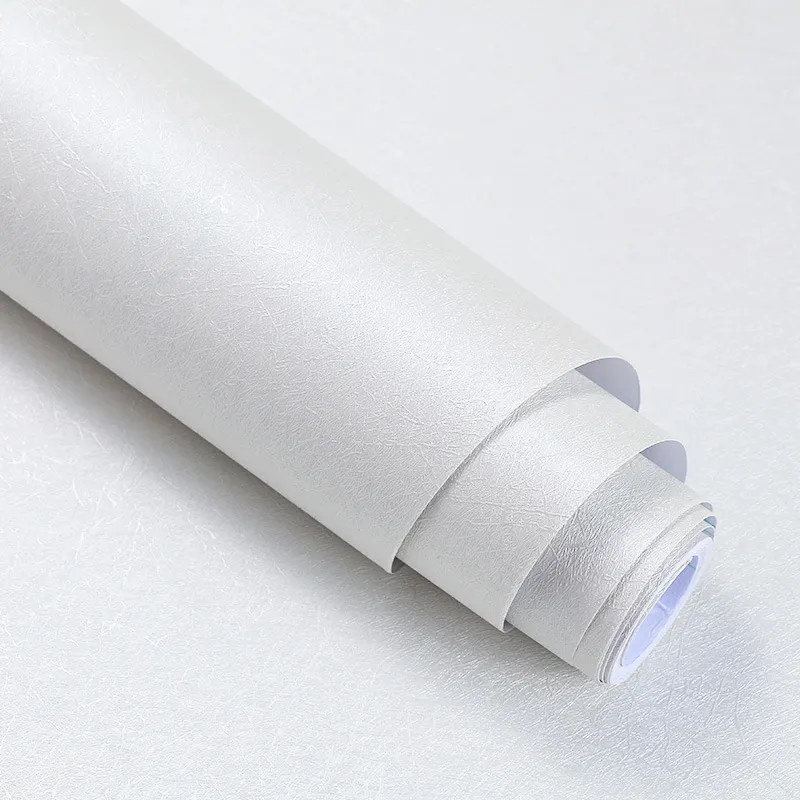
“PVC film” is not one single product. Performance depends on how the film is made (calendered vs. other processes), its structure (single-layer vs. multi-layer composites), and functional options (anti-static, matte, glossy, embossing, self-adhesive). Matching the film to your end-use is the fastest way to turn promotions into real savings—because you avoid downtime, rework, and complaints.
Promotional lots often focus on high-turn items. If your production schedule includes repeatable, spec-stable work, you can lock in a lower price and keep your inventory flexible. The following scenarios typically see the highest ROI from promotions:
Bulk discounts are usually tied to quantity, but not always in the way buyers expect. Many factories price by a combination of total tonnage, number of rolls, and how efficiently your order fits into production planning. If you want the deepest discount, structure your order to reduce changeovers and minimize slit waste.
If you need multiple products, consider a “mixed container” approach: you still reach volume tiers while diversifying your stock. For example, a packaging buyer might combine clear protective film, matte lamination film, and a textured option for premium campaigns. When done correctly, this can reduce procurement cycles and improve annual average cost.
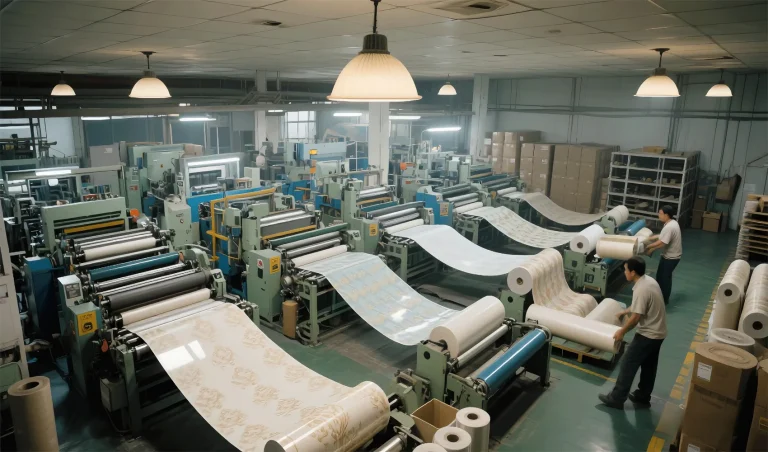
A wholesale offer is often a long-term value package. Instead of chasing a one-time discount, you align with a supplier that can support consistent quality, stable lead times, and customization. Pulivk Film, for example, operates full-process production—calendering, printing, and slitting/packaging—so wholesale customers can reduce middle steps, shorten delivery, and avoid quality drift across batches.
Look for measurable items that protect your production line and your customer experience:
Wholesale buyers often build a portfolio of repeatable “evergreen” SKUs. If your customers include interior branding or retail fixture manufacturers, consider pairing packaging/printing films with decorative standards like:
Wood Grain Film
for natural looks, and
Marble Film
for premium, modern surfaces. Even if your core business is packaging, these consistent patterns can become strong add-on sales for local fabricators and display producers.
The cheapest roll is not the best deal if it causes ink adhesion problems, curling, or inconsistent gloss. When you compare promotional offers, ask questions that map directly to your process: printing method, curing, lamination adhesive type, and storage conditions.
For regulated or brand-sensitive projects, request test reports or third-party compliance (for example, REACH/RoHS/FDA where applicable). This is especially important when film is used in environments involving frequent human contact, such as promotional wraps, event materials, or consumer-facing displays.
Promotions are easiest to trust when the supplier controls the full workflow. Pulivk Film runs calendering, printing, and slitting/packaging lines, covering transparent, frosted, embossed, pearlescent, colored, anti-static, self-adhesive, packaging and release films, plus single-layer and multi-layer composite options. That end-to-end capability reduces the typical risk behind “discount stock”: inconsistent thickness, unclear treatment, or packing that fails in shipping.
Lower cost comes from raw material/process control, while faster lead time comes from fewer handoffs.
With controlled QC from raw material to finished roll, promotional pricing can stay compatible with consistent performance—critical for high-speed packaging and print lines.
If your business resells film, supplies converters, or supports multiple print houses, OEM/ODM can help you standardize a catalog while still offering choices. Typical customization includes thickness, width, roll size, finish (gloss/matte/emboss), functional coatings (anti-static/anti-fog/food-grade), color/pattern matching, and private-label packaging. This is where wholesale offers often outperform one-time discounts: you get a stable SKU that your clients can reorder without re-qualification.
To consistently capture the best pricing, treat PVC film procurement like a plan rather than an emergency purchase. Even small operational changes can unlock better tiers and reduce hidden costs.
If you’re new to the category or expanding into new finishes, consider starting with a trial order while keeping the option to scale. Many manufacturers can support smaller trials and then convert successful specs into bulk runs.
Packaging is not cosmetic—it protects roll edges, prevents dust inclusion, and reduces claims. For international shipping, moisture and compression protection can directly impact yield at the converter’s site. Pulivk Film typically supports single-roll wrapping with dust-proof PE film or kraft paper and adds specification labels, making warehouse receiving and line-side identification faster.
If you want to compare options quickly, browse the product categories and technical notes, then request a quote with your target specs and monthly volume. Useful starting points include the
Product
catalog and the
Knowledge
section for application guidance. For direct inquiries, visit
Contact
and share your film type, thickness, width, finish, printing method, and required quantity so the team can match the best active promotion or wholesale tier.
Pro tip:
When asking for promotional pricing, include your acceptable tolerances (thickness range, width tolerance, splice policy) and the end-use (packaging, printing, lamination, protective). You’ll receive a quote that fits production reality—not a number that looks good but fails on press.
PVC film is a thin polyvinyl chloride sheet used for decorative, industrial, and packaging purposes. It’s popular because it can be produced in consistent thickness, multiple finishes (gloss/matte/emboss), and functional variants that support printing, lamination, and protection needs.
Many promotions apply to standard specs, but OEM/ODM customization is often available: thickness, width, roll size, color/pattern, surface treatment (anti-static/anti-fog/food-grade), printing, and packaging can be tailored based on your order volume and lead time.
MOQ depends on film type, specifications, and how much customization is required. Many suppliers support trial orders first, then scale to bulk tiers once the spec is approved.
Share the film type, thickness, width, finish, color/pattern, printing method, and quantity. Including your target application (packaging, lamination, label, protective overlay) helps the supplier recommend the most suitable promotional or wholesale option.
Ask for batch traceability, QC standards (thickness/optics/adhesion), and confirmation of surface treatment. For critical jobs, request test reports and keep a retained roll from each lot for comparison.