Address
304 North Cardinal St.
Dorchester Center, MA 02124
Work Hours
Monday to Friday: 7AM - 7PM
Weekend: 10AM - 5PM
Address
304 North Cardinal St.
Dorchester Center, MA 02124
Work Hours
Monday to Friday: 7AM - 7PM
Weekend: 10AM - 5PM


A PVC film production line is more than a sequence of machines—it is a full system that turns resin and additives into stable, printable, cut-to-size film for furniture, construction, flooring, electronics, advertising, medical packaging, and household products. This guide explains the complete PVC film manufacturing process, key equipment, output capacity logic, and cost drivers—so you can evaluate a new line, upgrade an existing workshop, or source film with confidence.
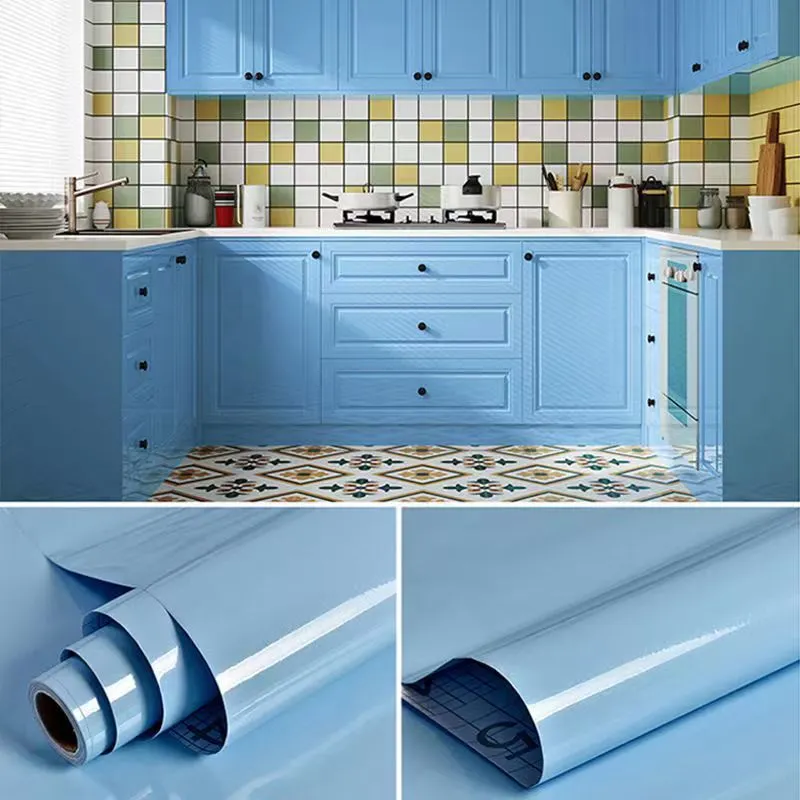
Key idea: Production capacity and unit cost are not decided by one machine alone. The real bottleneck is often calender stability, cooling efficiency, embossing/printing speed, and slitting changeover time.
“PVC film” includes multiple categories—each with different thickness windows, surface requirements, and downstream converting needs. In practice, a modern factory benefits from full-process integration: calendering → surface finishing → printing/lamination (optional) → slitting → packaging.
• Transparent / frosted / embossed / pearlescent
• Color, anti-static, self-adhesive
• Single-layer or multi-layer composites
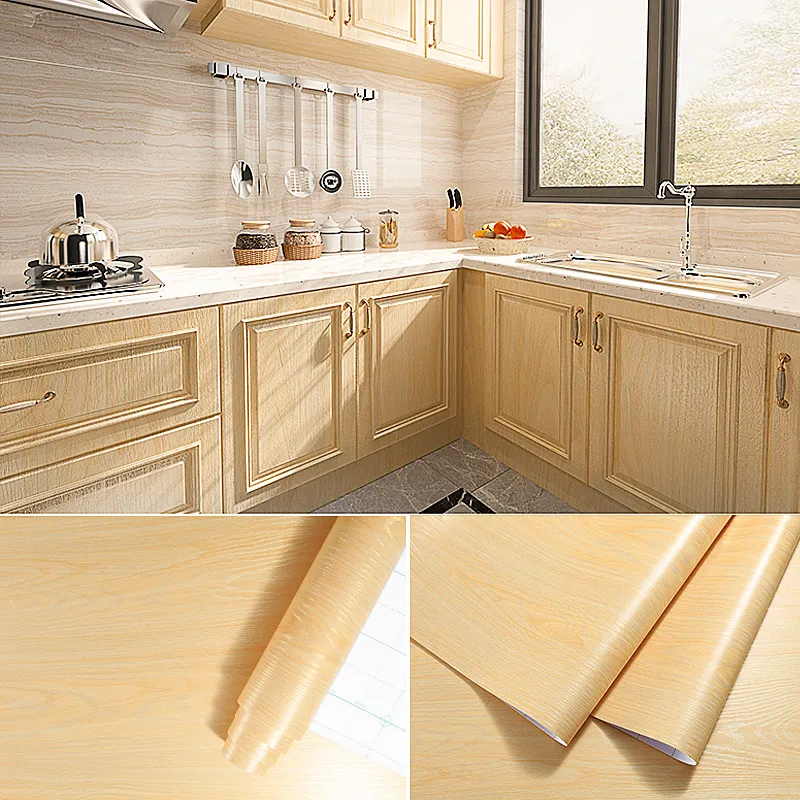
• Decorative: wood grain, stone, cloth, metal, 3D textures
• Furniture panels & cabinet doors
• Wall/ceiling decoration & partitions
• Electronics & appliance surface protection
• Advertising backdrops & lightbox film
• Medical/cleanroom packaging and protective layers
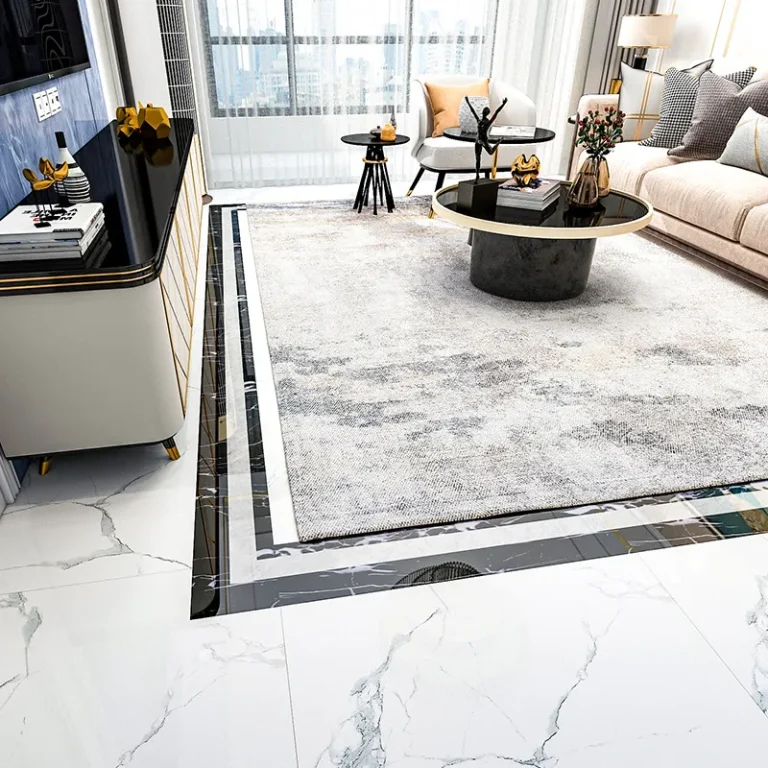
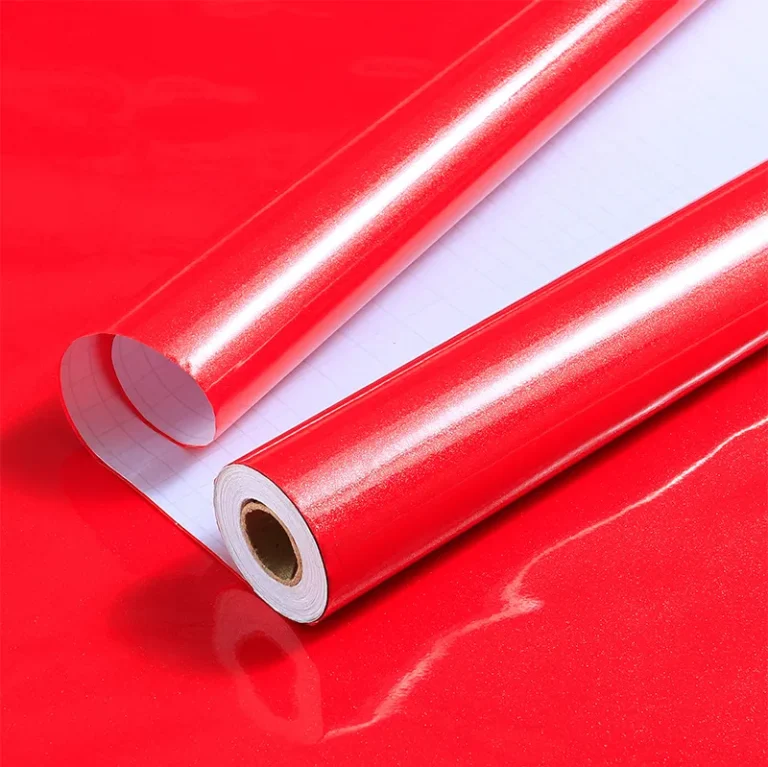
If you are comparing product ranges, you can review examples such as Calendered Film, decorative Wood Grain Film, or architectural Floor Film to understand thickness, surface, and performance targets.
A standard PVC film workflow is engineered around consistent melt quality, controlled thickness, stable tension, and clean handling. Below is the process most factories use for decorative and industrial calendered PVC films.
The base is PVC resin plus plasticizer (for flexible grades), stabilizers, lubricants, fillers, pigments, and functional additives (anti-static, anti-fog, etc.). Mixing quality directly affects:
gel formation, color uniformity, odor, and long-run calender stability.
Checklist ✓
• Control batch temperature rise to prevent early plasticizer loss
• Ensure pigments are dispersed before feeding to the next stage
• Keep raw-material traceability for consistent film appearance and compliance
Compounding creates a uniform melt and supplies a stable sheet or melt bank to the calender. Temperature zones, screw design, and venting matter because PVC is sensitive to overheating. Good plasticizing improves gloss consistency, haze control, and mechanical strength.
Calendering is the heart of many PVC film factories. Multiple heated rolls press the material into a precise thickness and width. Key targets include:
thickness tolerance, edge quality, flatness, and stable gauge across the web.
Calender instability creates scrap: edge trim waste, thickness out-of-spec rolls, surface marks, and frequent stops. In many plants, improving calender stability delivers a bigger unit-cost reduction than simply increasing line speed.
Glossy or matte control can be managed through roll polishing, embossing patterns, and controlled cooling. Decorative markets often demand stable color + repeatable textures.
Cooling must be uniform to avoid waviness and shrinkage differences. Edge trimming sets the sellable width and improves roll build. Many lines add thickness measurement and defect inspection to control quality in real time, reducing rework.
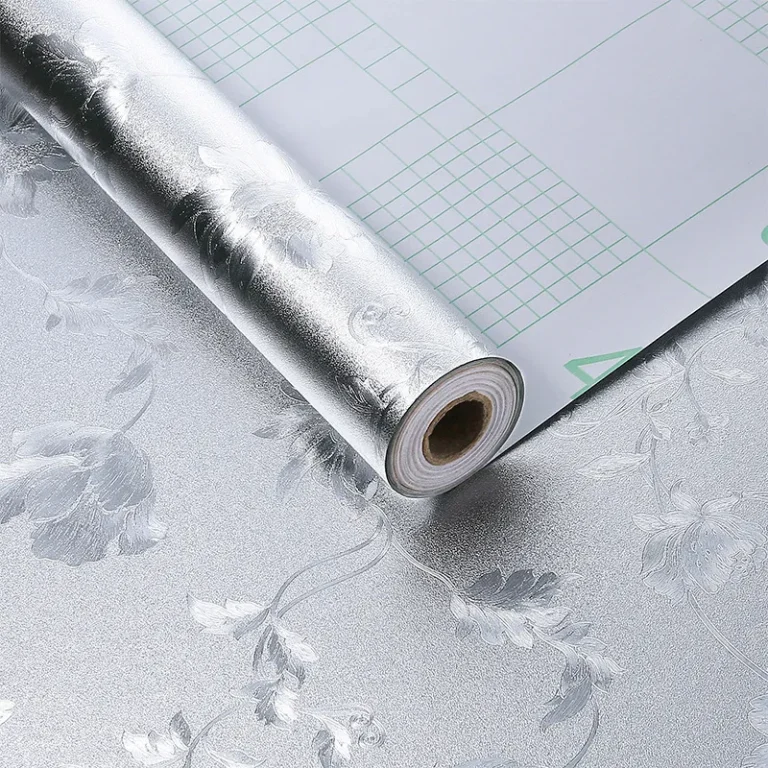
Decorative films commonly add embossing (texture), printing (patterns), and coatings (anti-static, anti-fog, protective). If you target premium decorative SKUs—like silk textures or deep 3D relief—evaluate the compatibility of textures with downstream vacuum pressing, lamination, or adhesive layers.
For reference, see a decorative example such as 3D Silk Texture Film.
• Surface energy and cleanliness influence ink adhesion and color density
• Tension control affects registration stability and reduces banding
• Consistent curing/drying prevents odor retention and blocking in the roll
Finished jumbo rolls are slit to customer widths and rewound with controlled tension for clean edges and stable roll hardness. Professional packaging (dust-proof PE wrap or kraft paper, labeled specs) reduces shipping claims and protects optical surfaces—especially for glossy decorative films and clear films.
A complete line can be configured in different levels—from calender-only output to fully integrated decorative film manufacturing. Below is a practical “equipment map” and what each part controls.
Equipment map (from upstream to downstream)
1) Raw material storage + dosing
2) High-speed mixer + cooler (mixing system)
3) Compounding / feeding unit (plasticizing & melt stability)
4) Calender stack (gauge, surface base, width)
5) Cooling rolls + edge trim + thickness/defect inspection
6) Embossing / laminating / printing modules (optional)
7) Winder + slitter rewinder (final dimensions)
8) Packaging & labeling (export readiness)
When comparing suppliers or planning a new line, focus on roll rigidity, temperature control, and long-run stability. These determine whether you can hold tight tolerances at speed without defects.
The best configuration depends on the product mix: transparent film typically requires stricter contamination control; embossed decorative film requires texture repeatability and clean release.
Many profitable SKUs are surface-driven: wood grain, marble, brushed metal, matte soft-touch, self-adhesive. If you plan to serve cabinetry, wall panels, skirting, or flooring accessories, a converting-friendly film improves downstream processing and reduces customer complaints.
For instance, architectural accessories can include PVC Skirting Film where consistent color matching and abrasion resistance matter.
Capacity is usually reported as “kg/hour” or “tons/day,” but real output must consider thickness range, width, pattern changes, and downtime. The same line may run dramatically different tonnage between a thick matte decorative film and a thin transparent protective film.
• Film width (effective sellable width after trimming)
• Thickness (and allowable tolerance)
• Line speed (limited by calender stability + cooling)
• Pattern/roll changes (setup time, cleaning, color switching)
• Yield (scrap rate and rework)
Use “nameplate capacity” for equipment comparison, but budget with effective capacity after planned downtime. For multi-SKU decorative production, effective capacity may be closer to 60–85% of nameplate depending on changeover frequency.
Capacity risk marker ⚠
If a line is quoted at high speed but lacks adequate cooling length, tension control, or stable winding, you may see frequent stops, blocking, telescoping rolls, or surface marks—reducing sellable output.
Cost evaluation should separate CAPEX (equipment + installation) from OPEX (raw materials + energy + labor + maintenance + scrap). Buyers often focus on machine price, but long-term profitability is usually driven by yield, product stability, and how quickly you can switch between customer specifications.
Equipment packages vary, but typical capital cost items include: calender stack, compounding and feeding system, chill/cooling section, embossing/printing modules, slitters/rewinders, dust-control and material handling, and quality inspection instruments.
What increases equipment cost (but can lower unit cost later)
• Better roll temperature control and automation (more stable thickness)
• Online thickness/defect inspection (less scrap shipped to customers)
• High-performance slitting and winding (fewer returns from edge defects)
For most PVC film producers, the largest ongoing cost is raw material, followed by energy and labor. However, the most “hidden” cost is often quality loss: scrap, downgrade rolls, claims, and delays. A factory with full-process control—calendering, printing, and slitting/packaging under one roof—can reduce handoffs and stabilize delivery.
• Scrap rate (%) by product category
• Changeover time per SKU
• Electricity per kg (trend, not only absolute)
• Customer return rate and root causes
• Yield loss from edge trim and thickness deviation
Decorative and functional films can carry higher value: stable color matching, repeatable texture, clean optics, and compliance documentation (REACH/RoHS/FDA) improve acceptance in furniture, building, and consumer markets.
PVC film buyers judge quality by what they can see (color, gloss, texture) and what they experience later (adhesion, durability, odor, shrinkage, and consistency across batches). A robust QC system usually covers:
QC points ✓
• Incoming raw material inspection + batch traceability
• Thickness checks (center-to-edge profile) and width tolerance
• Surface defects: gels, pinholes, streaks, embossing marks, contamination
• Mechanical properties: tensile, elongation, tear resistance (as required)
• Functional tests: anti-static level, coating performance, adhesion (if laminated/printed)
For buyers who need documentation and consistent export-grade packaging, it helps to work with a supplier experienced in multiple regions and standards.
If you need specs, sampling, or quotation workflows, visit the Contact page or review technical reading in Knowledge.
The “best” PVC film production line is the one aligned with your target products and customers. A factory aiming at high-volume protective film might prioritize uptime and gauge control; a decorative film producer might prioritize printing accuracy, embossing consistency, and quick color/pattern switching.
• If customers demand many SKUs in small batches, invest in fast changeover + stable slitting/rewinding.
• If customers demand premium surfaces, invest in embossing/printing stability + clean handling.
• If compliance is critical, prioritize standardized QC + documentation readiness.
In real procurement, speed and consistency are as important as price. OEM/ODM services typically cover customization of thickness, width, roll length, surface finish (gloss/matte/embossed), functional coatings (anti-static, anti-fog), patterns, and packaging labels. The strongest operations shorten lead time by controlling the full workflow from raw materials through printing and final slitting/packaging.
What to provide for a fast quotation ⏱
• Film type (decorative/transparent/embossed/self-adhesive)
• Thickness, width, roll length, target application
• Surface finish and pattern reference (if any)
• Quantity, destination, and preferred packaging
Calendered PVC film is formed by passing plasticized material through heated rolls to achieve controlled thickness and surface. It is widely used for decorative and industrial films because it offers stable width, good surface finish, and scalable production.
Start with width, thickness, and stable running speed, then subtract planned downtime for changeovers and maintenance. For multi-SKU decorative production, budgeting with 60–85% of nameplate capacity is often more realistic than headline figures.
Raw materials are usually the largest cost component, but scrap rate, downtime, and quality claims can dominate profitability. Better process stability, inspection, and winding/slitting quality often reduce total cost more than chasing maximum speed.
Yes. Common customization includes thickness/width/roll length, gloss or matte, embossing textures, printed patterns, anti-static or anti-fog treatments, self-adhesive options, and export-grade packaging with specification labels.
Improve formulation consistency and mixing, maintain stable plasticizing temperatures, keep calender rolls clean with controlled temperature, ensure adequate cooling, and use proper tension control during winding and slitting.