Address
304 North Cardinal St.
Dorchester Center, MA 02124
Work Hours
Monday to Friday: 7AM - 7PM
Weekend: 10AM - 5PM
Address
304 North Cardinal St.
Dorchester Center, MA 02124
Work Hours
Monday to Friday: 7AM - 7PM
Weekend: 10AM - 5PM


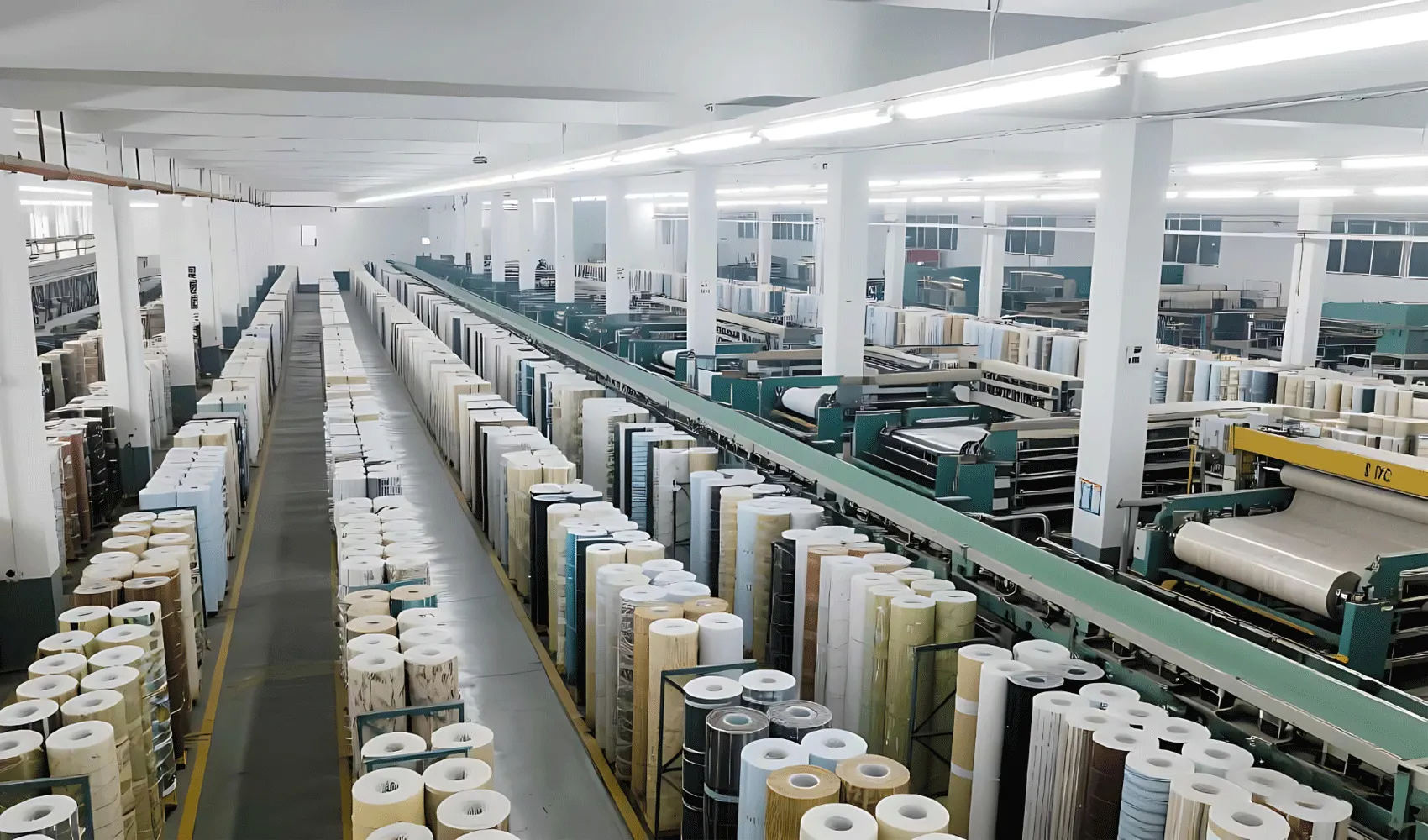
PVC film prices are shaped by a fast-moving mix of resin costs, energy and logistics, processing choices, and end-use demand from furniture, construction, electronics, advertising, medical, and home décor. For buyers who source globally, “price” is rarely a single number—it’s a combination of specification, performance targets, compliance, lead time, and risk control. This guide breaks down current market trends, the key cost drivers behind quotations, and practical forecast insights to help you plan purchases with fewer surprises.

✔ Quick takeaway:
The biggest swing factors are PVC resin (K-value & grade), plasticizer package,
calendering/printing & surface effects, and freight + lead time.
Standardizing specs and confirming compliance early can reduce total landed cost more than chasing the lowest ex-works quote.
The PVC film market typically follows broader PVC resin and energy cycles, but with added volatility from downstream sectors like interior renovation and consumer goods packaging. In many regions, buyers are balancing short-term price opportunities against the risk of sudden freight spikes, currency moves, or regulatory changes.
Demand has remained resilient in applications that improve surface aesthetics and durability—especially wood grain, marble, solid color, soft-touch, and
self-adhesive solutions used in cabinets, wall panels, doors, and retail display systems. When consumers renovate on a budget, decorative PVC films can substitute for more expensive natural materials while maintaining a premium look.
Kitchen cabinets, wardrobes, doors, and wall panels drive stable volume. Texture and color matching often matter more than saving a few cents per square meter.
Projects are sensitive to schedule. Buyers pay for consistency, batch stability, and packaging that prevents dust/creases in transit.
Anti-static, protective, and insulation films tend to carry higher value due to tighter QC and functional additives.
Suppliers face fluctuating input costs (resin, plasticizers, stabilizers, inks), and compliance expectations are rising. Films described as “free of heavy metals and phthalates” or designed to meet standards such as REACH/RoHS/FDA usually involve stricter raw material screening and documentation—factors that can add cost but reduce downstream risk.
For international buyers, freight can become the difference between a “cheap” and a “competitive” offer. Besides ocean rates, the practical price impact also includes port congestion risk, customs requirements, and packaging robustness. A quote with stable lead time and export-ready packing often reduces total landed cost by preventing rework, rejects, and production downtime.
PVC film is not priced like a commodity sheet alone. A small change in thickness tolerance, emboss depth, adhesive system, or printing coverage can materially change the cost structure. Below are the most common levers behind supplier quotations.
The primary cost driver is PVC resin. Resin choice (including K-value/viscosity grade) affects processing stability, clarity, and mechanical performance. Next is the plasticizer package (for flexible films), which influences softness, cold resistance, and long-term migration behavior. Stabilizers and functional additives (anti-static, anti-fog, UV resistance) add additional cost but can be essential for performance and regulatory targets.
⚑ Buyer tip:
If your application allows it, align with the supplier on an approved raw-material matrix (resin + plasticizer + stabilizer options).
This enables faster re-quoting when the market changes without revalidating the entire product.
Production method matters. Calendered film generally offers high throughput and consistent thickness; complex surfaces and multi-layer constructions increase processing steps and scrap risk. If you are sourcing
calendered film,
pricing will depend heavily on thickness, width, roll weight, and tolerance requirements.
Printing (wood grain, marble, textile patterns) adds ink cost, cylinder/plate cost, color matching labor, and QC time. Laminations, primers, topcoats, or special tactile layers (e.g., soft-touch) further increase material and line time. These upgrades typically raise unit price but can lower total cost by improving wear resistance, cleanability, and customer satisfaction.
Two films of identical thickness can have very different prices due to design and finishing. For example, a high-fidelity tactile décor surface such as
3D silk texture film
usually carries extra cost from emboss tooling, pattern alignment, and tighter appearance standards under showroom lighting.
Similarly, classic décor categories like
wood grain film
can vary widely based on print layers, pore alignment (synchronized emboss), stain gradients, and whether the surface is designed for thermoforming, wrapping, or flat lamination.
Export orders often require individual roll protection (dust-proof PE wrap or kraft paper), clear spec labels, edge protection, and palletization. Better packaging may slightly increase ex-factory cost, but it can prevent edge damage, telescoping, and contamination—issues that can be far more expensive once the film reaches your laminator or press.
Comparing quotes is difficult when suppliers assume different baselines. To avoid “apples to oranges,” confirm the commercial terms and the technical assumptions behind the price.
Minimum order quantity varies with film type and customization. If you are developing a new décor series, paying slightly more for a controlled trial can be cheaper than scaling too early and discovering mismatch in gloss, emboss feel, or adhesion behavior. A well-managed sampling stage also speeds up mass production by locking critical parameters.
No forecast is perfect, but you can build a practical view by monitoring a few leading indicators and linking them to your specification risk.
Resin price movements and plant utilization rates typically flow into film pricing with a short lag.
Calendering and coating are energy-intensive; electricity and fuel volatility can affect conversion costs.
Ocean rate swings and schedule reliability often change landed costs faster than raw materials.
Instead of trying to “predict the price,” many procurement teams plan around scenarios:
(1) stable resin + stable freight,
(2) resin up-cycle,
(3) freight disruption.
Then they decide how much volume to lock via longer contracts vs. short rolling orders.
💡 Practical forecast rule:
If your film is highly customized (unique emboss, special topcoat, strict color matching),
lock supply earlier because switching costs are high. If your film is standardized, keep flexibility and benchmark more frequently.
Cutting price is easy—cutting total cost is harder. The best savings often come from specification alignment, production efficiency, and reducing quality risk.
If you use multiple décor films across product lines, unify core parameters such as thickness, roll width, and core size. Standardization helps suppliers plan production, reduces set-up time, and may unlock better pricing. Keep customization focused on what customers truly see or touch: pattern, gloss, emboss feel, and durability.
Not every surface needs maximum abrasion resistance or premium tactile layers. For example, high-traffic flooring surfaces justify stronger wear layers and functional coatings, while vertical wall décor may prioritize color uniformity and easy cleaning. If your project involves flooring surfaces, comparing specifications for
floor film
can help you balance durability requirements with budget.
Total cost rises quickly when customers experience edge cracks, poor adhesion, telescoping rolls, or inconsistent thickness. Request stable batch control, traceability, and clear storage guidelines (temperature, humidity, standing vs. lying rolls). A slightly higher film price can be justified if it cuts your internal scrap rate.
Price stability depends on manufacturing control. Suppliers with integrated processes—calendering, printing, and slitting/packing—can reduce handoffs, shorten lead times, and manage quality more consistently. This often translates into fewer disputes, more predictable deliveries, and better responsiveness when markets move.
If you want to review broader technical guidance and buying considerations, visiting a supplier’s knowledge center can help align vocabulary and testing methods across teams; see
Knowledge.
For project-specific inquiries, the fastest way to get a workable quote is to submit your spec sheet and target application details through
Contact.
Many “price problems” are actually specification gaps. Avoid the most frequent pitfalls below.
Two 0.18 mm films can differ in resin grade, plasticizer system, emboss tooling, and coating layers—leading to different lifetime performance and costs.
Without agreed appearance criteria, you risk disputes over specks, gloss variation, color shift, or emboss inconsistency.
Heat, pressure, and humidity can deform rolls. Export-grade packaging and handling instructions protect your usable yield.
The main drivers are PVC resin and additive costs, energy, and freight. Prices also shift with demand from furniture, construction, and packaging, plus currency fluctuations for cross-border trade.
Thickness tolerance, width/roll length, emboss/texture complexity, printing coverage and color matching, coatings (matte, wear, soft-touch), and whether the film is self-adhesive or needs functional additives like anti-static.
Not usually. A slightly higher unit price can reduce total cost if it improves yield, reduces defects, ensures compliance documentation, and provides stable lead time and packaging that prevents shipping damage.
Share your application, thickness/width/roll size, surface (gloss/matte/emboss), pattern or color reference, compliance requirements, target quantity, and delivery terms (EXW/FOB/CIF). Include packaging requirements and your acceptance criteria for appearance.
Use scenario planning and split purchasing: lock part of the volume for customized films with long validation cycles, and keep flexibility for standardized items. Benchmark regularly and standardize core specs to increase supplier efficiency.