Address
304 North Cardinal St.
Dorchester Center, MA 02124
Work Hours
Monday to Friday: 7AM - 7PM
Weekend: 10AM - 5PM
Address
304 North Cardinal St.
Dorchester Center, MA 02124
Work Hours
Monday to Friday: 7AM - 7PM
Weekend: 10AM - 5PM


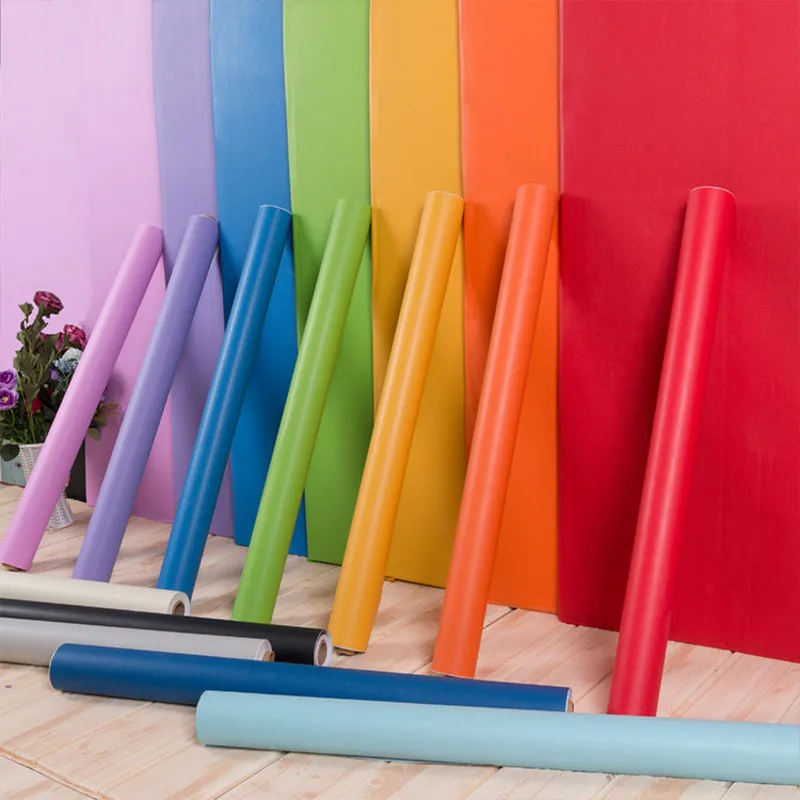
The PVC film market continues to move quickly as manufacturers and buyers respond to shifting raw-material costs, evolving décor tastes, and tighter compliance expectations. This “PVC Film News” update consolidates what matters most right now: the latest market trends, price drivers, and practical industry developments—from calendering capacity and surface innovation to export packaging and lead-time strategies.
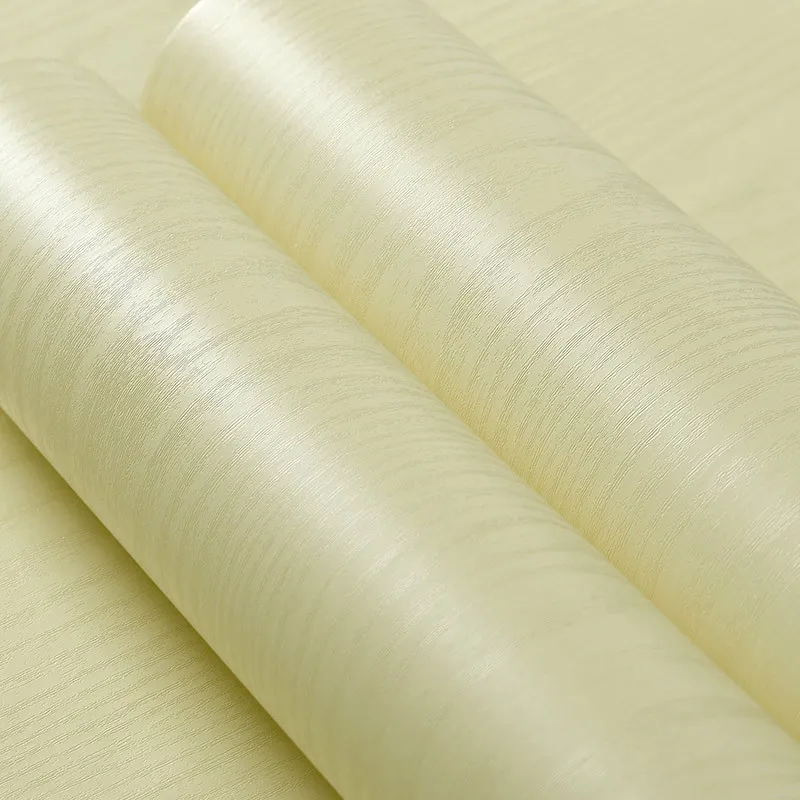
Key takeaway:
PVC film demand is being pulled by interior renovation, cost-sensitive substitution for laminates, and functional upgrades (anti-static, anti-fog, easy-clean). Pricing remains sensitive to resin and plasticizer dynamics, while buyers increasingly prioritize stable delivery, batch consistency, and compliance documentation.
Across furniture, construction, and home-improvement channels, PVC film remains a preferred surface material because it balances aesthetics, durability, and scalable production. Demand growth is strongest in decorative categories that deliver a “finished look” with minimal post-processing—especially wood grain, marble, textile-like textures, and matte soft-touch finishes.
Decorative PVC film demand is increasingly renovation-led rather than purely new-build-led. This shifts product priorities: easy application, consistent lot-to-lot color, and surfaces that can hide minor substrate imperfections matter as much as the pattern itself. In furniture and wall panel projects, stable gloss and emboss uniformity help reduce rejection rates during lamination and wrapping.
Calendered PVC film remains the backbone of high-throughput supply because it delivers reliable thickness control and scalable volume. For a product reference, see
Calendered Film,
commonly used across decorative and industrial applications where stable mechanical properties and consistent surface performance are required.
PVC film pricing is rarely “one variable.” Buyers typically see changes because multiple inputs move at once: resin and plasticizers, energy, logistics, and the complexity of printing/embossing. Even when resin prices stabilize, special effects (pearlescent, metallic looks, deep embossing) can push conversion costs higher.
A PVC film quote is only comparable when the technical baseline is aligned. Procurement should confirm thickness, width, roll length, surface finish (gloss/matte/soft-touch), printing layers, emboss type, and any functional treatment. If you compare a premium embossed film against a basic plain film without aligning conversion steps, the result is a misleading benchmark.
Tip for buyers:
When budgeting for new patterns, request a sample + a pilot roll before locking volume pricing. The pilot run verifies lamination behavior, scratch resistance expectations, and whether the emboss-to-print registration meets your product’s look-and-feel standard.
In 2026, “good-looking film” is not enough. Customers want predictable performance across batches, traceability, and safety alignment for indoor use. This is pushing manufacturers to strengthen process control—from raw-material inspection through calendering/printing to slitting and final packaging.
Functional PVC films are expanding beyond niche uses. Anti-static films support electronics and appliance assembly environments. Easy-clean and oil-resistant surfaces are increasingly requested for kitchen panels and cabinet wraps. As a result, technical discussions now commonly include coating durability, cleaning chemical resistance, and long-term color stability under indoor lighting.
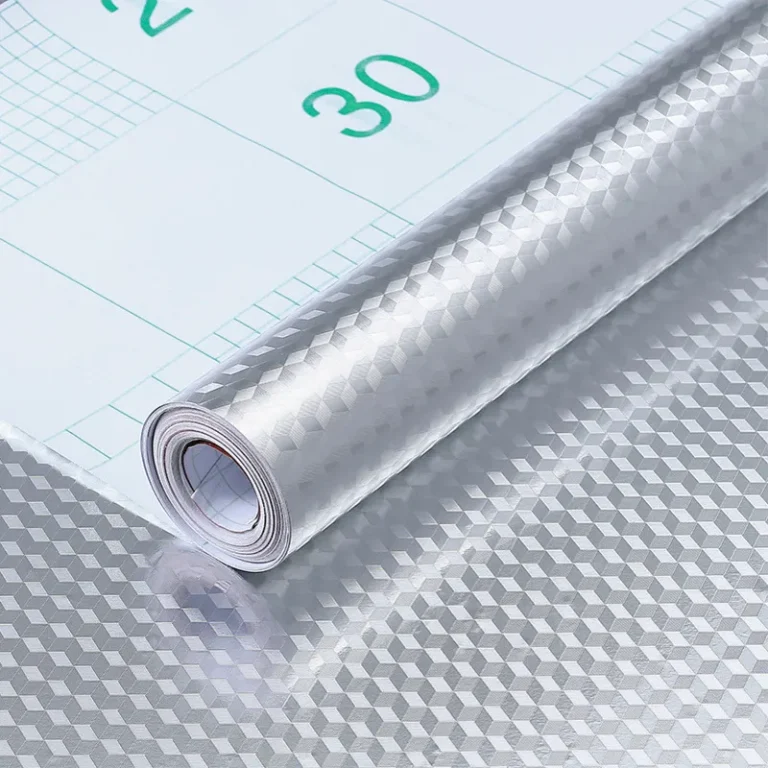
Interior brands and furniture factories are asking for stronger tactile differentiation—fabric-like, silk-like, and deeper embossed looks that mimic natural materials. A representative option is
3D Silk Texture Film,
which aims to elevate perceived quality while keeping production compatible with industrial lamination workflows.
Buyers increasingly request documentation related to indoor safety and environmental compliance. Typical frameworks include ISO quality systems, and chemical compliance requirements such as REACH and RoHS, with some projects aligning to FDA-related requirements for specific contact scenarios. For manufacturers, this means tighter control over inks, additives, and batch traceability—plus readiness to provide third-party reports when requested.
Product selection is increasingly driven by application-specific performance, not only appearance. Below are categories gaining momentum in furniture, wall systems, and flooring-related projects.
Wood grain remains a core volume driver due to its broad styling range (light oak, walnut, ash, deep tones) and strong compatibility with modern minimalist interiors. For reference:
Wood Grain Film.
Marble / stone visuals continue to grow in wall panels, partitions, and retail fixtures, where consistent pattern repeat and low maintenance are valued. For reference:
Marble Film.
Solid colors + ultra-matte are increasingly specified for wardrobes, doors, and office furniture, reflecting a shift toward calm, contemporary palettes that photograph well in e-commerce listings and project brochures.
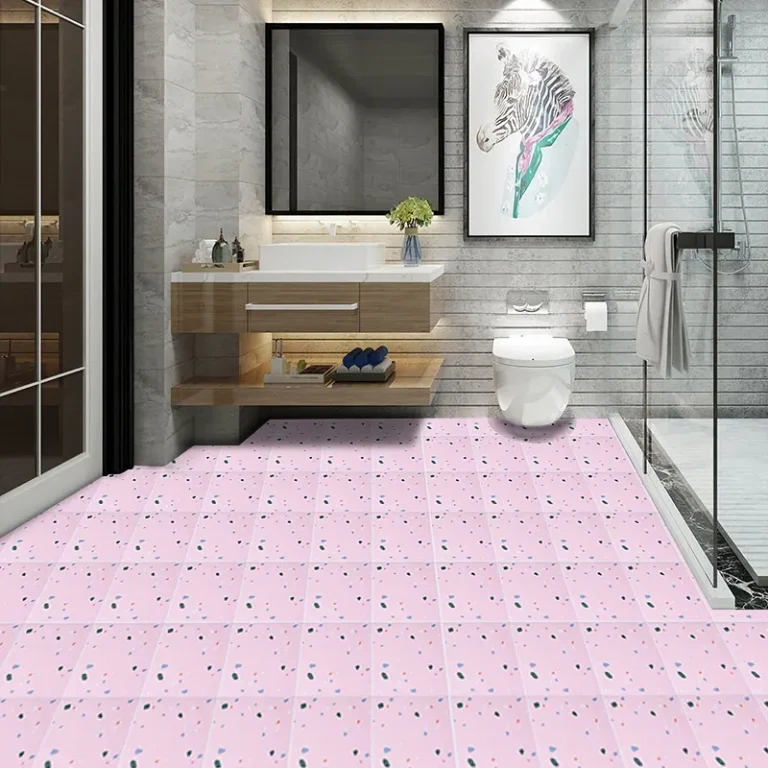
In floor applications and protective surface layers, demand concentrates on wear resistance, dimensional stability, and easy maintenance. For a product example used in flooring contexts, see
Floor Film.
Buyers often request clear documentation on abrasion expectations and suitability for high-traffic areas.
Lead time is shaped by both production scheduling and the “hidden” steps: color approval cycles, cylinder readiness for printing, emboss compatibility, and final slitting/packaging capacity. In export business, packing integrity and moisture control are also essential to keep rolls in top condition through long transit routes.
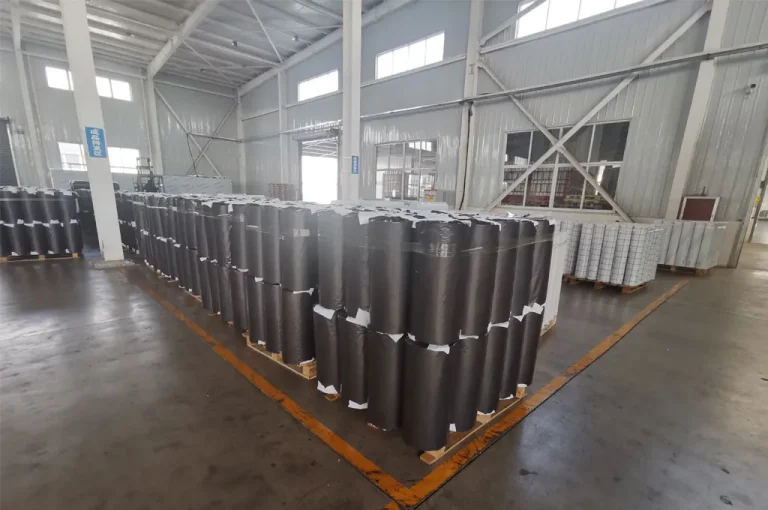
Manufacturers with integrated calendering, printing, and slitting/packaging can often respond faster to specification changes and reduce handover-related defects. Full-process capability also helps stabilize quality because critical parameters are controlled within one system—from raw material selection to final roll labeling and protective wrapping.
Selecting the “right” PVC film is primarily about aligning the film’s mechanical and surface properties with the application environment. A visually perfect film can still fail if it mismatches adhesive, substrate, or temperature conditions during pressing.
As brand owners differentiate through unique patterns and signature textures, OEM/ODM collaboration is more than “printing a new design.” It includes thickness and width optimization, surface treatment selection, packaging customization, and consistent output across repeat orders. The best results come when the buyer shares end-use details (substrate type, lamination method, temperature range, cleaning chemicals) at the start of development.
Provide product type, thickness, width, roll length, finish (gloss/matte/emboss/soft-touch), color/pattern reference, target quantity, and your application method (wrapping, vacuum pressing, flat lamination).
If you have compliance needs, specify them upfront (for example: REACH/RoHS expectations, indoor use requirements, or special coatings such as anti-static).
Over the next quarters, competitive advantage in PVC film will come from operational reliability and surface innovation: faster pattern development, tighter QC, and better control of gloss/emboss uniformity. On the commercial side, buyers will continue to balance cost with risk—favoring partners who can prove consistency, meet delivery promises, and provide export-ready packaging.
In short:
Expect continued momentum in matte premium surfaces, tactile textures, and functional coatings, while procurement teams sharpen focus on compliance and repeatability.
PVC film is a thin sheet made from polyvinyl chloride, used for decorative, industrial, and packaging purposes. It’s popular because it offers strong design flexibility (colors, patterns, embossing) and reliable performance for large-scale manufacturing.
Common options include calendered decorative films such as wood grain, marble/stone, solid colors, glossy, matte, embossed, soft-touch, transparent, and self-adhesive films—selected based on the desired look and the lamination/wrapping process.
Yes. OEM/ODM customization can cover thickness, width, roll size, color and pattern, embossing, and functional treatments (such as anti-static or easy-clean coatings), plus tailored packaging and labeling for export.
Lead time is affected by order size, customization complexity (printing/embossing/coatings), color approval cycles, production scheduling, and export logistics. Using standard specs and approving samples quickly can significantly reduce delays.
Confirm key specs (thickness tolerance, gloss range, emboss type), request batch traceability, keep a reference sample/roll, and align test methods for adhesion and scratch resistance with your real application conditions.