Address
304 North Cardinal St.
Dorchester Center, MA 02124
Work Hours
Monday to Friday: 7AM - 7PM
Weekend: 10AM - 5PM
Address
304 North Cardinal St.
Dorchester Center, MA 02124
Work Hours
Monday to Friday: 7AM - 7PM
Weekend: 10AM - 5PM



PVC film is one of the most versatile surface and functional materials used today—powering everything from furniture wrapping and interior decoration to electronics protection, medical cleanroom packaging, and advertising graphics. To achieve consistent appearance, stable thickness, strong adhesion, and reliable safety performance, manufacturers must treat PVC film production as a controlled, step-by-step system rather than a single machine operation.
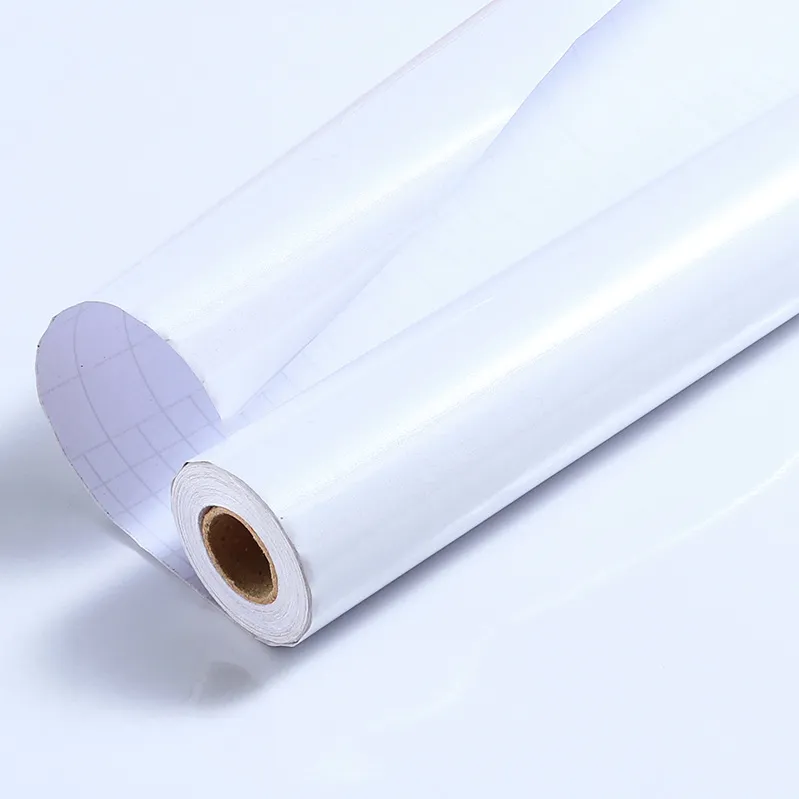
This guide explains the PVC film manufacturing process from raw materials to finished rolls, focusing on production methods (especially calendering), essential equipment, and practical quality control checkpoints. The workflow described aligns with full-process production capabilities—calendering, printing, slitting, and packaging—commonly used to deliver decorative and industrial PVC films at scale.
PVC film is a thin sheet made from polyvinyl chloride resin plus additives. Depending on formulation and finishing, it can be flexible, semi-rigid, transparent, matte, embossed, pearlescent, anti-static, self-adhesive, or engineered for specific surfaces.
Common product families include calendered decorative films (wood grain, stone, metal, cloth texture), transparent protective films, soft-touch films, flooring wear layers, and functional films for insulation or anti-static requirements.
If you are exploring product options, a representative category is Calendered Film, widely used for furniture, wall panels, doors, and industrial laminations.
Industrial PVC film is commonly produced by calendering or by extrusion/casting. The best method depends on thickness range, surface requirements, output volume, and cost targets.
In calendering, a hot PVC compound is fed through multiple heated rollers to form a uniform sheet. It excels at surface finish control (gloss/matte/emboss), high output, and stable thickness for decorative applications.
Typical downstream steps include embossing, printing, coating (optional), cooling, edge trimming, slitting, and roll packaging.
Extrusion pushes molten PVC through a die; casting can produce smooth films with good clarity depending on equipment and formulation. This route may suit certain transparent or functional films, but decorative films often prefer calendering because it integrates embossing and surface control efficiently.
A stable film starts with a stable formulation. Manufacturers select PVC resin (K-value/viscosity), plasticizers (for flexible grades), stabilizers, lubricants, fillers, pigments, and functional additives (anti-static, anti-fog, UV resistance). For indoor decorative films and human-contact applications, it’s common to emphasize low-toxicity inks and additive packages and control restricted substances.
QC checkpoint ✔ Verify incoming resin/additives with COA, lot traceability, and restricted substance screening (e.g., heavy metals/phthalates) aligned with ISO systems and target markets.
Raw materials are weighed and blended in high-speed mixers. Mixing must be precise to avoid color deviation, gel formation, or inconsistent plasticization. The objective is a homogeneous dry blend (or pre-compounded pellets, depending on the plant setup).
The blended compound is plasticized using a kneader, internal mixer, or extruder section before calendering. Proper plasticization determines final film clarity, surface smoothness, and mechanical performance.
Common risk ⚠ Overheating can cause PVC degradation (discoloration, odor, brittleness). Under-plasticization can cause gels, streaks, or weak spots.
Practical control points: melt temperature profile, torque/pressure stability, and filtration where applicable.
In the calender line, the hot compound passes through multiple heated rollers (often 3–5 rolls). The roller gap, temperature, and speed define film thickness, smoothness, and internal stress. This is the core step for decorative PVC films and many industrial grades.
Many decorative films gain their signature “feel” through embossing rollers and surface tuning. Texture depth, repeat accuracy, and gloss level must remain consistent across the roll and between batches—especially for cabinet doors, wall panels, and interior profiles.
For high-end tactile finishes, products like 3D Silk Texture Film showcase how controlled emboss and surface formulation can create premium, fabric-like touch while remaining durable for daily use.
QC checkpoint ✔ Measure gloss (GU), texture depth, and visual uniformity under standardized lighting. Record master panels for color/texture matching.
For wood grain, marble, stone, metal, and artistic patterns, printing turns base film into a market-ready decorative surface. Gravure printing is common for detailed patterns and stable color registration. Ink selection matters for indoor safety and durability, and the printing process must align with the downstream lamination/pressing conditions used by customers.
Example product categories include Wood Grain Film and Marble Film, where consistent color tone and pattern repeat are essential for panel-to-panel harmony in large installations.
Depending on end-use, films may receive coatings or treatments such as anti-static, anti-fog, scratch resistance, stain resistance, food-grade surface layers, or primer layers to improve adhesion in lamination. The selection should be driven by the customer’s bonding method (hot press, vacuum membrane press, adhesive lamination) and the environment (kitchen oils, humidity, temperature cycles).
Practical tip ➤ If your buyers run high-speed laminators, prioritize stable coefficient of friction (COF) and consistent surface energy to reduce wrinkling and misfeeds.
After forming/printing/coating, the web passes through cooling rolls and may require controlled curing time depending on inks/coatings. Dimensional stabilization is crucial for avoiding curl, shrinkage, or later deformation during hot pressing and installation.
Customers rarely use jumbo rolls directly. Slitting converts master rolls into application-ready widths and lengths, with consistent edges and roll tightness. This is also where OEM orders typically define their packaging label information, barcodes, and roll identifiers for warehouse handling.
QC checkpoint ✔ Inspect slit edge quality (no burrs), width tolerance, roll face alignment, and winding tension profiles.
For profiles and trim applications, consistent slit accuracy is especially important (e.g., skirting boards and interior trims).
Final rolls are typically wrapped individually using dust-proof PE film or kraft paper, then labeled with specifications to support batch traceability and on-site verification. Export shipments often add moisture protection, corner guards, pallet stability, and impact-resistant packing to reduce transit damage.
Consistent PVC film is not “checked at the end”—it’s built through layered QC at every stage. A robust system combines incoming inspection, in-process monitoring, and final release testing, supported by traceability and corrective actions.
High-performing plants keep detailed records: material lots, mixing parameters, roller temperatures, line speed, tension profiles, ink batches, and operator notes. This “process memory” makes it possible to quickly identify the cause of defects—saving time when customers request repeat orders or when a batch shows unusual behavior in lamination.
Usually caused by unstable calender gaps, temperature fluctuation, tension instability, or uneven plasticization. Prevention includes closed-loop thickness control, stable thermal management, and disciplined start-up procedures.
Often related to incomplete mixing, contamination, or degraded PVC. Prevention includes clean handling, controlled mixing temperature, filtration where applicable, and strict material storage practices.
Linked to pigment dosing variation, resin/additive lot change, or ink variation. Prevention includes master standard panels, spectrophotometer control (ΔE limits), and controlled lot transitions.
Usually stress imbalance from cooling/tension or incompatible formulation. Prevention includes stabilization time, optimized cooling, and customer-process simulation tests.
A full-process manufacturer integrates calendering, printing, and slitting/packaging so quality can be controlled from the first compound blend to the final labeled roll. That integration also helps shorten lead time and reduce overall cost by avoiding multi-supplier handoffs.
OEM PVC film projects typically define thickness, width, roll length, color/pattern, surface finish (gloss/matte/emboss), and optional performance features. Manufacturers convert these requirements into process settings: formulation adjustments, calender temperatures, roller gaps, emboss selection, ink set choice, coating recipe, and slitting plan.
PVC films are chosen not only for aesthetics but also for maintenance convenience and durability. The manufacturing process must reflect the final environment: kitchens demand oil/stain resistance, cleanrooms demand controlled contamination and safe materials, and electronics often require anti-static performance.
Buyers increasingly request documentation for safer chemistry and lower environmental impact. In practice, this pushes manufacturers toward better additive selection, responsible ink systems, improved energy management, and stricter process control to reduce scrap and rework.
Calendered PVC film is formed by passing a hot PVC compound through multiple heated rollers, which provides strong control of thickness and surface finish (gloss, matte, emboss). Other methods like extrusion/casting may be used for certain transparent or functional films depending on requirements.
Yes. OEM/ODM customization commonly includes thickness, width, roll size, color/pattern printing, emboss texture, and optional treatments such as anti-static, anti-fog, glossy/matte, or functional coatings based on the end-use process.
Consistency comes from controlling raw material lots, stable mixing and plasticization, online thickness monitoring during calendering, standardized printing parameters, and final inspection for thickness, color (ΔE), gloss, mechanical strength, and performance tests tied to the customer’s lamination conditions.
Many suppliers offer films designed to meet indoor safety expectations, including restricted substance control and compliance with standards such as REACH and RoHS. Always confirm the required documentation and test reports for your target market and application.
Send the film type, thickness, width, roll length, finish (gloss/matte/emboss), color/pattern references, quantity, and your end-use process (hot press/vacuum press/adhesive lamination). This helps the factory match the correct formulation and process settings from the start.