Address
304 North Cardinal St.
Dorchester Center, MA 02124
Work Hours
Monday to Friday: 7AM - 7PM
Weekend: 10AM - 5PM
Address
304 North Cardinal St.
Dorchester Center, MA 02124
Work Hours
Monday to Friday: 7AM - 7PM
Weekend: 10AM - 5PM


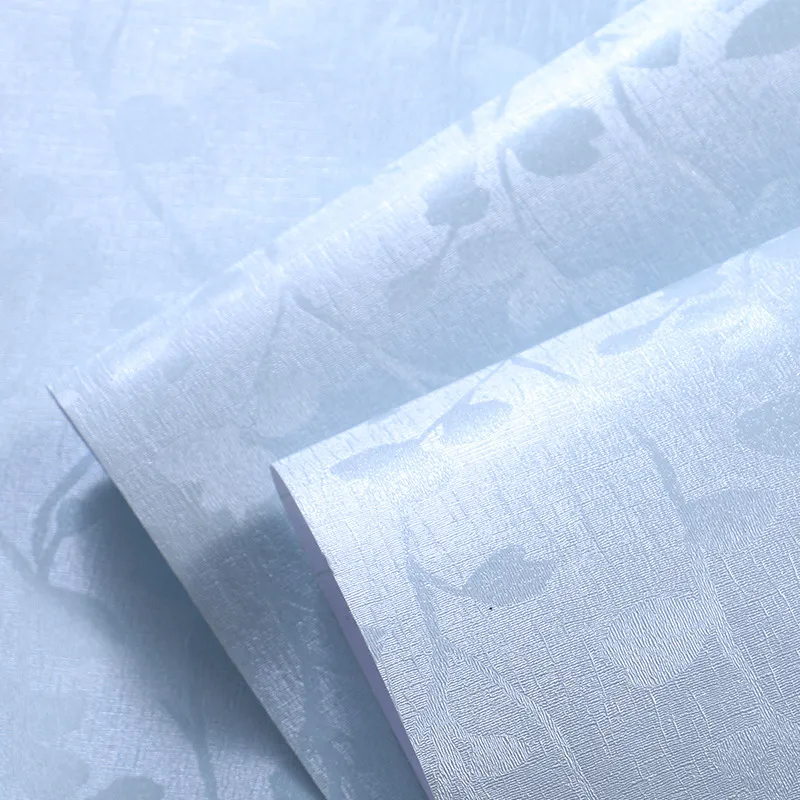
Stone surfaces such as marble, granite, and engineered stone create a premium impression—but real stone is expensive, heavy, and often difficult to refurbish once it is stained, etched, or chipped. PVC film for stone finishes offers a practical alternative: a decorative wrap that replicates realistic stone veining and depth while adding a protective layer that’s easier to clean and faster to install. For furniture makers, interior contractors, and renovation teams, it’s an efficient way to upgrade kitchens, bathrooms, walls, doors, counters, and commercial fixtures without the downtime and dust of stone replacement.
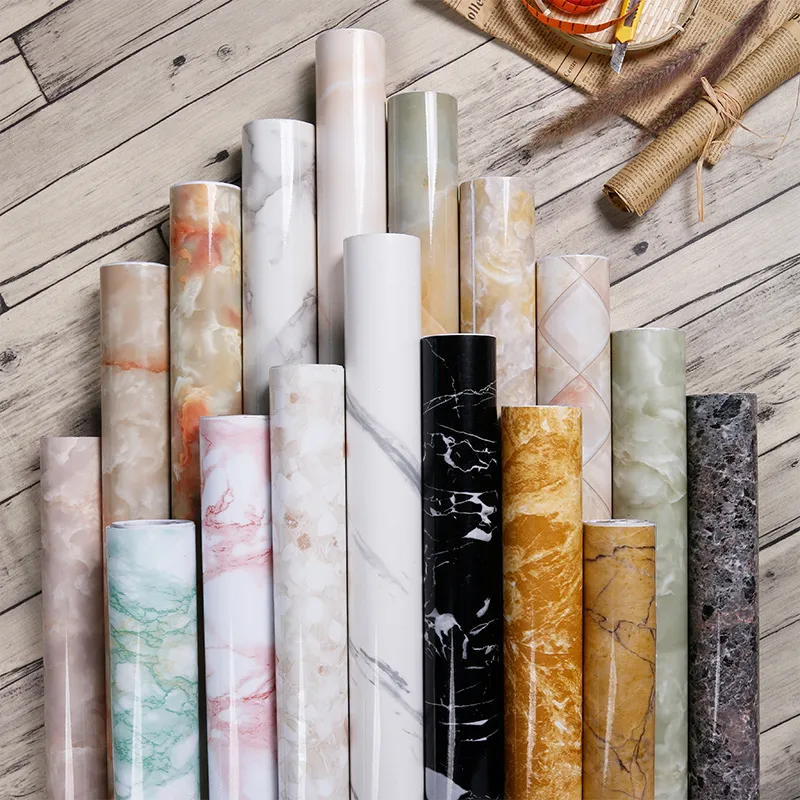
In this guide, you’ll learn how decorative PVC stone films work, where they perform best, how to choose the right surface and thickness, and what to expect during installation and long-term maintenance. When you need stone aesthetics with modern efficiency, durable decorative PVC wraps can deliver consistent results across projects of any scale.
PVC decorative film is a thin, engineered sheet designed to laminate or wrap substrates like MDF, plywood, particle board, aluminum panels, PVC boards, and even existing smooth surfaces. In stone-finish collections, the print layer reproduces marble, granite, travertine, slate, and quartz patterns, while the surface layer can be glossy, matte, embossed, or 3D-textured to mimic the tactile feel of real stone.
✔ Stone-look PVC film is not just “decoration”—it also acts as a protective skin that can improve scratch resistance, stain resistance, and daily cleanability when the correct grade and adhesive system are selected.
Many projects need stone aesthetics, but not stone’s cost, weight, or installation complexity. PVC films give you a controlled, repeatable finish that’s easier to standardize across multiple units—especially in hospitality, retail, offices, and residential renovation.
▶ Multi-unit projects (apartments, hotels), quick retail refits, cabinet facelifts, wall feature panels, elevator interiors, and decorative skirting systems where you want a stone theme without heavy stone fabrication.
Stone-effect PVC films are popular because they cover both classic and contemporary interior styles. You can match warm whites and beige veining for residential calm, or bold black-and-gold veining for luxury commercial spaces. Granite-style speckled patterns are often used to hide fingerprints and minor wear in busy environments.
If you’re sourcing ready-to-order patterns, explore dedicated stone collections such as
Marble Film
for realistic veining and depth options.
Durability depends on the film’s formulation, thickness, surface layer, and how it’s bonded. High-quality PVC decorative films are typically produced via calendering with consistent thickness control—critical for stable wrapping and uniform gloss.
For base material options and production consistency, you can review
Calendered Film
specifications, which are commonly used as the foundation for decorative and functional surface films.
Stone-finish PVC films are used for both decorative upgrades and protective surfacing across furniture and building interiors. The key is matching the film grade to the environment (heat, humidity, abrasion) and the substrate condition (smoothness, porosity, cleanliness).
In kitchens and bathrooms, stone-effect film can refresh cabinet doors, vanity units, wall panels, and shelving. For areas near cooking zones, pair your stone look with a functional kitchen protection layer when needed, such as
Kitchen Anti-oil Film,
to reduce cleaning effort and protect surfaces from grease buildup.
Hotels, offices, and retail stores often use stone aesthetics on reception desks, wall cladding, columns, and display fixtures. These spaces benefit from PVC film because schedules are tight and design consistency is critical across multiple locations.
Skirting and trim areas can be upgraded to match stone walls or floors, creating a cohesive look. If your project includes decorative baseboards, consider purpose-built options like
PVC Skirting Film
for consistent wrapping and improved installation efficiency.
The right installation method depends on whether you’re working in a factory (high throughput, controlled conditions) or on-site (fast renovation, limited tools). In production lines, films are often laminated to panels or vacuum-pressed on profiled doors. For renovations, self-adhesive films can be applied to prepared surfaces with careful squeegee work.
⚑ The most common cause of bubbling or edge lift is poor surface prep (dust, oil, silicone residues) or applying film over a textured/porous base without priming.
Stone patterns look best when seams are planned. For large panels, align veining direction, and avoid placing seams at focal points. Corners require controlled heat forming and steady tension—too much heat may overstretch the print and reduce realism. For wet zones, always prioritize edge integrity: sealed edges outperform “perfect-looking” edges that aren’t protected.
Selecting stone-finish PVC film isn’t only about the pattern. The correct film should match your usage intensity, cleaning chemicals, humidity, and forming complexity. A reception counter in a hotel lobby needs different performance than a decorative wall panel in a residential bedroom.
Matte is modern and forgiving under strong lighting; it reduces glare and hides minor substrate waves. Glossy adds luxury and depth but can reveal surface imperfections. Embossed/3D textures enhance realism and can improve fingerprint masking.
Thicker films often provide better coverage and handling, while thinner films may be easier to conform on complex shapes. If you are wrapping profiles or detailed edges, request samples and test on the real substrate and tooling—especially for vacuum press or membrane press processes.
Choose between self-adhesive and non-adhesive films for lamination/vacuum pressing. For long-term durability, the adhesive must match your substrate, your application temperature, and expected exposure (humidity, cleaning agents). Always validate with small trials before committing to volume.
For indoor decorative use—especially in residential and hospitality projects—ask for documentation related to heavy-metal and phthalate control, as well as recognized systems such as ISO management and compliance with REACH/RoHS where required.
When stone-look PVC film is used across multiple batches (for example, a chain-store rollout or a housing project), the biggest risk is visual mismatch: a slightly different veining tone or gloss level can be obvious once installed. Suppliers with end-to-end capabilities—calendering, printing, and slitting/packing—can control variables more tightly and deliver stable batch consistency.
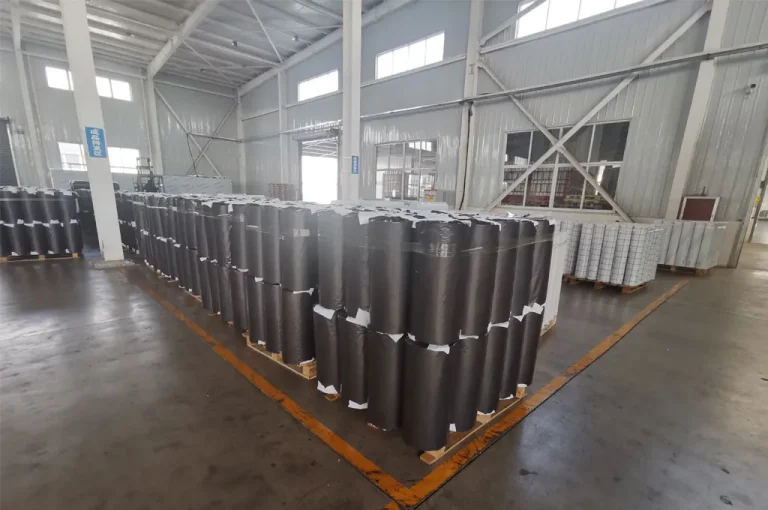
➤ Pulivk Film focuses on R&D and production of PVC films, with complete calendering, printing, and slitting/packing lines. This full-process workflow helps shorten lead times, reduce cost, and keep quality consistent from raw material to finished rolls—especially important for stone patterns that must match across units.
Stone-effect PVC surfaces are designed for everyday wipe cleaning, but maintenance still matters. Use a soft cloth with mild detergent for routine cleaning. Avoid harsh abrasives that can dull the surface finish, and test any new chemical cleaner on a small hidden area first—especially in commercial cleaning schedules.
A stone finish looks most convincing when it’s part of a coordinated palette. Pair white marble patterns with warm wood tones, black stone with brushed metal accents, or beige travertine with soft solid-color wall surfaces. In minimalist interiors, reducing visual clutter helps the veining become the hero detail rather than “just another print.”
■ White marble + matte black handles + warm neutral walls for timeless kitchens.
■ Dark granite + brass lighting + textured panels for boutique hospitality.
■ Beige stone + light oak + soft-touch finishes for calm residential spaces.
For stone finishes, sampling is essential. Request samples in the exact finish (matte vs. gloss) and test under your project lighting. Also confirm roll width, length, and packaging method to match your equipment and handling. MOQ can vary by specification and customization level; many suppliers support small trial orders before scaling.
For more product and support resources, you can visit
Home
and the
FAQ
page for common selection and ordering questions.
Yes, if the surface is smooth, clean, fully dry, and properly degreased. Any wax, sealer residue, or uneven joints should be removed/leveled first. For best results, test adhesion on a small area.
The film surface is typically water-resistant, but long-term performance in wet zones depends on edge sealing and installation quality. Water intrusion usually happens at seams or edges, not through the film face.
Quality films are designed for stable indoor performance. To minimize aging, avoid prolonged direct sunlight on high-gloss finishes and follow the recommended cleaning method (no harsh abrasives).
Self-adhesive film is convenient for on-site renovation and quick upgrades, while lamination/vacuum-press films are often used in factory production for consistent bonding on panels and profiled doors.
Prepare your target pattern, finish, thickness, roll width/length, application method, and quantity, then submit details through the supplier’s contact channel. Sampling under your real lighting and substrate conditions is the fastest way to confirm the final look.