Address
304 North Cardinal St.
Dorchester Center, MA 02124
Work Hours
Monday to Friday: 7AM - 7PM
Weekend: 10AM - 5PM
Address
304 North Cardinal St.
Dorchester Center, MA 02124
Work Hours
Monday to Friday: 7AM - 7PM
Weekend: 10AM - 5PM


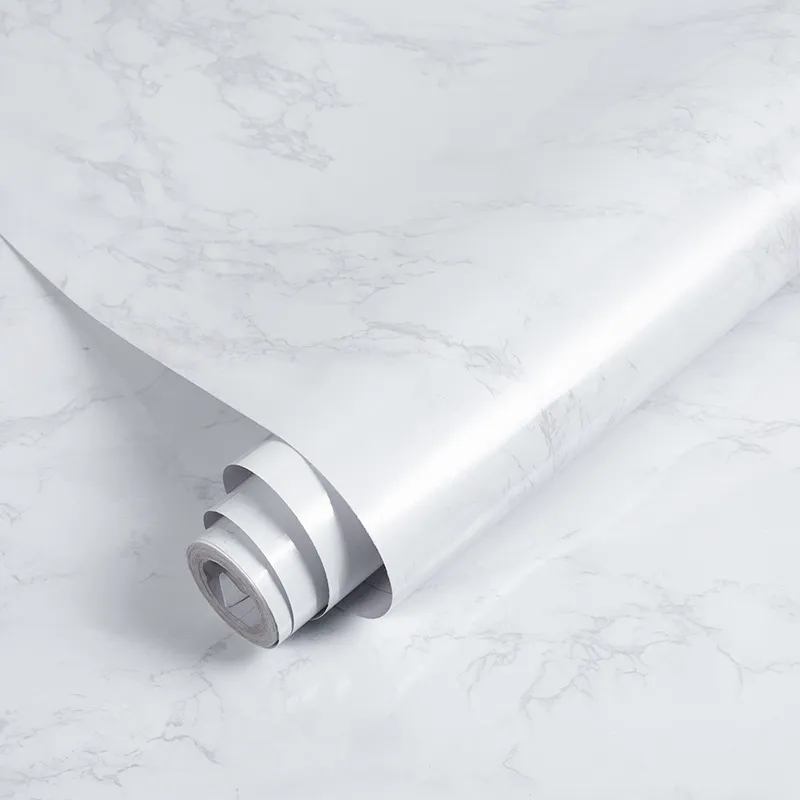
PVC film for doors is a practical, design-forward way to refresh interior doors, wardrobe doors, and commercial door panels without the cost and downtime of full replacement. Whether you’re wrapping a flat MDF door, a routed panel, or a high-traffic hotel entry, modern decorative PVC films can deliver realistic wood grains, stone looks, solid colors, and textured finishes—while adding a protective layer that resists moisture, stains, and everyday abrasion.
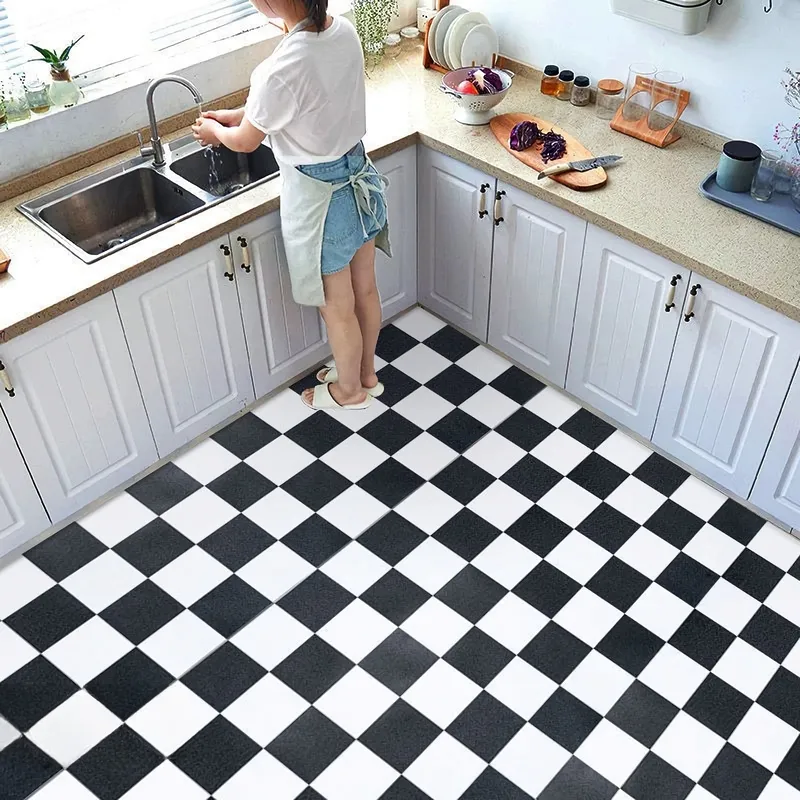
In this guide, you’ll learn how door-grade PVC films work, which finishes perform best in different environments, what to ask suppliers, and how to choose the right surface for durability and style. If you are sourcing at scale, you’ll also see how factory capabilities (calendering, printing, slitting, packaging, and OEM customization) impact quality consistency and lead time.
PVC film is a thin sheet made from polyvinyl chloride designed for decorative and protective surface finishing. When used on doors, it is typically applied by lamination or wrapping methods to substrates like MDF, HDF, plywood, particleboard, aluminum, or composite panels. The film can be engineered with different surface effects (glossy, matte, embossed, soft-touch) and functional treatments (anti-scratch, anti-static, easy-clean).
Key idea:
Door PVC film is not “just decoration.” A well-made film adds surface protection, cleaning convenience, and stable appearance across years of use—especially in humid or high-contact areas.
Compared with solid wood veneer or full door replacement, PVC decorative film helps deliver popular looks—oak, walnut, ash, marble, brushed metal, or minimal solid colors—while maintaining competitive project budgets. This is especially valuable for apartment renovations, hospitality fit-outs, and retail rollouts where consistency matters.
Doors near bathrooms, kitchens, and laundry rooms face humidity and frequent wiping. PVC film surfaces can be designed to be water-resistant and easy to clean, reducing swelling or staining risk compared to untreated porous surfaces.
For large orders, films produced on stable calendering and printing lines provide repeatable thickness, color, and emboss depth—critical when you need uniform door sets across a building. If you’re evaluating base material, learn more about Calendered Film and why it’s widely used for decorative applications.
Modern embossing and 3D surface technologies can create tactile finishes that elevate perceived quality. For example, textile-like surfaces are increasingly used on wardrobe and interior door panels to create a softer, warmer feel—see 3D Silk Texture Film for a textured decorative option.
Tip for specifiers:
Choose the finish based on lighting, touch frequency, and cleaning habits. A showroom-perfect gloss may be demanding in a family home with kids.
✔ Matte hides fingerprints better
✔ Embossed hides scratches
✔ Gloss boosts brightness but shows marks
Wood looks remain the most requested for doors because they match furniture, flooring, and wall panels. High-quality printing paired with embossed grains can create a convincing natural effect. If you want a reliable base selection, explore Wood Grain Film for door and furniture surfaces.
Solid colors are a favorite for contemporary interiors, office partitions, and minimalist home designs. Light neutrals and warm greiges can enlarge visual space, while deep blues/charcoals add premium contrast when paired with metal handles. For matching wall and door palettes in a unified scheme, you can reference Solid Color Wallpaper concepts and apply similar color logic on door surfaces.
Marble-style door films are used in feature doors, hotel suites, and high-end closets where a dramatic accent is needed. The best results usually come from pairing a controlled gloss level with a subtle emboss that reduces “plastic shine.” If you are considering this style, see Marble Film for common patterns used in decorative panels.
Glossy finishes reflect light and feel sleek, but they show fingerprints and micro-scratches more easily. Matte finishes reduce reflections and hide everyday marks. Soft-touch surfaces offer a velvety feel that reads premium in wardrobes and interior doors, but you should confirm stain resistance for heavy-use areas.
Embossed patterns—linen, brushed lines, micro-leather, or deep 3D textures—help mask minor scuffs and improve grip. For doors in commercial corridors, textured finishes often maintain a “newer” look over time compared with high-gloss surfaces.
Doors are touched constantly—handles, rings, keys, bags, cleaning cloths. A door-grade PVC film should resist everyday abrasion and reduce visible wear. For commercial projects, request abrasion testing standards or internal QC benchmarks from your supplier.
Edge lifting is one of the most common failure points in wrapped doors. Proper lamination parameters (heat, pressure, glue choice), accurate slitting, and consistent film thickness help maintain adhesion—especially on routed profiles and corners.
In humid climates or areas near bathrooms and kitchens, moisture tolerance is essential. A well-constructed film and compatible adhesive system can help protect the substrate and maintain visual stability.
If you’re producing multiple door lots, batch-to-batch color variation can cause expensive rework. A supplier with integrated calendering, printing, and QC processes can better control pigment, pattern repeat, and gloss level so that new shipments match earlier installations.
Quality checkpoint list (request from suppliers):
thickness tolerance, gloss tolerance, emboss depth stability, adhesion test method, color delta (ΔE) control, and packaging protection for shipment.
Start with where the door will be used:
In bright spaces with many downlights, glossy door surfaces can create strong reflections and highlight surface dust or minor waves. Matte or satin finishes typically look more stable under harsh lighting and photograph better in real-estate listings.
Smooth films feel sleek but show scratches more readily. Embossed textures can visually “break up” wear. If your doors will be cleaned frequently, ensure the emboss pattern is not too deep to trap dirt.
Consider long-term design: neutral wood grains and warm solids remain timeless, while very bold patterns might limit resale appeal. For multi-unit projects, stick to a controlled palette so replacements remain easy years later.
Door films vary by thickness and construction. Thicker does not always mean better, but it can improve handling and reduce show-through on imperfect substrates. Confirm how the film will be applied (flat lamination, membrane pressing, vacuum wrapping) so the product matches your process requirements.
ⓘ Practical note:
Many “film problems” are actually substrate or process problems. Control the basics first, then evaluate film performance.
A good-looking sample is not enough. For door projects, the supplier’s production control and QC system determine whether your 1st roll matches your 500th roll.
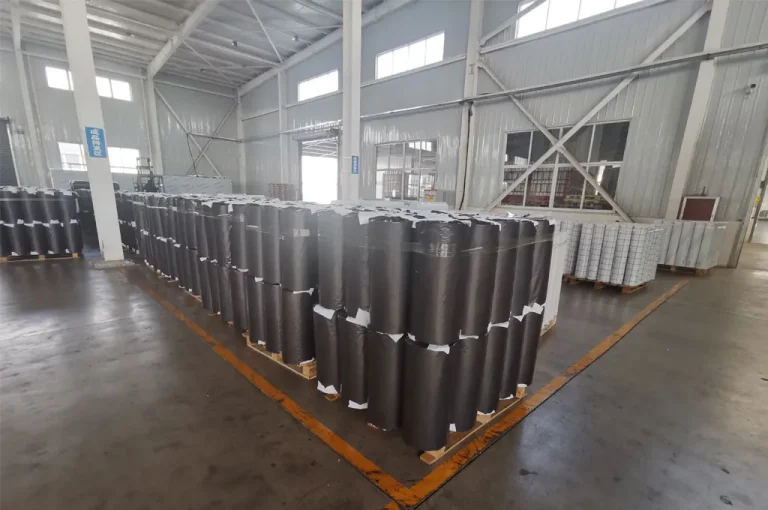
Suppliers with integrated calendering, printing, and slitting/packaging can control key variables more tightly. This helps reduce thickness fluctuation, color drift, and edge damage during shipment. It also supports faster lead times because fewer steps depend on outside subcontracting.
For branded door lines or large projects, OEM customization can include thickness, width, roll length, emboss patterns, color matching, functional coatings (anti-static, anti-fog, easy-clean), and packaging labeling. If you need trial runs, ask about sample lead time and whether small trial orders are supported before scaling.
For interior doors, confirm material safety and compliance with relevant standards. Many professional PVC film producers offer products that are heavy-metal and phthalate-free and can comply with ISO management systems and regulations such as REACH and RoHS. If your project is in a regulated market or a healthcare environment, request test reports and batch traceability details.
Homeowners and renovators use PVC films to modernize doors quickly, especially when coordinating door finishes with kitchen cabinets, wardrobes, and wall panels. Matte wood grains and soft-touch solids are popular for a calm, contemporary style that hides daily fingerprints.
Closet doors benefit from tactile textures and scratch-hiding emboss. Gloss can look premium in showrooms, but satin/matte often performs better for everyday living.
Hotels, offices, and serviced apartments favor finishes that maintain appearance through high traffic and frequent cleaning. Embossed wood grains and durable matte finishes often balance aesthetics with practicality.
For refacing, PVC film offers speed and less mess compared with repainting. It can be a strong option when you need consistent appearance across multiple units and want to reduce downtime.
Decision shortcut:
If you need easy maintenance, pick matte or textured. If you need visual impact in controlled environments, consider gloss or marble. If you need long-term durability in high traffic, prioritize embossed + stable QC.
Yes, many door-grade PVC films are designed with moisture resistance in mind. The final performance also depends on proper edge sealing, adhesive choice, and substrate stability.
Matte and satin finishes typically hide fingerprints better than glossy surfaces. Textured embossing can further reduce visible touch marks.
Yes. Many manufacturers offer OEM/ODM options such as thickness, width, roll length, colors, printed patterns, emboss textures, and packaging labels to match your door line requirements.
Request samples and test them on your actual substrate and equipment. Ask for QC metrics (thickness tolerance, color consistency, adhesion testing) and confirm packaging method to prevent shipping damage.
Lead time depends on specifications, customization, and order volume. Suppliers with in-house calendering, printing, and slitting/packaging lines can often provide more stable schedules and faster turnaround.