Address
304 North Cardinal St.
Dorchester Center, MA 02124
Work Hours
Monday to Friday: 7AM - 7PM
Weekend: 10AM - 5PM
Address
304 North Cardinal St.
Dorchester Center, MA 02124
Work Hours
Monday to Friday: 7AM - 7PM
Weekend: 10AM - 5PM


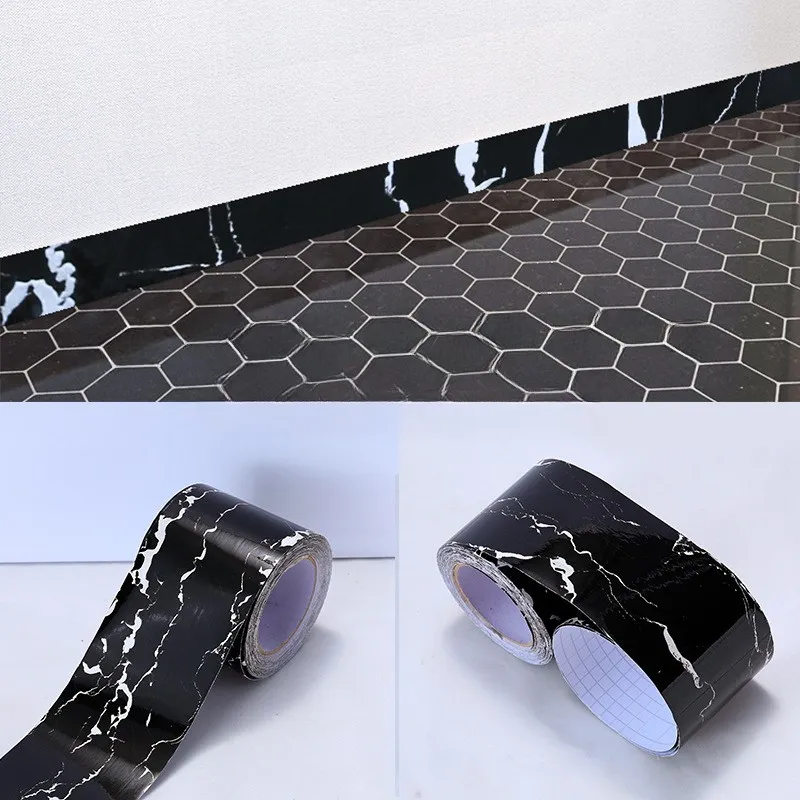
PVC film is one of the most widely used forming materials in blister packaging—valued for its clarity, reliable thermoformability, and cost-efficiency across pharma, medical devices, and consumer goods. Whether you are sourcing film for solid-dose pharmaceutical blisters or retail clamshells, understanding specifications (thickness, forming behavior, barrier needs, and compliance) can dramatically reduce scrap rates, improve pack appearance, and protect product stability.
Quick takeaway:
Choose PVC film based on your product’s moisture/oxygen sensitivity, the forming depth, and the regulatory requirements of your target market. For higher barrier, consider PVDC-coated PVC or laminated structures like PVC/PE.
Blister-grade PVC film is a thermoformable plastic sheet made from polyvinyl chloride, engineered to be heated and formed into cavities that hold tablets, capsules, small devices, or consumer items. After forming, the cavities are typically sealed with lidding materials such as aluminum foil, paper/foil laminates, or other heat-sealable structures.
In pharmaceutical packaging, PVC film is commonly used as the forming web due to its stable processing window and good optical properties. For products requiring improved moisture barrier, PVC is often enhanced by coating or lamination (for example, PVDC-coated PVC).
PVC’s natural transparency provides a clean view of the product, supporting brand trust and helping end users quickly verify contents. This is especially useful when the product’s color, imprint, or shape is part of identification.
Blister lines rely on consistent heating, forming, and cooling behavior. Well-produced PVC film offers stable thickness distribution and predictable shrink/relaxation, supporting tight cavity definition and minimizing web breaks.
Compared with some high-barrier alternatives, PVC film is typically more economical while still meeting many standard protection needs. It also pairs well with a variety of sealing foils and common blister tooling configurations.
PVC blisters provide structure for protecting fragile products during transport and store handling, while remaining easy to push-through when used with appropriate lidding foils (common for tablets/capsules).
Note on barriers:
Standard PVC offers moderate moisture/oxygen protection. If your stability data indicates sensitivity, upgrade to PVDC-coated PVC or a laminated structure to reduce transmission rates.
Tablets and capsules are the classic use case. PVC forming film supports high-output blister lines and provides consistent cavity geometry. When paired with aluminum lidding, it creates an effective unit-dose format that improves hygiene, dosing accuracy, and portability.
For small items such as swabs, lancets, or accessories, PVC blister packs offer strong visibility and tamper evidence. Selection here often prioritizes clean processing, low odor, and compatibility with sterilization or cleanroom practices when required.
Hardware, batteries, cosmetics accessories, and small electronics frequently use thermoformed PVC for attractive presentation and theft deterrence. Depending on merchandising needs, film can be tinted, printed, or engineered for different stiffness.
Blister PVC commonly falls into ranges such as 200–800 microns depending on cavity depth and rigidity needs. Thinner films reduce material cost but can be less forgiving during forming and may show more deformation. Thicker films improve cavity definition and pack stiffness but increase cost and may require optimized heating.
If your blister design includes deep pockets or sharp details, you need PVC film with stable softening behavior and controlled shrink. In procurement, ask for forming guidance based on your tooling—especially for high-speed lines where temperature drift can lead to web thinning, corner stress, or tearing.
The forming web (PVC) must seal reliably to the lidding. Seal strength depends on coating systems, sealing temperature/time/pressure, and surface cleanliness. If you experience seal failures, it’s often a system issue—film, lidding, and machine settings must be validated as a set.
For regulated markets, suppliers typically support documentation such as ISO 9001/ISO 14001 practices and material compliance statements (for example REACH, RoHS, FDA where applicable). If your organization needs heavy-metal-free and phthalate-free options, confirm this early to avoid re-qualification later.
Calendering produces consistent sheet thickness and good optics, making it a mainstream choice for blister forming webs. If you need a stable supply for repeated production runs, calendered PVC is typically the first option to evaluate.
You can explore a representative category here:
Calendered Film.
PVDC coating is used when your product requires a stronger moisture barrier than standard PVC can provide. This is common for hygroscopic tablets or formulations with strict shelf-life targets. The tradeoff is higher material cost and the need to ensure coating quality consistency and qualification data.
Laminations can improve sealing behavior, puncture resistance, or chemical compatibility depending on your use case. They can also be used for specific packaging designs where stiffness-to-forming balance is critical.
Tip for change control:
Any switch from standard PVC to coated/laminated films should be treated as a packaging material change—update your validation plan, stability testing requirements, and sealing parameter windows.
Start with the product’s sensitivity to moisture, oxygen, and light. If stability studies already exist, translate them into packaging targets (for example MVTR expectations). Then decide whether standard PVC is sufficient or if higher barrier structures are needed.
Provide your supplier with forming line details: thermoforming method, typical forming temperature range, line speed, forming depth, and cavity layout. Also confirm roll parameters such as width, core inner diameter, roll outer diameter limits, and splice preferences.
Avoid vague requirements like “clear PVC.” Instead, align on measurable metrics: thickness tolerance, haze/gloss targets, shrink behavior, and acceptance criteria for gels, fish-eyes, or specks. If your end product is pharmaceutical, set expectations for cleanliness and traceability.
A lab sample is useful, but a short production trial is the real proof. During trials, monitor cavity definition, web tracking, heating uniformity, seal strength, and scrap rate. Record the process window that provides stable output.
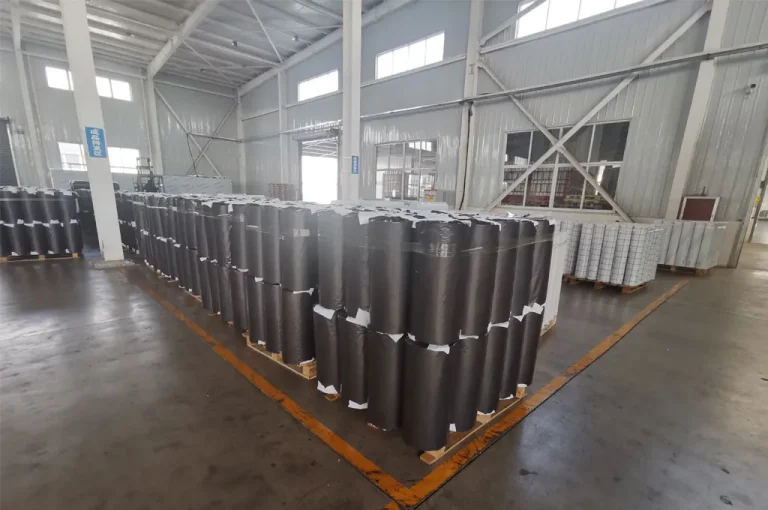
A reliable supplier should demonstrate end-to-end control (from compounding and calendering through slitting and packaging), multi-step QC, and batch traceability. Pulivk Film’s setup, for example, emphasizes integrated calendering, printing, slitting, and packaging to reduce lead time and improve consistency, plus export-ready packaging methods that protect rolls during shipping.
If you want to learn more about their background, visit:
About Us.
Even high-quality PVC film can fail if mishandled. Blister-grade film is sensitive to dust, pressure marks, and temperature swings. Rolls should be individually wrapped (commonly with protective PE film or kraft paper), labeled clearly, and protected against moisture and impact during transport.
Common hidden issue:
Dust and micro-debris on the film surface can reduce seal integrity. If seal failures appear “random,” audit film unwinding cleanliness, static control, and operator handling steps.
Blister packaging is rarely one-size-fits-all. Many buyers need customization that improves efficiency, brand presentation, or end-user experience. With OEM/ODM support, you can tailor:
If you are planning a new blister project and need fast sampling plus clear communication on requirements, you can reach out here:
Contact.
Many manufacturers source multiple film types from a single supplier to simplify qualification and logistics. Beyond blister forming webs, PVC films are widely used in decorative and protective applications—useful if you also operate furniture, building materials, or consumer product lines. For example:
Wood Grain Film,
Marble Film,
and
Floor Film.
For many solid-dose products, yes. However, if the formulation is moisture-sensitive, you may need PVDC-coated PVC or another higher-barrier structure based on stability requirements.
Thickness depends on cavity depth, desired stiffness, and machine settings. Deeper draws and premium rigidity typically require thicker film, while standard shallow blisters can often run well on thinner gauges.
Ensure stable film thickness tolerance, correct heating profile, clean unwinding, and appropriate forming temperature windows. A controlled line trial with recorded parameters is the fastest way to lock in consistent output.
Yes. Common OEM/ODM options include width, roll length, core size, surface treatments (such as anti-static), optical targets, and export-ready protective packaging.
Ask for material specifications, QC test reports, batch traceability approach, and compliance statements (commonly REACH/RoHS/FDA where applicable), plus ISO management certifications if required by your procurement process.