Address
304 North Cardinal St.
Dorchester Center, MA 02124
Work Hours
Monday to Friday: 7AM - 7PM
Weekend: 10AM - 5PM
Address
304 North Cardinal St.
Dorchester Center, MA 02124
Work Hours
Monday to Friday: 7AM - 7PM
Weekend: 10AM - 5PM


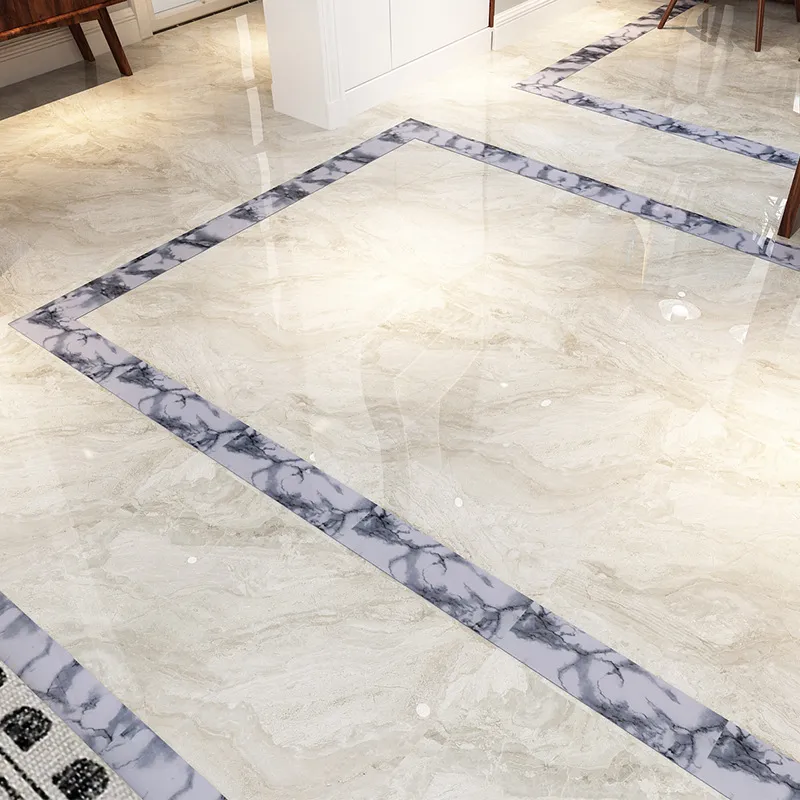
PVC film ceilings have become a practical alternative to traditional gypsum boards, paint, and complex suspended systems—especially in spaces where moisture resistance, easy cleaning, and fast installation matter. Whether you’re renovating a home, upgrading a retail shop, or refreshing a hotel corridor, PVC film ceiling finishes can deliver a smooth, modern look while keeping maintenance simple.
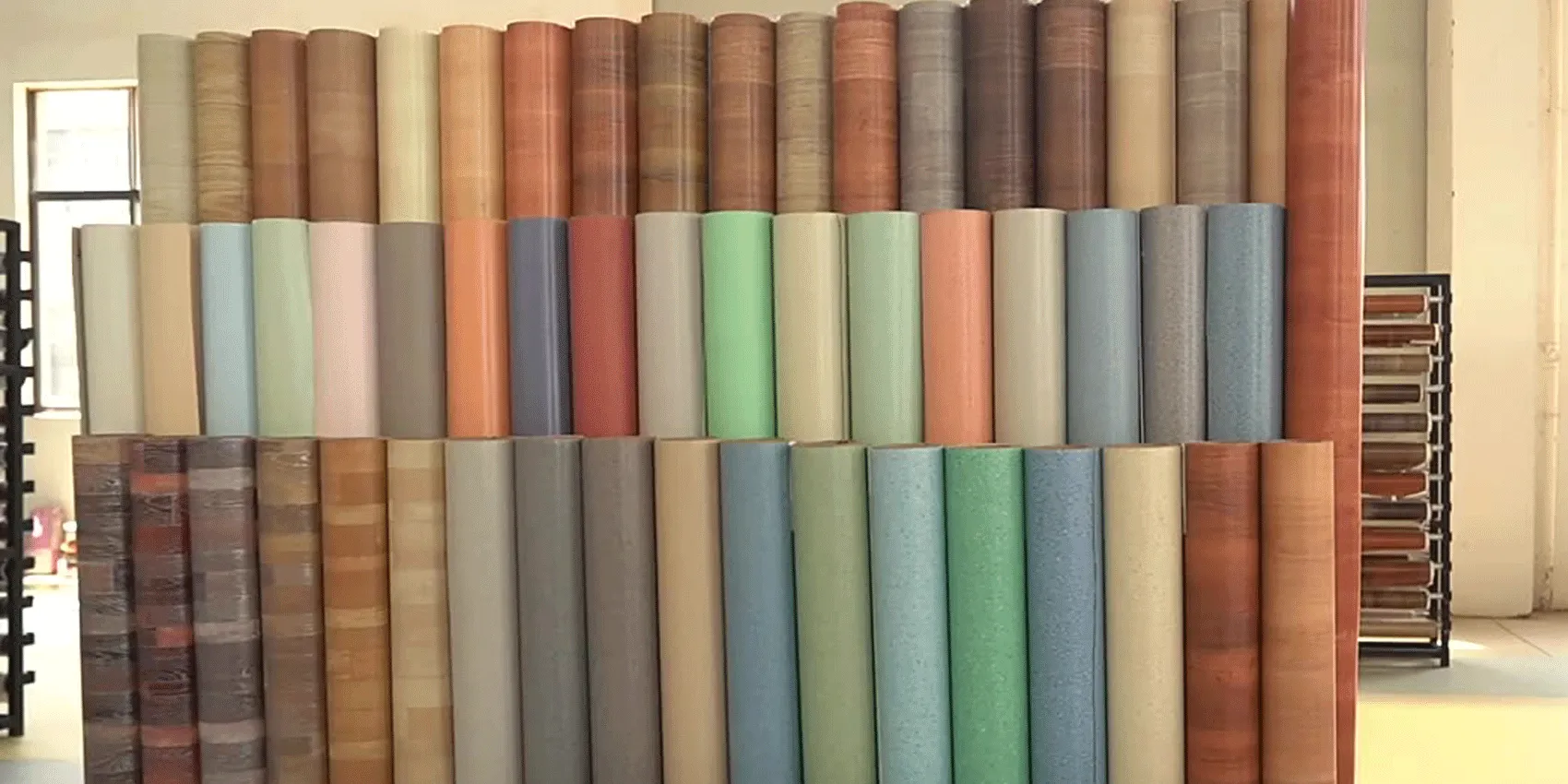
This guide covers what a PVC film ceiling is, why people choose it, how installation works, what costs to expect, and how to maintain the surface for long-term performance. If you’re comparing materials or planning procurement, you’ll also find film-type suggestions and a practical checklist to reduce rework.
A PVC film ceiling typically refers to a ceiling surface finished with polyvinyl chloride (PVC) film—a thin yet durable sheet engineered for decoration and protection. Depending on the project approach, the film may be applied to ceiling panels, boards, or modular components, delivering finishes such as matte, glossy, wood grain, stone grain, metallic, or textured effects.
Key idea:
A PVC film ceiling is less about one single “system” and more about a surface solution—using PVC film to create a clean, uniform, and easy-care ceiling appearance.
In bathrooms, kitchens, laundry rooms, and coastal environments, PVC film helps reduce common issues like staining and surface deterioration. When paired with proper substrate preparation and sealed edges, it offers a more forgiving ceiling finish than paint-only solutions.
Most PVC film surfaces can be wiped with a soft cloth and mild detergent, making them a good fit for spaces that require frequent cleaning (cafés, clinics, corridors, rental apartments). This is especially valuable for ceilings exposed to cooking vapor or light splashes.
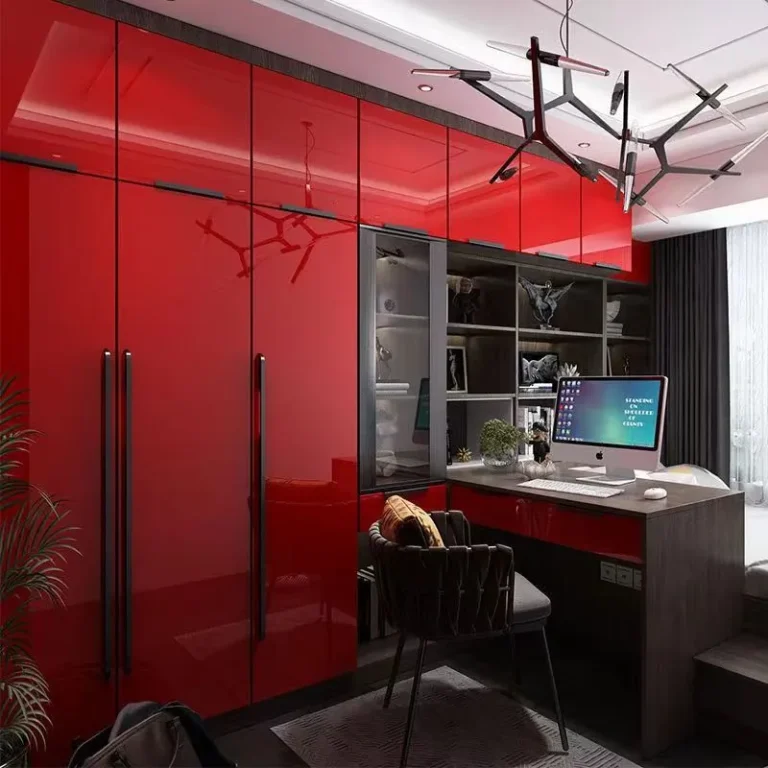
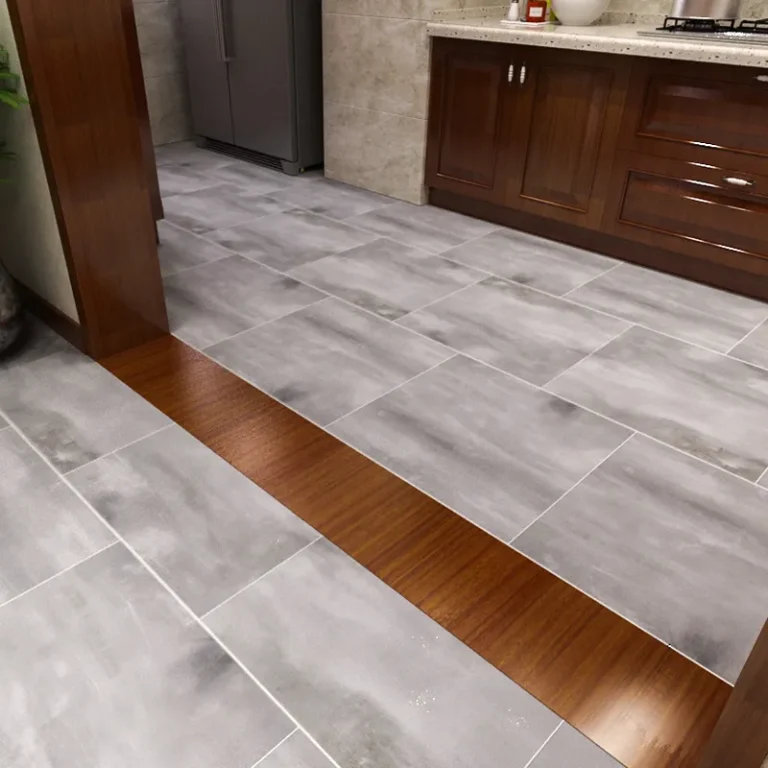
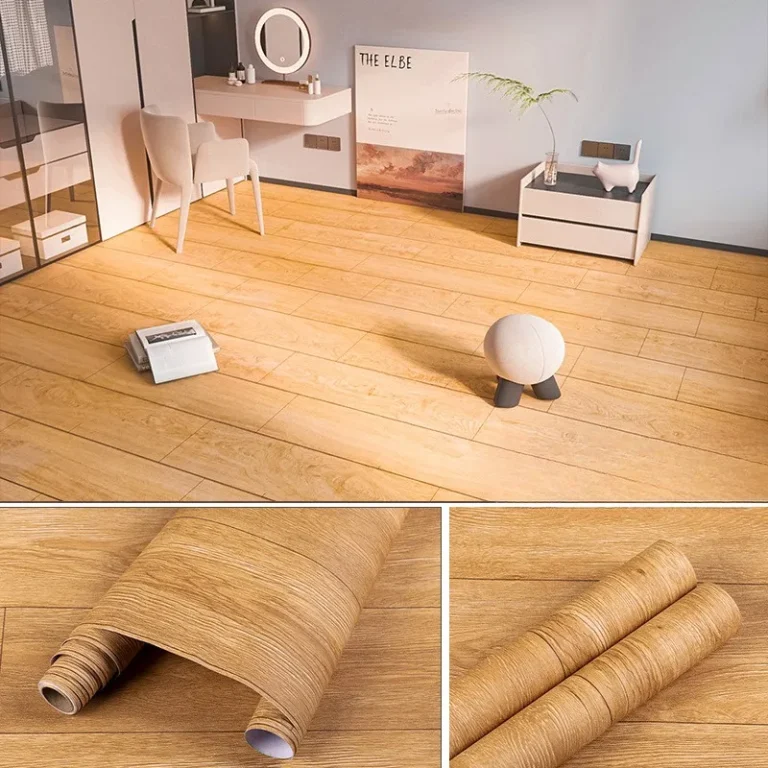
PVC decorative films come in a wide range of aesthetics—wood grain, marble, textile-like textures, soft-touch, and high-gloss looks—allowing designers to match ceilings with walls, cabinetry, or furniture surfaces. For instance, a wood-grain ceiling accent can complement wardrobe or cabinet finishes using wood grain film, while modern commercial interiors may prefer satin or textured options such as 3D silk texture film.
Compared with multi-step ceiling refinishing (patching, sanding, priming, painting), film-based finishing can reduce onsite time—particularly when used on pre-made panels or modular elements. Less wet work often means less odor and less disruption for occupied spaces.
PVC film ceilings are popular in multi-unit projects (hotels, apartments, retail chains) because color and pattern consistency can be standardized across locations, helping procurement teams reduce variation and rework.
Note for decision-makers:
If your project needs stable supply and batch consistency, consider partnering with a manufacturer that runs the full process (calendering, printing, slitting, packaging) to keep quality traceable and lead times predictable.
PVC film ceiling finishes are used across residential and commercial interiors. Common scenarios include:
The best film depends on the desired look, substrate, lighting, and cleaning requirements. Many ceiling applications start with calendered film because it offers stable thickness and good processing efficiency for large-area decorative work.
Installation methods vary depending on whether the film is laminated onto panels offsite, applied to boards onsite, or used with modular ceiling components. The steps below reflect a common and practical workflow used by contractors and interior fit-out teams.
Confirm the base surface is dry, stable, and clean. Film will not “fix” loose plaster, moisture intrusion, or powdering paint. If the ceiling has active leaks or persistent dampness, resolve those issues before any decorative finishing.
PVC film reflects the quality of the substrate—especially in glossy finishes. Patch holes, sand ridges, and remove dust. For best results, apply a compatible primer or sealing layer if the substrate is porous.
Decide where seams will fall (ideally aligned with lighting lines, beams, or architectural breaks). Good seam planning reduces visual distraction and simplifies maintenance later. In commercial areas, coordinate with HVAC diffusers, sprinklers, and access panels early to avoid late-stage cutting.
Checklist:
temperature, dust control, and lighting significantly affect perceived finish quality. Always evaluate the surface under the same lighting temperature used in final operation.
Depending on the film type and system design, adhesive may be used to laminate the film to boards or panels. Follow supplier recommendations for open time and curing. Apply film with controlled pressure to avoid trapped air; work from center outward. For large surfaces, professional lamination equipment can increase consistency.
Cut cleanly around lights, vents, and inspection points. Seal or protect edges where necessary, especially in bathrooms or kitchens. Neat detailing is often what separates a “good” ceiling from a “premium” one.
Remove adhesive residue promptly using approved cleaners. Inspect for bubbles, seam alignment, and surface scratches under direct lighting. If minor air pockets appear, address them early before full curing and final handover.
PVC film ceiling costs vary widely based on finish, thickness, substrate choice, area size, labor rates, and detailing complexity. Instead of one fixed price, it’s best to break cost into components and request quotations using the same specification set across suppliers.
To avoid mismatched assumptions, send suppliers a short specification: ceiling area (m²), target finish (matte/gloss/texture), thickness range, roll width needs, substrate type, installation method, and expected order volume. If you’re exploring multiple interior surfaces beyond ceilings—like skirting or wall zones—you can consolidate sourcing using options such as PVC skirting film to maintain a consistent design language.
Avoid:
abrasive pads, strong solvents, harsh alkaline cleaners, and aggressive scraping tools.
Why it matters:
these can scratch the surface, reduce gloss uniformity, or weaken edges/seams over time.
In bathrooms and kitchens, ventilation is still essential. A PVC film ceiling can resist moisture, but it won’t replace proper exhaust fans or good airflow. Keeping humidity under control helps protect not only the film, but also the substrate and framing behind it.
For minor scratches, the fix depends on finish type: textured films can camouflage wear better, while high-gloss surfaces may show marks more easily. If an edge starts lifting, address it quickly—edge lifting often progresses if steam or dust enters. In professional projects, keep a small amount of matching film reserved for future repairs and patch work.
If you’re sourcing PVC film for ceilings at scale, prioritize suppliers with stable quality control and traceable production. A full-process manufacturer can control key variables like thickness consistency, printing stability, surface treatment, slitting accuracy, and export-ready packaging—helping ensure uniform appearance across multiple rooms or buildings.
Yes, it’s commonly used in humid areas due to moisture resistance and easy cleaning. Proper ventilation and sealed detailing still matter to protect the substrate and prevent edge lifting.
Glossy surfaces reflect light strongly, so uneven substrates, seams, and dust particles can be more visible. If your ceiling isn’t perfectly flat, consider matte or textured films.
Use a soft cloth with warm water and mild neutral detergent. Avoid abrasive pads and strong solvents to prevent scratching or hazing.
Service life depends on film quality, installation method, and environment (humidity, cleaning frequency, lighting heat). With correct installation and routine maintenance, it can remain visually stable for years in typical indoor conditions.
Many manufacturers support OEM/ODM customization for thickness, width, finish, and printed patterns. Provide target color references, application needs, and estimated quantity to receive a practical sampling and quotation plan.