Address
304 North Cardinal St.
Dorchester Center, MA 02124
Work Hours
Monday to Friday: 7AM - 7PM
Weekend: 10AM - 5PM
Address
304 North Cardinal St.
Dorchester Center, MA 02124
Work Hours
Monday to Friday: 7AM - 7PM
Weekend: 10AM - 5PM


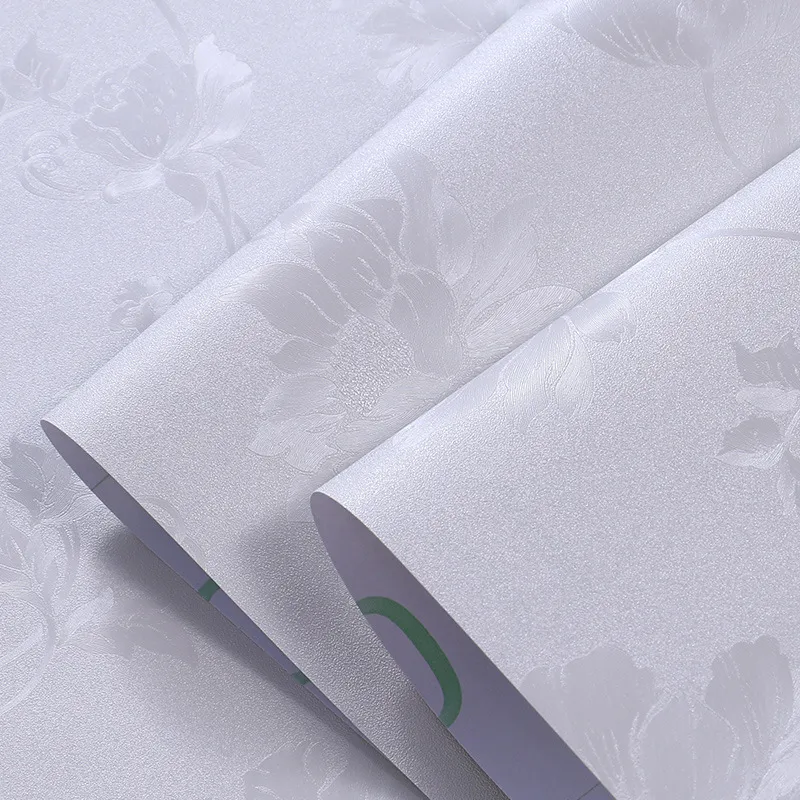
Purchasing PVC film is no longer just a “pick a roll and ship” decision. Today, buyers in furniture, interior decoration, flooring, electronics, advertising, medical, and home-goods industries expect predictable performance, stable lead times, consistent color, and verifiable compliance. This guide explains the main PVC film types, thickness options, price drivers, and a practical checklist to help you choose a supplier that can scale with your projects—without quality surprises.
Key takeaway:
The “right” PVC film is the one that matches your end-use (surface look + durability + processing method) and is backed by a supplier who can control calendering/printing/slitting/packaging in-house for repeatable results.
PVC film is a thin sheet made from polyvinyl chloride. Depending on formulation and surface treatment, it can be flexible or semi-rigid, transparent or opaque, glossy or matte, smooth or embossed. It is widely used to enhance appearance, protect substrates, and simplify cleaning and maintenance.
“PVC film” can describe many products. To buy efficiently, separate your needs into manufacturing method (e.g., calendered), surface look (glossy/matte/embossed), and functional features (anti-static, self-adhesive, oil-proof, etc.).
Calendered film is produced by rolling compound through calendering lines, enabling consistent thickness and surface quality for decorative and industrial uses. If you need reliable batches for continuous production, consider starting from
calendered film
as the baseline and then define embossing/printing/functional coatings.
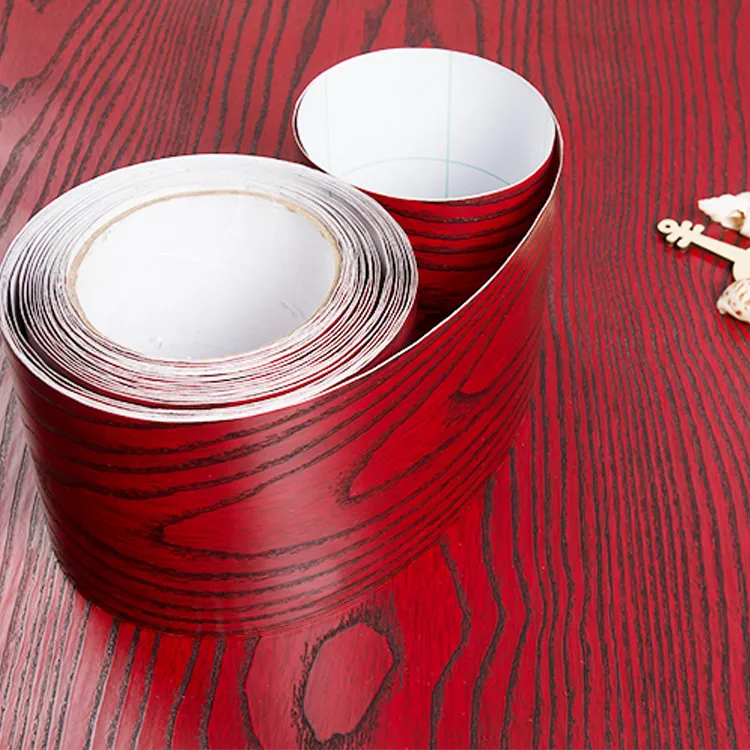
Decorative PVC films are designed to deliver a specific visual effect—often used for furniture boards, doors, wall panels, and interior elements. Popular choices include
wood grain film
for warm, natural interiors and
marble film
for premium, clean-lined spaces.
If your product line has multiple SKUs (e.g., cabinet series), request color matching and gloss control across batches. Specify target gloss level (GU), texture code, and a retained “golden sample” for approvals.
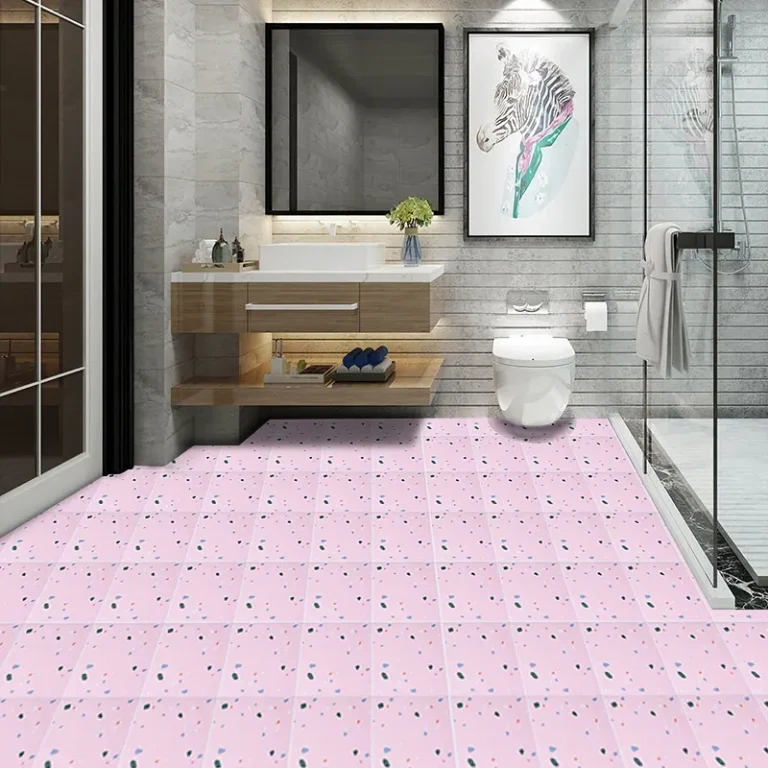
Flooring applications demand abrasion resistance, dimensional stability, and easy cleaning. For projects involving vinyl flooring layers, protective overlays, or decorative layers, review options like
floor film
and confirm wear layer expectations, emboss alignment (if any), and slip/cleanability requirements.
Texture films can elevate perceived value. For example, a silk-like 3D effect can improve showroom appeal on panels or interior elements where customers touch surfaces frequently. If tactile feel is a selling point, evaluate
3D silk texture film
for consistency in emboss depth, haze, and fingerprint resistance.
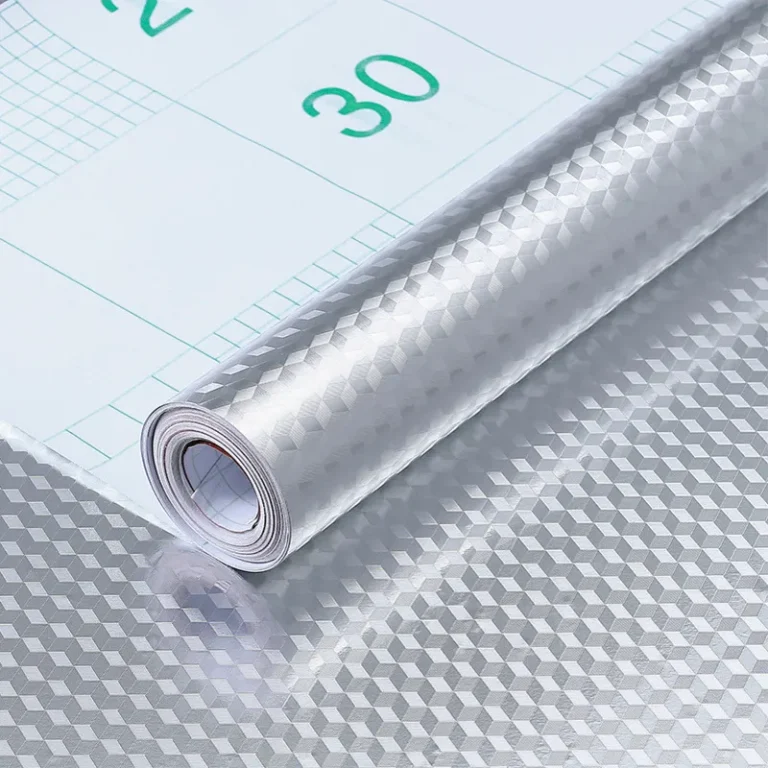
Functional coatings and structures help films meet specialized environments. Typical options include anti-static for electronics packaging/assembly, self-adhesive for quick retrofits, anti-fog for certain protective needs, and oil-proof surfaces for kitchen environments. When comparing suppliers, ask whether the function is achieved by surface coating, additives, or layered composites—because durability and cost differ.
Thickness affects stiffness, conformability, durability, and cost. Your best thickness depends on application method (flat lamination vs wrapping vs vacuum press), surface texture depth, and performance expectations (impact/scratch/chemical resistance).
To avoid procurement mistakes, do not choose thickness by price alone. Instead, confirm: the substrate type (MDF/particle board/metal/plastic), adhesive system (if laminated), forming temperature window (if vacuum press), and the minimum radius/bend requirements (if wrapping).
✔ Practical test:
Request a sample roll and run it through your real process (press/wrap/laminate). Evaluate edge whitening, spring-back, adhesion, and surface marks after 24–72 hours.
PVC film pricing varies widely because it is not a single commodity. Your final cost reflects raw materials, manufacturing method, print/texture complexity, functional coatings, slitting/packaging, and quality requirements.
When you supply clear specs, suppliers can reduce risk buffers in their pricing—often leading to a more competitive quote and fewer production delays due to clarifications.
The supplier you choose affects not only cost, but also rejection rates, line efficiency, and the stability of your own product quality. A reliable partner should prove consistent production capability, process control, and responsive service.
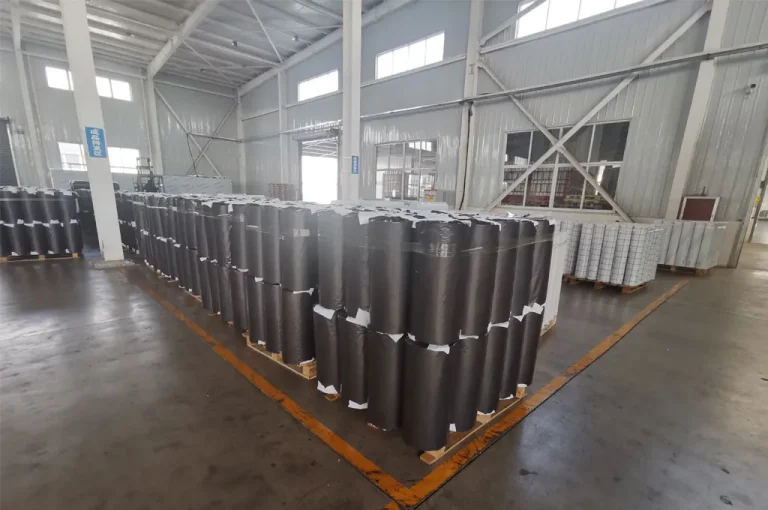
Suppliers with integrated calendering, printing, and slitting/packaging can control critical variables (thickness, ink adhesion, winding tension, labeling accuracy). This reduces batch-to-batch variation and speeds up delivery for repeat orders.
Ask how the supplier checks thickness uniformity, tensile properties, optical clarity/haze (if relevant), adhesion performance, and surface defects. Look for batch traceability and a clear plan for handling claims (replacement policy, root-cause analysis, corrective actions).
If your business requires unique patterns, branding, or packaging formats, choose a supplier with proven OEM/ODM execution. Customization can include thickness, width, roll size, surface treatment (anti-static, anti-fog, food-grade), as well as print design and packaging labels.
For global buyers, export-ready packaging can be as important as the film itself. Each roll should be wrapped (e.g., dust-proof PE film or kraft paper), labeled clearly, and protected from moisture and edge damage. Confirm pallet method and container loading plan to reduce transit deformation.
Many disputes happen because buyers request “high quality” without defining measurable targets. Converting expectations into specifications helps you avoid paying for unnecessary features while still meeting end-user requirements.
If the film is used indoors—especially in homes, schools, clinics, or hospitality—buyers increasingly require low-risk materials and responsible production. Ask suppliers whether their products are free of heavy metals and phthalates, and whether they can provide compliance documentation aligned with your destination market (e.g., REACH, RoHS, ISO management systems, FDA where applicable).
Important:
Compliance is not “one-size-fits-all.” Specify your market and end-use (furniture, medical packaging, kitchen surfaces, children’s environments) so the supplier can recommend the correct formulation and provide matching test reports.
A structured workflow reduces miscommunication, accelerates production, and protects both parties. Below is a practical sequence you can apply to most PVC film purchases.
When a supplier manages calendering, printing, slitting, and packaging under one roof, you gain more than convenience. You reduce variability between lots, shorten lead times, and simplify accountability if any issue occurs. This is especially valuable if you serve multiple industries or export markets that demand consistent documentation and stable quality.
Provide film type, thickness, width, roll length, surface finish/texture, color or pattern reference, quantity, application method, compliance needs, and delivery destination/terms.
Choose based on your processing method and durability target: wrapping and tight radii typically prefer more conformable films, while high-abuse surfaces or deep embossing may require thicker options. Always validate with real production trials.
Yes. Many manufacturers offer OEM/ODM options including color matching, printed patterns, gloss/matte control, functional coatings, slitting sizes, and export-ready packaging with clear labeling.
Request relevant compliance and test reports for your market and use case (commonly REACH/RoHS and ISO management documentation; FDA-related documents when food-contact or specific environments require it).
<div style="