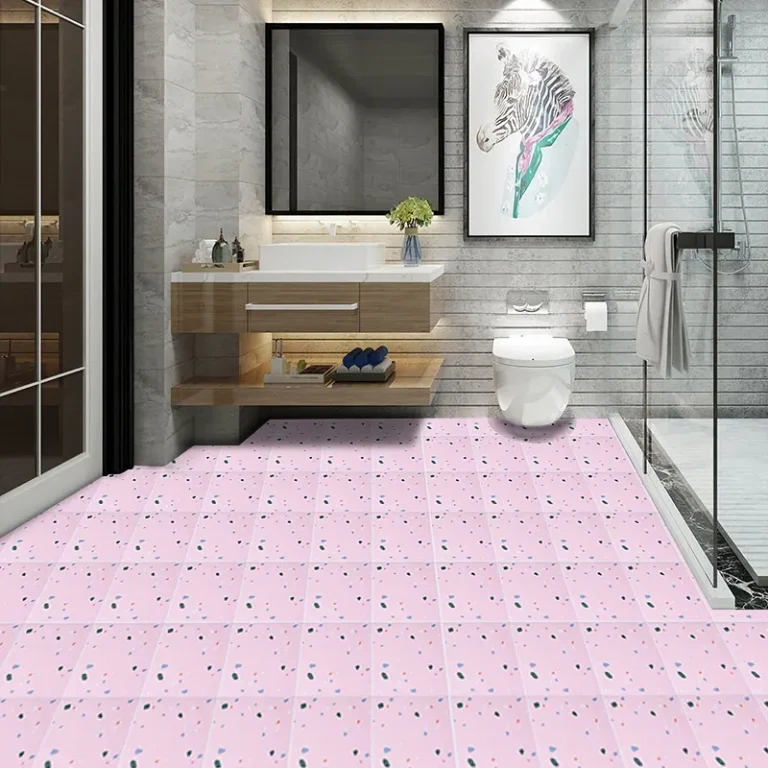
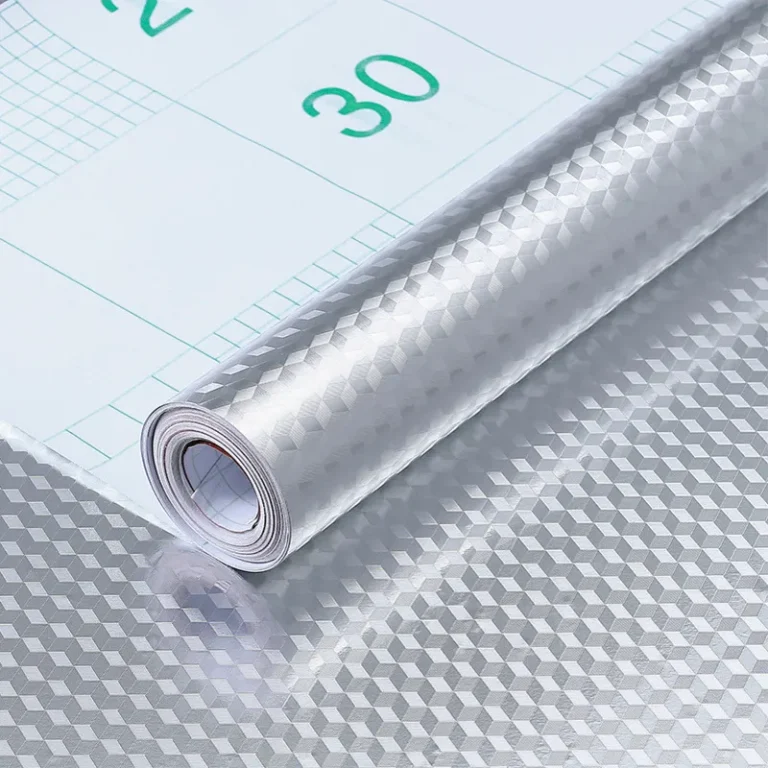
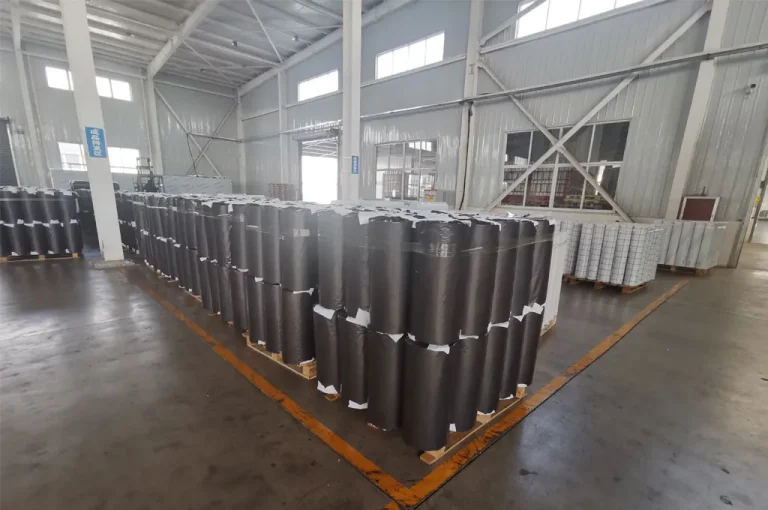
Address
304 North Cardinal St.
Dorchester Center, MA 02124
Work Hours
Monday to Friday: 7AM - 7PM
Weekend: 10AM - 5PM
Address
304 North Cardinal St.
Dorchester Center, MA 02124
Work Hours
Monday to Friday: 7AM - 7PM
Weekend: 10AM - 5PM


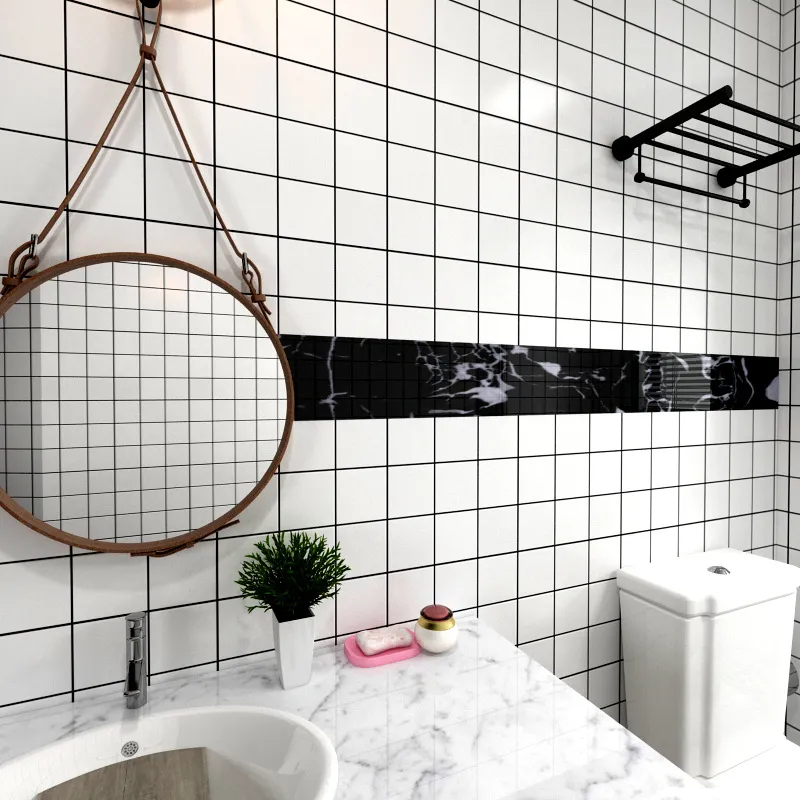
Natural wood grain PVC film is one of the smartest ways to achieve a premium timber look—without the cost, maintenance, or supply limitations of real veneer.
Whether you are producing cabinet doors, wardrobes, office furniture, wall panels, or commercial interiors, choosing the right PVC decorative film can directly improve product consistency, durability, and overall project profitability.
This guide explains how to purchase natural wood grain PVC film at competitive prices, how to choose sizes and specifications, and how to match the right surface to your furniture and interior design needs.
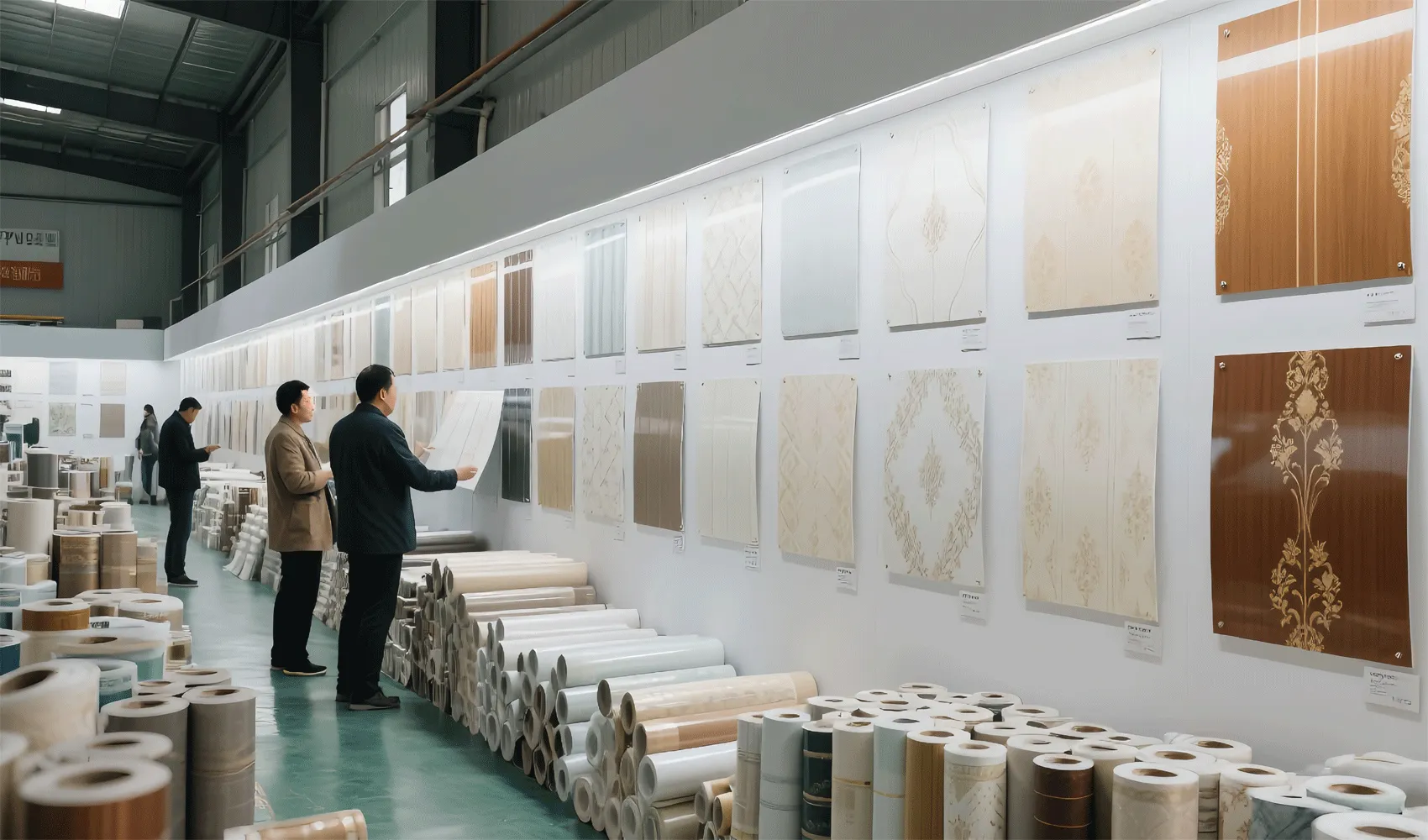
Key takeaway:
When sourcing wood grain PVC film, focus on pattern realism, surface durability, adhesion compatibility, and production stability—not just the lowest price per roll.
Modern wood grain PVC film recreates the warmth of oak, walnut, ash, teak, maple, and other species with consistent color and repeatable pattern control.
Compared with real wood veneer, PVC film offers more uniform batches, faster surface cleaning, and better moisture tolerance, making it ideal for kitchens, rentals, offices, retail fit-outs, and high-traffic public projects.
✔ Consistent look
Stable tone and grain repeat help you avoid mismatched panels across large orders.
✔ Easy maintenance
Wipes clean with common household cleaners, suitable for daily-use surfaces.
✔ Cost efficiency
Achieve a natural wood effect at a predictable cost for factories and projects.
Wood grain PVC film is widely used across residential and commercial finishing. Depending on the surface (matte, glossy, embossed, or 3D texture),
it can support different design languages—from Scandinavian minimalism to modern luxury.
◆ Cabinet doors and kitchen carcasses (humidity-prone spaces)
◆ Wardrobes, closets, and modular furniture (batch consistency matters)
◆ Wall panels, partitions, and decorative trims (fast installation and uniform appearance)
◆ Doors, frames, and skirting boards (scratch resistance and everyday durability)
If your project needs coordinated finishing across walls and furniture, consider pairing wood grain with complementary films such as
solid color wallpaper
to create clean contrast panels, or adding tactile accents with
3D silk texture film.
Most wood grain decorative films are produced with stable calendered base material and then enhanced by printing, embossing, and protective top layers.
The base structure influences thickness tolerance, flatness, and processing performance.
When comparing suppliers, ask if the film is manufactured with an integrated calendering line and in-house printing/slitting.
This often improves batch consistency and delivery stability.
If you need to confirm film fundamentals, review the base category here:
Calendered Film.
“Best price” depends on whether the size and performance fit your process. For furniture factories, choosing the wrong width or thickness can increase waste,
slow lamination, or raise rejection rates—even if the roll price looks attractive.
Thickness impacts hand feel, emboss depth, and resistance to scratches and minor dents. For flat lamination or wrapping, thickness also changes flexibility and corner performance.
If you produce high-use cabinet doors, prioritize stable thickness tolerance and surface topcoat performance.
Choose widths that match your panel sizes and equipment to reduce trimming waste. Roll length affects changeover frequency and production efficiency.
For large projects or OEM orders, consistent roll labeling and batch tracking reduce installation mistakes and after-sales disputes.
Reduces glare and fingerprints; great for modern kitchens, minimalist wardrobes, and office furniture.
Higher reflectivity and “new” look; suitable for retail displays and bright interiors (ensure scratch-resistant topcoat).
Adds tactile realism; excellent for premium cabinets, doors, and feature walls where close-up feel matters.
A natural look is not only about a high-resolution print. It is also about how the grain repeat aligns across long runs,
how color stays stable under different lighting, and whether embossing matches the printed pattern (registered emboss).
➤ Lighting test: review samples under daylight and warm indoor light.
➤ Repeat awareness: for large wall panels, avoid short repeats that look artificial.
➤ Surface realism: embossed texture should feel like wood pores, not random bumps.
➤ Batch control: confirm lot consistency and traceability for long projects.
Furniture and interiors face daily abrasion, chemical cleaners, steam, and cooking oils. A reliable wood grain PVC film should be engineered for the environment it serves.
For kitchens, for example, stain resistance and easy cleaning are critical. For office furniture, abrasion and scuff resistance often take priority.
If your cabinets sit near stoves or heavy cooking areas, consider adding protective materials for splash zones.
In addition to wood grain decorative film on doors, some manufacturers use dedicated solutions like
Kitchen Anti-oil Film
for areas exposed to frequent grease and cleaning.
Purchasing decisions should align with how you apply the film. The same pattern may be offered in different constructions for different processes.
Confirm whether your workflow uses PUR hot melt, solvent-based adhesives, water-based systems, or pressure-sensitive adhesive (PSA).
Common for MDF boards, cabinet doors, and wall panels. Key factors include film flatness, adhesive compatibility, and stable thickness.
For large panel production, consistent slitting and packaging reduce defects and dust contamination.
For edges, curves, and routed doors, the film must offer good elongation and heat response.
Always validate edge performance with your machine settings, substrate density, and adhesive type using real production samples.
For baseboards and trims, abrasion resistance and color stability matter because these areas receive frequent contact from shoes, vacuum cleaners, and trolleys.
If you need a dedicated option for this category, review
PVC skirting film.
The best purchase decision balances unit price with total cost: waste rate, defect rate, delivery reliability, and after-sales support.
Wood grain PVC film pricing commonly varies by thickness, surface finish, emboss depth, functional coatings (anti-scratch, anti-static), printing complexity, and order volume.
◆ Confirm exact width, thickness, roll length, and core size
◆ Specify surface finish (matte/glossy/embossed) and required performance (scratch/chemical resistance)
◆ Ask about color matching to your existing boards or brand palette
◆ Request packaging details (dust-proof PE wrap or kraft wrap, roll labels, pallet options)
◆ Confirm MOQ and lead time for both samples and mass production
If you sell furniture under your own brand or supply large projects, OEM/ODM customization can protect your differentiation.
Typical customization includes wood species tone adjustment, gloss level, emboss pattern, thickness, roll width, and functional treatments such as anti-static or anti-fog.
Packaging can also be customized to reduce warehouse damage and simplify inventory management.
A manufacturer with integrated calendering, printing, and slitting/packaging can often offer
shorter lead times and more consistent output—especially for repeated orders and export projects.
Pulivk Film, for example, supports end-to-end production control and flexible OEM/ODM specifications for furniture, wall surfaces, doors, and more.
For interior design materials, safety and compliance are not optional—especially for projects involving homes, schools, healthcare, and public spaces.
When purchasing, request documentation that matches your market requirements, such as ISO management systems and relevant material compliance statements.
Many buyers also verify that inks and coatings are eco-friendly and suitable for indoor environments.
Define acceptance criteria before production: thickness tolerance, color delta, gloss range, adhesion performance, abrasion resistance, and visual defect standards.
Ask for batch traceability and retain a signed-off reference sample for each approved pattern.
Decorative film is sensitive to dust, pressure marks, moisture, and edge deformation. Proper packing reduces claims and rework.
A professional supplier will wrap each roll with dust-proof PE film or kraft paper, apply clear labels (specification, lot, meters), and use reinforced export cartons or pallets.
If your jobsite requires synchronized delivery, confirm whether the supplier can support
split shipments, mixed-pattern pallets,
and priority production scheduling to match installation phases.
If you want stable long-term supply for furniture and interior applications, purchase from a manufacturer with proven production lines, export experience, and clear QC systems.
Prepare your inquiry with the pattern preference (or reference sample), thickness, width, finish, quantity, and target application method (lamination or wrapping).
To explore product options and categories, you can start from
Wood Grain Film
and navigate additional finishes for coordinated interior design on
Product.
For quotations, samples, or OEM discussions, use the official
Contact
channel to share your specifications and expected timeline.
PVC film is a thin polyvinyl chloride sheet used to add decorative finishes and functional protection. Wood grain PVC film is popular because it delivers a consistent natural look, good durability, and easy cleaning for furniture panels and interior surfaces.
Yes. OEM/ODM options commonly include thickness, width, roll length, color matching, wood grain pattern, gloss level, emboss texture, and packaging methods to suit different production lines and project requirements.
Provide application (flat lamination or wrapping), thickness, width, roll length, finish (matte/glossy/embossed), pattern reference, quantity, and destination. If you have performance targets (anti-scratch, anti-static), include them as well.
Many manufacturers support sampling and trial orders depending on product type and customization level. Sampling is strongly recommended to verify color, emboss feel, adhesion, and machine settings before confirming a bulk order.
Reliable suppliers implement raw material control, in-process QC, batch traceability, thickness and optical testing, and standardized packaging/labeling. For long projects, it is best to lock specifications and approve a reference sample for production matching.