Address
304 North Cardinal St.
Dorchester Center, MA 02124
Work Hours
Monday to Friday: 7AM - 7PM
Weekend: 10AM - 5PM
Address
304 North Cardinal St.
Dorchester Center, MA 02124
Work Hours
Monday to Friday: 7AM - 7PM
Weekend: 10AM - 5PM


Low price PVC film is one of the most practical materials for businesses that need reliable packaging performance and consistent printing results—without inflating unit costs. Whether you are a distributor sourcing wholesale rolls, a converter running slitting and lamination lines, or a brand preparing retail-ready packs, the right roll options and thickness choices can significantly improve efficiency, reduce waste, and keep production stable.

This guide explains how to select wholesale PVC film rolls by thickness, surface finish, and end-use—with practical tips for packaging and printing. It also highlights how full-process manufacturing (calendering, printing, slitting, and packing) supports better lead time control and more predictable quality from batch to batch.
Key takeaway: Low price does not have to mean low performance. The best value comes from matching thickness + finish + roll format to your actual process (printing method, sealing, lamination, or protective overwrap).
In wholesale sourcing, “low price” usually depends on the total delivered cost per usable meter, not just the factory price. A competitively priced PVC film roll becomes expensive if it causes frequent web breaks, inconsistent thickness, poor ink anchoring, or high scrap during slitting.
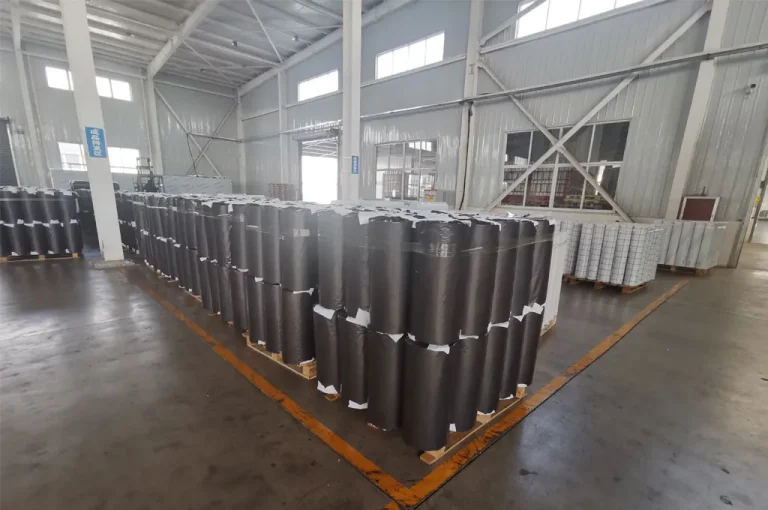
Why full-process production matters: When a supplier controls calendering + printing + slitting/packing, it is easier to keep coating/ink compatibility stable, reduce lead time, and offer consistent roll-to-roll quality—especially for repeat orders.
Wholesale PVC film typically ships in master rolls or slit rolls. The “best” roll is the one that fits your equipment and avoids unnecessary converting steps. If you plan to print, laminate, or slit again, ask for a winding style that keeps the web flat and minimizes telescoping.
① Master rolls: Best for converters who will slit to multiple SKUs. Lower per-meter cost, but requires reliable slitting capacity.
② Slit rolls (ready-to-run): Best for packaging and printing factories that want to reduce setup time and avoid slitting waste.
③ Custom roll lengths: Useful when you have fixed job lengths and want to minimize changeovers or leftover partial rolls.
Thickness is the fastest way to overpay or underperform. Too thin, and you may face curling, tearing, weak sealing, or poor stiffness for automated packing. Too thick, and you pay extra material cost and may reduce flexibility in folding, wrapping, or labeling.
For gravure, flexo, or screen printing, a stable web helps maintain registration and reduces wrinkling. Thicker films can run flatter, but the surface treatment and ink system matter just as much. If you need high-density graphics, metallic effects, or tactile finishes, consider structured surfaces such as embossing or specialty textures.
Tip for converters: When changing thickness, re-check tension settings, corona/treatment needs, and lamination parameters. A low-cost roll that is “almost the same thickness” can still behave differently at speed.
PVC film is valued for its versatility, surface aesthetics, and ability to be engineered for different functions (clarity, texture, anti-static, self-adhesive, etc.). In packaging, it is often selected when appearance and surface durability matter, or when you need a dependable protective layer.
If you want a baseline material that is widely used by converters, start with a calendered roll and then specify finish/treatment as needed. For example, you can review standard options under
Calendered Film.
Printing success depends on surface consistency and compatibility between ink, primer/coating, and the film’s top layer. For promotional packaging, display wraps, and decorative printed products, PVC film supports a wide range of finishes—from high gloss to matte, and from subtle textures to bold embossed effects.
Focus areas to improve print yield:
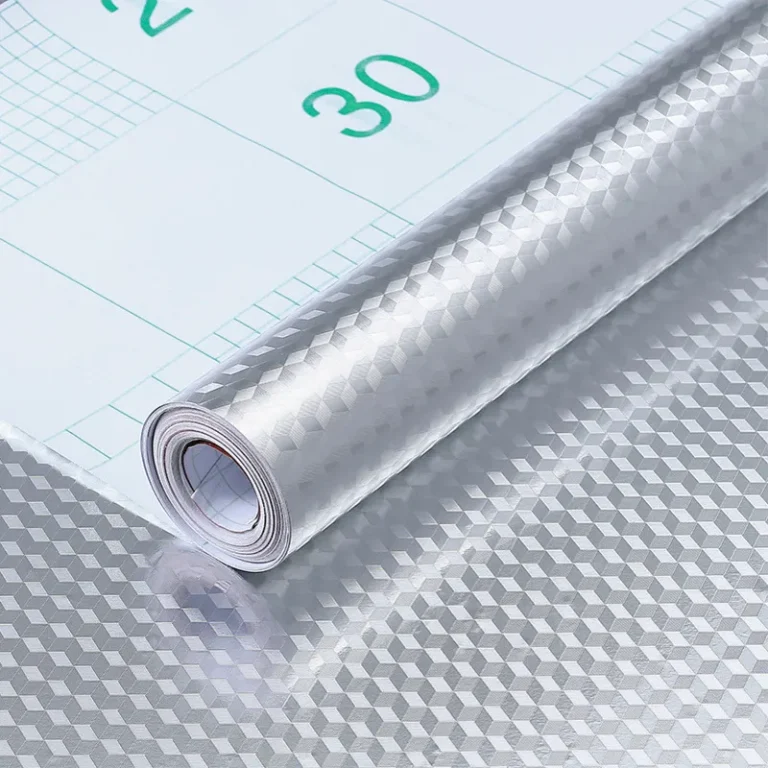
Textured films can improve grip, hide micro-scratches, and create premium shelf impact. If your product needs a tactile feel, a specialty option such as
3D Silk Texture Film
is often used for decorative wrap and high-end visual presentation—especially where lighting highlights surface depth.
The fastest way to narrow down PVC film options is to identify what the surface must accomplish: show the product (clarity), reduce glare (matte), add texture (embossing), protect electronics (anti-static), or simplify installation (self-adhesive).
Quality control checkpoints to request: thickness test, tensile strength, surface inspection under standard lighting, adhesion (if self-adhesive), and printability verification (ink anchoring / rub resistance).
Many wholesale buyers source PVC film not only for packaging but also for furniture, interior decoration, building materials, and home improvement products. This matters because suppliers with broad decorative-film capability can often provide more surface options, more stable patterns, and better color matching—useful if you plan to expand product lines.
For interior trims and finishing, products like
PVC skirting film
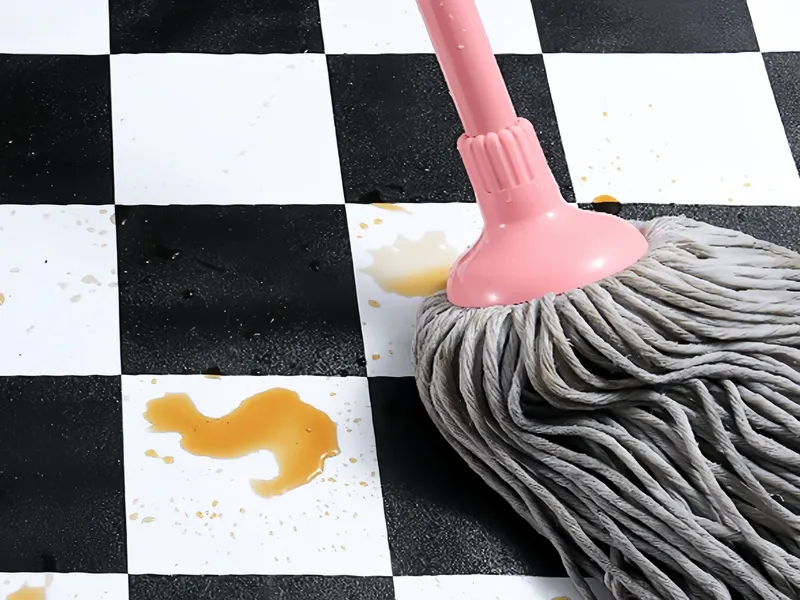
are commonly used to deliver a consistent decorative look with abrasion resistance. For flooring-related protective and decorative layers, buyers often evaluate
Floor Film
to match wear requirements and surface style.
A clear RFQ reduces back-and-forth and helps suppliers propose the lowest-cost option that still meets performance needs. When details are missing, suppliers tend to quote more conservatively, which can raise price or extend lead time.
RFQ checklist (copy/paste ready):
For wholesale PVC film, predictable delivery is often as important as price. Stable lead times reduce your inventory pressure and help you commit to customer delivery dates. Ask suppliers how they manage production planning and inventory, and whether they provide batch traceability for repeat orders.
Buyer reminder: If you plan to print, request a small trial roll or sample yardage first, then validate rub resistance, ink adhesion, and runnability at production speed before confirming a large wholesale order.
The most cost-effective PVC film is the one that runs smoothly on your equipment, prints cleanly, and arrives in roll formats that reduce waste and downtime. Start by selecting the correct thickness range for your packaging or printing task, then finalize the surface finish and functional treatments. Finally, lock in roll specifications (core, winding, OD, packing) so every shipment behaves consistently in production.
Many buyers start in the 120–200 micron range for a balance of runnability and cost, then adjust based on sealing, stiffness, and durability needs.
Yes. Most manufacturers can provide master rolls or slit rolls, and can customize width, roll length, core size, and winding requirements to fit your machines.
Glossy surfaces often maximize color pop, while matte/frosted reduces glare. For premium impact, textured or embossed films can add a tactile feel—verify ink adhesion with your specific printing method.
Many suppliers offer OEM/ODM for thickness, color/pattern, printing, and packing, and can provide documentation for standards such as ISO, REACH, RoHS, or FDA depending on the product.
Request samples or a trial roll, confirm the roll specification details on the PO, and run a controlled production test focusing on web handling, printing/adhesion, and any sealing or lamination steps.