Address
304 North Cardinal St.
Dorchester Center, MA 02124
Work Hours
Monday to Friday: 7AM - 7PM
Weekend: 10AM - 5PM
Address
304 North Cardinal St.
Dorchester Center, MA 02124
Work Hours
Monday to Friday: 7AM - 7PM
Weekend: 10AM - 5PM


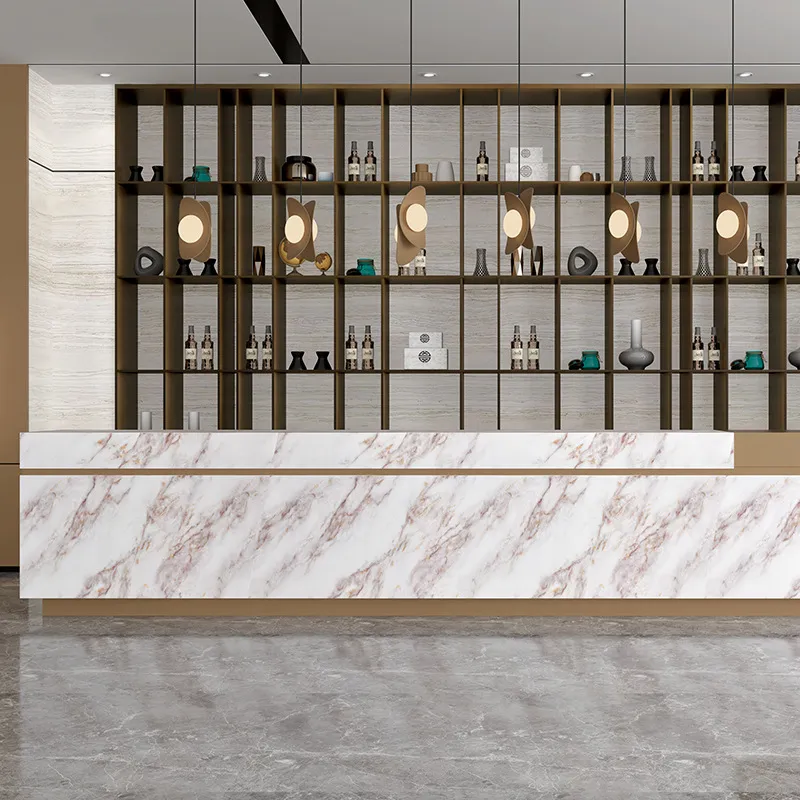
Laser PVC film can make a product look premium, modern, and highly recognizable—if you buy the right type, thickness, and finish for the job. This purchasing guide breaks down what “laser” means in PVC film, how to choose specifications that match your process (lamination, wrapping, printing, die-cutting), and how to evaluate suppliers to reduce risks like poor adhesion, color shift, curling, and inconsistent rolls.
✔ Quick definition:
Laser PVC film typically refers to PVC film with a holographic/laser effect layer or laser-like reflective patterning, used for decorative surfaces, branding highlights, anti-counterfeiting looks, and eye-catching retail displays.
Buying laser PVC film is less about choosing “the prettiest roll” and more about matching performance to real-life use. Begin with a clear application description, because thickness, embossing, adhesion system, and even packaging method change depending on the end product.
🏠 Furniture & panels
Cabinet doors, wardrobe panels, office desks, partitions. Prioritize scratch resistance, stable gloss, and consistent roll thickness for lamination.
🏗️ Building & interior decor
Wall panels, trims, skirting, decorative sheets. Focus on UV stability, anti-yellowing, and easy cleaning.
🧰 Advertising & display
POP displays, signage, packaging visuals. Confirm color stability under strong lights and good die-cutting behavior.
If your job is a general decorative lamination base, start by reviewing standard Calendered Film options and then confirm whether the holographic/laser effect is achieved by printing, coating, or a composite layer (this changes thickness, rigidity, and heat response).
“Laser” can describe multiple looks: rainbow diffraction, metallic sparkle, geometric hologram, or silk-like shimmer. The more complex the optical effect, the more important it is to validate consistency between batches and across roll width.
Key buying tip:
Ask for a production-matched sample (not only a showroom sample) and verify the effect under your actual lighting (warm indoor, cool LED, sunlight).
⚠ Common mismatch:
A laser effect that looks strong on a small swatch may appear weaker after lamination, embossing, or top-coating—especially if you use matte adhesives or textured substrates.
If your design needs a premium tactile appearance (not only reflection), consider pairing laser visuals with a texture film concept—e.g., a fabric-like visual direction such as 3D Silk Texture Film for high-end furniture and retail surfaces where “hand-feel” matters to buyers.
Thickness influences rigidity, conformability, durability, and lamination stability. Choosing the wrong thickness is one of the fastest ways to create waste: thin films may show substrate defects; thick films may crack on sharp corners or increase material cost without adding value.
| Thickness Range (Typical) | Best For | What to Watch |
|---|---|---|
| 0.08–0.15 mm | Light wrapping, labels, short-life decor, easy forming | May telegraph substrate lines; easier to stretch/warp under heat |
| 0.16–0.25 mm | General furniture lamination, panels, decorative sheets | Balance is good; confirm emboss depth and gloss stability |
| 0.26–0.40 mm | High-wear surfaces, deeper embossing, premium feel | Higher cost; test corner forming and adhesive wet-out |
🎯 Thickness decision shortcut:
Laser effects interact strongly with surface finish. A glossy top layer usually amplifies holographic reflection, while matte or soft-touch layers reduce glare and feel more “luxury,” but can soften the laser intensity.
Best for retail displays and bold decorative panels. Confirm scratch resistance and fingerprint appearance.
Great for interiors with strong lighting. Verify whether the matte layer reduces your laser effect more than expected.
Anti-static, anti-fog, stain resistance, or food-grade needs should be specified early, as they impact lead time and QC testing.
For interior parts like trims and baseboards, consider product systems specifically designed for those profiles, such as PVC Skirting Film, then validate whether the laser finish is compatible with your forming temperature and adhesive.
Many laser PVC film complaints—bubbles, edge lift, curl, or “silvering”—are not film defects alone. They are often compatibility issues between film surface energy, adhesive type, and process temperature/pressure.
🧪 Ask your supplier these process questions:
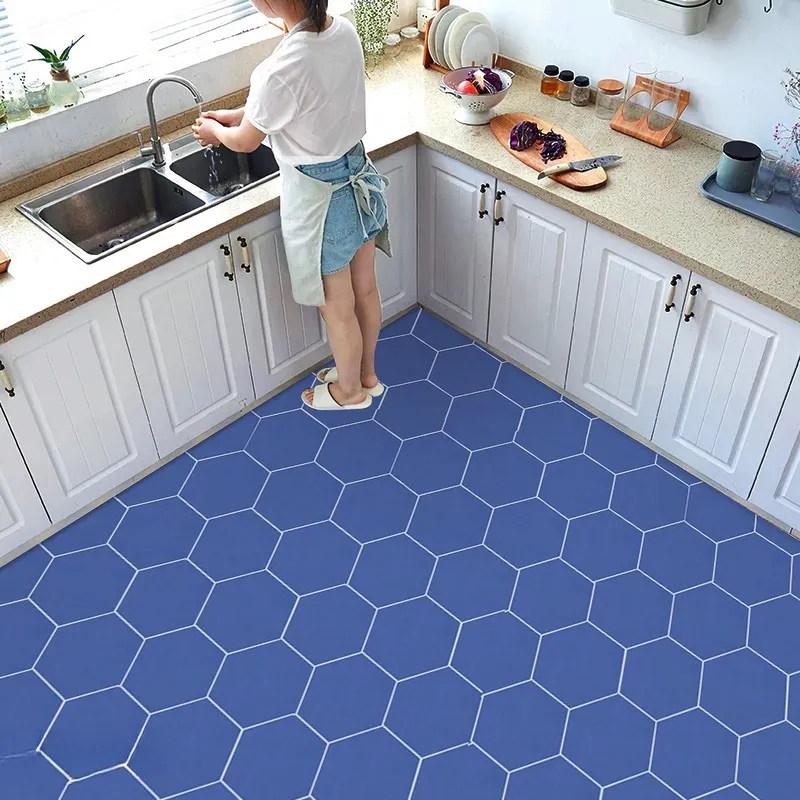
If your end product is flooring-related, evaluate whether the film family is designed for foot-traffic and cleaning chemicals. Flooring-oriented options like Floor Film typically prioritize wear resistance and dimensional stability, which can be critical when adding reflective laser effects.
A visually perfect film can still fail in production if roll specs don’t match your equipment. Confirm the physical logistics: roll width tolerance, total meters per roll, inner core diameter, and maximum outer diameter your machine can handle.
Ask for actual tolerance values and measurement method. Tight tolerance reduces edge waste in slitting and laminating.
Define how many splices per roll are allowed and how they’re marked. This protects automation uptime.
Individual wrapping with dust-proof PE film or kraft paper and clear labels reduces damage and mixing risk.
For projects in furniture, home goods, medical/clean packaging, or electronics, compliance and consistency are not optional. Ask for documents and test data that match your market and customer requirements.
A supplier with full-process control (calendering, printing, slitting, and packaging) can often deliver more stable quality and faster lead times because fewer steps are outsourced. If you require custom laser patterns, widths, or packaging, confirm the factory can handle sampling, scale-up, and repeat orders without “batch surprises.”
✅ Evaluate your supplier on:
Treat sampling as a mini-production run. Your goal is not only to approve appearance, but also to reduce future claims and downtime. Create a simple test plan that compares at least two thicknesses and two finishes if your budget allows.
Laser PVC film pricing typically reflects material formulation, effect complexity, coating layers, quality control standards, and packaging. The cheapest quote can become the most expensive order if it creates rework, high scrap rates, or customer complaints.
Cost drivers
Thickness, special coatings, laser pattern complexity, embossing depth, tight tolerances, and compliance documents.
Hidden costs
Splice frequency, roll defects, inconsistent gloss, poor labeling, weak packaging, and unstable lead times.
Value indicators
Batch traceability, test reports, stable repeatability, and supplier willingness to co-develop specifications.
A strong RFQ reduces miscommunication and speeds up sampling. Include your must-haves and your “nice-to-haves,” and state your end-use environment (indoor/outdoor, cleaning frequency, temperature exposure).
Many furniture lamination projects start around 0.18–0.25 mm, then adjust based on emboss depth, scratch targets, and corner-forming needs.
Adhesive haze, matte layers, substrate texture, and process heat can reduce reflection. Always approve a laminated production sample, not only a raw swatch.
Confirm adhesive compatibility (PUR/solvent/water-based), backside primer needs, lamination temperature/pressure, and film dimensional stability. Run peel tests after aging.
Yes. Many manufacturers support OEM/ODM customization for thickness, width, roll size, patterns, and export packaging—confirm MOQ and lead time during sampling.
Depending on market and use, buyers often request ISO 9001/14001, plus compliance such as REACH, RoHS, and FDA (for relevant contact applications), along with third-party test reports.