Address
304 North Cardinal St.
Dorchester Center, MA 02124
Work Hours
Monday to Friday: 7AM - 7PM
Weekend: 10AM - 5PM
Address
304 North Cardinal St.
Dorchester Center, MA 02124
Work Hours
Monday to Friday: 7AM - 7PM
Weekend: 10AM - 5PM


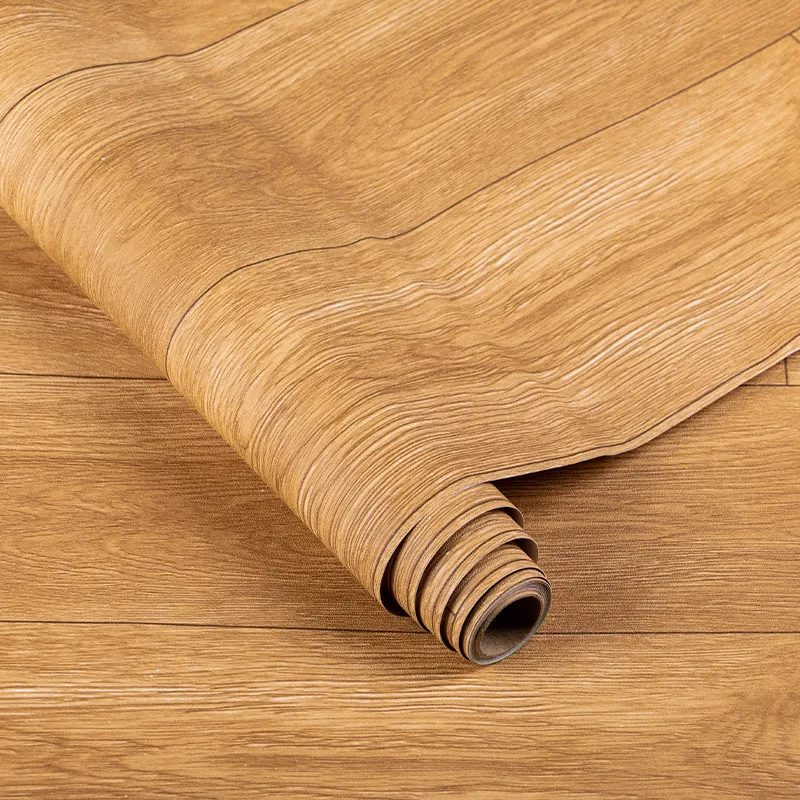
When you’re sourcing high gloss PVC film, the “best quote” is never just the lowest number.
A truly competitive quotation should include clear specifications, surface performance targets, quality compliance, and realistic lead times—so you can
finish cabinets, wall panels, doors, or display fixtures with consistent gloss and reliable processing.
This guide explains what to ask for, what to compare, and how to secure custom options without hidden costs.
Key takeaway:
The fastest way to reduce total project cost is to request quotes with complete specs (thickness, width, finish, embossing, adhesive, packaging),
then compare suppliers on yield, defect rate, and on-time delivery—not price alone.
High gloss PVC film is designed to deliver a reflective, premium-looking surface—often used for wardrobe doors, kitchen cabinets, decorative panels, and retail fixtures.
In quoting, “high gloss” can vary by gloss level consistency, scratch resistance, optical clarity, and how well the film lays flat during lamination.
Two rolls can look similar in photos but behave differently on your line, especially with vacuum pressing, flat lamination, or wrapping processes.
If your project demands a mirror-like finish, you should ask for measurable targets and process conditions, such as expected performance after forming,
cleaning resistance, and whether the film is supplied as a standalone calendered film or a multi-layer structure optimized for your application.
To get accurate and comparable quotes, provide a structured RFQ (request for quotation). Below are the details most suppliers need to price correctly and
avoid re-quoting later due to missing information.
High gloss PVC film pricing is influenced by raw material formulation, process stability, surface finishing, and the level of customization.
Understanding these drivers helps you negotiate better and avoid unnecessary upgrades.
Calendering is widely used for consistent thickness control and scalable production. If your quote references calendered construction, you can compare offers more fairly.
For context and typical configurations, see Calendered Film.
High gloss surfaces make defects more visible: gels, pinholes, flow lines, and micro-scratches can stand out under showroom lighting.
Stricter inspection standards can raise cost, but often reduce your waste rate and rework time—especially for cabinet fronts and flat panels.
Custom solid colors require stable pigment control batch-to-batch. Printed decorative patterns (wood grain, marble, artistic textures) add print setup and cylinder costs.
If you need premium-looking interiors, pairing high gloss surfaces with a realistic pattern can improve perceived value without switching to heavier board materials.
For pattern-based décor options, Marble Film
and Wood Grain Film can be useful references when defining style targets.
Anti-static, anti-fog, easy-clean, or enhanced scratch-resistance options can change the quote significantly.
If the film is used in kitchens, retail areas, or high-touch surfaces, upgrading to easy-clean or anti-fingerprint performance may reduce maintenance complaints.
For grease-prone areas, review application-oriented options like
Kitchen Anti-oil Film
to align expectations on cleanability and durability.
When multiple suppliers respond, convert each offer into a comparable sheet. This protects you from “low price / vague spec” quotes that later change after sampling.
Many buyers request “custom high gloss PVC film” but don’t specify what matters most. Good customization is targeted: it improves yield, reduces complaints,
or unlocks a new design effect—while staying within practical manufacturing ranges.
Ask for widths that match your laminator and board sizes to reduce trim waste. If your supplier controls slitting and packaging in-house,
you can usually get cleaner edges and better roll protection.
If your project includes multiple components (doors + skirting + wall panels), request a unified color target and a consistent gloss appearance under typical indoor lighting.
For coordinated finishing around walls and cabinetry, related product categories like
PVC Skirting Film
can help you define a cohesive interior look while standardizing procurement.
If you want a more “designed” surface rather than pure mirror gloss, consider light textures that keep the premium sheen but reduce fingerprint visibility.
Texture films can also hide minor substrate imperfections more effectively than ultra-flat mirror gloss.
Ask for two sample routes:
one “performance-optimized” option (better scratch resistance / stability) and one “cost-optimized” option (standard formulation).
Comparing them on your line often reveals the real cost-per-good-panel.
High gloss finishes are selected because they make spaces look cleaner, brighter, and more modern—without the cost and fragility of lacquered surfaces.
The best ROI typically appears when you need repeatable appearance, fast production, and easy maintenance.
Common uses include kitchen cabinets, wardrobe doors, office furniture panels, and drawer fronts.
In these settings, the quote should emphasize scratch resistance and cleanability, plus stable gloss across batches for consistent showroom appearance.
High gloss PVC film can be used for decorative wall boards, partitions, and commercial interiors where visual impact is critical.
If you’re covering large surfaces, prioritize dimensional stability and inspection standards because high gloss amplifies any waviness or surface defects.
Certain film configurations can support anti-static requirements or serve as protective films, depending on your manufacturing process.
If this is your case, your RFQ should specify any conductivity or surface resistivity targets and the environments the product will face.
A supplier’s ability to maintain quality and delivery is just as important as the unit price—especially for glossy products where minor variation becomes visible.
A reliable manufacturer typically has integrated production steps that reduce handoffs and improve accountability.
Sampling is where most projects succeed or fail. High gloss films should be tested under your actual production conditions—not only evaluated by hand.
Request samples that match your intended thickness, finish, and color target, then run a small trial using your real boards, glue, and press settings.
Don’t approve a glossy film from a small hand sample only. Ask for a full-width roll sample (or a larger panel trial)
so you can evaluate roll-to-roll appearance, winding quality, and any defects that only show up across long runs.
High gloss PVC film surfaces are sensitive to dust and pressure marks, so packaging matters.
Well-managed suppliers typically wrap each roll individually in dust-proof PE film or kraft paper and apply clear specification labels for easy receiving and traceability.
For export shipments, confirm pallet protection, moisture control, and handling instructions to reduce transit damage.
Lead time varies by customization level (new color matching or print setup generally takes longer). To protect your schedule, request:
sample timeline, first order timeline, and
repeat order timeline—and ask whether the supplier holds material inventory for stable production.
Provide film type, thickness, width, roll length, finish (high gloss level), color/pattern target, application method (vacuum press/lamination),
quantity, packaging requirements, and destination shipping terms.
Yes. Many suppliers can add functional surface treatments or adjust the structure to improve scratch resistance and reduce fingerprints, depending on your process and cost target.
MOQ varies by specification and customization complexity (especially custom colors and printed designs). Many manufacturers support trial orders, then scale to mass production.
Ask for batch traceability, defined inspection standards for glossy defects, and documented QC checks from raw materials through finished roll packaging.
Approving a larger production-like sample roll also improves repeatability.
Reputable PVC film manufacturers can provide ISO system certification and compliance test reports (such as REACH/RoHS) upon request, especially for indoor and regulated applications.