Address
304 North Cardinal St.
Dorchester Center, MA 02124
Work Hours
Monday to Friday: 7AM - 7PM
Weekend: 10AM - 5PM
Address
304 North Cardinal St.
Dorchester Center, MA 02124
Work Hours
Monday to Friday: 7AM - 7PM
Weekend: 10AM - 5PM


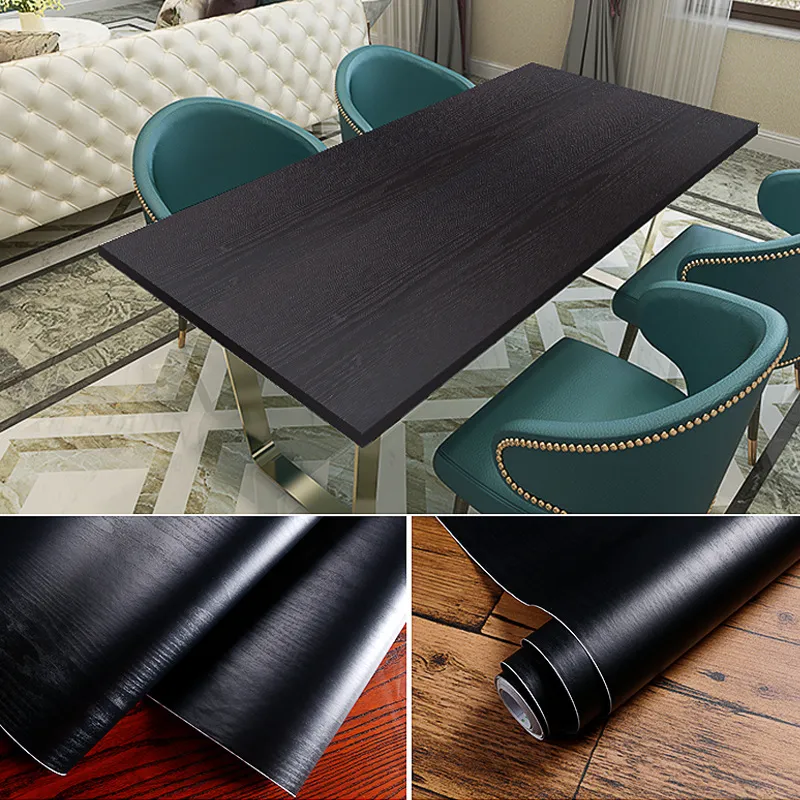
Flame Retardant PVC film is a flexible, durable plastic sheet engineered to slow flame spread and reduce fire risk in real-world applications such as insulation layers, surface protection, cable wrapping, interior finishing, and industrial barriers. Compared with standard PVC, flame-retardant grades are formulated for safer performance in environments where heat, sparks, or electrical loads are present—while still keeping the benefits that make PVC film popular: easy processing, stable dimensions, customizable textures, and cost-effective roll production.
✔ Key takeaway:
Flame retardant PVC film is designed for fire resistance + flexibility, making it suitable for demanding uses such as electrical insulation, protective coverings, decorative surfaces, and industrial lining where safety requirements are stricter.
Flame retardant PVC film is a polyvinyl chloride sheet (typically supplied in rolls) manufactured with additives that help the material self-extinguish or resist ignition under specified test conditions. It is commonly produced by calendering for consistent thickness and surface finish, then optionally printed, embossed, laminated, or coated depending on the target application.
For many industrial buyers, the goal is not to make a product “fireproof” (few polymers truly are), but to choose a film that supports compliance targets and lowers risk—especially when used alongside other layers such as foams, fabrics, metals, or composites.
Important:
Always confirm flame rating requirements with your project standard (industry, region, and end-use). Flame performance depends on thickness, formulation, backing materials, adhesives, and installation method.
Safety expectations are rising across building materials, furniture surfaces, electronics packaging, and industrial equipment. A flexible, flame-retardant film can act as a protective skin or functional layer—helping reduce ignition likelihood, limiting flame spread, and supporting safer operation in enclosed or high-traffic environments.
Not all flame retardant PVC films are identical. To select the right grade, evaluate both fire behavior and everyday performance:
Flame retardant PVC film is often used as a flexible insulation layer for electrical components and assemblies where improved fire behavior is needed. It can be slit into narrow rolls for wrapping, laminated into multi-layer structures, or used as protective overwrap for harness routing. When combined with anti-static or specialized coatings, it can support additional safety functions in electronics environments.
In factories, workshops, and warehouses, flexible sheets are used to protect sensitive surfaces from abrasion, dust, and handling damage. A flame-retardant grade is beneficial where there are hot tools, welding areas, sparks, or elevated temperatures. Protective films can also be matched to the substrate with controlled tack or easy-release behavior.
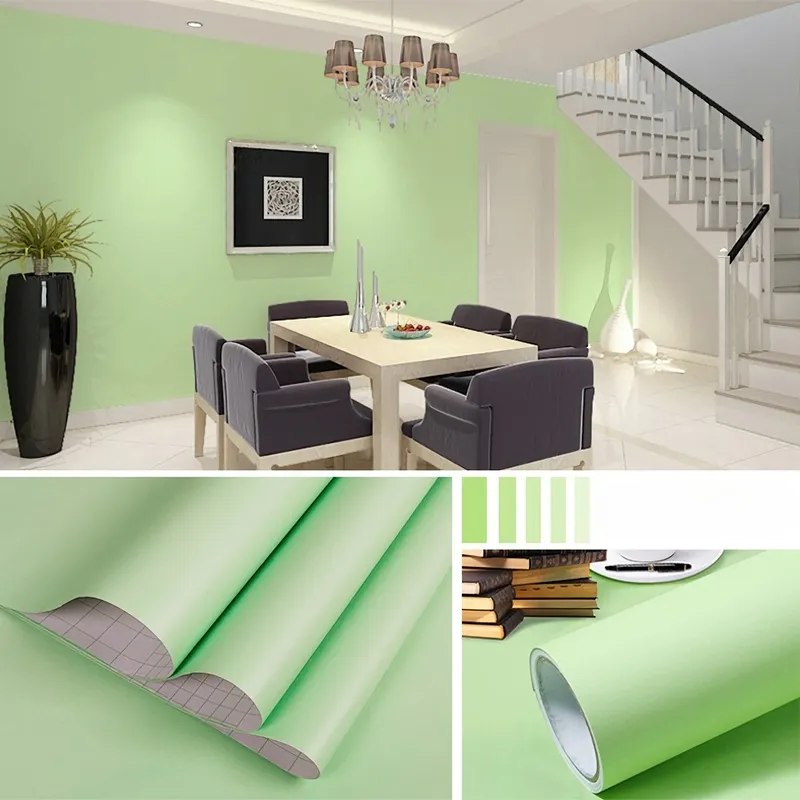
PVC decorative films are widely used on panels, doors, furniture boards, skirting, and wall solutions. For projects that target higher safety expectations, flame retardant versions provide a pathway to improved risk control while maintaining aesthetic options like wood grain, marble effects, or solid colors. For example, a clean, minimalist interior can benefit from a refined solid color wallpaper film solution when paired with the right substrate and installation method.
Furniture manufacturing often needs films that are easy to laminate and consistent in roll quality. Flame retardant PVC film can be specified for commercial furniture, public venues, or projects with stricter procurement standards. Decorative options can still include textured finishes such as 3D silk texture film or classic patterns, while meeting the functional goals of protection and safety.
In renovation and new build projects, films can be used for temporary floor protection, as part of composite layers, or for decorative floor surfaces depending on structure and compliance targets. If your design includes resilient surfaces, review suitable roll materials like floor film options and confirm whether flame-retardant formulations are required for your specific environment.
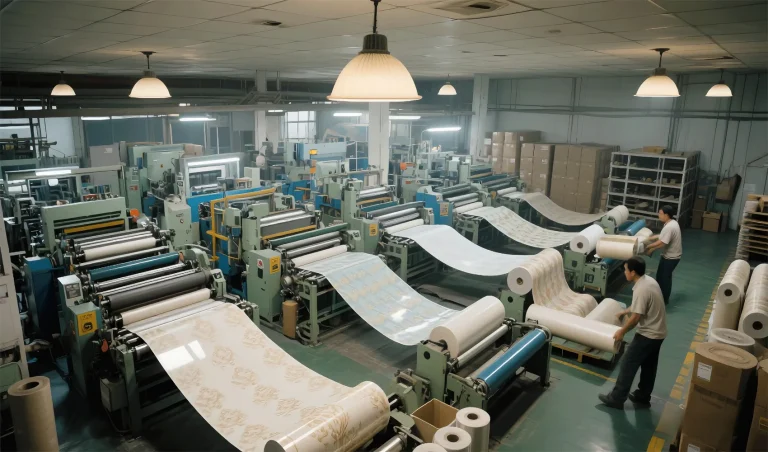
Performance consistency starts with process control. Calendering is commonly used to produce uniform thickness, stable surfaces, and reliable roll properties—especially for large-volume industrial supply. In a full in-house production setup, the supplier can manage calendering, printing, slitting, and packaging in one controlled workflow, reducing variability across batches.
Pulivk Film focuses on R&D and manufacturing of PVC films across decorative and industrial categories, supported by complete production lines from raw material processing to finished-roll packaging. This full-chain capability helps buyers balance quality control, lead time, and cost—especially when flame retardant performance must remain consistent after printing, embossing, or lamination.
For foundational roll materials, many projects start with a stable calendered film base and then add functional options (textures, printing, coatings) as needed.
Flame retardant PVC film is rarely “one-size-fits-all.” OEM/ODM customization is often the difference between a film that merely looks right and one that performs reliably in production and end use. Typical customization includes thickness, width, roll length, hardness/softness, surface texture, printing patterns, and packaging labels for traceability.
For international supply and long-term projects, compliance is often as important as appearance. Many buyers request films that align with environmental and safety expectations, including restrictions on heavy metals and certain plasticizers. Pulivk’s materials are positioned to support widely referenced systems such as ISO management standards and compliance frameworks like REACH and RoHS, with documentation available upon request.
✔ Purchasing reminder:
Ask whether the flame-retardant performance is validated on the final structure (film + adhesive + substrate), not only on the film alone—because composite behavior can differ significantly.
To avoid mismatches (for example, a film that passes a lab test but fails in production), align your selection with real process conditions and end-use risks.
Browse product categories at Pulivk Product, review technical learning content in Knowledge, or send your specifications for samples and quotations via Contact.
Even high-performing films can degrade if handled poorly. Keep rolls protected from dust and moisture, avoid direct sunlight during storage, and acclimate the material before lamination or application. For printed or textured surfaces, prevent abrasion between rolls and ensure clean work surfaces to reduce cosmetic defects.
Q1: Is flame retardant PVC film the same as fireproof material?
No. It is designed to reduce ignition and slow flame spread under defined conditions, but “fireproof” depends on the full system, thickness, and the standard being tested.
Q2: What information should I provide to get an accurate quotation?
Share the application, thickness, width, roll length, color/pattern, surface finish, required compliance, and estimated quantity. If you have a substrate and adhesive method, include that too.
Q3: Can flame retardant PVC film be customized for texture and printing?
Yes. Common options include embossing, matte/gloss finishes, printed patterns, and functional coatings, depending on the production route.
Q4: How do I verify consistent quality across batches?
Request batch traceability, QC checkpoints (thickness/strength/appearance), and—when required—third-party test reports. Trial production runs help confirm real processing stability.
Q5: What is the typical lead time for OEM orders?
Lead time depends on specifications, customization level, and order volume. Many suppliers can accelerate sampling and then schedule mass production with stable delivery based on production planning.