Address
304 North Cardinal St.
Dorchester Center, MA 02124
Work Hours
Monday to Friday: 7AM - 7PM
Weekend: 10AM - 5PM
Address
304 North Cardinal St.
Dorchester Center, MA 02124
Work Hours
Monday to Friday: 7AM - 7PM
Weekend: 10AM - 5PM


Getting a fair price for PVC film is not just about finding the lowest quote. It’s about understanding what drives cost, comparing offers on the same technical basis, and buying a film that performs consistently in your real application—furniture lamination, wall panels, flooring, packaging, medical clean areas, or industrial protection. This guide breaks down the true cost factors, typical “price per meter” logic, and practical steps to secure high-quality PVC film at the best overall deal.
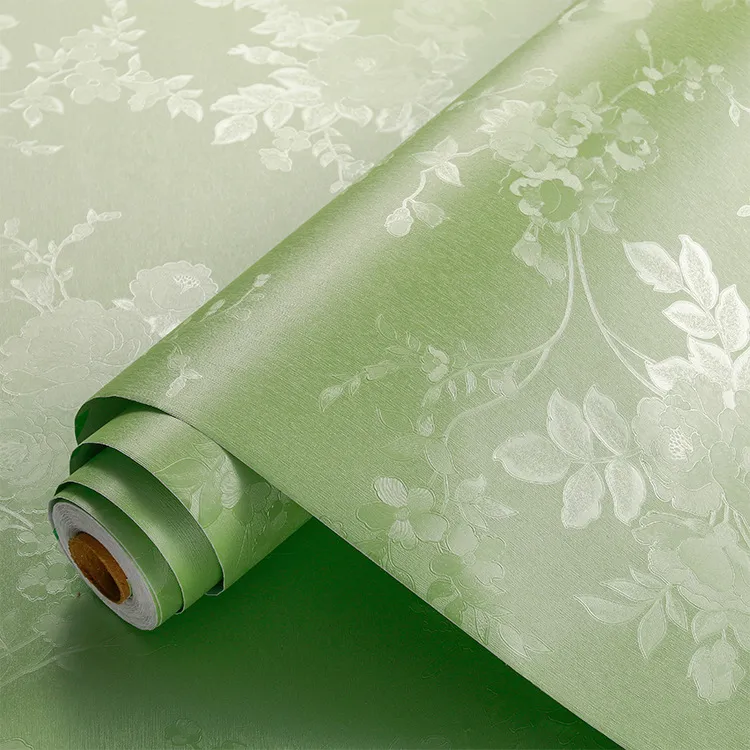
A fair price is the point where you pay for the performance you need—no more, no less—while ensuring stable supply, consistent QC, and predictable lead times. In PVC film, two suppliers can quote similar numbers but deliver very different outcomes due to resin grade, additives, calendering stability, printing quality, and packaging standards.
✔ Buying tip:
When comparing prices, always align thickness, width, surface finish, embossing, adhesive (if any), compliance requirements, and roll length. If any one of these differs, “price per meter” becomes misleading.
The base resin and plasticizer system heavily influence flexibility, odor, durability, and long-term stability. Higher-grade formulations can improve clarity, reduce shrinkage, and maintain performance in heat/humidity—especially important for furniture surfaces, door skins, and interior decorative applications.
Stable calendering and tightly controlled printing reduce thickness deviation, color drift, and surface defects. End-to-end capability (from calendering to printing to slitting and packing) often yields better consistency and fewer disputes because accountability stays within one system.
If you’re sourcing calendered base film for downstream lamination, you can reference a standard product category like
Calendered Film
to define your baseline specs (thickness range, surface, clarity, mechanical properties) before requesting a quotation.
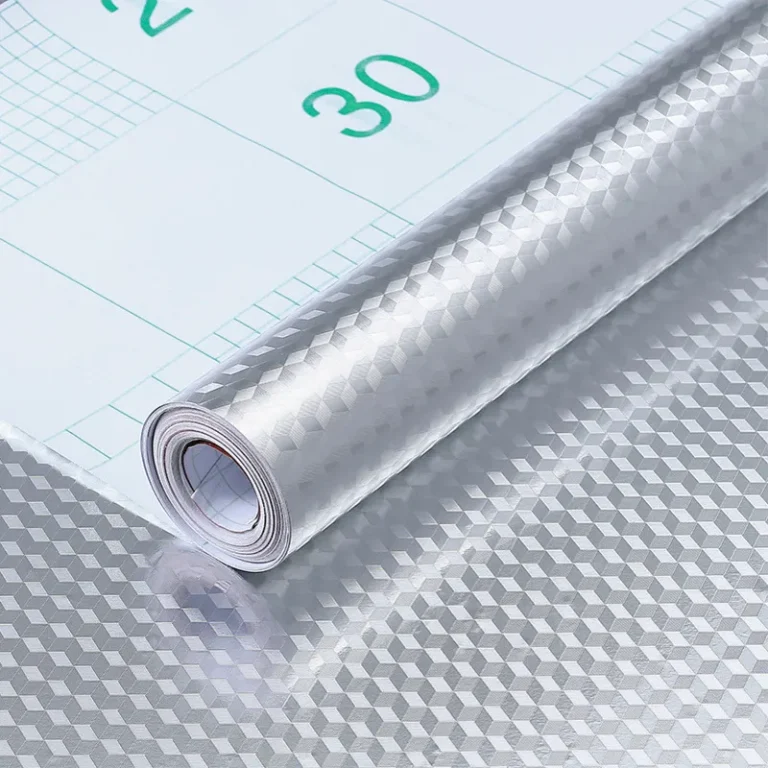
PVC film pricing is commonly quoted per meter, per square meter, or per kilogram. Thickness (micron/mm) changes weight per meter, so a “cheap per meter” roll may actually be thinner than your requirement—or have a wider thickness tolerance.
🔎 Quick comparison rule:
Ask suppliers to quote in $/m² or $/kg alongside thickness tolerance (e.g., ±0.01 mm) and verified net weight per roll. This makes “apples-to-apples” comparisons easier.
For decorative and protective surfaces, also confirm surface energy, gloss level, emboss depth, and shrinkage rate—these influence lamination yield and final appearance.
Surface finish changes both material and processing cost. A stable matte surface may require more careful formulation and calendering; embossed textures require pattern rollers and tighter process control; soft-touch coatings add another technical layer.
If your brand positioning depends on premium feel (for example, boutique furniture cabinets or upscale retail fixtures), a texture product such as
3D Silk Texture Film
can justify a higher unit price by reducing visible defects and improving customer perception.
Wood grain, marble, textile grain, and metallic looks differ in print layers, registration tolerance, and ink consumption. Tight color matching across batches can add cost—but it prevents production stops when you laminate multiple lots into the same project.
Decorative options like
Wood Grain Film
and
Marble Film
typically require strong printing know-how to keep the pattern natural and repeatable across large quantities.
Self-adhesive film pricing depends on adhesive type (permanent/removable), coat weight, initial tack, aging resistance, and liner choice. If you apply film in colder workshops or humid environments, you may need adhesive tuned for real-world conditions, not just lab adhesion numbers.
Protective packaging (dust-proof PE wrap, kraft paper, corner protection, clear labeling) affects landed cost but reduces claims and rework. For export shipments, moisture protection and roll-edge protection are often worth the small premium.
“Price per meter” only works when width and thickness are fixed. Otherwise, two rolls with the same length can contain very different amounts of material.
Also confirm whether the quote includes splicing allowance, core size, and any edge trimming loss. These details affect yield—especially for wide laminators or high-speed wrapping lines.
Tell suppliers exactly where the film will be used: cabinet doors, wall panels, flooring, skirting boards, appliance panels, packaging, or clean-room protection. Each scenario needs different properties—scratch resistance, dimensional stability, anti-static behavior, or chemical resistance.
Samples should match the exact production route—same thickness, same surface finish, same printing lot standards. When you test, simulate your real process: lamination temperature, pressure, glue system, curing time, and storage conditions.
For decorative projects, test under the same lighting your customer will use (showroom LEDs, natural daylight, warm indoor light). Color shift that looks minor in the factory can become unacceptable on-site.
The best deal is the lowest total cost of ownership: high yield, low scrap, fewer customer returns, stable delivery, and reliable after-sales support.
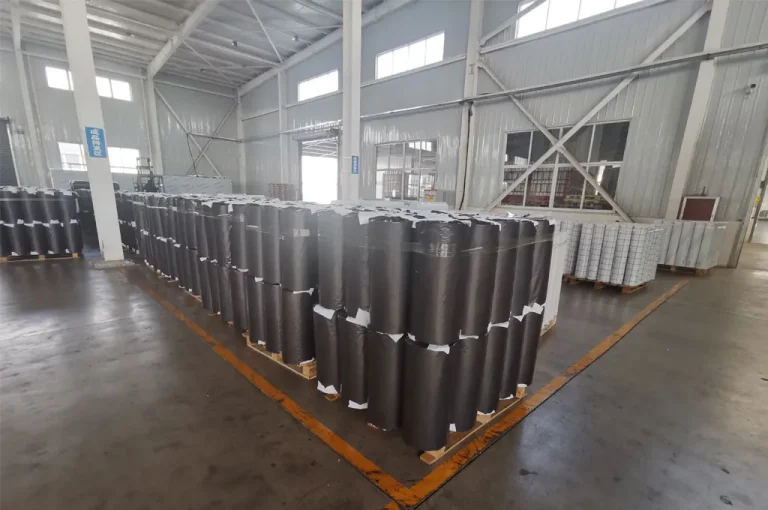
A manufacturer with integrated calendering, printing, slitting, and packaging can control quality through every stage and optimize cost without sacrificing performance. This also helps shorten lead time and keep batch-to-batch consistency.
Prioritize color consistency, scratch resistance, and low shrinkage. A slightly higher film cost can be justified if it prevents edge lifting, color mismatch, or surface defects on glossy doors.
Look for low odor, stable texture, and durable print. If you want clean, modern interior style, simpler SKUs can reduce cost while keeping premium appearance—such as
Solid Color Wallpaper.
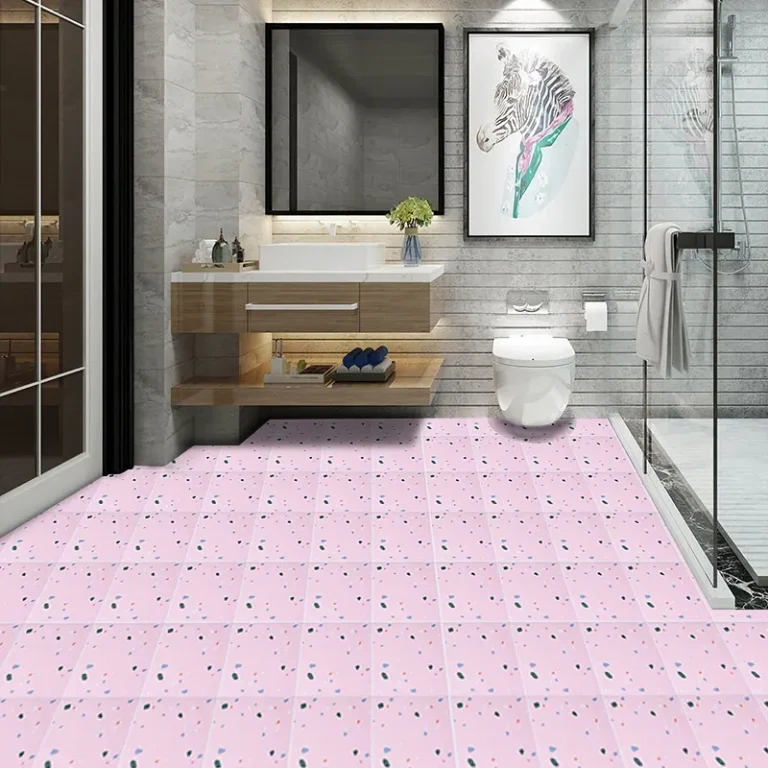
Flooring needs abrasion performance and dimensional stability. Ask about wear-layer options and performance tests. If you’re building a consistent flooring SKU, using a dedicated category like
Floor Film
helps ensure the supplier quotes a film designed for traffic and cleaning routines, not a general-purpose decorative roll.
Strong negotiation focuses on spec stability and risk control, not forcing a number that triggers cost cutting.
⚠ Common mistake:
Pushing for the lowest possible quote without a fixed spec often results in hidden downgrades—looser thickness tolerance, lower-grade additives, weaker packaging, or unstable printing—leading to higher scrap and customer complaints.
When one manufacturer controls calendering, printing, and slitting/packaging in-house, it can reduce handover losses, shorten lead time, and keep quality consistent. That consistency is often the difference between a “good price” and a “good deal,” because fewer defects mean fewer returns and less rework.
Full-process suppliers typically support OEM/ODM customization (size, color, pattern, coating, packaging) and can optimize the product to your equipment settings—helpful when you’re scaling from trial orders to stable monthly purchasing.
PVC film is a thin sheet made of polyvinyl chloride used for decorative, industrial, and packaging purposes—commonly for furniture surfaces, wall panels, flooring, protection, and functional films (anti-static, clear, etc.).
Differences come from resin/additives, thickness tolerance, surface finish (gloss/matte/emboss/soft-touch), printing complexity, adhesive/liner choices, QC standards, and packaging/export protection.
If width and thickness are fixed, price per meter can work. Otherwise, comparing $/m² or $/kg is usually fairer and reveals true material differences.
Yes. Many manufacturers offer OEM/ODM customization for thickness, width, roll size, surface treatment, color/pattern printing, and export-ready packaging based on your application.
Share your film type, thickness, width, surface finish, color/pattern, intended use, and order quantity. For a direct inquiry, use the supplier’s contact channel such as
Contact
to submit specs and receive a matched sample and pricing.