Address
304 North Cardinal St.
Dorchester Center, MA 02124
Work Hours
Monday to Friday: 7AM - 7PM
Weekend: 10AM - 5PM
Address
304 North Cardinal St.
Dorchester Center, MA 02124
Work Hours
Monday to Friday: 7AM - 7PM
Weekend: 10AM - 5PM


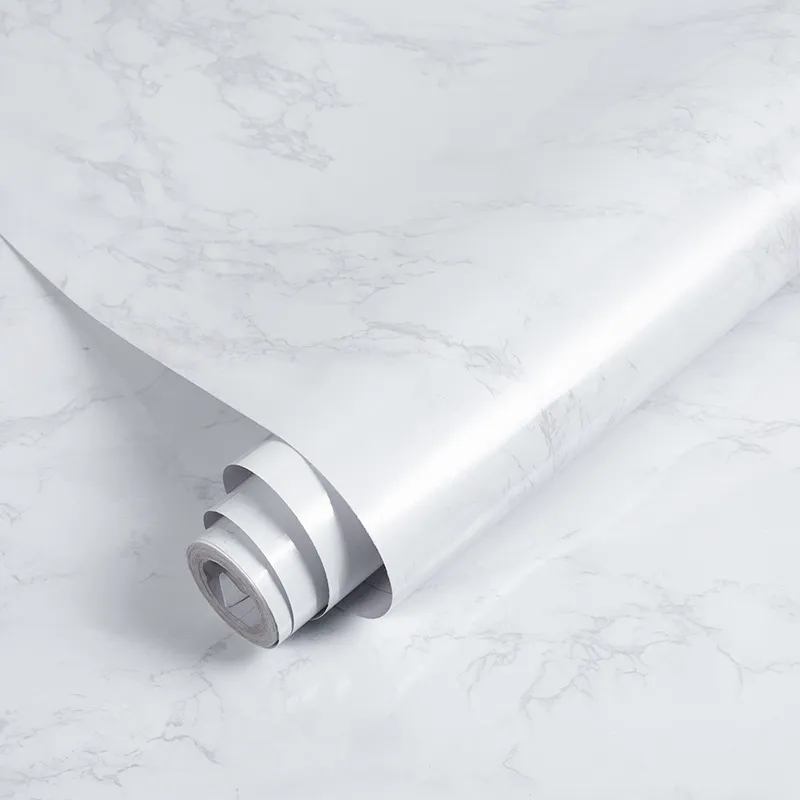
Fabric PVC film is a practical way to combine the look and feel of textiles with the durability, cleanability, and processing advantages of PVC. It’s widely used in furniture panels, wall coverings, doors, skirting, flooring accessories, display surfaces, and protective laminations—especially when you need consistent texture, stable color, and scalable production.
This purchasing guide focuses on three core decisions that determine whether your project succeeds: thickness, finish/texture, and supplier capability.
If you align these early, you reduce sampling rounds, avoid installation complaints, and protect your margins.

In purchasing terms, “fabric PVC film” usually refers to either a cloth-like embossed PVC decorative film or a PVC film laminated/combined with a fabric base (sometimes described as “cloth grain,” “silk texture,” or “fabric-backed film”). The goal is to reproduce fabric aesthetics—soft visual diffusion, textile patterning, and tactile depth—while keeping PVC’s benefits: moisture resistance, easy cleaning, and compatibility with industrial lamination or wrapping.
Key idea: the “fabric look” can come from embossing, printing, or composite structures. Ask which one you are buying—because it changes thickness, softness, and bonding requirements.
Thickness is not just “more is better.” It influences wrap-ability, scratch resistance, dimensional stability, and how forgiving the film is on imperfect substrates. A film that is too thin can telegraph defects; too thick can crack on sharp corners or require different adhesive/temperature settings.
If you do membrane pressing, flat lamination, or profile wrapping, thickness must match your process window. Thicker films can hold embossing better and resist dents, but may need higher forming temperature or larger corner radii. Thinner films can wrap easily but may show glue lines, substrate seams, or sanding marks.
✔ Buyer tip: request tolerance data (e.g., ±0.01–0.02 mm) and ask whether thickness is controlled across the roll width. Even small variation can cause uneven gloss or inconsistent emboss depth on wide laminations.
The finish is what customers notice first. For fabric PVC films, finish selection should start with the visual goal (linen-like, silk-like, woven, micro-fiber feel), then confirm maintenance and durability (scratch resistance, stain resistance, fingerprint visibility).
If your film will be used in kitchens, bathrooms, electronics packaging, or medical/clean areas, functional coatings can be more important than the base thickness.
For projects needing stable thickness and large-scale lamination performance, start with Calendered Film.
If your design needs elevated tactile realism, consider 3D Silk Texture Film.
For interior trims and edge visuals, PVC skirting film is commonly specified.
When you want clean modern color blocking for walls or panels, Solid color wallpaper is a practical reference category.
A sample can look perfect and still fail in production. The supplier’s process control and quality assurance determine whether rolls remain consistent across batches, whether lead times are reliable, and whether your complaints are handled professionally.
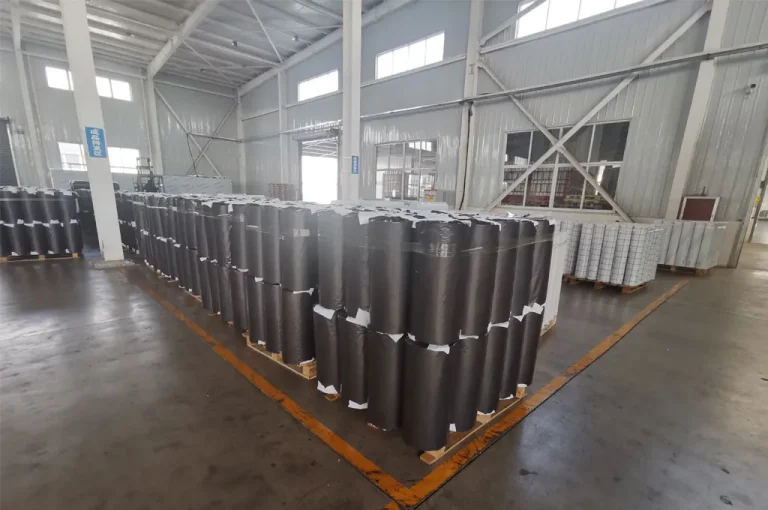
Strong suppliers typically control the full chain—calendering, printing, slitting, and packing—because it reduces cross-factory variation. A fully integrated setup also allows faster correction if emboss depth, gloss level, or color drift occurs.
What to ask in your RFQ (use this checklist):
Film inconsistency causes real financial loss: extra labor, rejected panels, rework on-site, and delayed delivery to your client. When comparing quotes, request details on how the supplier maintains stable output (equipment, process settings, inspection frequency, and corrective actions). If your market is sensitive to “batch-to-batch color shift,” insist on controlled color matching and sample approval standards.
For many buyers, compliance is not optional. If your film is used indoors, on frequently touched surfaces, or in regulated industries, ask for alignment with commonly requested standards such as ISO systems, REACH/RoHS expectations, and food-contact requirements when applicable. Also evaluate export packaging: moisture protection, dust-proof wrapping, clear specification labels, and protection against roll edge damage.
The fastest way to avoid mismatched quotes is to standardize your specification. “Fabric PVC film” is a broad term—two suppliers may price different constructions while both appear to meet your description.
Don’t only evaluate appearance on a desk. Ask for enough material to run a small production trial and check how the film behaves under real temperatures, adhesives, and pressing times. Evaluate color under multiple lighting conditions (daylight, warm indoor, cool LED) because fabric-like textures can create directional sheen or shadowing.
⚑ Practical checkpoint: confirm whether the emboss pattern has a “grain direction.” If yes, define installation orientation to avoid visible panel-to-panel mismatch on large surfaces.
For cabinets and furniture panels, buyers often choose mid-range thickness for balanced forming and durability, with matte or cloth-grain finishes to reduce fingerprint visibility. If you’re building a premium line, soft-touch or silk-like textures can differentiate the product, but you should validate abrasion resistance and cleaning compatibility to prevent returns.
Textile-like finishes work well for wall surfaces because they diffuse light and feel warmer than plain solids. Here, stable color and consistent emboss depth across rolls are crucial—large walls make even small differences obvious. Solid color systems can be easier to manage for batch matching, especially when paired with consistent matte gloss.
Skirting and trims face frequent cleaning and impact. Choose finishes that hide micro-scratches and don’t show wipe marks. For matching with panels or floors, confirm the supplier’s ability to align color and undertone across different emboss patterns.
When you scale from a few rolls to a container order, the real differentiator becomes control: control of raw material consistency, control of calendering thickness, control of printing registration and color, and control of slitting/packing that prevents edge damage and contamination. OEM/ODM support also matters when your brand needs a proprietary fabric pattern, a specific undertone, or custom roll formats for your machines.
A supplier with integrated calendering, printing, and slitting/packing can typically shorten lead times and reduce coordination risk. It also makes corrective actions faster if you identify issues during trial runs—because the same team can adjust the upstream process instead of pushing blame across multiple subcontractors.
Start with a mid-range option (often around 0.15–0.25 mm) and run a small trial using your real adhesive and temperature settings. It usually provides the best balance between wrapping and surface durability.
Both can perform well, but matte + fine fabric emboss typically hides fingerprints and light scratches best. Always test with your customer’s cleaning habits (dry cloth, wet wipe, mild detergent).
Approve a physical standard, set an acceptable ΔE tolerance, and request batch traceability and inspection records. For large projects, ask the supplier to produce the full quantity in one planned batch when possible.
Yes—most capable manufacturers support OEM/ODM customization such as thickness, roll width/length, emboss pattern, color matching, printing, and export packaging. Confirm MOQ and lead time based on your customization level.
Send application, thickness, finish/texture, color reference, roll size, order quantity, and any functional requirements (anti-static, oil-proof, soft-touch). The clearer the spec, the more comparable your quotes will be.