Decorative PVC Film: Uses, Benefits, Types, and How to Choose the Right Finish for Your Project

Decorative PVC film is a versatile surface material used to upgrade the look, feel, and durability of everyday products—without the cost and maintenance of natural wood, stone, or metal. From furniture panels and doors to wall cladding and retail fixtures, it delivers consistent patterns, reliable protection, and fast installation across residential and commercial spaces.
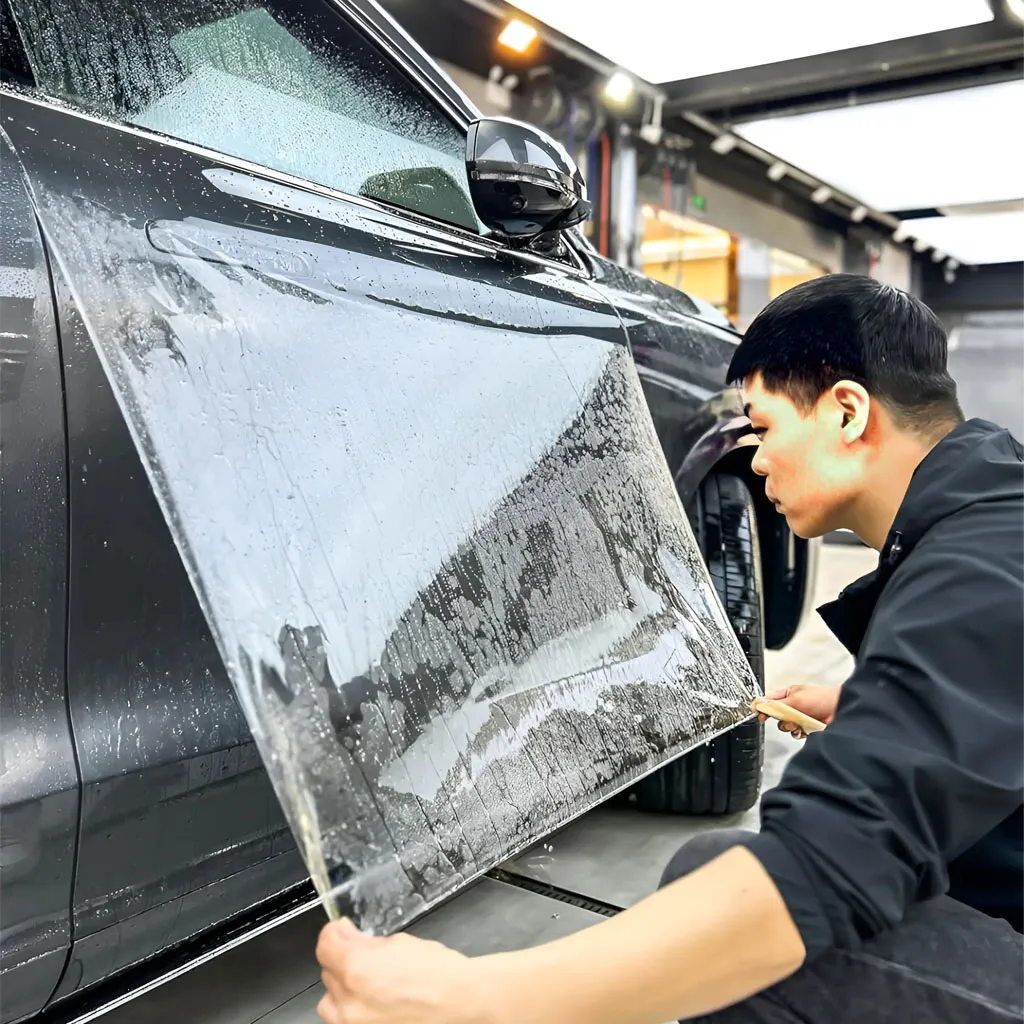
Decorative PVC Film: Uses, Benefits, Types, and How to Choose the Right Finish for Your Project

Key idea:
Decorative PVC film is not “just decoration.” It can also add scratch resistance, moisture protection, stain resistance, easy cleaning, and functional coatings (e.g., anti-static, anti-fog) depending on the specification.

What Is Decorative PVC Film?

Decorative PVC film is a thin sheet made from polyvinyl chloride that is designed to cover or laminate onto a substrate such as MDF, particleboard, plywood, metal, glass, acrylic, or composite panels. The film can be produced in many surface appearances—wood grain, marble, solid colors, textile textures, metallic effects, and 3D embossed patterns—then applied using lamination, wrapping, hot pressing, vacuum pressing, or self-adhesive methods.

In modern manufacturing, many decorative PVC films are produced via calendering and printing for stable thickness and consistent visuals. If you’re comparing base materials, explore calendered film as a common foundation for decorative and industrial-grade solutions.

Where Decorative PVC Film Is Used (Real-World Applications)

Furniture & Cabinetry

Used on cabinet doors, wardrobe panels, desk tops, and shelving to create wood, matte, or glossy finishes with better day-to-day practicality.
Popular options include wood grain film for natural aesthetics and
glossy wardrobe film for high-shine contemporary interiors.

Walls, Doors, Ceilings & Decorative Panels

Ideal for hotels, offices, retail stores, and residential renovations where consistent color and texture matter. Solid-color solutions can be used for
clean, minimalist walls—see solid color wallpaper as a related option for uniform interior coverage.

Skirting Boards, Trims & Profiles

Decorative film can wrap skirting, trims, and molded profiles, helping match floors and walls while improving resistance to scuffs in high-traffic areas.
For this niche, PVC skirting film is commonly selected for its balance of appearance and abrasion performance.

Flooring & Surface Protection

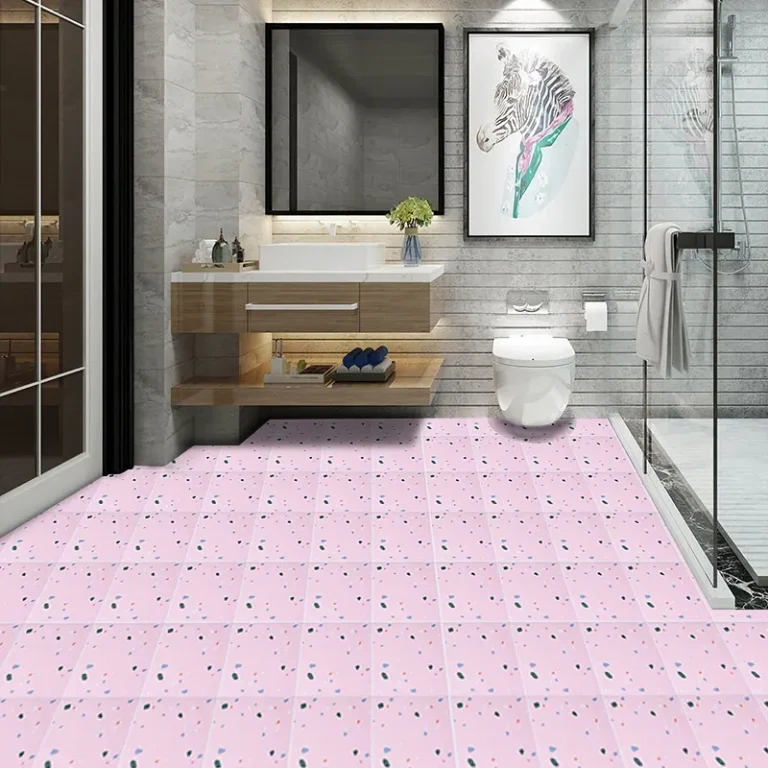
In commercial and residential projects, PVC films can be engineered for flooring layers, protective overlays, or surface protection needs.
When exploring film designed for this category, start with floor film to understand typical structures and use cases.

Benefits: Why Designers and Manufacturers Choose Decorative PVC Film

Performance Benefits

  • Moisture resistance: helps protect substrates in kitchens, bathrooms, and humid regions.
  • Scratch & wear resistance: suitable for furniture fronts, trims, and public spaces (depending on topcoat and emboss).
  • Easy cleaning: most finishes can be wiped with mild cleaners, reducing maintenance cost.
  • Stable aesthetics: repeatable patterns and colors help achieve consistent production across batches.
  • Functional options: anti-static, anti-fog, food-grade coatings, and other surface treatments can be specified for special environments.

Commercial Benefits

  • Cost control: premium looks (wood, marble, metal) without sourcing natural materials.
  • Production efficiency: roll-to-roll processing supports scalable manufacturing.
  • Customization: thickness, width, pattern, and packaging can be aligned to your line speed and equipment.
  • Reduced rework: consistent surfaces help lower mismatch and quality disputes.

Types of Decorative PVC Film (By Look, Structure, and Application)

1) By Visual Style

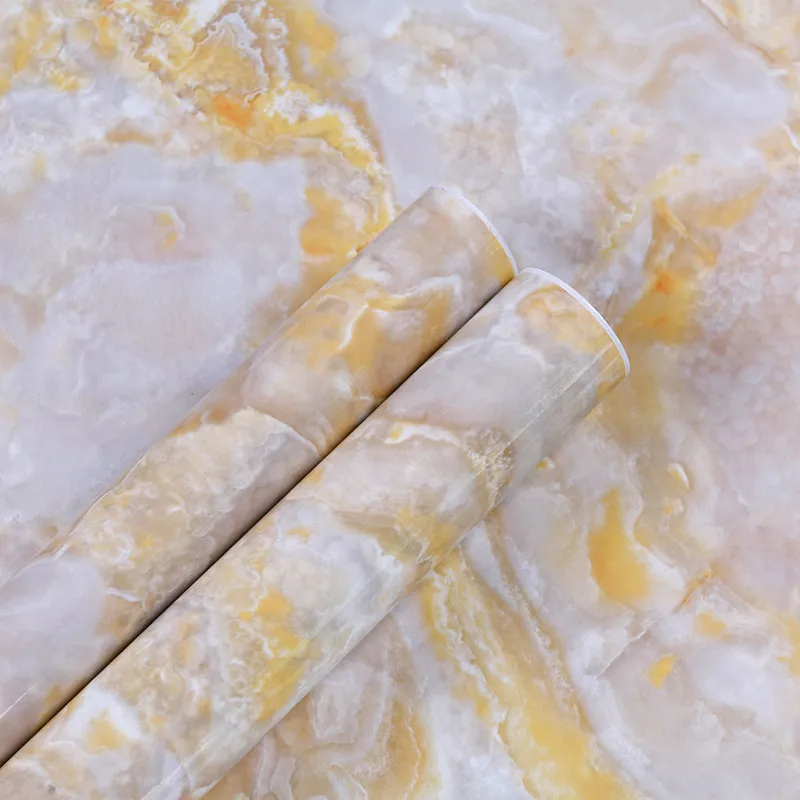
Common decorative series: wood grain, marble/stone grain, solid color, cloth grain, metallic, brushed texture, pearlescent, artistic textures, and 3D embossed designs.

For statement interiors (boutiques, hotel lobbies, feature walls), textured options such as 3D silk texture film can add tactile depth while remaining easier to maintain than real fabric panels.

2) By Surface Finish

  • Glossy: high reflection, modern look; highlights surface flatness requirements.
  • Matte: soft reflection, hides fingerprints better; ideal for warm, premium interiors.
  • Embossed / 3D: tactile grain (wood pores, textile weave, stone texture) that improves realism and helps mask minor substrate imperfections.
  • Soft-touch: velvet-like feel for high-end furniture and consumer electronics surfaces.
  • Transparent / frosted: privacy and diffusion effects for partitions and decorative glass-like panels.

3) By Structure & Installation Method

  • Calendered decorative film: stable thickness and commonly used for furniture, doors, and wall panels.
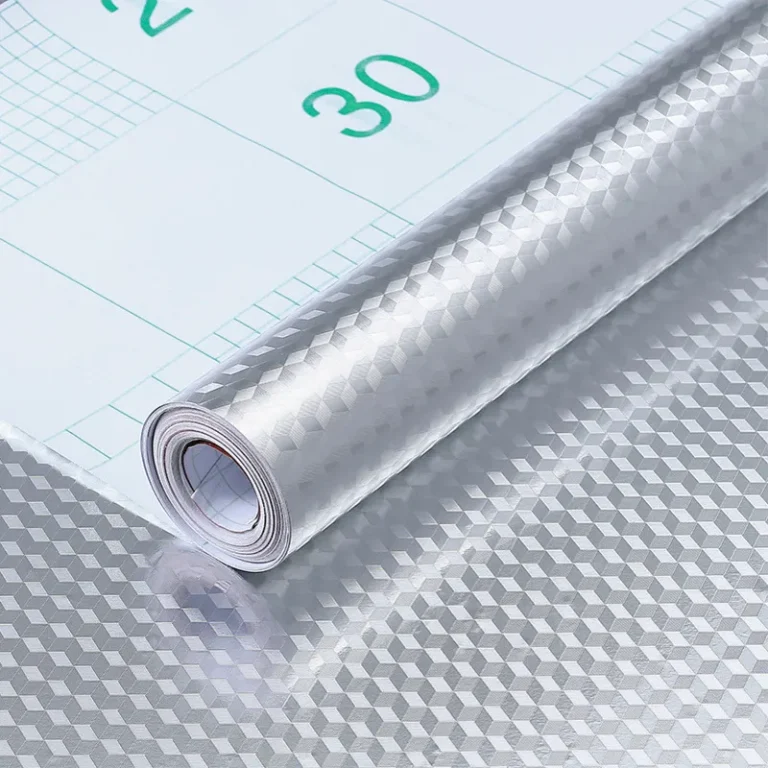
  • Self-adhesive film: faster application for renovation and quick updates; requires careful surface preparation to avoid bubbles.
  • Laminating / wrapping film: designed for hot lamination, cold lamination, profile wrapping, or vacuum pressing depending on adhesive system.
  • Single-layer vs. multi-layer composites: multi-layer builds can improve dimensional stability, abrasion resistance, and print depth.

How to Choose the Right Finish for Your Project

Choosing decorative PVC film is easiest when you treat it like a performance specification—not only a color decision. The best finish depends on where it’s used, how it’s cleaned, what it touches, and what your production line requires.

Step 1: Define the environment

  • Humidity & water exposure: bathrooms, kitchens, coastal regions → prioritize moisture resistance and edge sealing strategy.
  • High touch / frequent cleaning: cabinet fronts, retail counters → consider matte or fingerprint-resistant textures and chemical resistance.
  • Public traffic: trims, skirting, commercial furniture → choose tougher topcoats and abrasion-resistant embossing.
  • Sensitive spaces: medical, childcare, food contact zones → request compliant materials and safety documentation.

Step 2: Match finish to substrate quality

Substrate flatness and cleanliness directly affect the final appearance—especially with glossy surfaces.
If your board has minor imperfections, a matte or embossed finish typically hides them better than high gloss.

Tip: for high-gloss wardrobe panels, specify tighter substrate tolerances and consistent adhesive coating to avoid “orange peel” texture.

Step 3: Choose the right functional options

  • Anti-static: helpful for electronics, appliance panels, and dust-sensitive environments.
  • Anti-fog: useful for bathroom zones, partitions, and display covers.
  • Oil / stain resistance: recommended for kitchen fronts and cooking-adjacent areas.
  • Soft-touch: adds premium tactile feel; confirm cleaning method compatibility.

Step 4: Verify core specs (don’t skip this)

To prevent production issues, align your film specification with your lamination or wrapping process:

  • Thickness & tolerance: influences stiffness, wrapping behavior, and perceived “premium” feel.
  • Width & roll length: should match machine capability and optimize yield.
  • Adhesion system: confirm compatibility with your glue, primer, or hot-melt process.
  • Emboss registration: for realistic wood pore alignment (visual depth matters on large panels).
  • Quality standards: ask for RoHS/REACH/FDA-related compliance where required.

Choosing Designs That Feel “Right” in a Space

Decorative PVC film succeeds when it supports the way people use a room. For example, in busy family kitchens, a mid-to-deep matte wood grain often feels warmer and hides fingerprints better than a mirror gloss. In commercial interiors, a stone or marble look can create a premium impression, but the best results come when the lighting plan and panel seams are considered early—because reflective finishes amplify joins and surface waviness.

Quick finish guide (most common decisions)
  • Want easy maintenance? Choose matte, textured, or soft-touch with proven cleanability.
  • Want luxury impact? Choose high-gloss, metallic, or marble effects—then invest in substrate and installation quality.
  • Want realism? Choose embossed textures with good print depth and consistent pattern repeat.
  • Need fast renovation? Consider self-adhesive options with proper surface prep and edge finishing.

Quality, Safety, and Sustainability Considerations

Not all PVC films are made to the same standard. For interior decoration and human-contact scenarios, many buyers require materials free of heavy metals and phthalates, plus documentation aligned with ISO management systems and regulations such as REACH and RoHS. If your project touches food areas or healthcare environments, confirm the needed test reports and clarify cleaning chemicals, sterilization routines, and expected service life.

What to request before mass production

  • Samples or trial rolls for adhesion, appearance, and forming tests on your real substrate.
  • Batch traceability and QC checkpoints (thickness, strength, adhesion, optics).
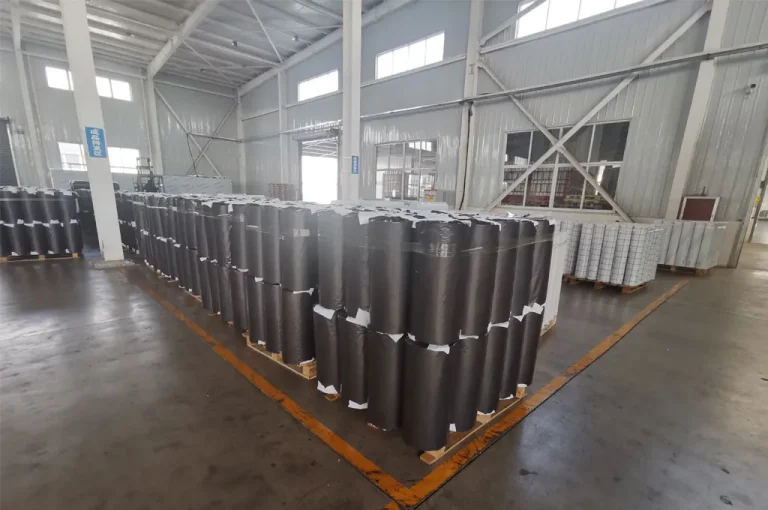
  • Packaging method (e.g., dust-proof wrap, protective layers) to reduce transit damage.
  • Lead time plan for pattern confirmation, color matching, and repeat orders.

Common Installation & Maintenance Tips (Practical and Production-Friendly)

For factories (lamination/wrapping)

  • Control temperature & pressure: stabilize forming and reduce edge lift.
  • Keep rolls conditioned: allow films to acclimate to workshop temperature to minimize shrink/warp.
  • Inspect emboss alignment: especially for realistic wood pore effects on wide panels.
  • Prevent dust contamination: dust can telegraph through glossy finishes and ruin yield.

For end users (cleaning & care)

  • Routine cleaning: soft cloth + mild detergent is usually sufficient.
  • Avoid aggressive solvents: strong chemicals can dull gloss or damage topcoats—test first on an inconspicuous area.
  • Mind edges and seams: keep edges sealed and dry, especially around sinks and wet zones.
  • Heat awareness: keep direct high heat sources away unless the film is specified for elevated temperature performance.

How OEM/ODM Customization Typically Works

If you’re sourcing decorative PVC film at scale, OEM/ODM customization helps align the film with your product identity and your manufacturing conditions. Common custom options include thickness, width, roll size, emboss type, gloss level, color matching, pattern development, and packaging. For global supply chains, export-ready packaging and consistent batch control are equally important to reduce complaints and speed up repeat orders.

What to send when requesting a quote
  • Film type (wood, marble, solid color, metallic, transparent, etc.) and intended application
  • Thickness, width, roll length, emboss and finish (matte/gloss/soft-touch)
  • Substrate type and process method (flat lamination, profile wrapping, vacuum press, self-adhesive)
  • Target quantity, target lead time, and any compliance requirements

FAQs (Common Questions)

1) What is decorative PVC film, and how is it different from regular PVC sheet?

Decorative PVC film is designed for surface finishing: it focuses on appearance (printed/embossed textures) plus protective performance. “Regular” PVC sheets are often thicker and used more as structural or industrial sheets rather than decorative surfacing layers.

2) Is decorative PVC film suitable for kitchens and bathrooms?

Yes, when the right specification is chosen. Prioritize moisture resistance, stain resistance, and proper edge sealing around sinks, showers, and wet corners.

3) Should I choose matte or glossy?

Matte is typically better for hiding fingerprints and small substrate imperfections. Glossy creates a stronger “premium shine” but requires higher substrate flatness and cleaner installation to avoid visible defects.

4) Can decorative PVC films be customized for my brand or product line?

Yes. Typical OEM/ODM customization includes thickness, width, emboss, gloss level, color/pattern matching, and packaging—so the film fits both your design and production process.

5) What should I test before placing a bulk order?

Test adhesion on your real substrate, forming/wrapping behavior, color under your lighting, and chemical resistance for your cleaning routine. Trial rolls reduce risk before mass production.