Address
304 North Cardinal St.
Dorchester Center, MA 02124
Work Hours
Monday to Friday: 7AM - 7PM
Weekend: 10AM - 5PM
Address
304 North Cardinal St.
Dorchester Center, MA 02124
Work Hours
Monday to Friday: 7AM - 7PM
Weekend: 10AM - 5PM


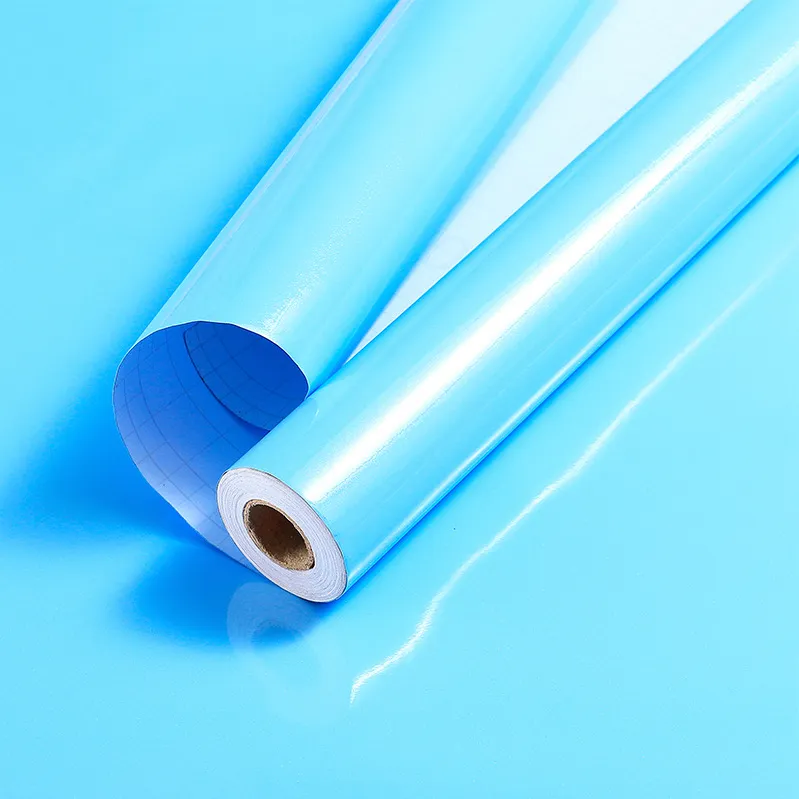
Clear PVC film is a highly practical material for making transparent sheets, protective covers, overlays, and flexible glazing-style panels. It combines optical clarity with toughness, chemical resistance, and easy fabrication—making it a common choice for furniture, interior decoration, packaging, printing, and industrial protection. This guide explains how clear PVC film works, where it fits best, how to choose thickness, and what to check before buying.
Clear PVC film is a thin sheet made from polyvinyl chloride, typically produced by calendering (rolling and forming) or casting, then wound into rolls for conversion. Depending on formulation, it can be soft and flexible or semi-rigid, and it can be supplied as a single layer or a laminated structure.
Key idea:
Clear PVC film is often used as a “transparent sheet material” once it is cut flat, laminated onto boards, heat-formed, or combined with adhesives—so buyers select it based on both optics and mechanical performance.
Most clear PVC films for sheet-like applications are produced as calendered film, which provides stable thickness control, consistent roll quality, and scalable production. For transparent sheets, the manufacturing process impacts:
Clear PVC film is chosen when you need transparency plus durability in daily handling. Below are the most common “transparent sheet” style uses across industries.
Clear PVC works well as a protective layer over posters, menus, control panels, labels, boards, and decorative surfaces. It helps prevent scratches, stains, and light chemical exposure while keeping the design visible.
In furniture manufacturing, clear films can be laminated on top of patterns or textures to create a durable, wipe-clean surface. Many producers combine clear layers with decorative options such as
wood grain film
or
marble film
to achieve premium looks with easier maintenance.
Clear PVC film is commonly used for product visibility windows, sleeves, stationery covers, and protective wrap layers. Depending on the requirement, it can be supplied with different stiffness levels and surface finishes.
For advertising and exhibition builds, clear PVC can be used as a cover sheet, lamination layer, or protective face. If you need premium tactile/visual effects for display surfaces, options like
3D silk texture film
can be paired with protective transparent layers for better durability.
Clear PVC film can be used for protective barriers, packaging, and cleanroom-related coverings when compliant formulations are selected. In these settings, buyers often request documentation such as REACH/RoHS/FDA alignment and traceable QC.
✔ Tip for spec writers:
If the film will be touched frequently (countertops, panels, doors), prioritize scratch resistance, stain resistance, and a finish that hides fingerprints (often matte or light texture) rather than choosing clarity alone.
Buyers often compare clear PVC film to PET, acrylic sheets, polycarbonate, or glass. Clear PVC stands out when you need flexibility, easy converting, and cost efficiency at scale.
⚠ Consider alternatives if you need extreme heat resistance, impact resistance comparable to polycarbonate, or long-term outdoor UV exposure without yellowing. In those cases, specify special formulations/coatings or choose a different polymer.
Thickness is the most important buying variable because it drives stiffness, drape, durability, cost, and converting behavior. Clear PVC film for transparent sheet uses is commonly specified in millimeters (mm) or microns (μm).
Thin gauges conform easily and are excellent for lamination, wrapping, and printed overlays. Thicker gauges feel more “sheet-like,” resist creasing, and handle repeated bending better—especially when paired with the right plasticizer system and QC.
“Clear” doesn’t always mean “glossy.” Surface finish affects glare, fingerprints, scratch visibility, and perceived quality—especially under strong indoor lighting.
Requestable options (depends on supplier capability):
Buying clear PVC film for transparent sheets is not only about thickness. To avoid optical defects, conversion issues, or inconsistent batches, validate the specifications below during sampling and quotation.
If you cut, die-cut, heat-seal, laminate, or thermoform the film, your supplier should confirm the film’s behavior in those processes.
For indoor decoration and human-contact scenarios, many buyers require PVC films free of heavy metals and phthalates, plus compliance evidence aligned with ISO systems and regulatory frameworks such as REACH and RoHS. If the film will be used for sensitive environments, ask for test reports and batch traceability.
Transparent materials show damage easily. A professional supplier should provide dust-controlled wrapping (e.g., PE film or kraft paper), clear labels, and moisture-protected export packaging to reduce transit risk and speed up receiving inspection.
✔ Buyer checklist (send with your RFQ):
thickness (mm), width, roll length, core ID, gloss/matte, required haze, application (lamination/printing/thermoforming), operating temperature range, compliance needs, and target annual volume.
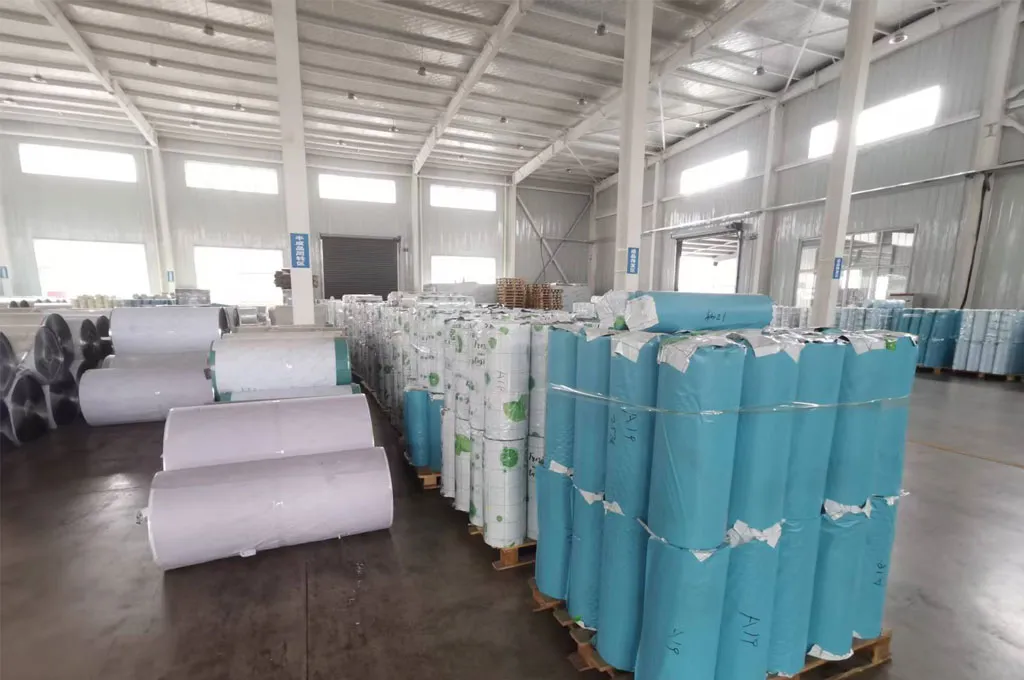
When sourcing clear PVC film for transparent sheets, full-process capability usually improves consistency. Manufacturers with integrated calendering, printing, and slitting/packaging can control thickness uniformity, surface quality, and roll condition—while reducing lead time.
Pulivk Film focuses on PVC film R&D and production across multiple categories (transparent films, decorative films, anti-static films, self-adhesive films, and more). With end-to-end lines and OEM/ODM support, specifications like thickness, width, roll size, surface treatments, and packaging can be matched to real converting requirements.
In many interiors and furniture projects, a transparent layer is only one part of the system. A typical structure might be a decorative film for appearance plus a clear overlay for protection and cleanability—helpful for cabinet doors, table tops, wall panels, and commercial fixtures.
For overlay and lamination, 0.10–0.30 mm is common. For a more rigid, sheet-like feel, 0.35–0.80 mm is often preferred. The best choice depends on stiffness needs, handling frequency, and whether you’ll thermoform or laminate.
It can be, when produced with compliant formulations (e.g., free of heavy metals and phthalates) and supported by documentation such as REACH/RoHS/FDA alignment. Always confirm compliance based on your market and application.
Choose matte or anti-glare finishes, or a light embossed clear surface. These options reduce reflections and make smudges less visible in bright indoor lighting.
Yes. Many suppliers offer OEM/ODM customization including surface treatments like anti-static, anti-fog, and print-adhesion optimization—especially when you provide your converting method and performance targets upfront.
Request the exact thickness, finish (gloss/matte), haze target, and the same roll/packaging conditions you’ll use in production. If you will laminate or print, ask for a sample sized for real process trials and confirm batch traceability.