Address
304 North Cardinal St.
Dorchester Center, MA 02124
Work Hours
Monday to Friday: 7AM - 7PM
Weekend: 10AM - 5PM
Address
304 North Cardinal St.
Dorchester Center, MA 02124
Work Hours
Monday to Friday: 7AM - 7PM
Weekend: 10AM - 5PM


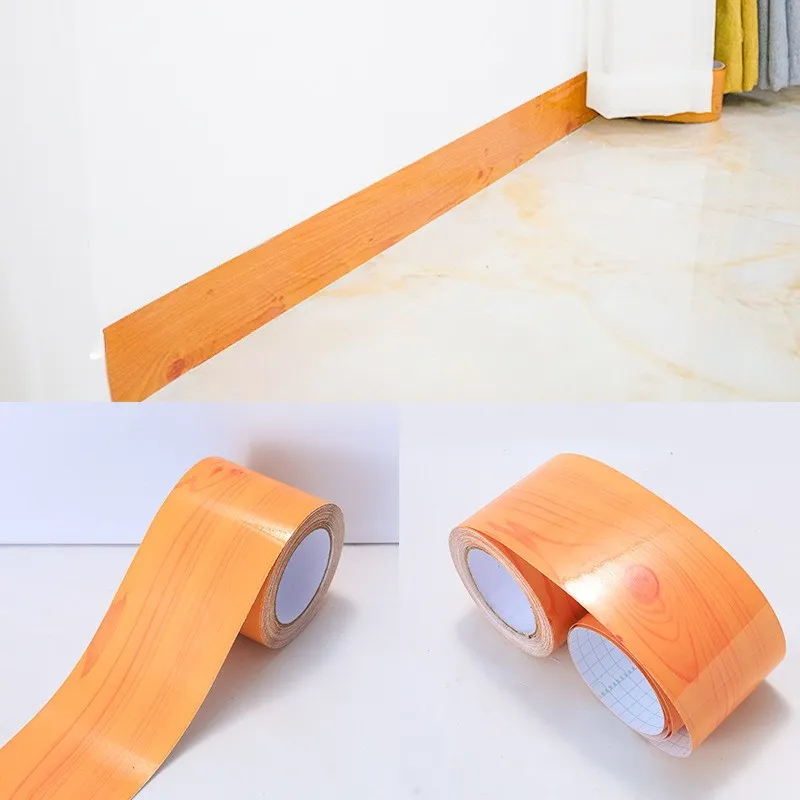
Clear chemical-resistant PVC film is a practical choice when you need visibility plus surface protection in environments exposed to oils, cleaners, mild acids/alkalis, disinfectants, and daily abrasion. From factory floors and workshops to healthcare, retail fixtures, and home improvement, the right clear PVC film can extend service life, simplify cleaning, and reduce replacement costs—if you select the correct thickness, hardness, and surface treatment for the job.
Key idea:
“Chemical-resistant” does not mean “chemical-proof.” Performance depends on chemical type, concentration, contact time, temperature, and film formulation.
Clear PVC film is a flexible sheet made from polyvinyl chloride that can be manufactured by calendering for stable thickness control and smooth optical quality. Chemical-resistant grades are engineered to tolerate frequent wipe-downs and splash exposure while maintaining clarity and physical integrity. Depending on your requirements, the film can be produced in soft, semi-rigid, or rigid constructions, and can include functional add-ons like anti-static, anti-fog, or food-contact compliant coatings.
Many industrial buyers start with calendered film because it provides consistent gauge, good transparency, and repeatable performance across large batches—important when the film is used for protective overlays, panels, partitions, and packaging.
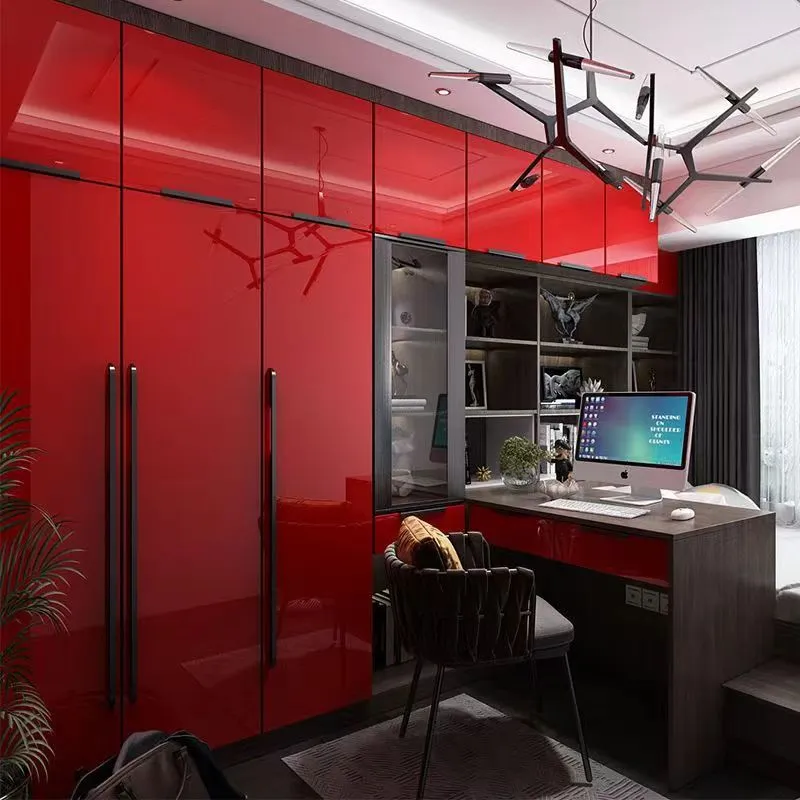
Clear PVC film is commonly laminated or applied over high-touch surfaces—cabinet doors, countertops, wall panels, doors, and display units—to resist staining and frequent cleaning. In commercial spaces (restaurants, salons, clinics), the ability to wipe surfaces quickly with detergents and sanitizers is a major advantage.
✔ Tip:
For decorative builds, clear film is often paired with patterned PVC layers (wood, stone, solid colors). If you need matching décor materials, browse the broader catalog on
Product.
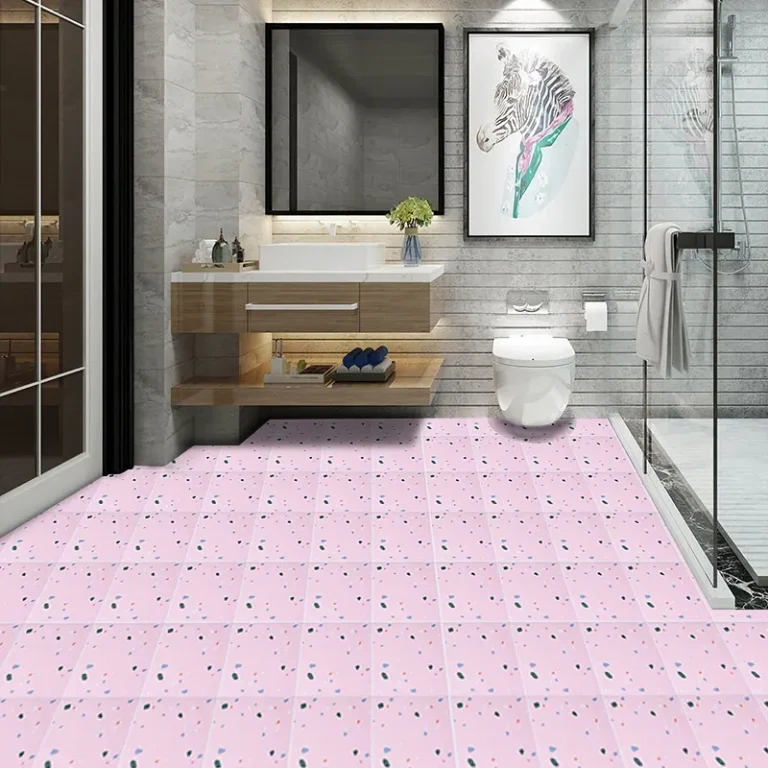
In renovation scenarios, protective clear layers help reduce wear from foot traffic, carts, and routine mopping solutions. For projects where the film is part of the flooring system rather than a temporary cover, purpose-built products like
floor film
are often selected for better abrasion resistance and dimensional stability.
Clear PVC film can act as a protective layer during assembly, shipping, or installation. In electronics and appliance manufacturing, buyers often request anti-static options to reduce dust attraction and minimize electrostatic discharge risks. In clean areas, low-odor, low-migration formulations help maintain a controlled environment.
Clinics, labs, and cleanrooms value transparency for inspection and workflow visibility. When film is exposed to repeated disinfectant wipe-downs, chemical resistance becomes a daily requirement. For compliance-sensitive projects, ask suppliers for documentation supporting REACH, RoHS, and relevant quality systems.
Oils, sauces, and frequent degreasing cleaners can quickly discolor or soften lower-grade plastics. In these settings, a clearer, more stain-resistant protective layer helps preserve appearance and reduces deep cleaning time. For specialized oil-splash protection, consider purpose-oriented materials such as
kitchen anti-oil film
where appropriate.
Thickness selection is the fastest way to align performance with cost. Too thin, and the film may puncture, curl, or show wear quickly. Too thick, and you may overspend or face forming/laminating challenges. Below is a field-friendly thickness guide; final selection should be verified with samples and testing.
Use thin clear PVC film when you primarily need scratch resistance, dust protection, or temporary coverage. Typical applications include short-term protective layers during transportation, low-contact packaging, and light wipe-clean surfaces.
⚠ Watch out:
Thin film may show “print-through” from the substrate and can feel less premium on flat panels. If aesthetics matter, request higher optical grade and confirm haze/gloss targets.
Medium thickness is often the sweet spot for daily cleaning, light chemical contact, and moderate abrasion. This range performs well on furniture panels, wall protection zones, appliance surfaces, and many commercial fixtures. It also offers better handling in converting processes (slitting, laminating, die-cutting) while maintaining flexibility.
Choose thicker clear PVC film when the environment includes cart traffic, frequent impacts, rough handling, or longer chemical dwell times. Thick films are common in industrial curtains, partitions, machine covers, and robust surface overlays where durability is the priority.
Harder films resist scuffs and indentation better, while softer films drape and conform more easily. For flat lamination on panels, a slightly firmer formulation can improve scratch resistance. For wrapping, bending, or curtain-style uses, increased softness helps prevent cracking and edge lifting.
Chemical resistance and long-term clarity are highly influenced by the plasticizer package. Low-migration designs help reduce tackiness, odor, and interactions with adhesives or painted/coated substrates. If your product is expected to last years (not weeks), request aging and migration-related test data.
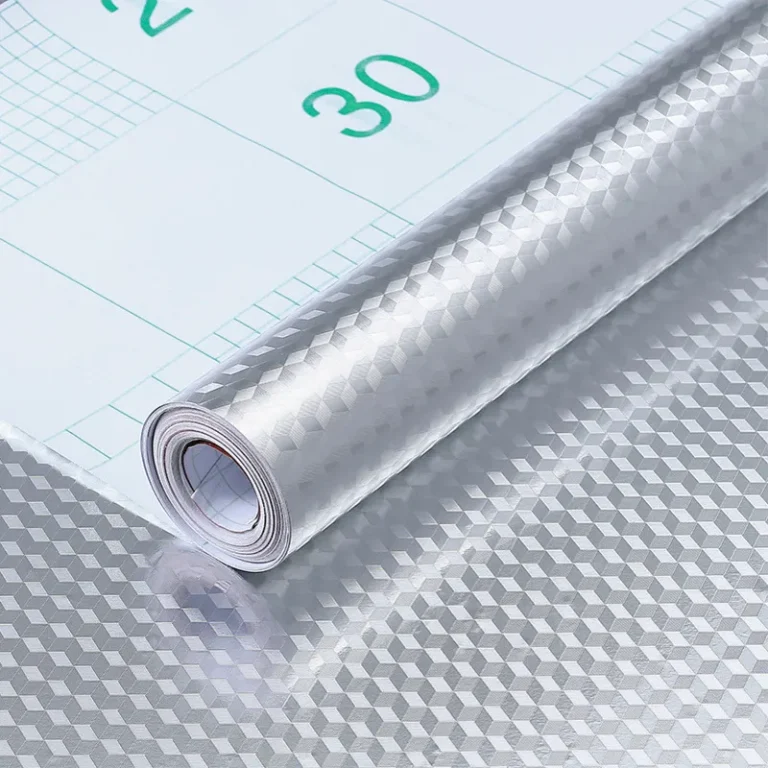
Glossy clear film maximizes visibility and depth, while matte can reduce glare and hide fingerprints. Embossing improves scratch concealment and can improve handling. For design-driven builds, specialty textures may be paired with clear protective layers (for example, textured decorative films like
3D silk texture film
in adjacent surfaces).
If you need peel-and-stick installation, specify adhesive type (permanent/removable), adhesion strength, and compatibility with the substrate finish. Chemical exposure can weaken certain adhesives over time, so it’s important to test under real cleaning routines (including dwell time and temperature).
Optional treatments can significantly improve usability: anti-static reduces dust attraction; anti-fog maintains visibility in humid environments; food-grade coatings support applications where incidental contact may occur. Always confirm certifications and test reports that match your target market and compliance needs.
Clear chemical-resistant PVC film is often selected to handle repeated contact with everyday substances such as detergents, diluted acids/alkalis, alcohol-based cleaners, oils, and some disinfectants. However, strong solvents and aggressive chemicals can cause swelling, whitening, embrittlement, or loss of adhesion—especially with extended contact.
To avoid back-and-forth sampling cycles, send a specification that clearly states how the film will be used. A good supplier can then tune formulation and process settings to hit your performance target.
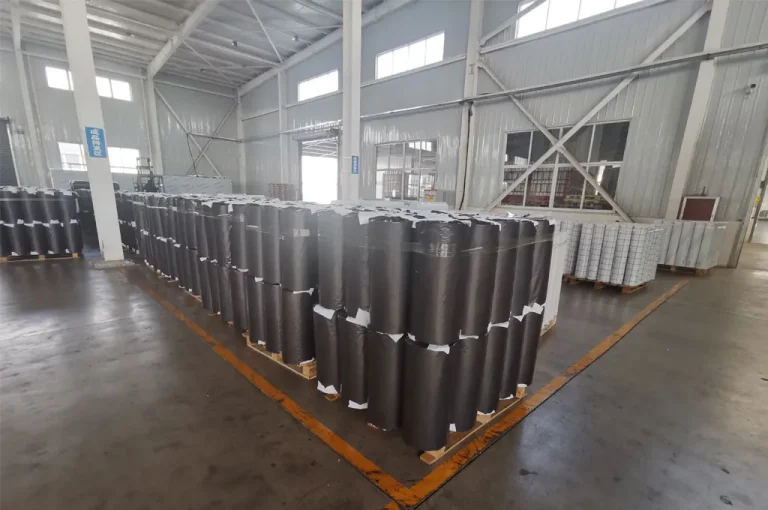
Consistency is critical for clear films because minor variations show up as haze, thickness banding, or handling differences during converting. A supplier with integrated calendering, printing, and slitting/packaging can typically control quality more tightly and shorten lead times, especially for OEM programs that require stable color/clarity over repeat orders.
If you need customized specs—thickness, roll size, surface finish, functional coatings, or private-label packaging—use an OEM/ODM workflow and request batch traceability plus QC metrics (gauge control, tensile strength, adhesion/peel data if adhesive-backed, and optical checks).
For sample requests, quotations, and order planning, you can use the official
Contact
channel to share your use-case details and target thickness range.
Many projects start in the 0.15–0.30 mm range, then validate with chemical wipe-cycle testing using the exact disinfectant and method used on-site.
It can, depending on formulation, UV exposure, and heat. If used near sunlight or high temperatures, request an UV-stabilized option and review aging data.
Many suppliers offer materials designed for indoor applications and can provide compliance documents (for example, REACH/RoHS) and related test reports upon request.
Run a sample test using your real chemical concentration, contact time, and temperature, then check clarity (haze), softening, staining, and any adhesion change if the film is adhesive-backed.
Yes—OEM/ODM programs commonly support custom thickness, width, roll length, surface finish, coatings, and export-ready packaging; confirm MOQ and lead time based on your specifications.