Address
304 North Cardinal St.
Dorchester Center, MA 02124
Work Hours
Monday to Friday: 7AM - 7PM
Weekend: 10AM - 5PM
Address
304 North Cardinal St.
Dorchester Center, MA 02124
Work Hours
Monday to Friday: 7AM - 7PM
Weekend: 10AM - 5PM


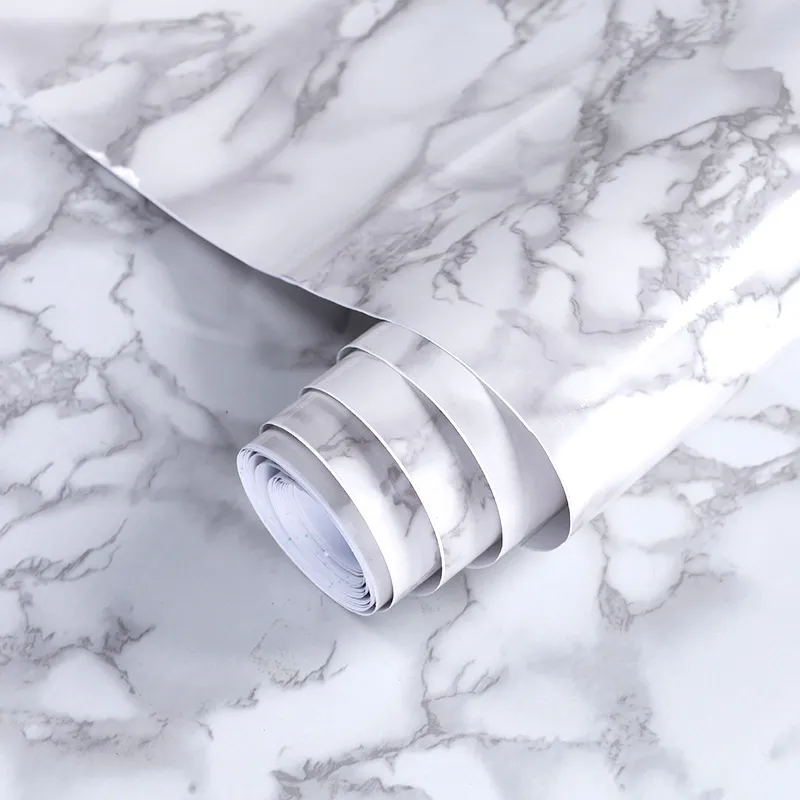
Acetate PVC film is a practical surface material that combines the easy processing of PVC with a refined, “clean” look often associated with acetate-style finishing. In everyday sourcing language, buyers may use “acetate PVC film” to describe PVC films that deliver a smoother hand-feel, stable appearance, and dependable converting performance for decorative wrapping, lamination, protection, and functional surface treatments across furniture, building interiors, electronics, advertising, medical packaging, and home applications.
Key idea:
When people say “acetate PVC film,” they usually care about appearance (clarity/finish),
feel (soft-touch or smooth), and processing stability
(calendering/printing/slitting/lamination)—not just the base polymer.
PVC film is a thin sheet made of polyvinyl chloride, produced in different structures (single-layer or multi-layer) and finishes
(glossy, matte, embossed, pearl, transparent, frosted, soft-touch, self-adhesive, anti-static, and more). “Acetate PVC film” is commonly
used as a trade description for PVC film variants designed to present a more premium surface and stable optics—often used where the surface
must look “clean,” uniform, and easy to wipe, while still being cost-effective and scalable for mass production.
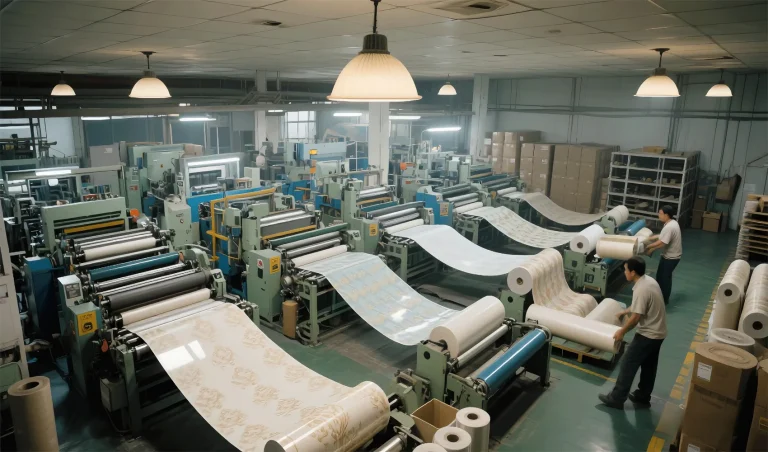
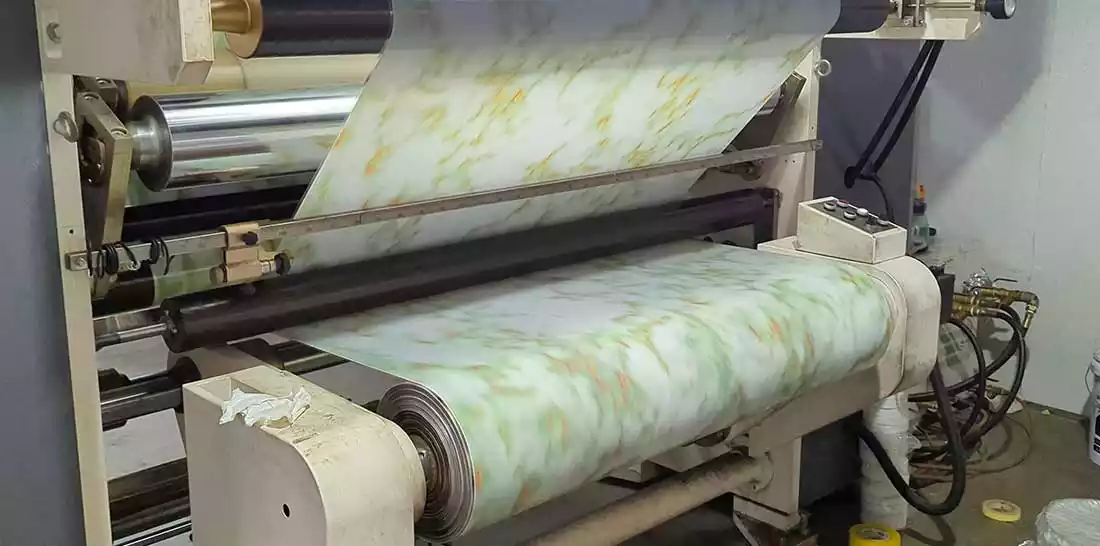
In manufacturing, these films are typically made by calendering (for consistent thickness and flatness),
then enhanced through printing, embossing, coating, or lamination. If you are evaluating a base film for converting,
calendered film
is a common starting point because it offers predictable roll behavior and stable surface quality.
Because the surface can be tuned (gloss/matte/embossed/soft-touch/transparent), acetate PVC film is used in both decorative and functional
roles. Below are the most common application clusters and what buyers typically optimize for.
Used for wrapping, lamination, and panel decoration on cabinet doors, wardrobes, desks, and partitions—where appearance consistency and
daily wipe-clean performance matter.
Wall panels, skirting lines, ceiling details, and decorative trims use PVC films to deliver consistent style at scale.
For baseboards and edge finishing, many buyers source specialized options like
PVC skirting film
to match interiors while improving scuff resistance.
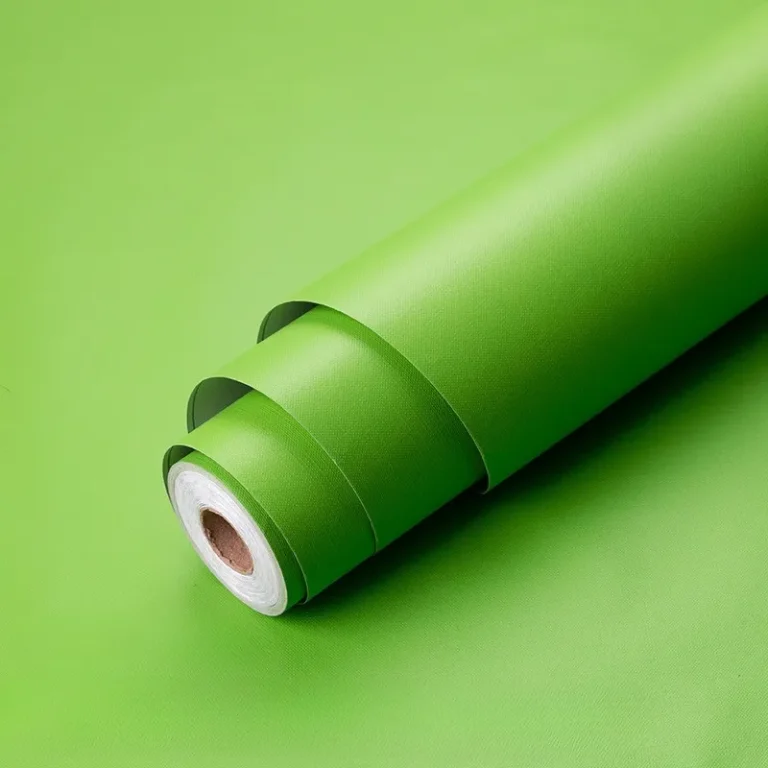
For minimalist interior styling, solid-color finishes remain popular because they are easy to coordinate with doors, hardware, and lighting.
A product reference for this category is
solid color wallpaper,
often used on feature walls, commercial fit-outs, and rental refresh projects where fast installation and uniform appearance matter.
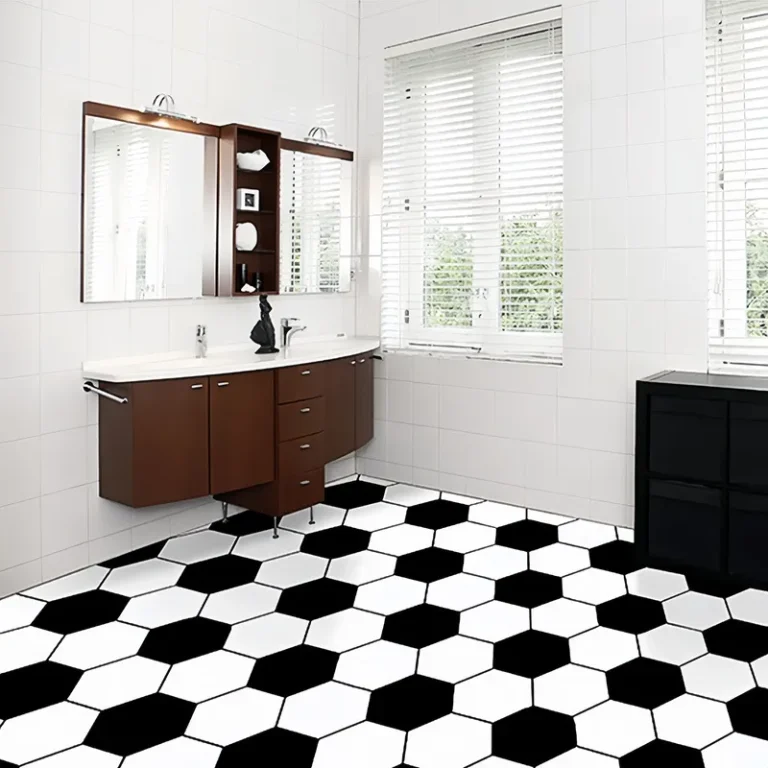
PVC films also support resilient flooring systems and surface protection. In many renovation workflows, the goal is to improve wear resistance
and simplify cleaning without replacing the entire substrate.
If you are evaluating film for flooring layers or protective floor applications, see
floor film
for typical structures and use cases.
In electronics and appliances, PVC films may be used for protective layers, insulation roles, decorative face panels, and functional surfaces.
Common requested features include anti-static, consistent thickness,
and stable adhesion behavior during lamination or die cutting.
① Strong design flexibility:
You can specify gloss level, matte depth, embossing, pearl effect, wood/stone/metal patterns, and even 3D tactile structures—helpful for brands
that want a consistent “collection look” across multiple SKUs.
② Durable everyday performance:
Well-made PVC film resists scuffs and moisture, and it wipes clean easily—important for kitchens, wardrobes, commercial interiors, and retail fixtures.
③ Efficient production and stable supply:
Calendering + printing + slitting/packaging in a continuous workflow enables repeatability, shorter lead times, and fewer process surprises.
④ Cost-performance advantage:
Compared with many rigid decorative boards or natural veneers, film-based surfacing can reduce waste, speed up production, and simplify inventory.
Important:
Benefits depend on matching the right film thickness, finish,
adhesion system, and end-use environment (heat, humidity, cleaning chemicals).
A “nice-looking” film that is not specified for your process can cause lifting, bubbling, color shift, or premature wear.
Buyers typically classify acetate PVC film by manufacturing method, surface finish, and functionality. Understanding these categories makes
it easier to compare quotations and avoid mismatched specs.
Choosing the right acetate PVC film is about aligning your process (lamination, wrapping, printing, cutting)
with your end-use environment (heat, moisture, cleaners) and your visual target
(color, gloss, texture). Use the checklist below when comparing suppliers and quotations.
Thickness impacts covering power, wrap-ability, and
durability. Too thin can print-through substrate defects; too thick may reduce conformability around edges.
Don’t rely on “matte” or “glossy” as words alone. Ask for measurable or sample-based confirmation:
gloss level, texture depth, and
color consistency under your actual lighting.
If your product line is texture-driven (e.g., premium tactile interiors), consider a structured option like
3D silk texture film
where the tactile effect is part of the design requirement.
For critical projects, request a small trial run and evaluate edge lift,
bubble tendency, and post-cure stability after 48–72 hours.
If your film is used indoors, for human contact, or in regulated industries, confirm material safety and compliance documents.
Many professional suppliers can provide test reports aligned with systems such as ISO management standards and chemical compliance frameworks
(e.g., REACH/RoHS/FDA depending on application).
Tip: Specify requirements clearly at RFQ stage to avoid re-quoting later (especially for
phthalate-free or heavy-metal-free formulations).
Two films can look similar in photos but behave very differently on the line and after installation. These are the quality signals that
reduce risk in mass production and export delivery.
Film is sensitive to dust, pressure marks, and moisture during shipping. Professional suppliers typically protect each roll with dust-proof
wrapping (e.g., PE film or kraft paper) and apply clear spec labels for traceability.
If you import globally, confirm export-ready packaging and discuss storage guidelines (temperature, stacking, and humidity) before the first container ships.
For custom acetate PVC film, quotation speed and accuracy depend on the completeness of your request. Provide the details below to reduce
back-and-forth and ensure the samples match your real use case.
Procurement note:
If you want a supplier who can control quality and lead time, look for end-to-end capabilities (calendering, printing, slitting, and packaging).
Full-process control typically improves consistency between sampling and bulk orders.
Not necessarily. In many buying contexts, “acetate PVC film” refers to PVC film with a refined, acetate-like look/feel. Always confirm the
exact material, structure, and compliance documentation with the supplier.
It depends on your substrate condition and forming needs. Flat lamination often prioritizes uniform thickness and optics, while edge wrapping
benefits from better elongation and controlled shrink behavior. Sampling on your own line is the safest method.
Yes. OEM/ODM programs commonly support customization of thickness, width, roll length, finish (gloss/matte/emboss), printed patterns, and
export-ready packaging