Address
304 North Cardinal St.
Dorchester Center, MA 02124
Work Hours
Monday to Friday: 7AM - 7PM
Weekend: 10AM - 5PM
Address
304 North Cardinal St.
Dorchester Center, MA 02124
Work Hours
Monday to Friday: 7AM - 7PM
Weekend: 10AM - 5PM


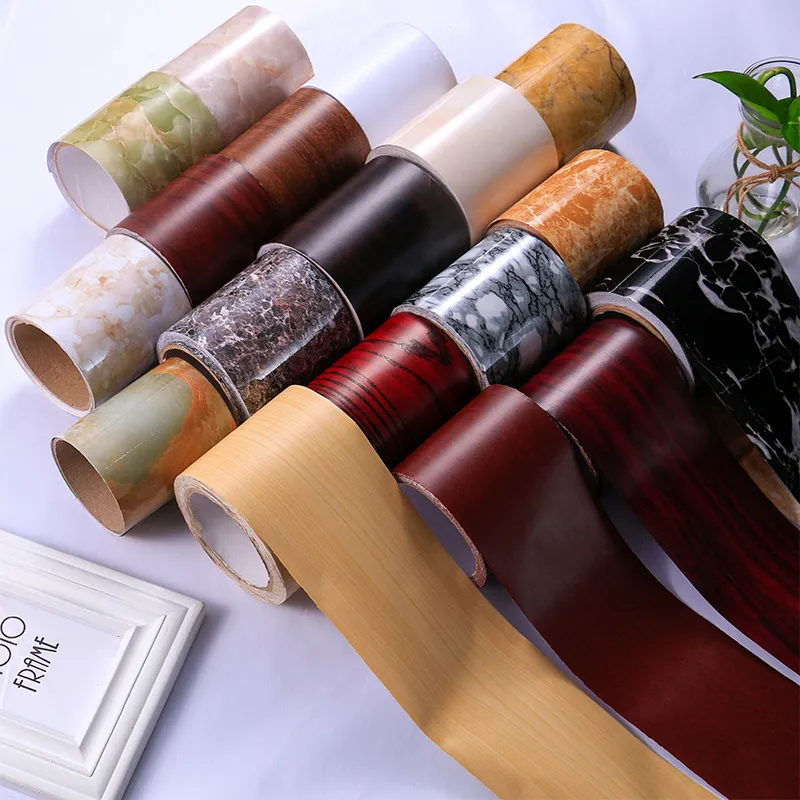
Winterview Clear PVC Film is a practical, cost-effective material used to protect surfaces, improve cleanliness, and enhance visibility in many indoor environments. Whether you are covering furniture panels, creating protective overlays for signage, or adding a transparent barrier for daily wear areas, clear PVC film offers a balanced mix of clarity, durability, and processing flexibility—especially when sourced from a manufacturer with stable calendering, printing, and slitting capabilities.
Key takeaway:
Clear PVC film is not “one-size-fits-all.” Performance depends on thickness, hardness, surface finish, additives (anti-fog/anti-static), and the right installation method for your substrate.
Winterview Clear PVC Film refers to a transparent polyvinyl chloride film designed for visibility while adding a protective layer. It is commonly produced via calendering, resulting in consistent thickness, stable width, and smooth optical performance. Depending on the application, the film may be supplied as a plain transparent roll, laminated into a multi-layer structure, or offered with functional coatings such as anti-static, anti-fog, or easy-clean treatments.
For buyers comparing base material options, calendered PVC is a frequent choice due to cost control, scalable output, and repeatable quality. You can explore a typical calendered option here:
https://pvcfilmtec.com/product/calendered-film/.
Clear PVC film is selected when you need protection without hiding the surface. Below are common categories where Winterview Clear PVC Film can be applied effectively.
In furniture manufacturing, clear film can protect decorative laminates and panel faces from abrasion, light scratches, and daily contamination. It’s also used as a temporary protective layer during transport and installation. When paired with decorative films (wood grain, marble, solid color), clear PVC can preserve appearance while reducing maintenance needs.
If you are designing a full decorative system, you may also compare complementary finishes such as wood grain film:
https://pvcfilmtec.com/product/wood-grain-film/.
Contractors and renovation teams often use clear PVC film to protect finished surfaces, including doors, frames, partitions, and decorative panels. The goal is simple: reduce rework and replacement caused by dust, tool contact, or foot traffic. When your project schedule is tight, protective film becomes an inexpensive insurance policy.
Transparent film is widely used on display panels, exhibition boards, and signage surfaces where the visual must remain readable but resistant to fingerprints and wear. Depending on the environment (shopping malls, booths, long-term displays), you may choose a higher clarity grade or a matte anti-glare variant to optimize readability under lighting.
For electronics and appliances, film choices often include anti-static or low-dust surfaces to reduce particle attraction during assembly and packaging. Clear PVC can serve as a protective layer for panels, trims, and high-touch surfaces while maintaining the original gloss or texture beneath.
In everyday home settings, clear film can help keep surfaces clean and easy to wipe. Kitchens and bathrooms commonly require materials that tolerate humidity and frequent cleaning. If your use case includes oil splash zones, consider pairing the protective concept with kitchen-specific anti-oil materials such as:
https://pvcfilmtec.com/product/kitchen-anti-oil-film/.
✔ Best-fit scenarios:
clear visibility + light-to-medium mechanical protection + easy maintenance + scalable roll supply.
Clear PVC film is chosen because it can remain transparent while resisting everyday damage. For surfaces subject to frequent contact—cabinet faces, counters, wall panels—this film helps reduce micro-scratches and stains that accumulate over time.
From OEM projects to standard stock, clear PVC film can be specified by thickness, hardness, and roll dimensions. For large-volume buyers, consistent calendering and slitting processes improve repeatability, reduce installation issues, and minimize waste in downstream converting.
Different spaces need different performance. Optional treatments may include anti-static for electronics handling, anti-fog for humid conditions, and coatings designed for easier cleaning. These functional options can significantly improve user experience in kitchens, bathrooms, and commercial areas.
When the film is produced with a full workflow—calendering, printing (if needed), slitting, and packaging—buyers typically benefit from shorter lead times and better cost control. This is especially important for projects where consistent batches and on-time delivery matter more than tiny price differences.
Look beyond “transparent.” For stable performance, evaluate thickness tolerance, clarity/haze, surface smoothness, odor control, and consistency across rolls—especially if you are laminating, thermoforming, or using automated application.
To select the correct film, you need to match film properties to the substrate, the environment, and the expected wear. Below are the most decision-relevant parameters.
Thickness selection influences stiffness, protection level, and ease of installation. Thinner films drape and conform more easily, while thicker films generally offer better abrasion resistance and dimensional stability.
PVC formulations can be tailored to different hardness levels. A softer film may conform well to slight curves, while a harder film can provide better scratch resistance. The right balance reduces edge lifting and improves long-term appearance.
Gloss finish enhances perceived brightness and is common on decorative surfaces. Matte can reduce glare and make fingerprints less obvious—helpful in retail displays or high-touch areas. Your lighting and cleaning routine should influence the choice.
Functional coatings and additives help the film work better in real-world conditions. For humid locations, anti-fog can improve visibility. For electronics environments, anti-static reduces dust attraction and improves handling.
Single-layer film is common for many protection tasks. Laminated or multi-layer structures may be specified for stronger mechanical performance, improved optics, or compatibility with specific adhesives and application techniques.
① Substrate type (flat panel, textured surface, painted metal, plastic)
② Environment (humidity, heat, oil exposure, frequent cleaning)
③ Required look (high gloss clarity vs. low glare matte)
④ Installation method (manual squeegee, roller laminator, adhesive-backed)
⑤ Compliance needs (REACH/RoHS/FDA where relevant)
Installation quality has a major impact on clarity and durability. Even a premium film can look poor if applied over dust, moisture, or uneven adhesive. Use the steps below as a practical guide for both small projects and production lines.
Clean the substrate to remove dust, grease, wax, and moisture. For kitchens or industrial surfaces, degreasing is essential. Any contamination trapped under clear film becomes highly visible, especially under direct light.
Apply the film in a low-dust environment. Stable temperature and moderate humidity improve handling and reduce the risk of stretching or early edge lifting. If your site is under renovation, install after heavy dust work is complete.
Common tools include a felt-edged squeegee, a hard card for edges, a cutter with sharp blades, and (when required) a heat gun for gentle forming. For production, roller laminators help maintain consistent pressure and alignment.
Start from the center and push air outward in overlapping strokes. This reduces trapped air channels. If a bubble forms, lift and re-apply immediately where possible; late corrections can leave marks or haze.
Edges are the first place to fail. Make sure the edge is clean and properly pressed. Avoid aggressive cleaning immediately after installation; allow time for the adhesive system (if used) to stabilize.
● Applying over oil/cleaner residue (causes adhesion loss and haze)
● Excessive stretching (leads to shrink-back and edge lifting)
● Using dull blades (creates ragged edges that catch and peel)
● Trapping dust (highly visible under clear film, especially on gloss surfaces)
Buying clear PVC film is a mix of technical selection and supply-chain evaluation. If you’re purchasing for furniture, building decoration, advertising, electronics, or home products, the supplier’s process control matters as much as the film itself.
A supplier with integrated calendering, printing, and slitting/packaging can control quality and reduce lead time risk. Ask how thickness is controlled, how rolls are tracked by batch, and what inspection standards are applied across production stages.
For clear film, testing should include optical appearance under your lighting, scratch/abrasion expectations, and cleaning resistance. If you are laminating or applying to textured surfaces, run trial applications and check for bubbles, whitening, or edge lifting after 24–72 hours.
Depending on your market and use (interior decorative, human contact, packaging), compliance may include ISO systems and material restrictions (e.g., REACH, RoHS, FDA where applicable). Confirm availability of test reports and third-party certificates.
If you need customized width, thickness, roll length, surface treatment, or special packaging, confirm OEM/ODM capability and lead time. Practical details—such as dust-proof wrapping, kraft paper protection, and clear labeling—help prevent shipping damage and receiving mistakes.
Export-ready packaging should protect rolls from moisture, pressure deformation, and contamination. If you run automated laminators, stable roll winding and consistent core specifications reduce downtime.
• What is the thickness tolerance and how is it measured per batch?
• What clarity/haze targets do you provide for transparent grades?
• Can you offer anti-static or anti-fog treatments for my environment?
• What is your MOQ for my specification, and do you support trial orders?
• How do you prevent dust contamination during slitting and packing?
Many projects use clear PVC film alongside decorative or functional films to create a complete surface solution. For example, a renovation project may combine protective clear film for high-touch areas with decorative wall materials or flooring overlays.
On walls and panels, decorative options like solid color finishes can be paired with transparent protection where cleaning frequency is high (corridors, children’s rooms, commercial interiors). A reference product category for solid color wall finishes is:
https://pvcfilmtec.com/product/solid-color-wallpaper/.
For skirting boards and trim areas, durability and cleanability are priorities due to frequent contact from shoes, cleaning tools, and furniture movement. If your project includes baseboard finishes, you can reference:
https://pvcfilmtec.com/product/pvc-skirting-film/.
Clear film stays attractive when cleaned correctly. Use soft cloths and non-abrasive cleaners to avoid micro-scratches. In high-traffic areas, regular light cleaning is better than infrequent heavy scrubbing. If the film is installed as a temporary protective layer, remove it according to the recommended time window to avoid adhesive transfer or aging-related changes.
Do: use mild detergent, soft cloth, and gentle wiping.
Don’t: use abrasive pads, strong solvents, or harsh scraping on the surface.
Many clear PVC films are designed for indoor decorative and protective use. If your application involves frequent touch or stricter safety needs, request compliance information (e.g., REACH/RoHS/FDA where applicable) and confirm the formulation requirements with your supplier.
Choose based on wear level and installation method. Light protection and easy conforming typically favor thinner film, while heavier abrasion risk and stronger protection typically favor thicker film. Testing on your actual substrate is the most reliable method.
Common causes include dust contamination, trapped moisture, uneven pressure, or applying the film too quickly. Improve surface preparation, apply from center outward, and control the environment to reduce dust and humidity.
Yes. Many manufacturers support OEM/ODM customization including thickness, width, roll length, finishes (gloss/matte), and functional treatments like anti-static or anti-fog, depending on order quantity and technical feasibility.
Confirm batch consistency (thickness tolerance, clarity/haze), packaging protection, lead time, MOQ, and whether the film performs well on your substrate through sample trials and small pilot runs.