Address
304 North Cardinal St.
Dorchester Center, MA 02124
Work Hours
Monday to Friday: 7AM - 7PM
Weekend: 10AM - 5PM
Address
304 North Cardinal St.
Dorchester Center, MA 02124
Work Hours
Monday to Friday: 7AM - 7PM
Weekend: 10AM - 5PM


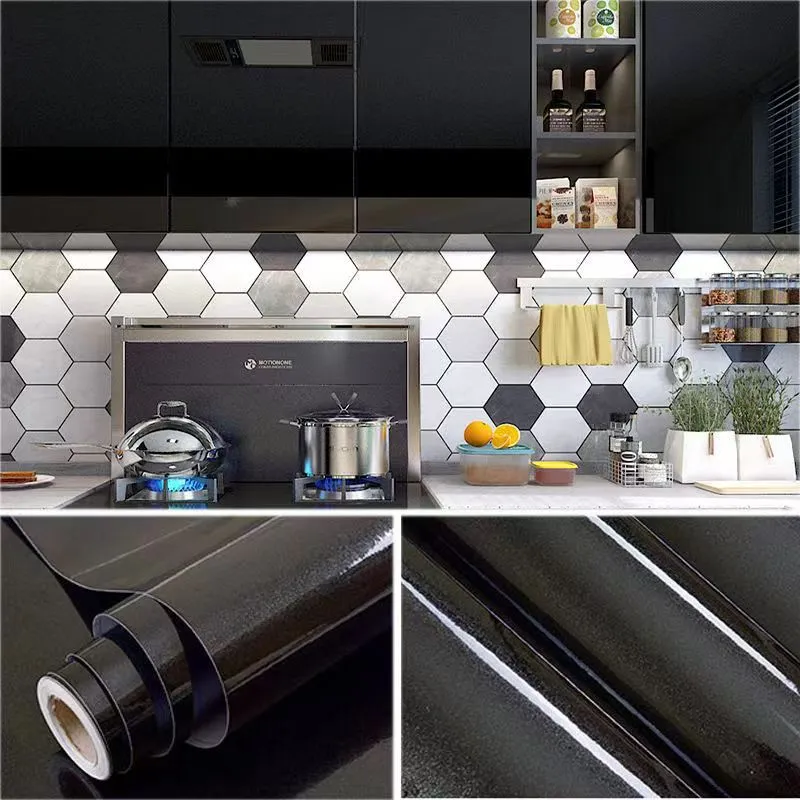
White PVC film is a versatile, cost-effective surface material used to upgrade appearance, protect substrates, and add functional performance across furniture, interiors, advertising, electronics, and packaging. While “white” sounds simple, the right white PVC film depends on brightness, opacity, thickness, surface finish, adhesive system, and compliance requirements. This guide explains where white PVC film is used, its key benefits, and a practical checklist for choosing the best type for your project.
Key takeaway
A high-performing white PVC film is not just “white”—it’s a balanced combination of opacity, surface durability, process compatibility (lamination, wrapping, thermoforming), and regulatory safety (RoHS/REACH/FDA where needed).
White PVC film is a thin polyvinyl chloride sheet manufactured by processes such as calendering, printing, and surface treatment. It can be supplied as a plain solid-white film, a decorative film with texture (matte, glossy, embossed), or a functional film with coatings (anti-static, anti-fog, oil-resistant) and optional self-adhesive backing.
▶ White PVC film is widely chosen because it offers clean aesthetics, strong hiding power, and a stable base color for printing or lamination.
If you’re evaluating film construction for high-volume applications, start with calendered material such as
calendered film
and then add the surface/adhesive options that match your end use.
White PVC film functions as both a decorative layer and a protective layer. Below are the most common application clusters and what matters in each one.
White surfaces are popular in kitchen cabinets, wardrobes, office furniture, and retail fixtures because they look clean, reflect light, and visually enlarge spaces. Here, you typically prioritize scratch resistance, stain resistance, and color consistency between batches. Matte white often hides fingerprints better, while high-gloss white delivers a premium “piano finish” aesthetic when matched with good leveling and hardness.
● For cabinet doors and flat panels, ask for high opacity (to hide MDF/plywood color) and good adhesion to your chosen glue system (PUR, EVA, pressure-sensitive adhesive, etc.).
White PVC film is widely used for wall panels, ceiling elements, decorative trims, and skirting. For edge/trim solutions, pairing the correct flexibility and abrasion resistance is critical. If your project includes skirting or baseboard areas that see frequent cleaning and impacts, consider purpose-designed products like
PVC skirting film.
In flooring-related applications, white PVC film can act as a protective layer, a design layer, or a temporary construction protection surface. The key requirements are wear resistance, anti-slip surface options, and dimensional stability (especially under temperature swings). For roll-to-roll consistency and flooring compatibility, review dedicated solutions such as
floor film.
White film is an excellent base for printing because it helps colors pop and improves readability. Here, you’ll care about surface energy (ink anchorage), flatness, and dimensional stability. For exhibition backdrops or wall covering aesthetics, white can also be used as a minimalist decorative layer; for this purpose, products like
solid color wallpaper
are often selected due to consistent color and installation convenience.
White PVC film is used as a protective and decorative layer for appliance panels, insulation/protective packaging, and components that need clean aesthetics. Industrial buyers may require anti-static properties, tighter thickness tolerances, and compliance documentation. If the film will be near heat sources or electrical components, confirm the relevant material and safety requirements with your supplier.
White surfaces are preferred in medical and cleanroom contexts because they make contamination visible. For these environments, focus on low odor, regulated raw materials, and easy-clean surfaces. If human contact or sensitive indoor use is expected, request proof of compliance (e.g., RoHS/REACH/FDA where applicable) and confirm restrictions on heavy metals and phthalates.
✔ Clean, modern aesthetics
White finishes align with modern design trends, pair well with wood/metal textures, and improve brightness in interiors.
✔ Strong opacity and coverage
A well-formulated white film can hide substrate imperfections, color variation, and glue lines—reducing rejects and rework.
✔ Surface protection and easy maintenance
The film provides a barrier against light abrasion, moisture, and everyday stains; matte and textured options can also reduce visible fingerprints.
✔ Manufacturing efficiency
White PVC films are available in stable roll formats, can be slit to specification, and support scalable lamination and wrapping processes.
✔ Customization for branding and product lines
OEM/ODM options make it possible to tune thickness, gloss level, embossing, coating performance, roll size, and packaging to fit your workflow.
Choosing the right film is mainly about matching performance requirements to processing conditions. Use the checklist below to avoid common sourcing mistakes like selecting the wrong finish, underestimating opacity needs, or overlooking compliance and adhesive compatibility.
⚑ If the film will be used around cooking areas, prioritize oil resistance and easy-clean performance; some projects combine white PVC film with specialized kitchen surface solutions such as
kitchen anti-oil film.
Thickness impacts feel, durability, and processability. Thicker films can improve hiding power and perceived quality, while thinner films may laminate faster and reduce cost. If you need edge wrapping or curved profiles, confirm that the film has sufficient elongation and won’t whiten/crack at bends.
✓ Ask your supplier for recommended thickness ranges for: flat lamination, membrane pressing, profile wrapping, and self-adhesive installation.
Surface finish affects both looks and maintenance. Glossy white emphasizes cleanliness and depth, but can show scratches and fingerprints more easily. Matte white is more forgiving and increasingly popular for contemporary interiors. Embossed textures add tactile value and hide minor defects.
Not all “white” looks the same. Some whites are warmer (cream), others are cooler (bluish). For furniture lines and large-area decoration, consistency matters more than the absolute whiteness number. Define an approval standard using:
Adhesion performance is frequently where projects fail. A white PVC film can behave differently on MDF, particle board, metal, glass, acrylic, or coated panels. Confirm:
! If you’re switching suppliers or changing glue, run a small pilot first: check peel strength, edge lifting, and post-heat aging before full-scale production.
Functional coatings can reduce dust attraction, improve cleaning, and protect appearance over time. For electronics packaging and appliance areas, anti-static options are often requested. For humid environments, anti-fog surfaces may improve visibility and cleanliness perception.
Depending on your market and application, you may need documentation such as ISO management certifications and material compliance (REACH, RoHS, FDA for relevant contact use). If the film is intended for interiors, prioritize low odor and eco-friendly inks. Ask for test reports and batch traceability, particularly for long-term supply agreements.
A reliable white PVC film supply is less about a single roll and more about repeatability over time. When evaluating suppliers, look for end-to-end production control—calendering, printing, slitting, and packaging—so thickness, color, and surface performance remain stable across batches. Strong suppliers can also shorten lead times and reduce total cost by optimizing roll sizes, packaging methods, and QC checkpoints.
What to request before ordering
If you want to explore broader PVC film categories, you can browse product options and technical knowledge at
https://pvcfilmtec.com/product/
and related resources at
https://pvcfilmtec.com/knowledge/.
Yes. Choose a film with high stain resistance, good scratch performance, and verified compatibility with your lamination process and glue system. For areas exposed to oil and frequent cleaning, consider enhanced easy-clean/oil-resistant surface options.
Matte white reduces glare and typically hides fingerprints and minor scratches better. Glossy white looks more premium and reflective but requires more careful handling and higher scratch resistance to maintain appearance.
Set a measurable standard: define the color tone, opacity, gloss level, and acceptable Delta E tolerance. Approve a retained sample and request batch traceability plus QC records for future orders.
Yes. Many manufacturers provide OEM/ODM services to customize thickness, width, roll length, surface finish, and packaging (e.g., dust-proof PE film or kraft paper wrapping with labels).
Request compliance documents relevant to your market (commonly RoHS, REACH, and other required declarations), plus test reports for thickness, adhesion, and key performance indicators tied to your application.