Address
304 North Cardinal St.
Dorchester Center, MA 02124
Work Hours
Monday to Friday: 7AM - 7PM
Weekend: 10AM - 5PM
Address
304 North Cardinal St.
Dorchester Center, MA 02124
Work Hours
Monday to Friday: 7AM - 7PM
Weekend: 10AM - 5PM


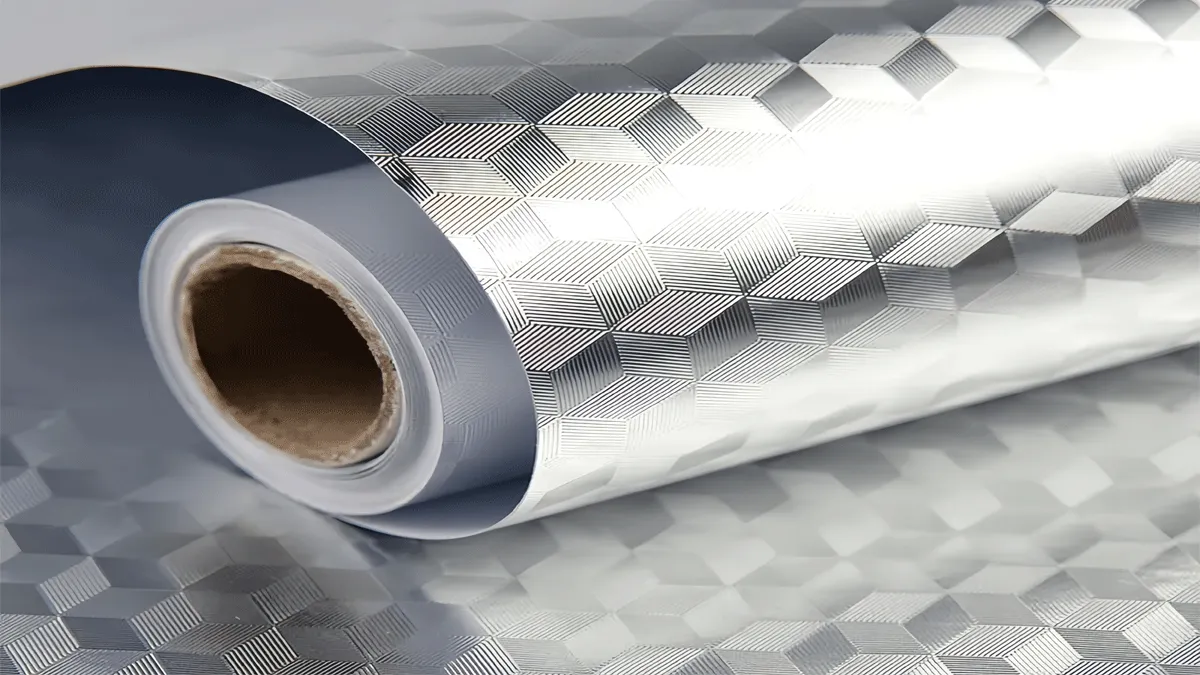
PVC film (polyvinyl chloride film) is a versatile, thin plastic sheet used to decorate, protect, seal, insulate, and improve surface performance across industries—from furniture and interior finishing to electronics, advertising, medical packaging, and home improvement. Depending on formulation and surface treatment, PVC film can be transparent, matte, glossy, embossed, soft-touch, anti-static, self-adhesive, or printed to mimic premium materials like wood, stone, metal, and fabric.
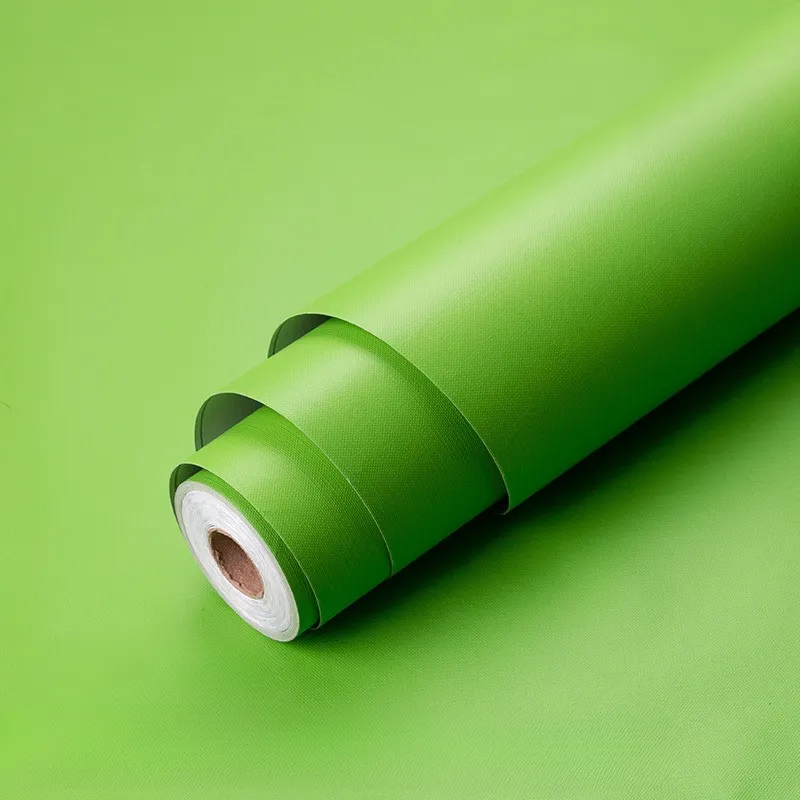
In this guide, you’ll learn what PVC film is used for, the most common application categories, why manufacturers and installers choose it, and how to select the right film type for your project.
Key takeaway:
PVC film is popular because it can deliver high visual impact (realistic textures and colors) plus practical benefits (water resistance, abrasion resistance, easy cleaning, and consistent quality at scale).
PVC film is engineered to balance appearance and performance. It can be produced through processes such as calendering, printing, embossing, laminating, and slitting/rewinding. In production, manufacturers control variables like thickness, hardness/softness, surface gloss, adhesion layers, and functional coatings (for example anti-fog or anti-static).
PVC film can be optimized for:
Many industrial buyers prefer calendered film because it offers stable thickness control, high productivity, and suitability for both decorative and technical uses.
One of the biggest uses of PVC film is in furniture manufacturing—especially for cabinet doors, wardrobes, office desks, and panels. The film is laminated or wrapped onto substrates (like MDF) to create a premium, uniform finish without the variability of natural materials.
Why it works well:
For natural-looking results, many brands use wood grain film to replicate popular species and finishes while improving moisture resistance and surface durability.
In architectural and interior decoration, PVC film is used to wrap or laminate wall panels, partitions, door frames, and skirting boards. It helps create cohesive design themes—modern minimalism, warm wood tones, stone-like luxury, or bold solid colors—while remaining practical for high-traffic environments.
A common finishing detail is PVC skirting film, used to improve wear resistance and visual consistency on baseboards and trim components.
Note for commercial interiors:
In corridors, lobbies, and retail areas, PVC film surfaces are valued because they can be wiped clean quickly and maintain a uniform appearance under strong lighting.
PVC film is used in flooring systems and in protective coverings during installation or renovation. Depending on construction, it can serve as a decorative surface layer, a wear layer, or a temporary protection layer that helps reduce scuffs, dust, and moisture exposure on finished floors.
For projects that need stable, scalable supply, manufacturers often specify floor film to match performance targets such as abrasion resistance, cleaning convenience, and visual uniformity.
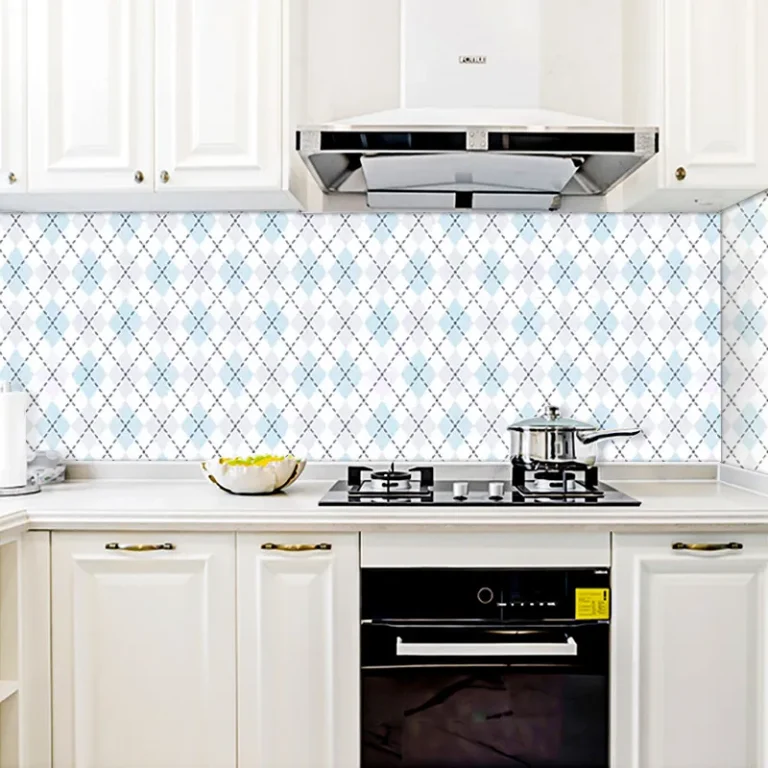
Wet zones are where PVC film’s practical benefits stand out. In kitchens and bathrooms, surfaces must tolerate splashes, humidity, cleaning chemicals, and frequent wiping. PVC films can be engineered for better stain resistance and surface feel, and can be paired with self-adhesive backings for fast upgrades in some applications.
Common kitchen & bathroom uses:
In electronics and appliances, PVC film can be used for surface protection, insulation layers, and functional treatments. For example, anti-static films help reduce dust attraction and static-related risks in certain assembly environments. Printed and brushed textures are also used to upgrade the visual finish of appliance panels and consumer electronics components.
Practical benefit:
PVC film can provide a clean, consistent cosmetic finish while helping protect substrates from minor scratches during manufacturing, handling, and transport.
PVC films are widely used in signage, display surfaces, promotional panels, and exhibition setups. Their printability, dimensional stability, and surface options (gloss/matte/textured) make them suitable for creating visually consistent branding elements at scale.
When brands want a more tactile, premium look for interior displays, textured options such as 3D silk texture film can help elevate perceived quality while staying durable and easy to maintain.
In medical and cleanroom-related environments, films are often selected for barrier performance, cleanliness requirements, and consistency. Depending on local regulations and end-use requirements, PVC film can be used in protective packaging or as a surface layer where controlled handling is important. Always confirm compliance targets (such as REACH/RoHS/FDA where applicable) and request test documentation for the exact formulation.
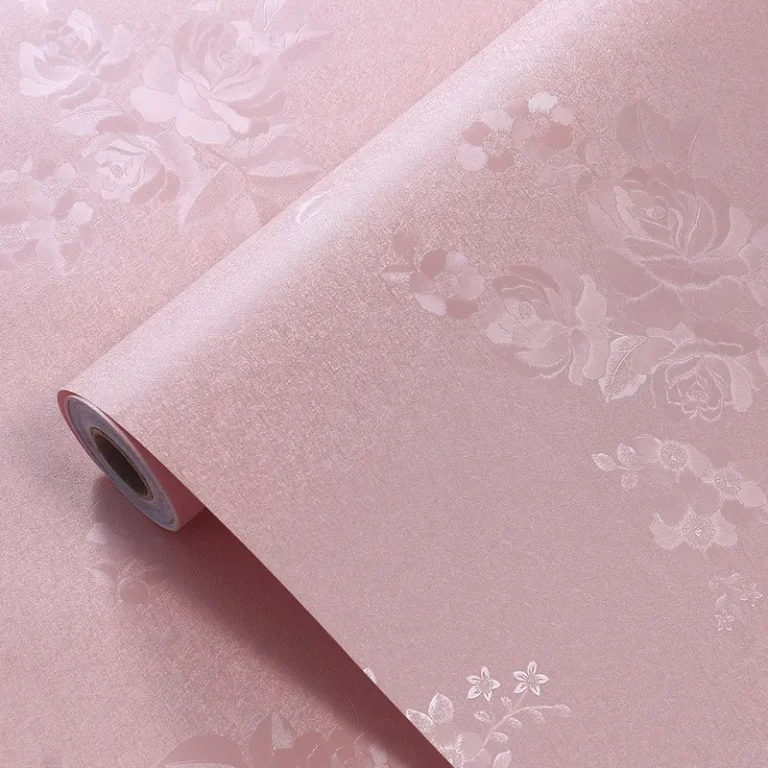
PVC film can deliver everything from subtle matte solid colors to deep embossed textures and high-gloss finishes. This makes it especially useful for manufacturers that need a broad product line without changing base materials. Popular decorative families include wood grain, stone/marble, brushed metal, fabric textures, and minimalist solid color concepts.
Well-specified PVC film improves resistance to scratches, minor impacts, stains, and moisture exposure. That’s why it’s common in high-contact surfaces like cabinet fronts, office furniture panels, retail fixtures, and interior trim.
✔ Maintenance advantage:
Most decorative PVC film surfaces are designed to be easy to wipe clean, reducing long-term upkeep costs in homes and commercial spaces.
PVC film supports streamlined production: predictable roll goods, stable process parameters, and consistent visual results. For brands that manage multiple SKUs, this can reduce rework, simplify inventory planning, and speed up time-to-market.
Many projects require custom thickness, width, roll length, color matching, printing, emboss depth, or adhesive systems. Functional upgrades may include anti-static, anti-fog, specific gloss levels, or tailored surface feel. OEM/ODM customization is especially valuable when a brand needs a signature look or must meet a specific installation method.
Decorative film is designed primarily for appearance and touch. It may be printed (wood/stone patterns), embossed (grain/texture), and finished in matte or gloss. It is commonly used for furniture, doors, wall panels, and interior profiles.
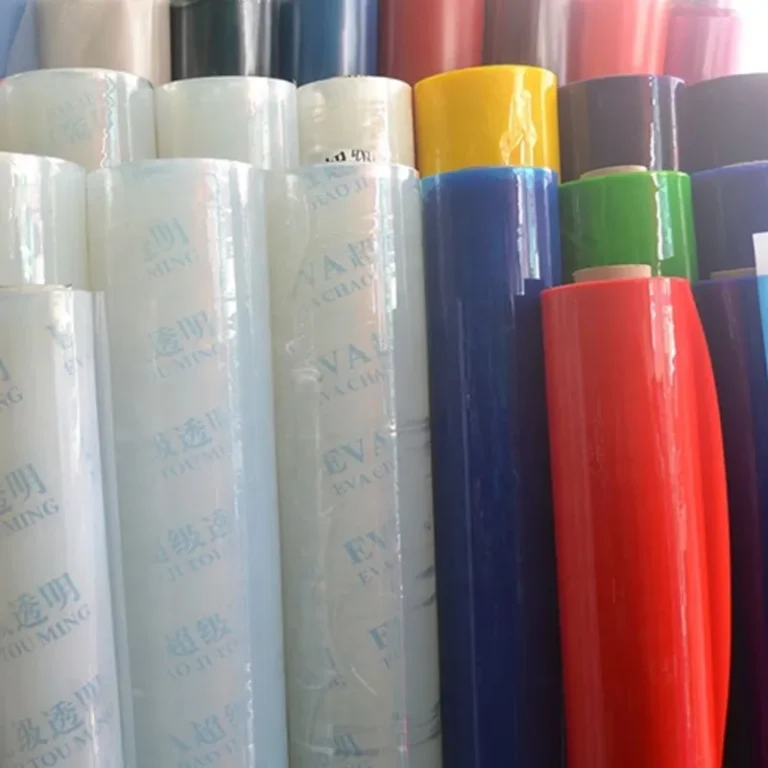
Transparent and frosted variants are used where visibility control, light diffusion, or protective overlay functions are needed. Colored films support branding, product differentiation, and consistent surface styling.
These specialty films create higher-end visual impact and tactile experience. Soft-touch films are often used on premium cabinetry or consumer products where a warm, fingerprint-reducing feel improves user perception.
Self-adhesive options can simplify installation for certain upgrades, signage, or protective purposes. Adhesive selection (tack level, removability, temperature behavior) is critical to avoid lifting, bubbling, or residue—especially on textured or low-energy surfaces.
Installation tip:
Always run a small adhesion and compatibility test on the real substrate (and with your real cleaning agents) before full production or site installation.
Define where the film will be used: kitchen humidity, bathroom splashes, office abrasion, retail cleaning cycles, or electronics handling. Temperature swings, UV exposure, and cleaning chemicals can all influence which film and surface treatment you should specify.
Make decisions on gloss level (matte/satin/gloss), emboss depth, color tolerance, and pattern repeat. If you’re matching a showroom sample, request controlled color matching and confirm under multiple lighting conditions (warm/cool LED, daylight, and spotlights).
Different manufacturing lines need different film behaviors—forming performance, heat response, adhesive compatibility, and dimensional stability. Discuss your process (flat lamination, membrane pressing, profile wrapping, etc.) to avoid unexpected issues like edge lifting or texture distortion.
For regulated markets and sensitive applications, request compliance details and test reports. Many suppliers provide documentation aligned with systems and regulations such as ISO management standards, REACH, RoHS, and FDA (where applicable), plus third-party test verification when needed.
Most commonly, PVC film is used for decorative surfacing and protection in furniture (cabinets, wardrobes), interior building finishes (panels, skirting), and functional uses like protective overlays, insulation layers, and selected packaging applications.
PVC film is generally moisture-resistant and performs well in humid areas, but real-world “waterproofing” depends on installation quality, edge sealing, adhesive choice, and substrate condition.
Yes. PVC films can be customized by thickness, width, roll length, color and pattern, embossing, gloss level, and optional functional treatments (such as anti-static or anti-fog) based on your application requirements.
Choose based on your design goals and maintenance needs: matte often hides fingerprints, glossy looks bright and modern but shows smudges more easily, and textured/embossed adds realism and helps mask small surface wear.
Confirm the end-use environment, substrate compatibility, thickness and surface finish targets, required compliance documentation, and run a small trial to validate adhesion, forming behavior, and appearance under real lighting.