Address
304 North Cardinal St.
Dorchester Center, MA 02124
Work Hours
Monday to Friday: 7AM - 7PM
Weekend: 10AM - 5PM
Address
304 North Cardinal St.
Dorchester Center, MA 02124
Work Hours
Monday to Friday: 7AM - 7PM
Weekend: 10AM - 5PM


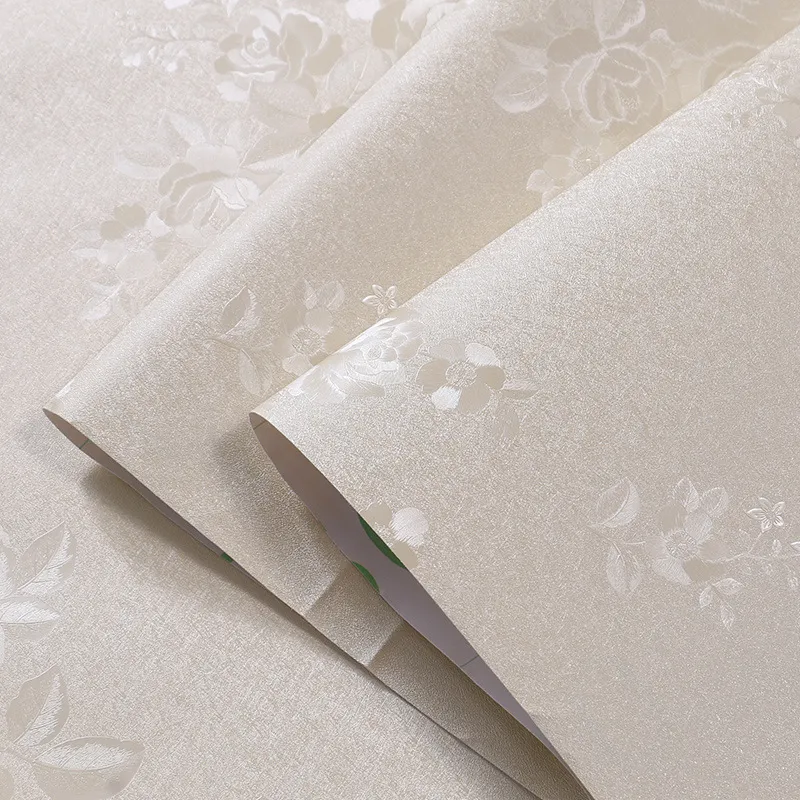
Thin PVC film is a versatile, cost-effective surface material used to protect, decorate, and improve performance across furniture, building interiors, electronics, advertising displays, medical packaging, and household products. Because it can be made transparent, matte, glossy, embossed, anti-static, self-adhesive, or soft-touch, thin PVC film is often chosen when you need consistent appearance, easy processing, and stable quality at scale.
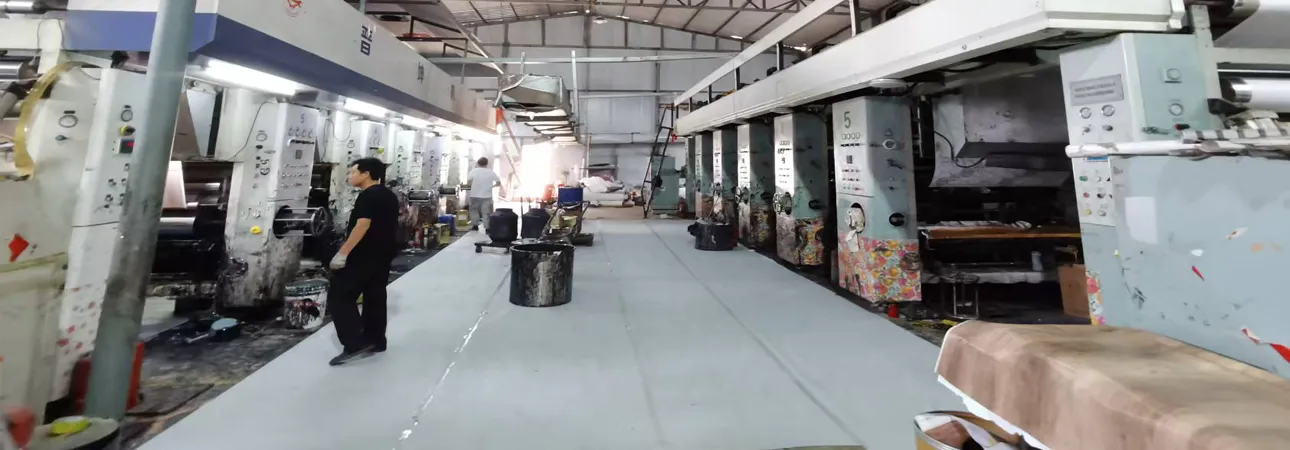
This guide explains common uses, key benefits, typical specifications, and a practical method to choose the right thickness—so you can match your application to the correct film structure, finish, and performance level.
PVC film is a thin sheet made from polyvinyl chloride. In real projects, “thin” usually means a film that is easy to bend and conform to surfaces while still offering measurable protection and visual enhancement. Thickness affects more than “feel”—it directly impacts:
Tip:
If your product will be handled daily (cabinet doors, skirting, flooring overlays), prioritize thicker, more abrasion-resistant constructions. If you mainly need visual coverage or temporary protection, thinner gauges can reduce cost without sacrificing function.
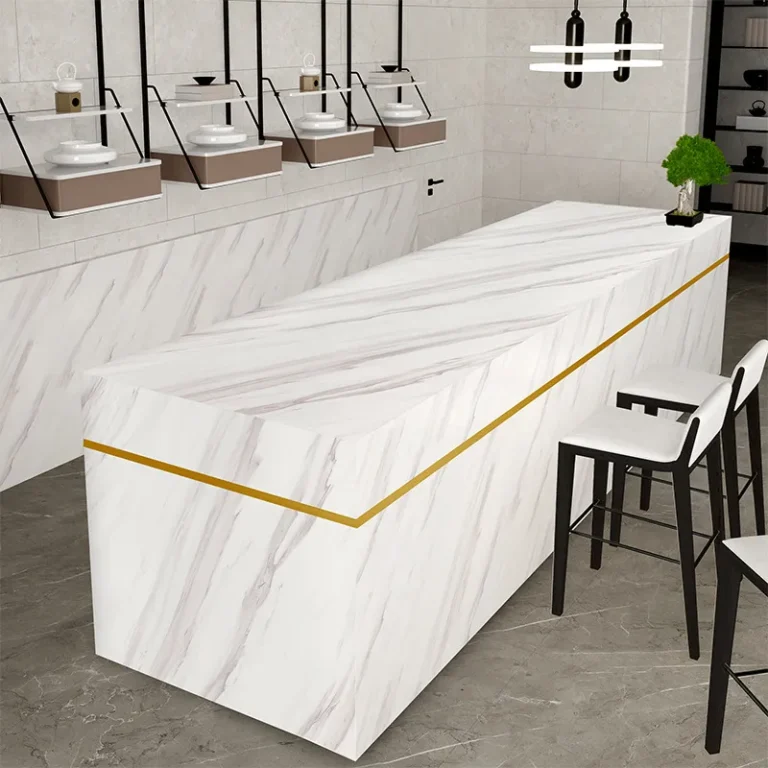
Thin PVC decorative films are widely used on MDF, particleboard, plywood, and composite panels to achieve wood grain, stone, fabric texture, glossy solid colors, or soft-touch finishes. Common targets include kitchen cabinets, wardrobes, office furniture, wall panels, and doors.
For stable, high-output decorative lines, calendered film is frequently selected because it supports consistent thickness control and reliable roll-to-roll processing.
★
For premium tactile aesthetics, textured options such as 3D silk texture film can add perceived value while helping hide minor surface imperfections.
In architectural interiors, thin PVC film is used to wrap skirting boards, decorative trims, ceiling features, and wall finishes. It helps create a clean, uniform look, improves moisture resistance, and simplifies cleaning compared to painted surfaces.
If you need edge and baseboard applications, consider product types like PVC skirting film, designed for consistent wrapping performance and decorative consistency across long runs.
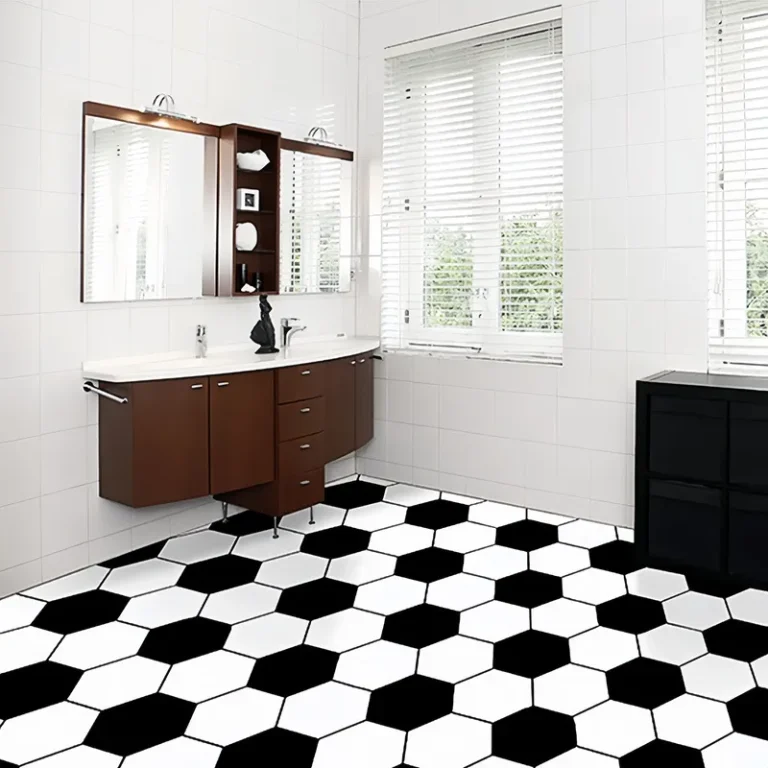
Thin PVC films can be used as wear layers, decorative layers, or protective overlays in flooring systems (depending on product design). For home improvement and rental properties, PVC-based floor finishes are popular because they’re easy to maintain and refresh with minimal downtime.
For flooring-oriented applications and related constructions, floor film options can be tailored by thickness, embossing, and functional coatings.
In electronics and appliance manufacturing, thin PVC film may serve as a protective layer, an insulation barrier, a decorative fascia, or a functional surface (e.g., anti-static). Thickness selection is often linked to downstream processes such as die cutting, lamination, heat forming, and adhesive bonding.
In advertising and exhibitions, PVC films are used for display surfaces, lightbox faces, background panels, and protective coverings where consistent color, printability, and easy installation matter.
For medical and clean-room environments, films may be specified for protective packaging, surface barriers, and controlled handling. Requirements typically include low contamination risk, stable sealing/packing behavior, and compliance documentation depending on the region and use case.
Thickness is usually specified in microns (µm) or millimeters (mm). Because thin PVC film covers many use cases, a “best” thickness doesn’t exist—there is only the best-fit thickness for your substrate, forming method, and expected wear.
Confirm film width tolerance, roll outer diameter limits for your equipment, and core size compatibility. For continuous lamination, stable winding and clean edges reduce downtime and waste.
Specify the finish clearly—gloss level (glossy vs matte), embossing depth, and tactile feel (soft-touch vs standard). For high-visibility furniture fronts, small differences in gloss can become obvious under showroom lighting.
When matching to a brand palette or a door/cabinet system, request color control targets and approval samples. For wood grain or marble patterns, confirm repeat length and direction requirements to prevent visual mismatch across panels.
Thin PVC film may be used with different bonding systems (self-adhesive, hot melt, PUR, water-based adhesives, or lamination lines). Always match the film type to the adhesive and process temperature to reduce risks like lifting, edge shrinkage, or bubbling.
Checkpoint:
If your product includes tight corners, deep grooves, or post-forming steps, ask for forming performance data (heat resistance range, elongation, and recommended processing settings).
For export markets and indoor use, compliance can be a deciding factor. Many buyers request documentation aligned with ISO management systems and chemical compliance frameworks such as REACH and RoHS. For sensitive applications, confirm whether the formulation is free of heavy metals and phthalates, and whether FDA-related requirements apply (case-specific).
Use the decision path below to pick a thickness range that fits performance targets and production realities. Then validate with sampling and real-line testing.
As thickness increases, you generally gain strength and durability, but may lose some ease of conforming around tight radii and may raise cost. Consider these common selection behaviors:
If your substrate includes corners, grooves, or 3D geometry, ensure the film can stretch/form without whitening, cracking, or spring-back. In many cases, a slightly thinner or more flexible formulation performs better than an overly thick film on complex shapes.
Confirm the film is compatible with your equipment: calendering/printing tolerances, lamination line tension, heating zone settings, and slitting requirements. Processing issues that look like “quality defects” are often mismatches between thickness, stiffness, and line parameters.
★
If you frequently see bubbles, edge lifting, or wrinkles, review thickness uniformity, winding tension, and adhesive compatibility before changing patterns or substrates.
Thin films can be sensitive to dust, pressure marks, and telescoping during transit. Request individually wrapped rolls (e.g., dust-proof inner wrap) and clear specification labels so receiving teams can verify thickness, width, and lot traceability quickly.
Choose stable decorative films with consistent gloss and reliable lamination behavior. For wood aesthetics, consider aligning panel direction and repeat to reduce visual seams—especially on tall wardrobe doors and continuous cabinet runs.
Prioritize wrap performance and scuff resistance for edges that get kicked, bumped, or cleaned frequently. Profile wrapping also benefits from consistent thickness and controlled elongation to prevent corner thinning.
Select constructions designed for wear, cleaning chemicals, and foot traffic expectations. Embossing and matte finishes can help reduce visible scuffs and fingerprints in high-use areas.
Before placing a large order, validate film performance with a short trial run and document your acceptance criteria.
Choosing the lowest thickness to save material can increase scrap, rework, and complaints if the film fails under real use. A better approach is to set a minimum thickness based on wear, geometry, and process stability, then optimize pricing via roll width, yield, and production planning.
Q1: What is PVC film used for most often?
A: Most commonly for furniture decoration (cabinet/wardrobe surfaces), building interior finishing (wall panels, skirting), flooring-related layers, and protective/functional surfaces in electronics, advertising, and packaging.
Q2: How do I choose the right thickness for cabinet doors?
A: Base it on daily contact level, scratch expectations, and whether you wrap edges or form 3D shapes. Validate with a sample run to confirm adhesion, appearance, and corner performance.
Q3: Can thin PVC film be customized?
A: Yes. Common OEM/ODM customizations include thickness, width, roll length, color/pattern, embossing, and surface treatments such as anti-static or anti-fog (depending on application needs).
Q4: What quality documents should I request for export or indoor use?
A: Ask for relevant management certifications (e.g., ISO systems) and chemical compliance documents (often REACH/RoHS related), plus test reports for thickness, adhesion, and durability that match your end-use environment.
Q5: What causes bubbles or edge lifting after lamination?
A: Typical causes include adhesive incompatibility, insufficient surface preparation, improper line temperature/tension, or thickness/winding inconsistency. Testing with your exact substrate and process settings is the fastest way to confirm the root cause.