Address
304 North Cardinal St.
Dorchester Center, MA 02124
Work Hours
Monday to Friday: 7AM - 7PM
Weekend: 10AM - 5PM
Address
304 North Cardinal St.
Dorchester Center, MA 02124
Work Hours
Monday to Friday: 7AM - 7PM
Weekend: 10AM - 5PM


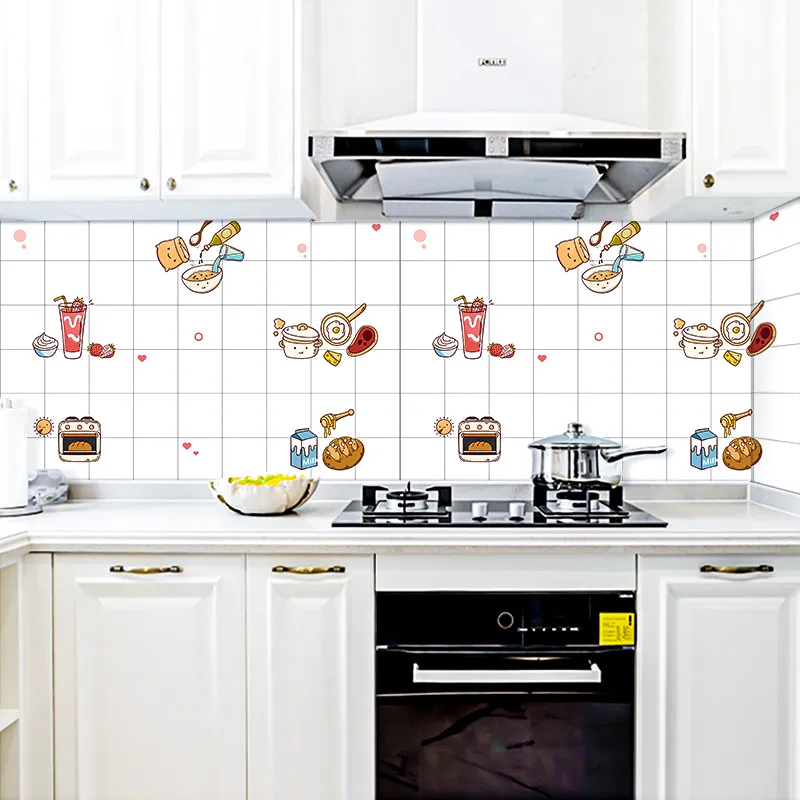
Stone grain PVC film for vacuum pressing has become a go-to surface solution for manufacturers who want the timeless look of natural stone with the efficiency of modern lamination. From cabinet doors and wall panels to retail fixtures and interior decorative components, stone textures deliver a premium feel—without the weight, brittleness, and installation complexity of real stone veneers. This guide explains how stone grain PVC film works in vacuum pressing, what benefits matter most, where it’s used, and how to buy the right specification for stable mass production.
Quick context:
Vacuum pressing uses heat + vacuum to conform PVC decorative film tightly over MDF, plywood, and other substrates—especially for profiled doors, grooves, and complex edges where flat lamination struggles.
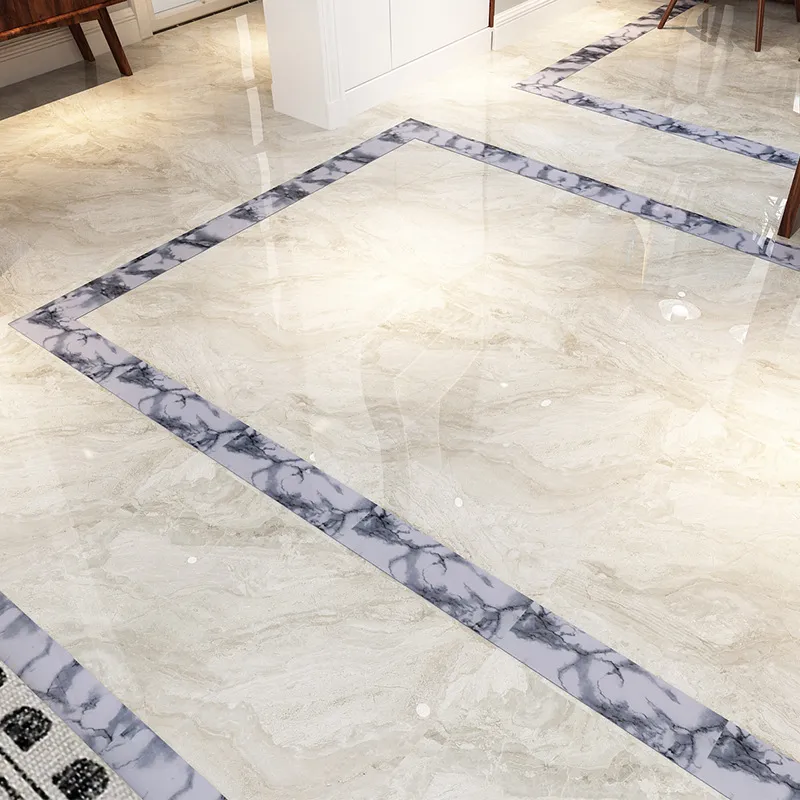
Stone grain PVC film is a decorative polyvinyl chloride film engineered with printed stone patterns (such as granite, slate, travertine, concrete, or terrazzo-like visuals) and matched surface finishes (matte, soft matte, light embossing, or deeper texture). When designed for vacuum pressing, it is formulated to:
soften evenly under heat,
stretch without whitening or cracking, and
bond reliably with vacuum press adhesives.
Many buyers source vacuum-press-grade films from calendered PVC bases for consistent thickness and stable running in printing and slitting. If you’re evaluating base film types, you can review a typical option here:
Calendered Film.
✔ Key buying mindset:
Stone grain is not just a print. For vacuum pressing, the film must be mechanically and thermally stable so that edges, grooves, and corners stay smooth, without lifting, orange peel, or stress marks.
Real stone surfaces deliver prestige, but they can be heavy, costly, and difficult to apply on profiled furniture components. Stone grain PVC film provides a consistent pattern at industrial speed, letting manufacturers offer “stone-inspired” SKUs without changing core woodworking workflows.
Vacuum pressing excels at covering 3D profiles: routed grooves, raised-panel cabinet doors, curved edges, and decorative moldings. A good vacuum-press stone film maintains visual continuity across these shapes, reducing the need for edge banding or separate trim.
Many stone-inspired interiors aim for a “cool, clean” look—think modern kitchens, minimalist retail, or office break rooms. With proper topcoat and process control, stone grain PVC film can support:
wipe-clean maintenance,
moisture resistance, and
consistent gloss control.
Natural stone varies from slab to slab. Decorative film can be engineered with controlled repeat lengths and stable color targets—helpful when you want repeatable production across multiple factories, multiple months, and multiple container shipments.
⚙ Production efficiency tip:
If you’re producing multiple “stone” collections (concrete + terrazzo + granite), ask suppliers for color management / batch control and roll labeling traceability to reduce mismatch claims.
Stone grain designs are popular because they work across many interior styles—from modern industrial to light luxury. In vacuum pressing, the film is commonly applied to:
🔎 Design pairing idea:
Stone grain surfaces often sell better when paired with warm accents (oak woodgrain, brushed metal, soft-touch solids). For reference, related patterns many buyers combine include
Wood Grain Film
and
Marble Film.
The key technical requirement is whether the film can stretch into grooves and over sharp radius edges without defects. During trials, check for:
stress whitening,
micro-cracks,
pattern distortion, and
surface haze changes.
A beautiful press job that peels after a few weeks is a costly failure. Verify compatibility between film, glue, primer (if used), and substrate. Good evaluation methods include:
Stone grain is frequently used in “high touch” zones. Consider tests aligned to your market: scratch resistance, stain resistance, chemical wipe resistance (mild cleaners), and gloss retention.
✅ What to request from a supplier:
Ask for technical data (thickness tolerance, softening range, recommended pressing temperature) plus test reports if you sell into regulated markets.
Pulivk-type suppliers often support ISO systems and can provide compliance references like REACH/RoHS/FDA depending on product series.
Stone looks most realistic when gloss is controlled. Matte and soft matte finishes also reduce fingerprint visibility under indoor lighting. If you need stronger tactility, choose an embossed texture that matches the print (micro-pits for concrete, linear texture for slate).
Thickness impacts formability and perceived durability. Deeper profiles may benefit from films engineered for vacuum pressing flexibility. Rather than guessing, confirm:
maximum stretching depth and
recommended heating window
based on your door design and press parameters.
For large projects (hotel rooms, apartment batches, chain stores), pattern and tone consistency matters as much as adhesion. Ask for batch control practices, roll-to-roll color tolerance targets, and clearly labeled roll IDs for traceability.
Vacuum pressing performance is a system result: substrate sanding, primer (if used), glue type and coat weight, heating temperature, dwell time, and cooling all matter. Provide your supplier with:
substrate type, profile drawings, press model, and your typical glue system so they can recommend the most compatible film series.
Decorative film is sensitive to dust, pressure marks, and edge damage. Professional suppliers typically use dust-proof PE film or kraft paper wrapping, plus clear specification labels for each roll. For global shipping, moisture protection and pallet stability reduce claims.
📌 OEM/ODM checklist (send to your supplier):
Stone grain is ideal when you want a calm, architectural surface. But it’s not always the only option. If your product line needs broader style coverage, consider mixing film families across collections:
Marble visuals tend to be more “luxury” and dramatic (veins, high contrast), while stone/concrete feels more minimal and modern. If you want a brighter premium look for hotel lobbies or upscale residential, marble can be a better hero surface:
Marble Film.
Wood grain brings warmth and works well for family homes, bedrooms, and “cozy modern” interiors. Many brands pair warm wood cabinets with a stone-look island or feature wall:
Wood Grain Film.
Textile-like films can soften a space visually, often used for wardrobes, wall panels, and boutique fixtures. If your market prefers tactile, fabric-inspired surfaces, explore options like:
3D Silk Texture Film.
Buying decorative film is not just purchasing a roll—it’s securing stable supply for your finishing line. A supplier with full-process production (calendering, printing, slitting, and packaging) can often deliver:
shorter lead times,
more consistent batches, and
better cost control.
What “good QC” looks like:
raw material inspection → thickness and appearance checks during production → slitting accuracy control → final roll inspection → labeled packaging for traceability.
This workflow reduces common issues like shade variation, surface defects, and inconsistent adhesion results.
If you need a quick way to navigate product categories, you can use:
Product
to review available film families, and then move to sampling and technical confirmation for your vacuum press line.
MDF and other boards should be dry, clean, and evenly sanded. Dust or uneven porosity can cause weak bonding or surface defects that become visible on large stone-look panels.
Overheating can flatten embossing and shift gloss, making “concrete” look plastic-like. Underheating can reduce conformability and cause bridging at corners. Your goal is a stable process window where the film forms smoothly while keeping the intended stone texture.
After pressing, allow adequate cooling before trimming or stacking. Early handling can introduce pressure marks, especially on matte and soft matte surfaces where scuffs show more easily under raking light.
Operational reminder:
For stone grain, visual inspection should include gloss uniformity and print alignment across door sets—small variations are more noticeable on large, calm stone surfaces than on busy wood grains.
Q1: What’s the difference between stone grain PVC film and marble PVC film?
A: Stone grain often targets concrete/slate/granite-style visuals with calmer patterns and controlled matte finishes, while marble emphasizes veining and higher “luxury” contrast. Choose based on your product positioning and lighting environment.
Q2: Will stone grain film crack or whiten on deep grooves during vacuum pressing?
A: It depends on film formulation, thickness, and your heating window. Always run a profile-depth trial and check corners for stress whitening and micro-cracks before approving mass production.
Q3: What information should I provide to get an accurate quotation?
A: Specify pattern/finish, thickness, width, roll length, target quantity, and your application method (vacuum press). If you have substrate and glue details, share them to confirm compatibility and reduce sampling cycles.
Q4: Can stone grain PVC film be customized (color matching, embossing, packaging)?
A: Yes. Many manufacturers support OEM/ODM customization for size, color/pattern, surface finish (matte/emboss), and export-ready packaging with roll labels for traceability.
Q5: How do I reduce batch-to-batch color variation for large projects?
A: Order sufficient quantity from the same batch when possible, request supplier color management targets, and keep roll IDs recorded in your production files so any issue can be traced and corrected quickly.