Address
304 North Cardinal St.
Dorchester Center, MA 02124
Work Hours
Monday to Friday: 7AM - 7PM
Weekend: 10AM - 5PM
Address
304 North Cardinal St.
Dorchester Center, MA 02124
Work Hours
Monday to Friday: 7AM - 7PM
Weekend: 10AM - 5PM


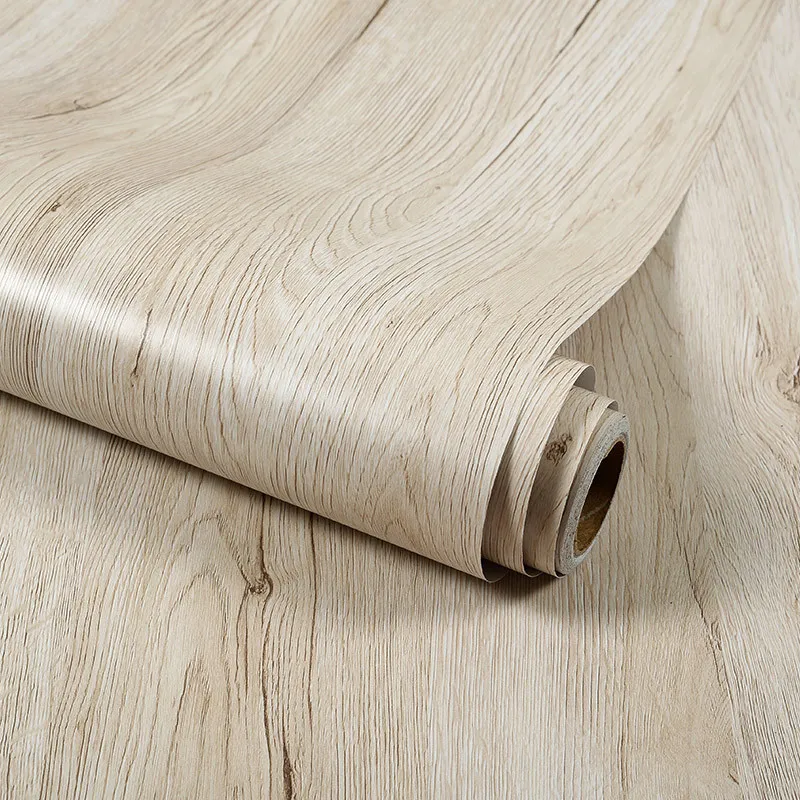
Static cling PVC film (often called self-adhesive window film in everyday shopping) is a practical way to upgrade glass surfaces without glue, nails, or permanent changes. It’s widely used in homes, offices, retail stores, and even temporary project sites to add privacy, reduce glare, refresh décor, or protect surfaces—while still being removable and reusable in many cases. This guide explains how static cling PVC film works, where it performs best, the key benefits, and how to choose the right film for your window or glass application.
✔ Quick clarity:
Static cling PVC film adheres by surface tension (no chemical adhesive layer), making it ideal for renters, seasonal changes, and short-to-medium term privacy or decorative upgrades.
Static cling PVC film is a thin PVC sheet engineered to “stick” to smooth surfaces—especially glass—without using a pressure-sensitive glue. When installed with a light water mist (or a water-and-soap solution), the film lays flat, pushes out trapped air, and holds onto the surface through a combination of micro-suction and static attraction. Because there’s no adhesive residue, the film can often be removed cleanly and reapplied.
Static cling = removable, no residue, great for temporary or rental spaces.
Adhesive film = stronger long-term bonding, better for permanent installs and some exterior uses.
PVC offers good dimensional stability, printability, and a wide range of finishes (clear, frosted, textured, patterned). It can also be produced in calendered structures for consistent thickness.
Unlike glue-based films, static cling PVC film relies on a smooth contact interface. When you spray a thin layer of water, you can reposition the film easily; after squeegeeing, the remaining moisture creates a tight bond that holds the film in place. This is why installation is forgiving and why removal is typically simple—peel from a corner and lift away.
Tip:
Static cling performs best on clean, smooth, non-porous glass. Heavy texture, dusty surfaces, or porous plastics reduce holding strength.
Frosted and patterned static cling films are popular for bathrooms, entry sidelights, stairwell windows, and office meeting rooms. They soften visibility while still allowing daylight in—helpful for spaces where curtains would feel bulky or reduce brightness.
If you’re decorating a rental apartment, pop-up store, exhibition booth, or temporary office, static cling PVC film offers an easy refresh that you can remove at move-out. You can also coordinate film aesthetics with interior finishes such as wood grain, marble, or solid-color wall solutions. For example, pairing a window privacy film with a matching interior decorative surface can create a cohesive look using products like wood grain film or marble film.
In offices and home studies, glare on monitors can be a daily issue. A light-diffusing film finish can reduce harsh reflections and improve visual comfort—especially for windows near desks, conference rooms, or reception counters.
Retail windows often need fast promotional updates without the labor of repainting or replacing signage. Static cling films can be cut into shapes or used as an overlay to make glass storefronts look cleaner and more intentional during campaigns, holidays, or store renovations.
Beyond windows, static cling PVC film can protect smooth surfaces from light scuffs and fingerprints during staging, moving, or short-term construction. For broader protective and decorative applications in manufacturing, many buyers also evaluate calendered film options for stable thickness and consistent roll quality.
Choosing the right film is less about “best overall” and more about matching performance to your space. Use the decision points below to narrow down options quickly.
🔎 Choose by purpose:
Privacy: frosted, matte, patterned, or textured finishes.
Decor: silk-like textures or embossed patterns; coordinate with interiors (walls, cabinets, skirting).
Glare reduction: light-diffusing matte or soft textures.
Short-term protection: clear or lightly frosted protective films.
Finish determines how the film interacts with light and visibility. Frosted and matte options offer the best privacy for bathrooms and street-facing windows. Textured and embossed finishes add a premium look and can hide small surface imperfections. If your project needs a more tactile decorative effect, evaluate texture-focused materials (for example, 3D silk texture film) for coordinated design across glass and panels.
Thicker films are often easier to handle during installation (less prone to wrinkling) and may feel more durable. However, very thick films can be harder to conform around tight corners or curved edges. For large, flat glass panes, a slightly thicker film can reduce the chance of “waves” and improve the finished look.
Bathrooms and kitchens bring heat, steam, and frequent cleaning. Choose films that tolerate moisture and can be wiped gently with non-abrasive cloths. If your glass gets direct sunlight for many hours a day, consider how the film’s optical clarity and dimensional stability will hold over time.
Cleaning rule:
Use mild soap and water; avoid abrasive pads and strong solvents. Gentle care helps preserve transparency and surface finish.
Measure glass width and height at multiple points (some frames are not perfectly square). Plan a small trim allowance for clean edges. If you are purchasing for contractors, multi-site projects, or ongoing retail rollouts, choose stable roll widths and request consistent slitting and packaging to reduce waste and speed up installation.
A good result is mostly about preparation. Even a premium film can look poor if dust or oil is trapped beneath it.
Usually caused by dust or not enough water during install. Lift that section, re-wet, squeegee again. Tiny moisture “haze” often clears after drying.
Check for soap residue, frame interference, or textured glass at the edge. Re-clean edges, trim slightly smaller, and squeegee firmly.
Often from uneven pressure or insufficient squeegee passes. Re-wet the surface lightly and push out remaining moisture in overlapping strokes.
If you’re sourcing static cling PVC film for projects, distribution, or OEM customization, focus on production consistency: thickness tolerance, optical clarity, surface uniformity, roll packaging, and batch traceability. Many organizations also require compliance alignment for indoor safety and export markets (for example, REACH/RoHS expectations and documented QC processes).
Window film is often just one part of a full interior surface strategy. Many contractors and brands coordinate glass privacy film with wall, skirting, furniture, or flooring finishes for consistent styling and easier maintenance. If you are planning a multi-surface upgrade, you may also explore related decorative materials such as solid color wallpaper to match a modern minimal palette across rooms.
Best practice for projects:
Standardize finishes and roll specs early to reduce rework, color mismatch, and installation variability—especially when multiple crews or locations are involved.
If the glass is smooth and properly cleaned, static cling film typically holds well in bathrooms. Edge lifting is usually caused by residue, textured glass, or the film being trimmed too tight against frames.
Often yes. Clean the film gently, let it dry, and store it flat with the liner (if available). Reusability depends on scratches, deformation, and contamination.
In shopping listings, “self-adhesive” sometimes refers to true adhesive films and sometimes to static cling. Check whether the product says “no glue” or “static cling” for residue-free removal.
Use enough water, squeegee from the center outward, and ensure the glass is dust-free. Most “bubbles” are either trapped air from dry placement or tiny particles under the film.
Frosted/matte and certain patterned films offer reliable privacy while keeping rooms bright. If you need privacy both day and night, consider layered solutions (film + blinds/curtains), since interior lighting at night can reduce privacy for any window treatment.