Address
304 North Cardinal St.
Dorchester Center, MA 02124
Work Hours
Monday to Friday: 7AM - 7PM
Weekend: 10AM - 5PM
Address
304 North Cardinal St.
Dorchester Center, MA 02124
Work Hours
Monday to Friday: 7AM - 7PM
Weekend: 10AM - 5PM


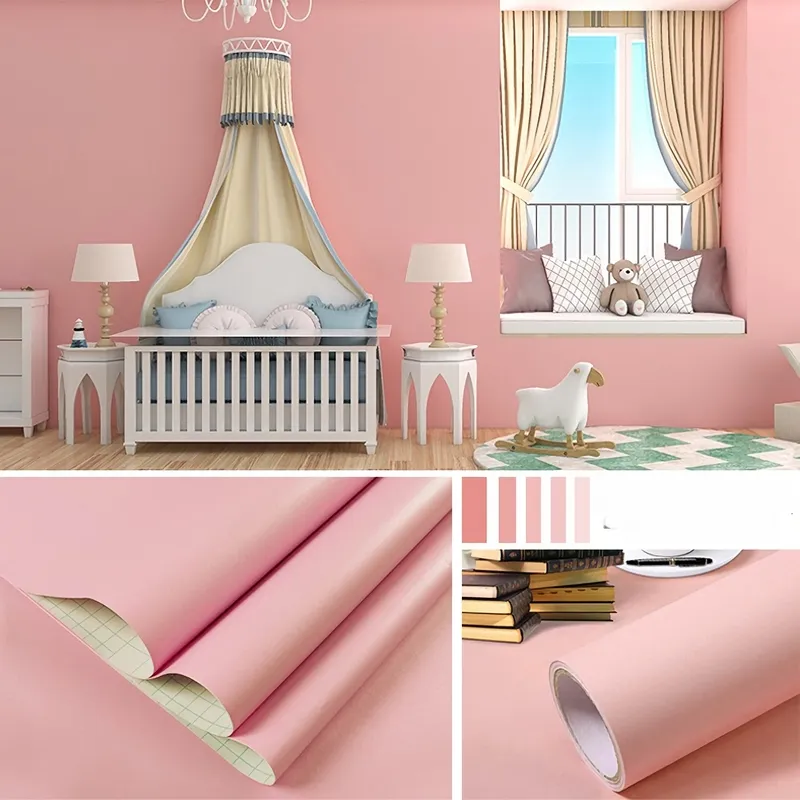
Soft touch PVC film has become a go-to wrapping material for brands and manufacturers who want a premium, velvet-like feel without sacrificing durability, cleanability, or production efficiency. From furniture panels and cabinet doors to consumer electronics packaging and interior décor, this surface finish turns ordinary substrates into high-end tactile experiences—often at a lower total cost than painted or laminated alternatives.
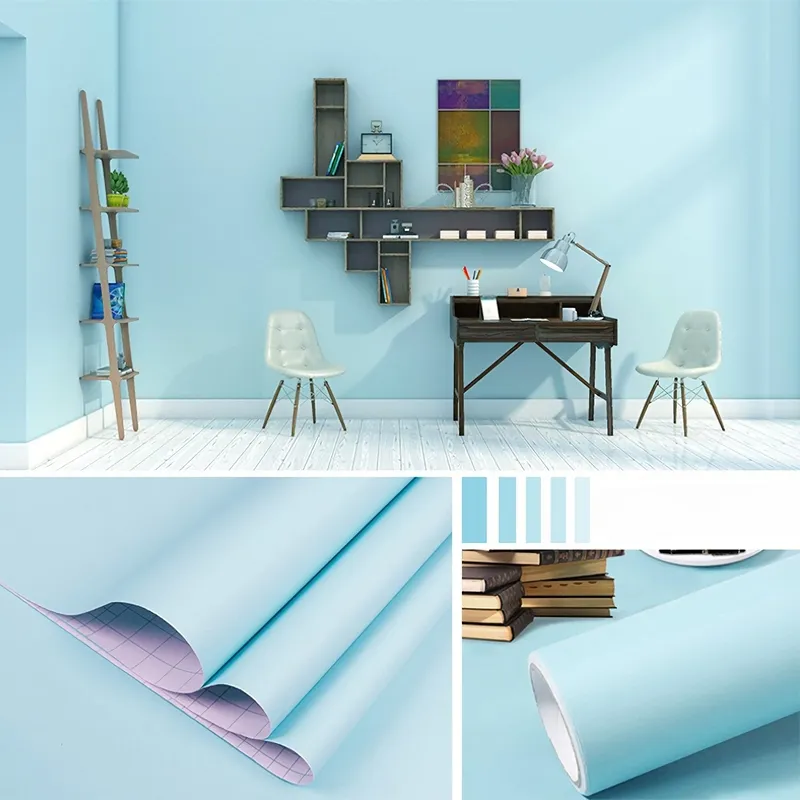
In this guide, you’ll learn the core benefits of soft touch PVC film for wrapping, where it performs best, and how to choose the right type by thickness, texture, performance coatings, and application method. You’ll also see practical selection checklists that help reduce returns, improve bonding stability, and keep your surface looking “new” longer in real-world use.
Soft touch PVC film is a polyvinyl chloride decorative film engineered with a matte, silky, low-gloss surface that feels smooth and comfortable to the hand. It is typically used as a wrapping layer over substrates such as MDF, particle board, plywood, PVC foam board, metal panels, or composite boards. Depending on the project, the film may be applied via vacuum press, membrane press, flat lamination, or self-adhesive wrapping processes.
✔ Key idea:
Soft touch is not only a “look” (matte). It’s a touch-driven finish designed to reduce glare, soften feel, and elevate perceived value—especially on frequently handled surfaces.
The most obvious advantage is the “soft” hand-feel that customers associate with modern, minimalist, and premium products. On furniture, this creates a comfortable touch on cabinet doors, drawer fronts, and decorative trims. In retail environments, a tactile surface can influence buying decisions—even when customers don’t consciously recognize why it feels better.
Soft touch films are typically low-gloss or super-matte, which helps hide reflections from lighting. This makes them popular for interior panels, wardrobes, and commercial spaces where shiny surfaces can look “busy” or show imperfections.
Compared with some painted finishes, PVC wrapping film can offer consistent surface performance: abrasion resistance, scratch resistance (depending on formulation), and better stability in high-touch environments. Many projects also request optional functional coatings such as anti-static, anti-fog, or specific cleanability targets.
Film wrapping can reduce finishing steps and improve batch-to-batch consistency. When produced with controlled calendering and surface treatment, color and texture can remain stable across runs—important for large furniture programs and OEM orders where uniformity directly affects brand credibility.
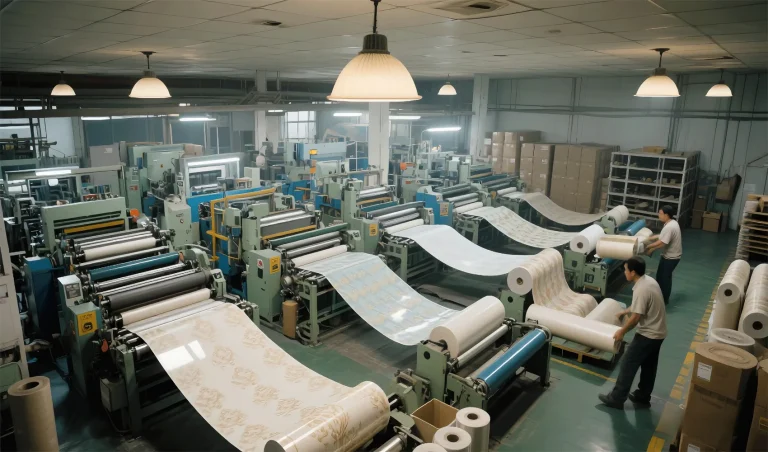
When films are manufactured through a full process (calendering, printing, slitting, and packing), lead time and cost can be better controlled. This matters if you’re managing multiple SKUs, mixed widths, or project-based roll cutting—especially when you need stable delivery schedules and standardized QC.
★ Practical tip:
If your product will be frequently touched (handles, edges, drawer faces), ask for a soft-touch surface option with fingerprint resistance or improved cleanability to keep the matte finish looking uniform.
Soft touch is often combined with other decorative styles—like stone, wood, or solid colors—depending on the design language. If you’re comparing finishes, you can review broader product families such as calendered film (for stable thickness and high output) or pair soft-touch areas with patterns like wood grain film for warm, natural contrast.
Before choosing texture or color, confirm how the film will be applied:
✅ Application routes:
Thickness impacts wrap performance (especially on corners) and surface durability. Thicker films can offer better “body” and feel more premium, while thinner films may form more easily on complex curves. For OEM projects, always align thickness with your pressing temperature, cycle time, and substrate edge geometry.
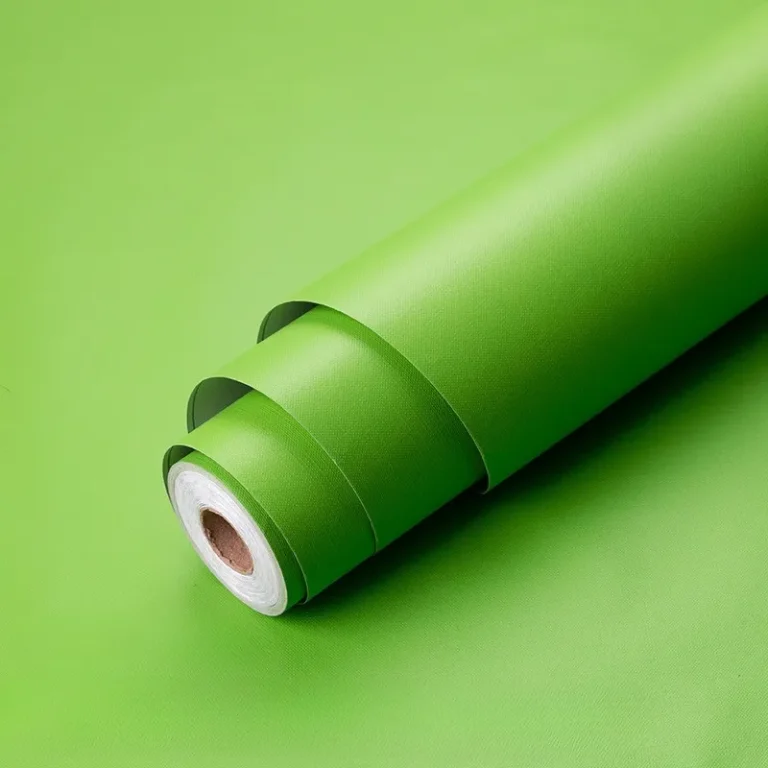
“Soft touch” can range from lightly silky to deep velvet. Specify the target tactile feeling and gloss level upfront, then confirm with physical samples under your real lighting. If your design uses mixed materials, consider pairing with clean minimalist options like solid color wallpaper styles for coordinated interiors.
Not all matte finishes behave the same. Some super-matte surfaces can be more sensitive to abrasion, while others use coatings designed to improve scratch resistance. Define your expected environment:
Bonding stability depends on substrate type (MDF, PVC board, metal, etc.), surface energy, and adhesive choice (PUR, solvent-based, water-based, PSA). Confirm:
Soft touch works beautifully in solid colors (modern and calm), but it can also complement patterns—stone, metallic, textile, or subtle 3D textures. For trim and finishing areas, matching accessories like PVC skirting film can help create a consistent visual system across walls, floors, and furniture edges.
Many customers choose matte to avoid “shine,” but some matte surfaces can still show fingerprints as darker marks. If your product is handled frequently (drawers, doors, switches), request a sample specifically labeled for fingerprint resistance and verify cleaning with a microfiber cloth and mild detergent.
Higher scratch resistance often comes from harder coatings; however, ultra-hard surfaces may make scratches more “white” and noticeable under certain angles. Define what matters more: resisting scratches, or minimizing how visible they look during normal use. For commercial furniture, testing against common contact items (rings, zippers, keys) helps set a realistic target.
Matte finishes can amplify small color differences under different lighting. For brand programs, ask suppliers about batch traceability, QC checks, and whether they control production from calendering through printing and slitting. Consistency improves when manufacturing is integrated and rolls are packed dust-free with labeled specs for safer logistics.
Soft touch PVC film performance is highly dependent on process control—especially thickness tolerance, surface treatment uniformity, and stable winding/slitting. A supplier with complete lines (calendering, printing, slitting, packing) can better manage:
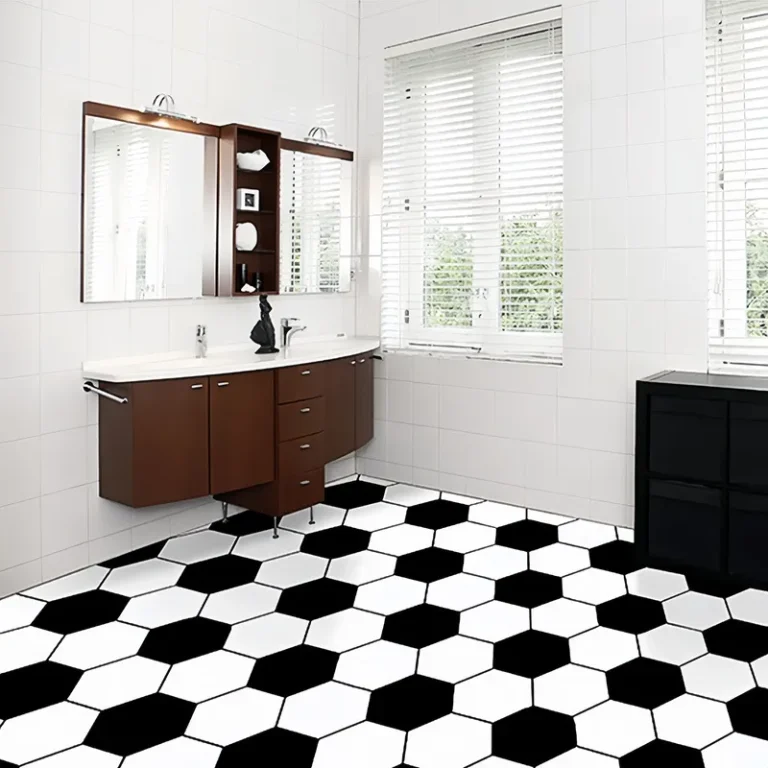
If you’re building a product line that includes multiple surfaces (flooring + wall + furniture), coordinating film families can simplify sourcing. For example, flooring programs may reference dedicated floor film options while keeping matching soft-touch tones on cabinetry or wall elements.
Always request samples in the same thickness, width, and surface treatment you intend to purchase. If you are vacuum wrapping, request enough material to test corners, grooves, and edges—not just flat panels.
🧪 Suggested checks:
To keep the matte look uniform and the touch feeling consistent, maintenance should be gentle and consistent:
Yes, it’s commonly used on cabinet doors and panels. For best results, select a film with good cleanability and confirm resistance to oils and frequent wiping based on your kitchen environment.
Some matte surfaces can show fingerprints as darker marks. If your product is high-touch, request a fingerprint-resistant option and test cleaning behavior using your real maintenance routine.
Both matter. Thickness influences forming and overall “body,” while coatings largely determine scratch resistance, stain resistance, and tactile behavior. Choose based on your shape complexity and usage conditions.
Yes. OEM/ODM customization commonly includes thickness, width, roll size, color matching, surface treatments (e.g., anti-static), printing, and packaging specifications.
Run a vacuum/membrane pressing test on your real edge radius and groove design, then evaluate after cooling and after aging. Ask the supplier for forming recommendations and process windows.