Address
304 North Cardinal St.
Dorchester Center, MA 02124
Work Hours
Monday to Friday: 7AM - 7PM
Weekend: 10AM - 5PM
Address
304 North Cardinal St.
Dorchester Center, MA 02124
Work Hours
Monday to Friday: 7AM - 7PM
Weekend: 10AM - 5PM


PVC film wrapper is a versatile wrapping and surface-protection material used across packaging, furniture, construction, electronics, and home improvement. Whether you need a clear protective wrap for finished goods, a decorative wrap that upgrades appearance, or a functional film with anti-static or anti-fog performance, choosing the right PVC film wrapper comes down to understanding uses, benefits, sizes, finishes, and quality requirements.
✔ Quick takeaway:
A “PVC film wrapper” may refer to clear packaging wrap, protective surface film, or decorative wrapping film. The best choice depends on the substrate, handling/transport conditions, required appearance, and compliance needs (e.g., REACH/RoHS/FDA).
PVC film (polyvinyl chloride film) is a thin, flexible sheet produced by calendering or casting, then optionally enhanced with printing, embossing, lamination, or functional coatings. As a “wrapper,” it can be applied as:
(1) packaging wrap for bundling and protecting products,
(2) surface protection film during production and logistics, or
(3) decorative wrap for upgrading surfaces such as panels, profiles, doors, and furniture.
In modern supply chains, a PVC film wrapper is often selected because it balances clarity, toughness, processability, and finish options. For example, calendered PVC film is widely used when stable thickness and consistent roll quality are required. You can explore a typical calendered solution here:
Calendered Film.
PVC wrapping film helps protect surfaces from scratches, dust, fingerprints, and moisture during warehousing and transport. It’s commonly used for furniture parts, decorative boards, molded profiles, appliances, and hardware where surface appearance matters.
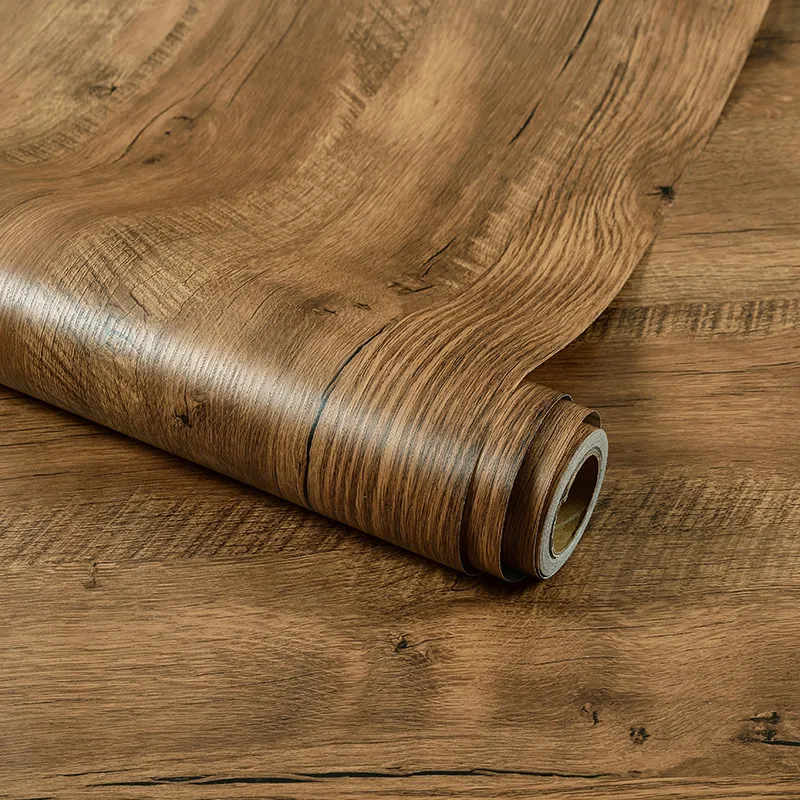
Decorative PVC films provide wood grain, marble, metal, matte, glossy, or 3D tactile textures—ideal for turning plain substrates into premium-looking surfaces. For example, a high-end decorative option like
Wood Grain Film
is widely used in cabinets, wardrobes, and wall panels.
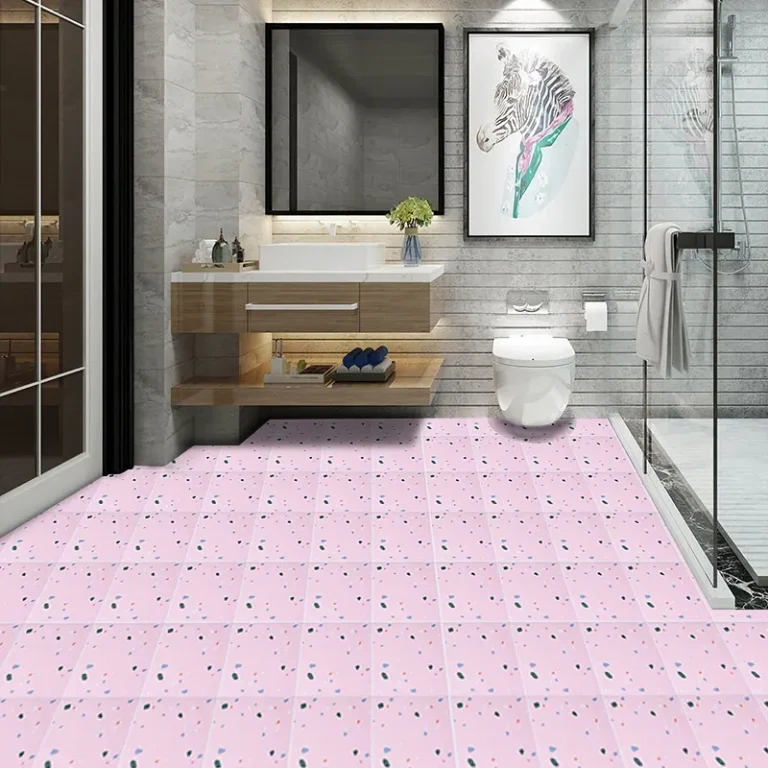
During installation and remodeling, films can act as temporary protection or as a functional layer in decorative flooring systems. For flooring-oriented applications, see
Floor Film,
often chosen for durability and surface consistency.
In electronics and clean manufacturing environments, PVC film wrappers may be specified with anti-static or special coatings to reduce dust attraction and minimize handling risks for sensitive components.
For medical and cleanroom-related workflows, PVC film can be engineered for clean handling, barrier performance, and consistent roll processing, helping protect products from contamination and mechanical damage.
There is no single “standard size” that fits every packaging line. The right size is a balance between protection level, machine compatibility, wrapping efficiency, and final appearance. When evaluating sizes, focus on thickness, width, and roll length / outer diameter.
Thickness selection usually starts with the product’s surface sensitivity and logistics stress:
thin films improve wrap speed and reduce material usage, while
thicker films provide better puncture resistance and edge protection.
Width should cover the product face (or circumference) with minimal waste. For machine wrapping, width must also match the film path and rollers. For manual wrapping, consider ergonomics and control—too wide may reduce precision around corners.
Tip: If you are wrapping profiles, trims, or skirting components, specialty decorative solutions may be more efficient than generic wrap. Example:
PVC Skirting Film.
Roll length affects how often you stop to change rolls. Core size and winding tension affect running stability, telescoping risk, and edge damage. If you slit rolls into narrower widths, consistent winding and edge quality become even more important.
Operational note: Always confirm your machine’s maximum outer diameter (OD) and core compatibility before finalizing roll specs.
Ask a simple question first: is your film mainly for protection, appearance, or functional performance (anti-static, anti-fog, easy-clean, etc.)? Many projects require a combination, but prioritizing prevents overspending on features you don’t need.
For high-visibility consumer surfaces (cabinet doors, furniture fronts, display panels), finish choice impacts perceived quality:
glossy looks premium and vibrant,
matte hides fingerprints,
embossed/3D adds depth and tactile value.
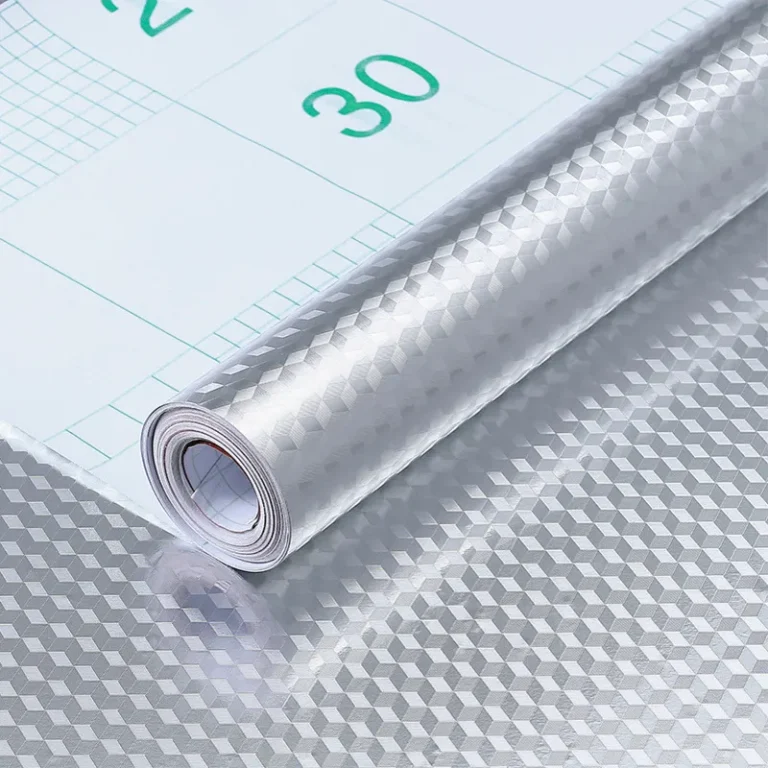
If your design requires a tactile, fabric-like effect, consider texture-focused options such as
3D Silk Texture Film.
Evaluate your handling route: factory → warehouse → container loading → sea/land transport → destination warehouse → final assembly. The more “touchpoints,” the higher the need for puncture resistance and consistent adhesion (if self-adhesive is used).
Non-adhesive wrapping film is typically used for general packaging and bundling where the wrap is removed before use.
Self-adhesive PVC film is better when you need the film to stay fixed on a surface (temporary protection or decorative application). Verify peel strength, residue behavior, and compatibility with the substrate finish.
If the film may be used indoors, near people, or in regulated industries, confirm that it meets relevant requirements such as REACH, RoHS, ISO systems, and (when applicable) FDA. Many buyers also request proof of being free from heavy metals and restricted plasticizers for peace of mind and market access.
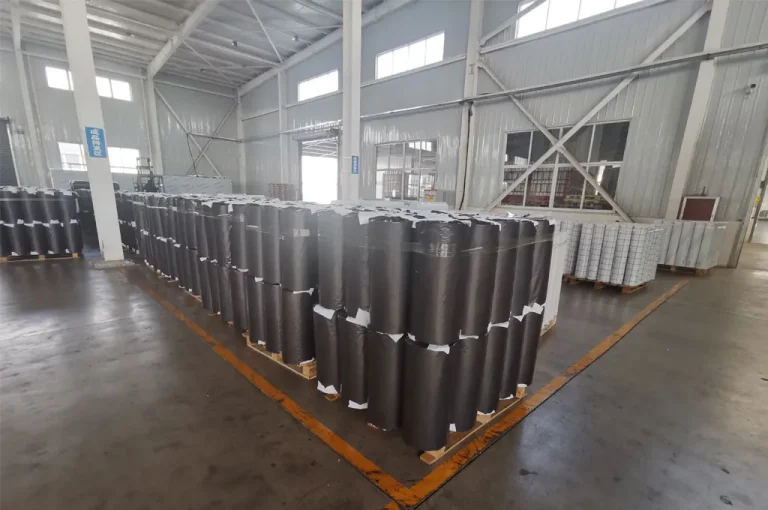
PVC film wrapper performance depends heavily on consistency—especially thickness tolerance, surface uniformity, printing registration, and slitting quality. A manufacturer with integrated calendering, printing, slitting, and packaging can reduce variability and shorten lead time by controlling each step from raw materials to finished rolls.
Best for showcasing products while protecting them. Used for protective packaging, display packaging, and surface protection where visual inspection is needed.
Chosen when glare reduction and fingerprint hiding matter. It’s popular for consumer-facing interiors and premium packaging aesthetics.
Adds tactile value and helps mask minor substrate imperfections. Often used for decorative wrapping in furniture, wall panels, and retail fixtures.
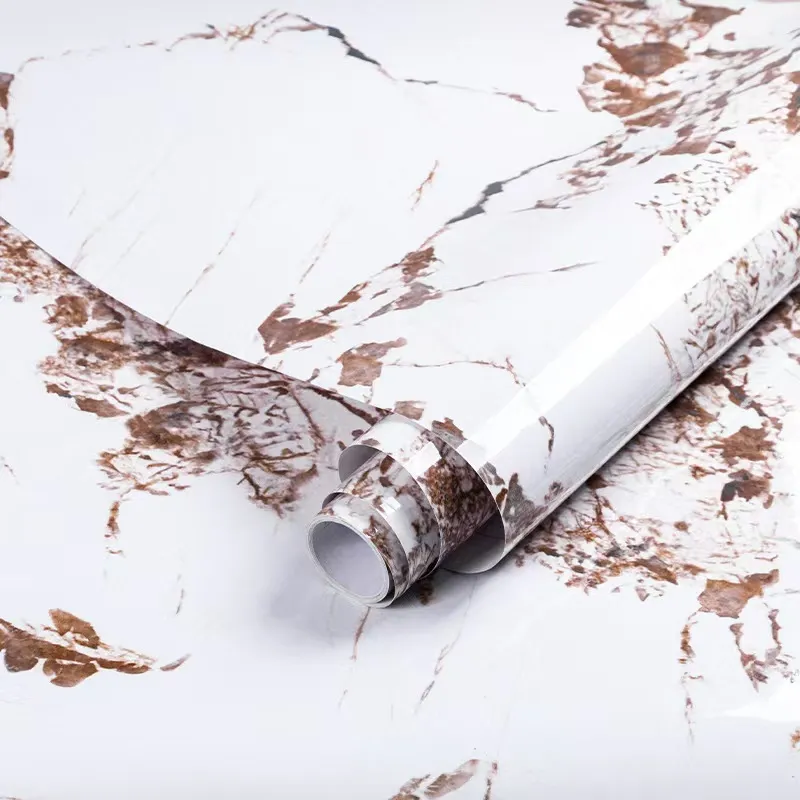
Enables consistent design at scale. For stone-style decorative wrapping, options like
Marble Film
are often selected for panels, countertops (surface layer applications), and interior décor features.
Designed for electronics, appliances, and humid environments. Confirm the test method and target performance range before mass production.
Even the best film can be damaged if packaging is weak. Professional suppliers typically protect each roll using dust-proof PE film or kraft paper, attach a specification label, and add moisture/damage protection for export. This matters because edge dents, telescoping, or moisture exposure can cause converting issues and visible defects on the final wrapped surface.
📌 Practical tip:
When requesting a quotation, provide application, thickness, width, roll length/core, finish, and quantity. If you are matching a design, include a sample or color reference for faster confirmation.
For brands, converters, and manufacturers, OEM/ODM customization is often the fastest route to a film wrapper that runs smoothly in production and meets market expectations. Typical customization includes:
thickness, width, roll size, colors/patterns,
gloss level, and functional coatings (anti-static, anti-fog, food-grade coatings where applicable).
⚠ Choosing by thickness only:
Two films with the same thickness can behave differently due to formulation, calendering control, and surface treatment.
⚠ Ignoring winding/core requirements:
Incorrect roll OD or core can cause machine downtime and edge damage.
⚠ Not validating adhesion/residue (for self-adhesive films):
Always test on your actual substrate and curing conditions to avoid residue or peeling failures.
⚠ Skipping compliance checks:
If your market requires REACH/RoHS/FDA-related documents, confirm availability before mass production.
PVC film is a thin polyvinyl chloride sheet used for wrapping, surface protection, and decoration. It’s selected for its balance of clarity, flexibility, toughness, and finish options.
Choose thickness based on the risk of scratches/punctures and the number of handling steps. Longer transport routes and sharp edges typically require higher puncture resistance and more stable roll quality.
Yes. Common custom options include width, roll length, core size, thickness, plus finishes like glossy/matte/embossed and printed designs.
Focus on thickness uniformity, surface cleanliness, edge slitting quality, stable winding tension, and batch traceability labeling—these directly affect machine stability and final appearance.
Many industrial PVC films are produced to meet common requirements (e.g., REACH, RoHS, ISO systems, and FDA where applicable). Always request