Address
304 North Cardinal St.
Dorchester Center, MA 02124
Work Hours
Monday to Friday: 7AM - 7PM
Weekend: 10AM - 5PM
Address
304 North Cardinal St.
Dorchester Center, MA 02124
Work Hours
Monday to Friday: 7AM - 7PM
Weekend: 10AM - 5PM


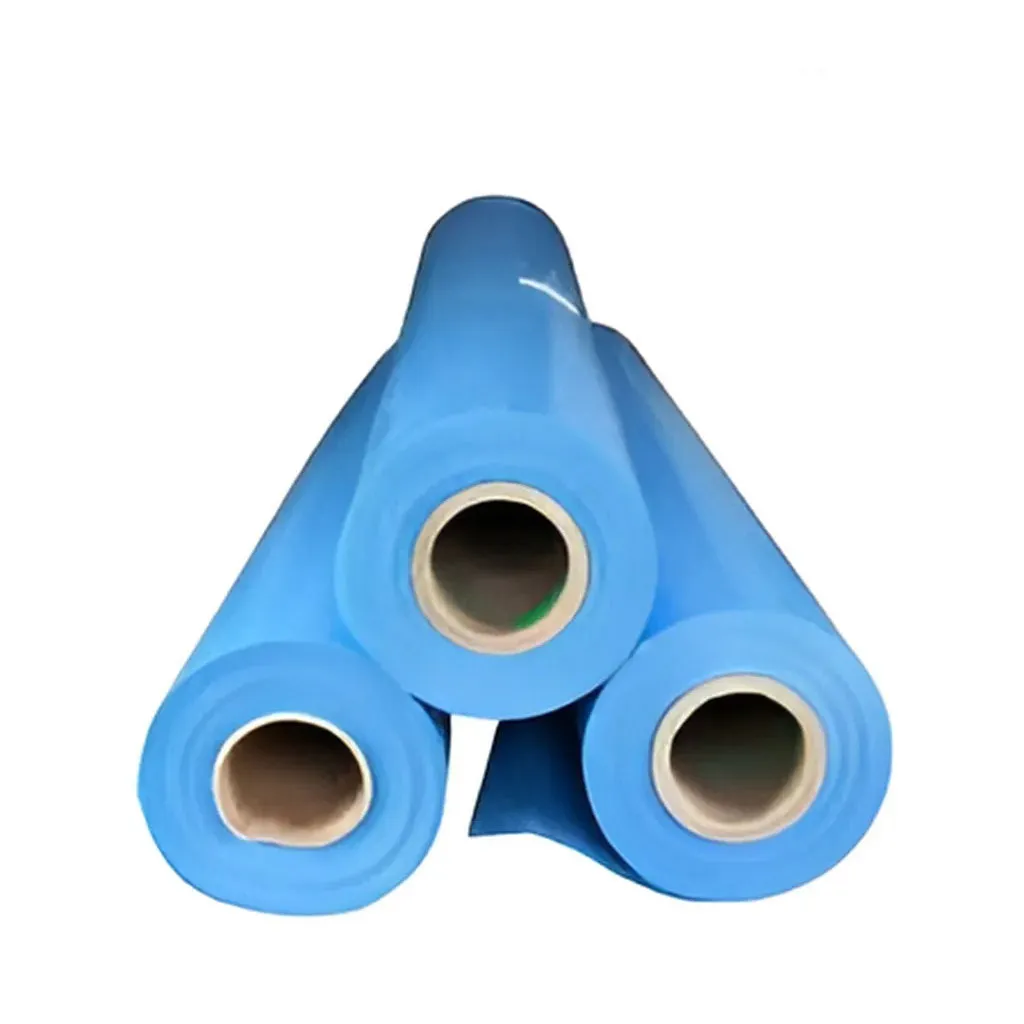
PVC film wrap is a versatile, high-performance material used for packaging, surface protection, and decorative finishing across furniture, construction, electronics, advertising, medical, and household applications. When chosen correctly, it helps reduce damage in transit, improves product appearance, and extends service life—while keeping production and maintenance costs under control.
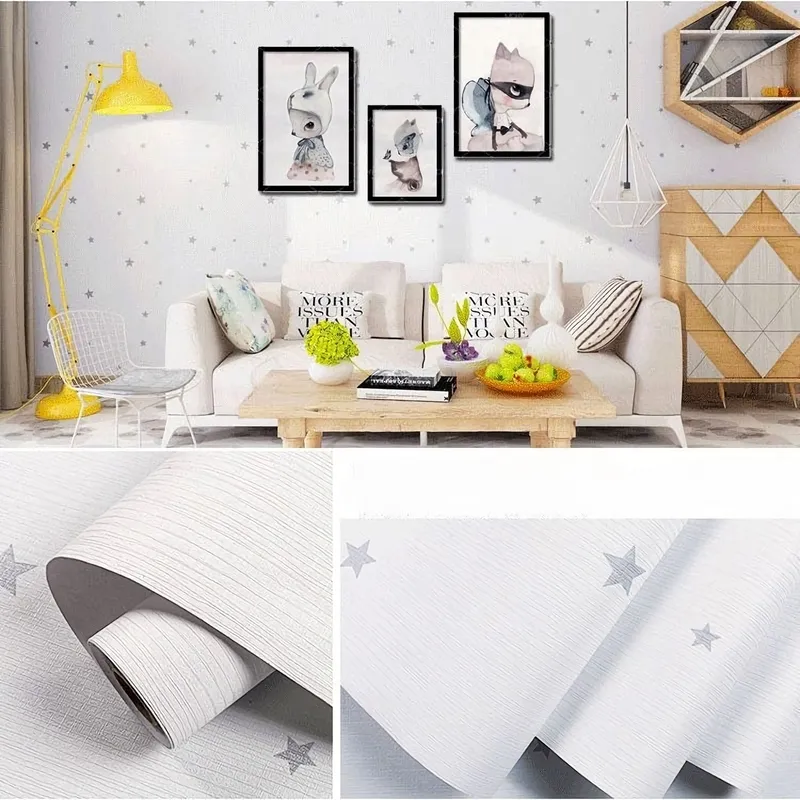
Key idea: “PVC film wrap” can mean different things depending on your industry—calendered PVC roll stock for lamination and protection, self-adhesive films for quick surface upgrades, or decorative PVC films that mimic wood, stone, metal, and textiles. The best option is defined by use-case (packaging vs. decoration), surface, and environment (heat, humidity, chemicals, abrasion).
PVC film is a thin sheet made of polyvinyl chloride, engineered to offer a balanced mix of flexibility, clarity or decorative opacity, durability, and processability. Depending on formulation and surface treatment, PVC film wrap can be produced as transparent, matte, glossy, embossed, pearlescent, anti-static, anti-fog, food-grade coated, or self-adhesive film.
✔ Common formats:
rolls for lamination, rolls for wrapping/protection, decorative films for panels, and adhesive-backed films for direct application.
In many industrial and decorative uses, calendered PVC film is the go-to choice because it delivers stable thickness control, consistent appearance, and scalable production efficiency. If you’re comparing materials for packaging and protection, calendered film is often selected for its repeatable roll-to-roll performance. You can see an example of this category here:
Calendered Film.
PVC film wrap is used in both temporary and permanent roles. In packaging, it acts as a barrier and surface shield. In protection, it prevents scratches, abrasion, dust contamination, and handling damage. In decoration, it upgrades aesthetics and improves cleanability—particularly valuable in high-touch or stain-prone environments like kitchens, hotels, and commercial interiors.
Decorative PVC films can mimic premium materials (wood, marble, metal, fabric) at lower cost and with easier installation and maintenance. For example, Wood Grain Film is popular for cabinet faces, doors, and furniture panels where consistent grain, uniform color, and quick cleaning are priorities. In modern interior trends, textured finishes like silk or fabric-like embossing are also used to create soft, upscale surfaces with better fingerprint masking.
For indoor decoration, packaging, and human-contact scenarios, compliance matters. Many buyers now require films that are free of heavy metals and phthalates, and aligned with standards such as REACH, RoHS, and (when relevant) FDA. If your product is used in kitchens, children’s spaces, or medical environments, request test reports and clarify any performance claims (anti-bacterial, food-grade coatings, low odor) before placing volume orders.
The “best” PVC film wrap depends on what you need it to do: protect a surface temporarily, provide a long-term decorative finish, or deliver functional performance (anti-static, anti-fog, chemical resistance). Use the checklist below to narrow down the right specification quickly.
Packaging & transit protection: prioritize puncture resistance, stable thickness, and clean unwind.
Surface protection during processing: prioritize peel behavior, residue control, and compatibility with the substrate.
Decorative lamination: prioritize color consistency, emboss depth, scratch resistance, and long-term adhesion performance.
Choose a finish based on both aesthetics and practicality. Glossy can look premium but may show fingerprints; matte reduces glare; embossed hides wear; transparent is great for protection where the underlying surface must remain visible.
Tip for showrooms & retail fixtures:
textured decorative films can reduce visible micro-scratches and daily cleaning marks, keeping displays looking “new” longer.
If you need a premium tactile finish, consider options like
3D Silk Texture Film.
Thickness influences protection level, drape, and installation behavior. A film that’s too thin may tear or telegraph substrate imperfections; too thick may be harder to wrap around tight corners. Ask your supplier for recommended thickness ranges based on your substrate and finishing method (lamination, vacuum pressing, wrapping, or direct adhesion).
If you’re using self-adhesive PVC film, verify peel strength, repositionability (if needed), and residue performance on the target surface (MDF, PVC board, aluminum composite, painted metal, glass). For lamination, confirm compatibility with your glue system and pressing parameters, and validate edge behavior on routed profiles.
⚠ Avoid common mismatch:
a film that bonds well on flat panels may fail on deep profiles if the adhesive or film flexibility is not designed for stretching and recovery. Always test on the exact geometry you produce.
Kitchens, bathrooms, and commercial spaces create special requirements. Oil, steam, detergents, and temperature swings can accelerate aging if the film is not specified correctly. If the film will be exposed to sunlight or strong lighting, discuss UV stability and color fastness. For electronics packaging, anti-static options reduce ESD risk in handling and assembly.
For production buyers, the “best option” is often the one that stays consistent across batches: thickness, gloss level, emboss depth, color tolerance, and unwind behavior. Export-ready roll packaging matters too—dust protection, moisture control, and clear spec labeling help avoid warehouse and line-side confusion.
Different packaging and protection tasks require different film priorities. Below are common scenarios and what to specify when requesting samples or quotations.
Skirting and trim areas face frequent impact from cleaning tools and foot traffic. A film with the right emboss and wear resistance helps maintain appearance. If skirting is part of your product line, review options like
PVC Skirting Film.
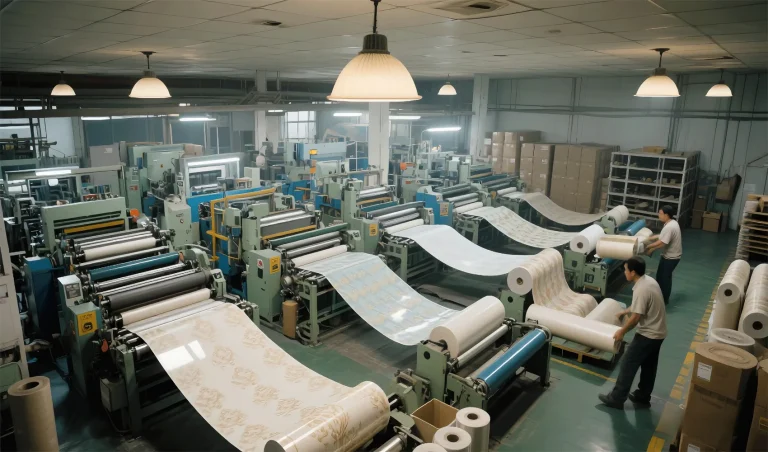
When you buy PVC film wrap for production—especially for furniture, interior panels, appliances, or retail fixtures—OEM/ODM capability becomes a major advantage. A full-process manufacturer can manage calendering, printing, and slitting/packaging in-house, which helps improve consistency, reduce lead time, and control costs.
To speed up sampling, prepare a short spec sheet: application, substrate, target thickness range, preferred finish, pattern/color reference, required certifications, and expected annual volume. This reduces back-and-forth and increases the chance that your first samples are close to production-ready.
Even when a sample looks good, bulk production can reveal issues if quality criteria are not clearly defined. Use measurable checks to protect your timeline and brand reputation.
Sustainability expectations are rising globally. If you sell into regulated markets or serve large retailers, you may need documentation for material compliance and chemical restrictions. In addition to meeting standards, practical sustainability steps include selecting a film with a service life that matches the product (avoid over-spec), minimizing rework via consistent quality, and choosing packaging methods that reduce damage and returns.
✔ Procurement reminder:
Ask for compliance statements and test reports (e.g., ISO management systems, REACH/RoHS alignment, and application-specific requirements). This is especially important for indoor décor, kitchens, medical environments, and children’s furniture.
It’s used for packaging and transit protection, temporary surface protection during processing, and decorative finishing on furniture, interior panels, trims, appliances, and more.
Glossy emphasizes brightness but shows fingerprints more easily; matte reduces glare; embossed textures help hide wear and improve touch feel. The best choice depends on the environment and cleaning frequency.
Yes—common OEM options include thickness/width/roll size, color and pattern printing, surface embossing, and functional treatments like anti-static or anti-fog, plus export-ready roll packaging.
Test thickness consistency, appearance uniformity, unwind performance, adhesion/peel (if adhesive-backed), scratch/abrasion behavior, and packaging/label accuracy for traceability.
Many PVC films are designed for indoor environments and can meet strict compliance requirements (e.g., heavy-metal/phthalate-free formulations and REACH/RoHS alignment). Always confirm the specific compliance documents for your target market and application.