Address
304 North Cardinal St.
Dorchester Center, MA 02124
Work Hours
Monday to Friday: 7AM - 7PM
Weekend: 10AM - 5PM
Address
304 North Cardinal St.
Dorchester Center, MA 02124
Work Hours
Monday to Friday: 7AM - 7PM
Weekend: 10AM - 5PM


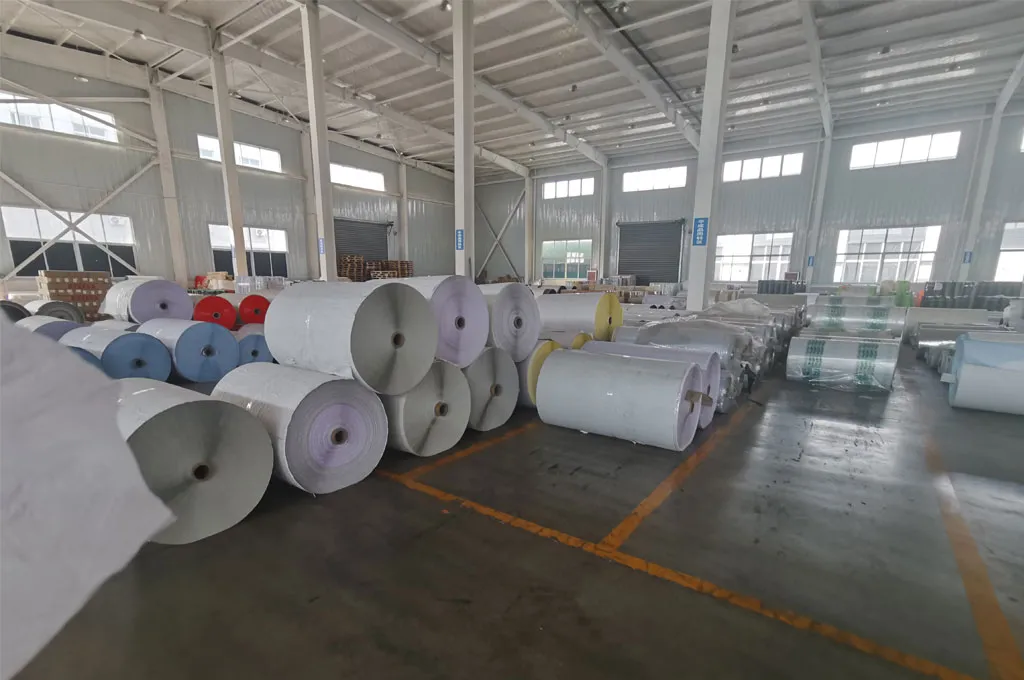
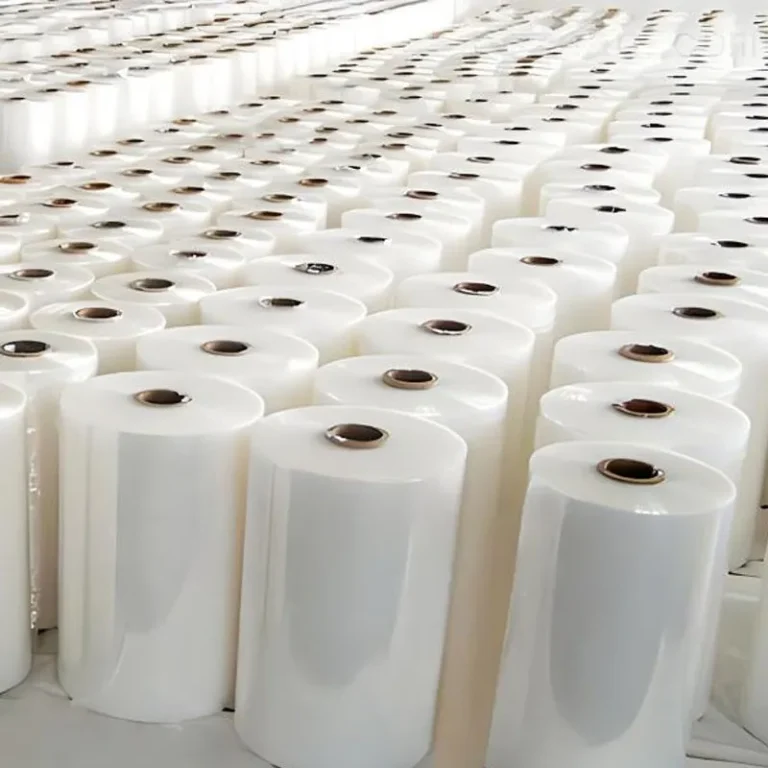
PVC film is one of the most versatile polymer sheet materials used across modern manufacturing. Depending on formulation and surface treatment, it can be transparent or opaque, glossy or matte, soft-touch, embossed, self-adhesive, anti-static, and more—making it a practical choice for packaging protection, building finishes, furniture surfaces, and high-impact printing graphics. This guide walks through the top PVC film uses, how to choose the right film type for each scenario, and what performance factors matter most in real production environments.
✔ Quick definition:
PVC film is a thin sheet made from polyvinyl chloride. It is widely used for decorative, protective, and functional surfaces in industries like furniture, construction, electronics, advertising, medical packaging, and home products.
In everyday production, engineers and buyers often want materials that balance appearance, durability, cost, and stable supply. PVC film fits that need because it can be calendered into consistent thickness, printed with high color fidelity, and finished with textures that imitate wood, marble, fabric, or metal—while still staying easy to clean and maintain.
★ Key advantages buyers care about:
• Consistent quality from controlled calendering/printing/slitting workflows
• Strong customization (width, thickness, color, pattern, roll packaging)
• Surface options (glossy, matte, embossed, soft-touch, anti-static, self-adhesive)
• Good durability for abrasion, moisture exposure, and daily cleaning
• Efficient lead times when production is integrated end-to-end
Packaging is one of the most common application areas for PVC film. Here, the film’s role is not only visual—it’s also about preventing scuffs, dust, moisture, and handling damage. Depending on the product, packaging film may need clarity for display, anti-fog performance for cold-chain environments, or improved stiffness for easier machine processing.
PVC film can be used as protective wraps, lamination layers, isolation layers, and surface protection during transport. For example, decorative panels or furniture boards may be shipped with temporary protective film to prevent scratches; printed signage materials may be wrapped to avoid dust contamination; and industrial components can be packed with anti-static or protective layers.
📌 Selection tip for packaging:
If your priority is stable thickness and roll consistency for converting equipment, start from a reliable
Calendered Film
base and then add the surface function you need (anti-fog, anti-static, higher clarity, matte, etc.).
Many packaging problems come from unclear specifications. To reduce trial-and-error, define your target thickness tolerance, transparency/haze, surface friction, and whether you need special coatings (food-grade, anti-static, anti-fog). Also confirm roll OD/ID, winding direction, and whether each roll should be individually wrapped in dustproof PE film or kraft paper with labeled specs.
In construction and interior decoration, PVC film is used to improve aesthetics while adding practical performance: moisture resistance, easier cleaning, and consistent appearance across large surfaces. It is often applied to wall panels, ceilings, partitions, doors, and trims—especially in projects that require quick installation and repeatable patterns.
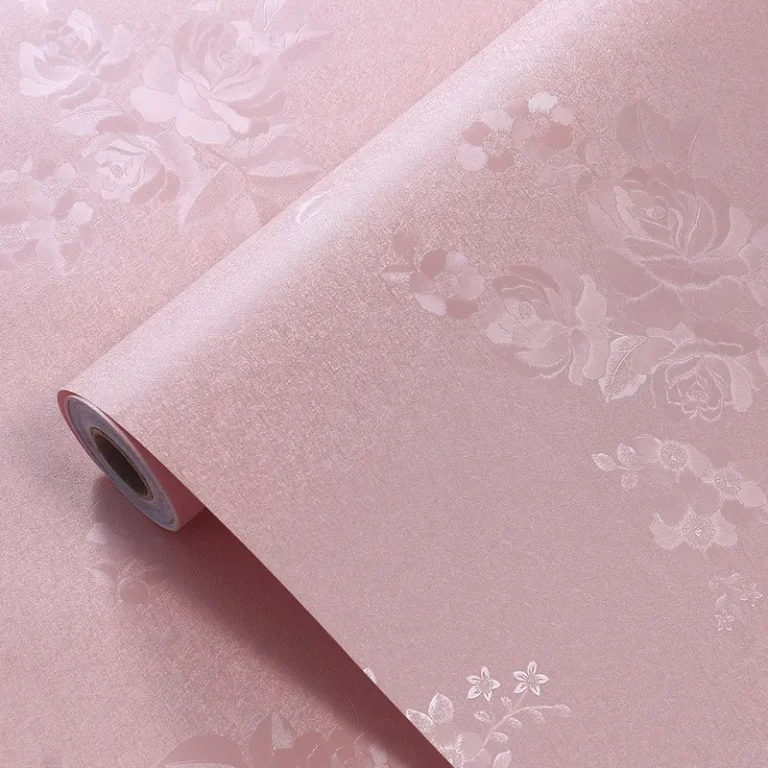
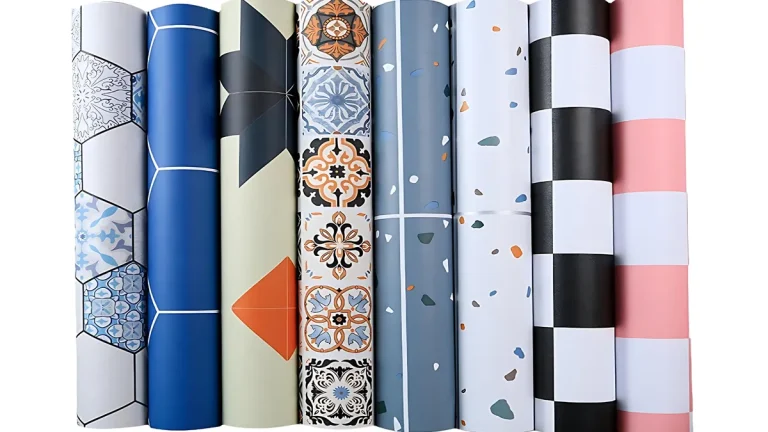
Modern decorative PVC films can replicate marble, wood, brushed metal, textiles, or artistic 3D textures. This allows designers to achieve a premium look with controlled cost and reliable delivery timelines, while also making surfaces easier to maintain than porous natural materials.
✔ High-demand construction décor options:
• Marble-look wall and panel finishing using
Marble Film
• Minimalist, uniform interiors using
Solid Color Wallpaper
• Trim and baseboard finishing using
PVC Skirting Film
Construction sites and finished buildings expose surfaces to abrasion, cleaning chemicals, humidity, and sunlight. When choosing PVC film for architectural use, check abrasion resistance, color fastness, dimensional stability, and whether the adhesive system (for self-adhesive films) suits the substrate and installation temperature. For wet zones, prioritize waterproof performance and a surface that resists staining.
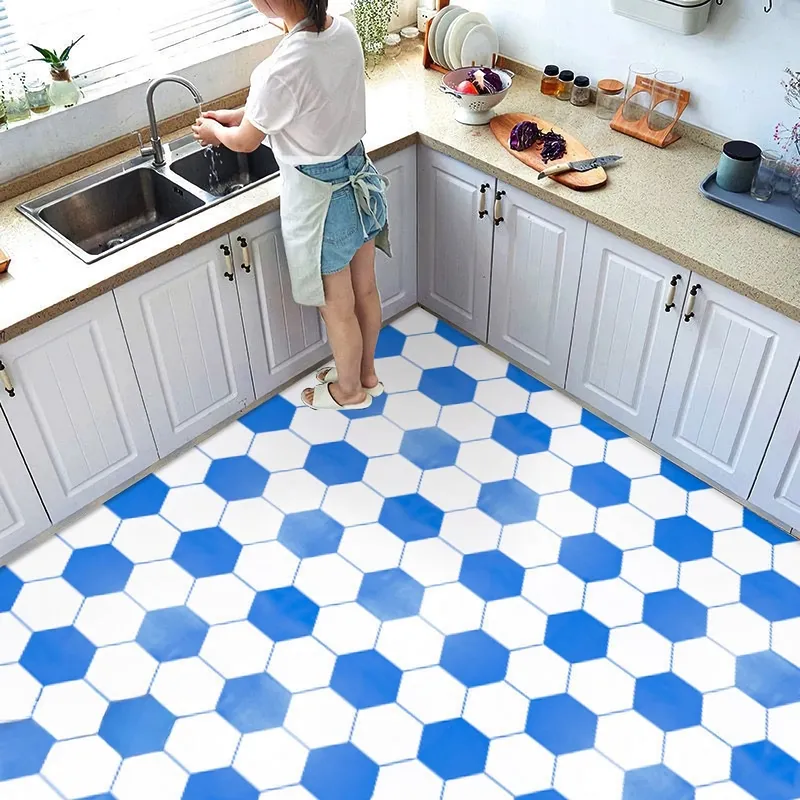
PVC film is commonly used in residential and commercial settings: kitchens and bathrooms (easy wipe-down), corridors and lobbies (durable visual impact), and office partitions or doors (consistent aesthetics). It can also support renovation projects where fast turnaround is needed and disruption should be minimized.
Furniture manufacturing is one of the most mature markets for decorative PVC film. The film acts as a surface layer that upgrades appearance and improves day-to-day durability. Manufacturers use it for cabinet doors, wardrobe panels, drawer fronts, and office furniture—especially where consistent color and texture matching across batches is critical.
Wood grain remains a favorite for warm, natural interiors; high gloss offers a modern, reflective look; and soft-touch provides a premium matte feel for contemporary spaces. Embossed textures can improve realism and add slip resistance, while matte finishes help hide fingerprints.
🔎 Furniture buyer checklist:
• Surface durability: abrasion resistance and scratch performance for daily use
• Cleanability: resistance to oils, stains, and common cleaners
• Visual consistency: stable gloss level and color matching across runs
• Processing fit: compatibility with lamination, wrapping, and forming steps
In panel furniture, PVC decorative film is often laminated onto MDF/particle board for a consistent surface. In profile wrapping, it can follow shapes for door frames and decorative edges. For hospitality and retail fixtures, the film helps maintain a fresh look under frequent cleaning and customer contact.
Furniture brands frequently need customized widths, thickness ranges, emboss patterns, and color systems to match their design language. OEM/ODM programs can also include tailored packaging methods (dustproof wrap, labeling, and roll protection) to reduce handling defects and speed up assembly line work.
Printing and advertising applications demand films that accept ink well, hold color, and stay stable during installation and use. PVC film is commonly used for promotional graphics, exhibition backgrounds, lightbox surfaces, display panels, and decorative stickers—where visual impact must remain consistent under lighting and viewing angles.
The printing outcome depends on surface energy, ink compatibility, and film flatness. Gloss surfaces tend to enhance color saturation, while matte surfaces reduce glare under exhibition lighting. Embossed and textured surfaces can create premium tactile effects and help brands stand out in crowded retail environments.
★ When texture is part of the design:
Consider specialty options like
3D Silk Texture Film
for displays that need both visual depth and a distinctive touch.
For event and retail environments, films may face rubbing, folding, and repeated setup. For longer-term signage, consider UV stability, dimensional stability, and how easily the surface cleans without dulling the print. If the film is used as a temporary protective layer, peel performance and residue control become key.
Beyond the “big four” industries, PVC films also serve specialized roles where functional performance is the priority. These include anti-static films for electronics handling, protective and hygienic packaging for medical or cleanroom products, and waterproof films for everyday household items.
In electronics manufacturing, anti-static and protective PVC films help prevent surface scratches and reduce static-related risks during handling. They may also be used for decorative brushed textures on appliance panels, where aesthetics and scratch resistance must coexist.
For medical-related environments, suppliers often focus on material safety, stable quality, and clean packaging. PVC films can be produced with compliant formulations and packaged to reduce contamination risk, especially when the film is intended for protective layers or controlled-environment workflows.
PVC films appear in table covers, waterproof curtains, window films, and floor protection products—where consumers value easy cleaning and water resistance. In these use cases, comfort (soft-touch), appearance (clear or patterned), and odor control can strongly influence satisfaction.
Different industries ask for different priorities. Packaging converters may focus on thickness tolerance and winding; construction buyers often focus on moisture and abrasion performance; furniture brands care about texture realism and consistent color; printing companies need ink adhesion and flatness. A good selection process starts with defining the end-use conditions and then confirming film structure, surface finish, and compliance requirements.
✅ Practical sourcing workflow:
1) Define the application (lamination, wrapping, printing, protection, or self-adhesive)
2) Specify thickness, width, roll size, and surface finish (gloss/matte/emboss/soft-touch)
3) Confirm functional needs (anti-static, anti-fog, waterproof, oil resistance)
4) Request samples and test on your real substrate/process
5) Lock quality standards and packaging method for stable mass production
PVC film is often purchased in large volumes and used on automated lines, so consistency matters as much as the film itself. Buyers typically verify batch traceability, thickness control, surface uniformity, adhesion consistency (when applicable), and export-ready packaging. For regulated or sensitive use cases, compliance with standards and availability of test reports can be essential for onboarding a supplier.
If you need a supplier that supports both standard products and OEM/ODM specifications—covering calendering, printing, and slitting/packaging—review capabilities and documentation early. You can also explore product categories and technical resources via
Home,
browse the full
Product
range, or check detailed answers in the
FAQ.
The most common uses are packaging protection, construction interior finishing, furniture surface decoration, and printing/advertising graphics.
Glossy enhances color and looks modern; matte reduces glare and fingerprints; embossed adds texture realism and can improve wear feel for high-touch surfaces.
Yes. OEM/ODM customization commonly includes thickness, width, roll size, color/pattern, and functional coatings (such as anti-static or anti-fog), plus tailored roll packaging and labeling.
Buyers typically focus on thickness consistency, surface defects control, adhesion stability (if laminated or self-adhesive), color consistency across batches, and protective packaging to prevent dust or handling damage.
It can be, when produced with compliant formulations and appropriate inks/coatings. For indoor projects, confirm that the film meets your required safety and environmental standards and request supporting test reports if needed.