Address
304 North Cardinal St.
Dorchester Center, MA 02124
Work Hours
Monday to Friday: 7AM - 7PM
Weekend: 10AM - 5PM
Address
304 North Cardinal St.
Dorchester Center, MA 02124
Work Hours
Monday to Friday: 7AM - 7PM
Weekend: 10AM - 5PM


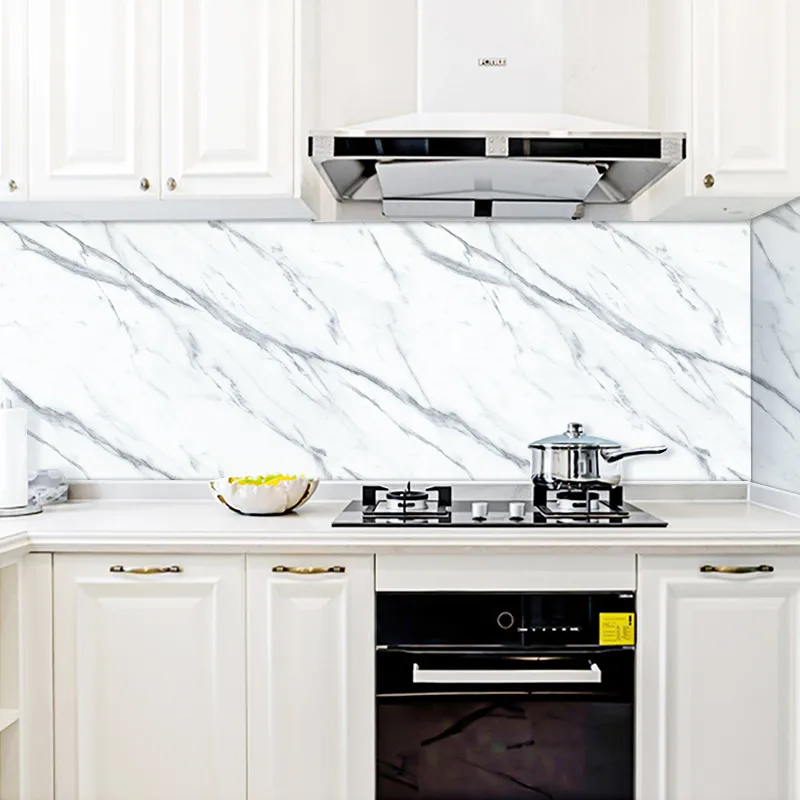
PVC film sheet is one of the most versatile surface and functional materials used across furniture, interior decoration, building finishes, electronics protection, advertising, medical packaging, and home improvement. From a clean transparent film to a realistic wood-grain decorative layer, PVC film sheets help manufacturers and installers improve appearance, durability, and maintenance—often while controlling cost and lead time.
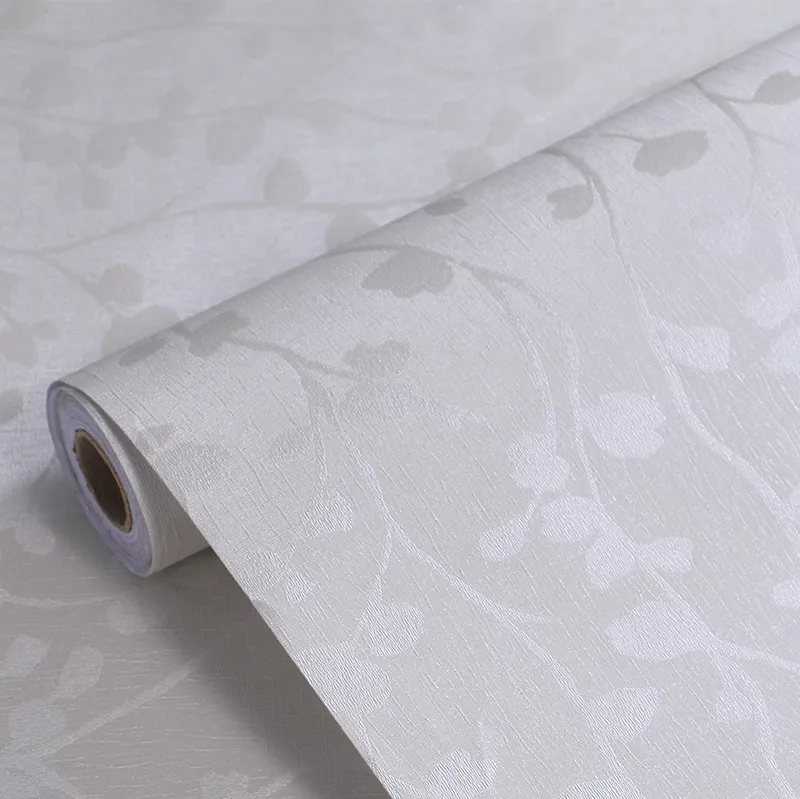
This guide explains uses, types, thickness selection, and a practical decision framework so you can choose the right PVC film sheet for your project—whether you are laminating cabinet doors, wrapping profiles, protecting surfaces during production, or upgrading a rental apartment with quick renovation films.
Key takeaway: The “right” PVC film sheet is not only about thickness. You must match application method (lamination, wrapping, self-adhesive), surface finish (gloss/matte/embossed), performance needs (anti-static, scratch resistance, waterproof), and compliance (REACH/RoHS/FDA where applicable).
A PVC film sheet is a thin sheet made from polyvinyl chloride (PVC). Depending on formulation and production method, it can be rigid or flexible, clear or opaque, printed or embossed, and supplied in rolls or cut sheets. In industrial and decorative markets, PVC film sheets are commonly used as:
Many PVC sheets are produced as calendered films, a process that forms consistent thickness and stable surfaces suited for printing, embossing, and lamination.
PVC film sheets are widely applied to MDF, particleboard, and plywood surfaces to create premium looks at scalable cost. Typical applications include cabinet doors, wardrobes, table tops, office furniture panels, and decorative trims.
Best-fit finishes: wood grain, matte solid colors, soft-touch, glossy wardrobe finishes, embossed textures for anti-fingerprint feel.
Consider: Wood Grain Film for warm, realistic patterns that hide minor substrate defects.
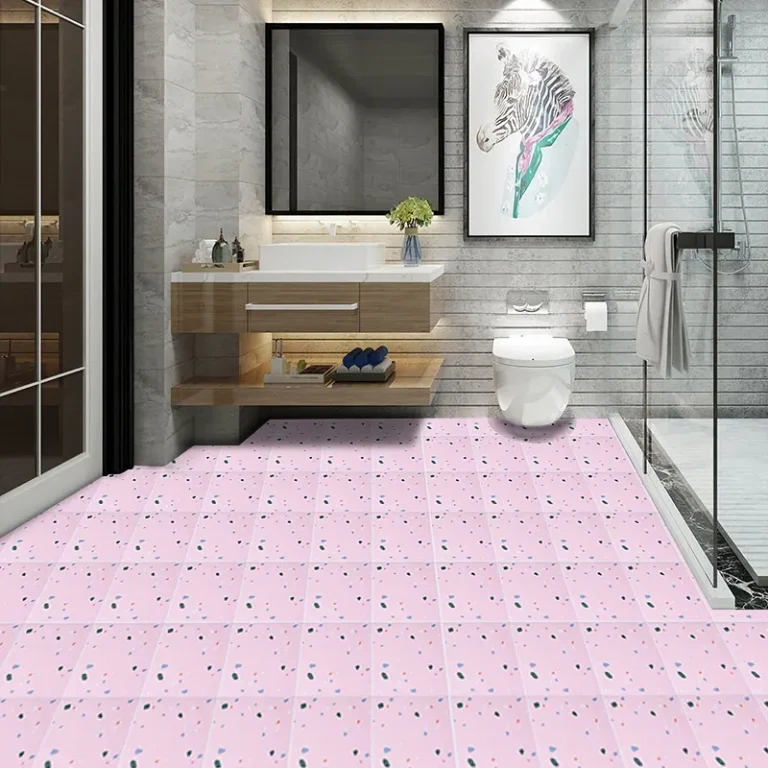
For wall coverings, partitions, ceilings, door frames, and baseboards, PVC film sheets provide a cleanable surface and design flexibility. They are also popular for fast renovation projects where downtime must be minimized.
For skirting/baseboard applications, a dedicated option such as
PVC skirting film
can help deliver consistent color matching and scuff resistance in high-traffic areas.
PVC film sheets are used in resilient floor systems and surface layers where abrasion resistance, dimensional stability, and easy cleaning matter. They can be engineered with textures for slip resistance and visual depth.
If your project targets floor surfaces, review purpose-built options like
Floor Film
to align with wear-layer requirements and installation methods.
In electronics and appliance manufacturing, PVC films can act as protective and functional layers—such as anti-static films, insulation films, or scratch-protection films during assembly and shipping. Choosing the correct thickness and surface friction is critical for automated handling.
PVC film sheets can be printed and converted for display panels, lightbox applications, exhibition backgrounds, and short-term promotional installations. For these use cases, print compatibility and dimensional stability matter more than heavy abrasion resistance.
For medical and cleanroom environments, films may require controlled additives, cleaner packaging, and traceability. Compliance expectations can be higher (for example, REACH/RoHS and, when relevant, FDA-aligned use). Always confirm the exact intended contact conditions and test requirements.
Calendered film is produced by passing compounded PVC through rollers to form a uniform sheet. It’s widely used for decorative and industrial applications because it offers consistent thickness, good surface quality, and efficient mass production.
For a closer look at this category, see
Calendered Film.
Decorative film focuses on visual and tactile design: wood grain, marble, fabric textures, brushed-metal looks, or 3D embossing. These are frequently laminated to boards or wrapped on profiles.
Design tip: If your customer expects “premium touch,” consider texture films (silk, fabric, soft-touch) rather than only visual patterns.
Example option:
3D Silk Texture Film
for a refined tactile finish suitable for furniture fronts and decorative panels.
Transparent films are often chosen for protective layers, packaging, window-related decorative uses, and overlay applications where the substrate must remain visible. Frosted films can diffuse light and hide minor scratches or fingerprints. Solid-color films support branding consistency and minimalistic interiors.
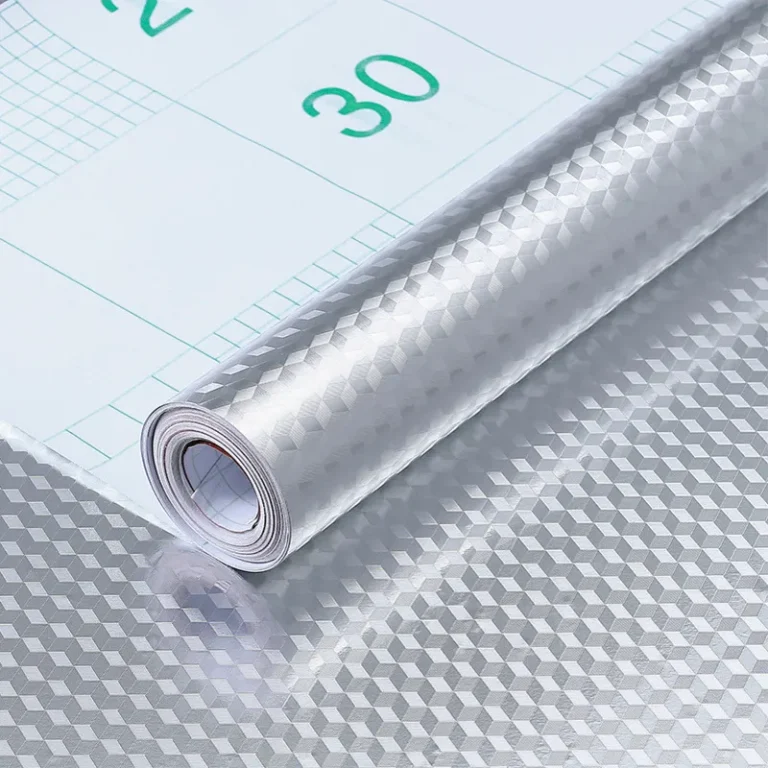
Self-adhesive films simplify installation for renovation and retail projects. They are widely used for quick upgrades on walls, cabinets, countertops, or appliances. For manufacturing, adhesive selection must match the substrate and service environment (temperature, humidity, cleaners).
Beyond appearance, PVC film sheets can be made with coatings or additives for specific needs. Common functional requirements include:
Thickness is one of the fastest ways to shortlist materials, but it should be selected together with hardness, emboss depth, adhesive system, and end-use stress. Below is a practical guide used in many projects (final selection depends on design and tests).
| Thickness Range | Typical Use | Why It Works | Notes |
|---|---|---|---|
| 0.05–0.12 mm | Temporary protection, light packaging, low-stress overlays | Flexible, cost-efficient, easy to convert | Not ideal for deep emboss or heavy abrasion |
| 0.12–0.25 mm | Decorative lamination, wrapping profiles, furniture surfaces | Balanced handling, print/emboss capability | Most common range for decorative projects |
| 0.25–0.40 mm | High-wear furniture parts, wall protection panels, stronger wraps | More durable surface, better impact resistance | Check bending radius for profile wrapping |
| 0.40–1.00 mm | Specialty sheets, heavy-duty protection, some floor/wall systems | Rigid feel, strong barrier properties | Often requires different equipment and adhesives |
Important: Thickness alone does not define durability. A thinner film with better coating or emboss design can outperform a thicker film in stain resistance, scratch behavior, and cleaning performance. Always evaluate real-use tests (abrasion, chemical resistance, adhesion, heat aging) for your substrate and environment.
The same color can feel completely different depending on gloss and texture. Use the finish to manage fingerprints, minor scratches, and lighting conditions:
Ask where and how the film will be used. A kitchen cabinet near a stove, a bathroom vanity, and an office desk all face different risks.
Use-environment checklist:
Use thickness as a structural and process parameter:
For many global projects, buyers expect materials compliant with common requirements such as ISO management systems and chemical restrictions. If the film may be used in sensitive environments (medical, children’s products, food contact scenarios), confirm documentation and testing scope before mass production.
Some suppliers provide PVC films that are free of heavy metals and phthalates and can support compliance needs such as REACH, RoHS, and FDA (when applicable to the intended use).
To get an accurate quotation and minimize sampling cycles, share the information below. This also helps the factory recommend the most stable construction for your process.
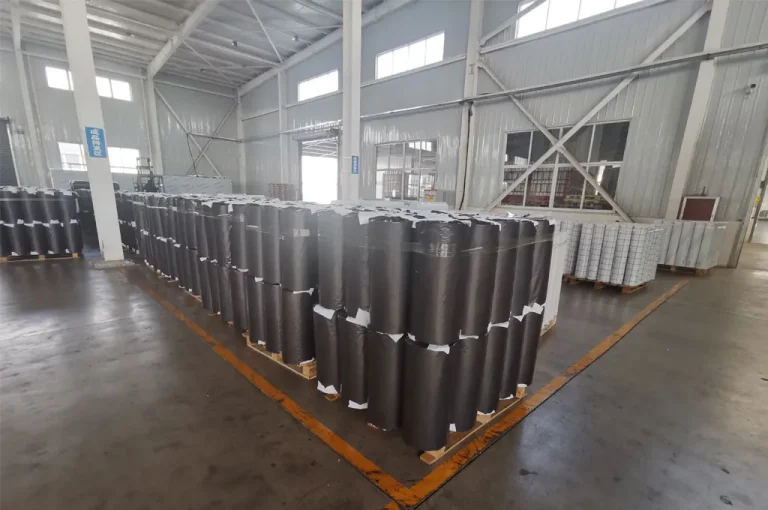
For large projects, the biggest risks are usually not the pattern itself—but batch consistency, adhesion stability, and delivery reliability. A supplier with integrated production (calendering, printing, slitting, packaging) can reduce handover variability and shorten lead time.
For export and long-distance shipping, packaging directly influences arrival quality. Many professional shipments use individual roll wrapping with dust-proof PE film or kraft paper and clear spec labels to support warehouse scanning and batch traceability.
Choose a film with strong stain resistance and a finish that hides fingerprints (often matte or light emboss). Confirm chemical resistance against common kitchen cleaners and cooking-oil wipe tests. If using self-adhesive options, verify long-term edge sealing around sink and stove zones.
Self-adhesive decorative PVC sheets work well for quick transformations on flat, clean surfaces. Prioritize repositionability during installation, then confirm final adhesion strength after 24–48 hours. Avoid heavy textures on uneven walls to reduce trapped air and edge lift.
Use a slightly thicker construction and consider embossed or textured finishes that visually reduce micro-scratches. Validate abrasion resistance with real items (bags, keys, packaging straps) and cleaning routines (alcohol wipes in some stores).
Consider anti-static treatment and stable unwind performance for automation. Confirm surface resistance targets, clean peel behavior (if protective), and compatibility with your production temperatures and packaging flow.
If your project requires a unique pattern, strict color control, special coatings, or customized roll widths, OEM/ODM capability reduces risk. A supplier that can control calendering, printing, and slitting in-house can offer:
Need a structured starting point?
You can browse product categories and typical constructions via
Product
or explore more technical notes in
Knowledge.
For specifications, sampling, and MOQ details, use
Contact.
Many decorative furniture applications use roughly <