Address
304 North Cardinal St.
Dorchester Center, MA 02124
Work Hours
Monday to Friday: 7AM - 7PM
Weekend: 10AM - 5PM
Address
304 North Cardinal St.
Dorchester Center, MA 02124
Work Hours
Monday to Friday: 7AM - 7PM
Weekend: 10AM - 5PM


PVC film rolls are one of the most practical materials in modern packaging and surface protection because they combine clarity, durability, processability, and cost efficiency. Whether you are wrapping finished goods, protecting surfaces during transport, laminating printed graphics, or producing decorative and functional coverings, choosing the right PVC roll affects product appearance, handling efficiency, and total cost.

This guide explains the main PVC film roll types, common uses, standard sizes and specifications, and a clear method to select the best roll for your packaging needs—especially if you require stable quality, custom converting, and export-ready roll packaging.
A PVC film roll is a continuous sheet of polyvinyl chloride wound onto a core for easy converting (slitting, rewinding, printing, laminating, or die-cutting). In packaging, PVC film is valued for its balance of toughness and flexibility, its ability to hold shape, and the variety of surface finishes available—from transparent and glossy to matte, embossed, soft-touch, anti-static, and self-adhesive.
Key packaging value points
Not all PVC rolls behave the same. Selection should start with manufacturing method, then move to finish and functional coatings. Below are the categories most buyers compare when sourcing PVC rolls for packaging and protective applications.
Calendered film is produced by rolling molten PVC through a series of heated rollers to achieve controlled thickness and smoothness. It’s widely used because it offers stable gauge control and cost efficiency for medium-to-large orders.
If you need a dependable base film for converting, review calendered options here:
Calendered Film.
Clear PVC rolls are common for window packaging, product display wraps, protective overwraps, and covering applications where visibility matters. Key buying factors include haze, gloss level, and stiffness. If the product needs to “read” well on shelf, request optical data (haze/clarity) and confirm roll-to-roll consistency.
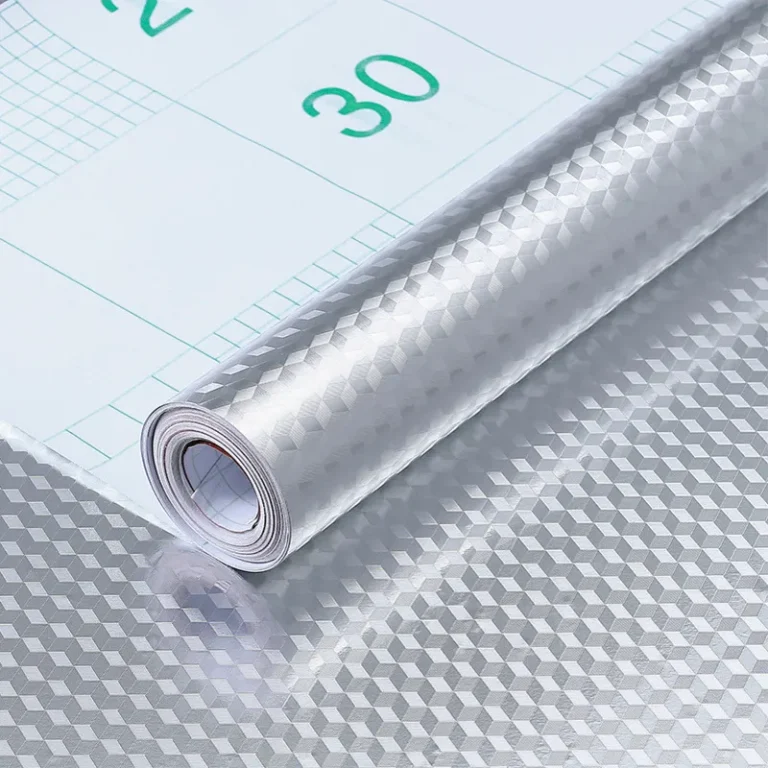
Embossed and texture films can increase perceived value for packaging sleeves, presentation wraps, and branded protective coverings. They also help hide fingerprints and minor scratches compared with high-gloss surfaces. For a fabric-like premium effect used in decor and surface covering projects, see:
3D Silk Texture Film.
Self-adhesive PVC rolls integrate a pressure-sensitive adhesive layer, improving installation speed for labeling, temporary protection, and decorative overlays. When sourcing, specify the adhesive type (removable/permanent), target substrate (metal, plastic, painted wood, glass), and whether residue-free removal is required.
Functional coatings and formulations are chosen for specific environments: anti-static for electronics handling, anti-fog for condensation-prone packaging, and compliant grades for food-contact needs. Always confirm the applicable compliance target (for example REACH/RoHS/FDA requirements, if needed) and request supporting documentation and batch traceability.
Quick tip ●
Start with the converting process (printing, lamination, slitting, die-cutting, hand wrapping) and work backward to film type. A “perfect-looking” film that jams your line is the wrong roll.
PVC film rolls appear in many supply chains because one material can serve both protection and presentation. Below are practical use cases that can help you define your specification faster.
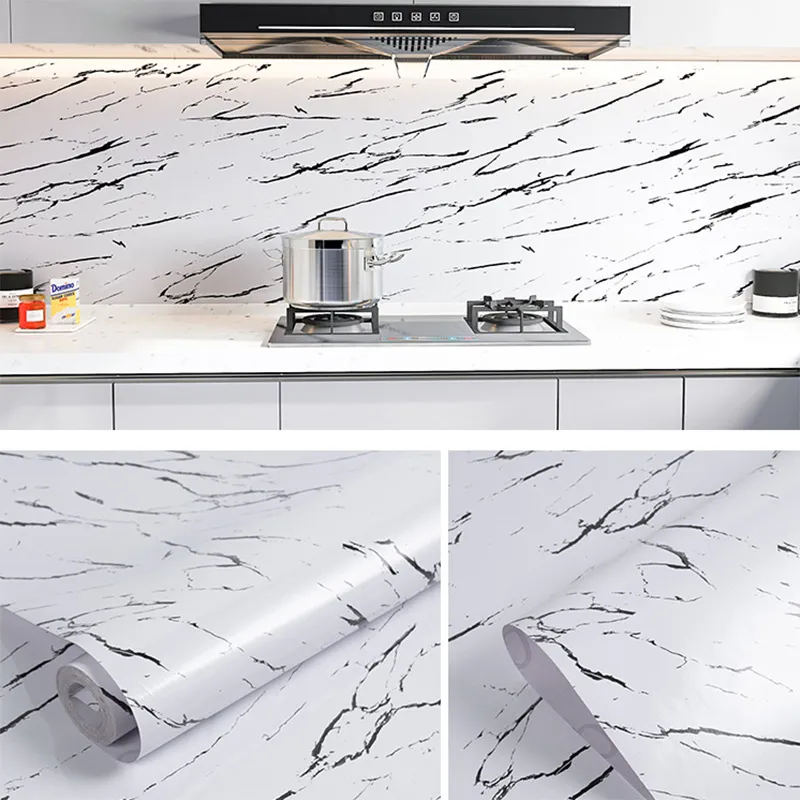
Many packaging buyers also procure PVC film for decorative applications tied to product delivery and installation (for example, furniture factories shipping finished panels with protective and decorative layers). Popular decorative categories include wood grain, marble, and solid color films. If you’re evaluating pattern-based films, examples include:
Wood Grain Film
and
Marble Film.
“Size” is more than width and thickness. Two rolls can share the same width but perform differently due to winding tension, core fit, or surface treatment. For reliable procurement, document the specs below so production and QC targets are clear from the start.
PVC Film Roll Spec Checklist (Copy/Paste for RFQs)
Thickness selection usually balances stiffness, puncture resistance, and cost. While specifications vary by film formulation and use case, buyers often follow these practical ranges:
If you convert rolls in-house, ordering a mother roll and slitting to multiple widths can reduce cost per meter. If you need ready-to-use rolls, specify slit widths, quantity per width, and edge quality requirements. For automated lines, add unwind direction and splice preferences if you use continuous production.
The right roll is the one that meets performance targets with minimal waste and line stoppages. Use the framework below to reduce trial-and-error and improve first-order accuracy.
Start by ranking priorities: visibility, scratch resistance, stiffness, printability, adhesive function, or static control. For example, a clear retail wrap prioritizes optics, while an industrial protective layer prioritizes controlled unwind and abrasion resistance.
Glossy films can look premium but show fingerprints and micro-scratches more easily. Matte or embossed finishes can reduce visible handling marks, especially for shipments with multiple touchpoints. If the packaging passes through many hands, choosing a slightly textured finish may reduce returns related to appearance.
Provide your supplier with the most relevant machine limits: max roll diameter/weight, core size, unwind tension range, and line speed. Many “film problems” are actually winding or tension mismatches. If you slit rolls internally, request stable roll hardness and clean edges to reduce dust and web breaks.
⚠ Common risk to avoid:
Buying by thickness alone. Two films at the same gauge can differ greatly in stiffness, clarity, and unwind stability because of formulation, plasticizer system, emboss depth, and winding control.
If your packaging has brand color targets, specific printing requirements, or specialized surface performance, OEM/ODM customization can reduce downstream problems. Common customization items include thickness, width, roll length, finish, embossing pattern, adhesive characteristics, and functional coatings (anti-static, anti-fog, food-grade).
Quality for PVC film rolls should be measured in repeatability: consistent thickness, consistent optics, consistent adhesion (if applicable), and consistent winding. Add measurable acceptance criteria such as gauge tolerance, haze/clarity targets, and roll defect limits (gels, streaks, fish-eyes, telescoping).
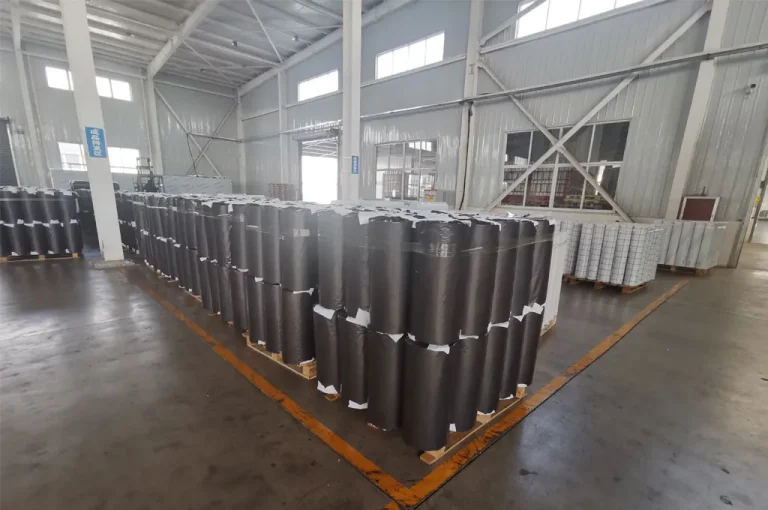
Roll packaging is not an afterthought—damage during shipping can turn a good film into unusable material. For international shipments, each roll is commonly wrapped individually (dust-proof PE film or kraft paper), labeled with specification details, and packed to prevent moisture ingress and edge damage.
When one supplier can control the full production flow—calendering, printing, slitting, and packing—buyers typically see fewer disputes related to thickness drift, color mismatch, winding defects, and delayed schedules. Full-process capability also makes it easier to run trials, adjust specs, and scale quickly after approval.
What to verify with a PVC film roll supplier
Even high-quality PVC rolls can develop issues if stored incorrectly. Maintain clean, dry storage; avoid direct sunlight; and keep rolls upright on suitable supports. If your facility experiences temperature swings, allow rolls to acclimate before converting to reduce web tension instability.
1) What PVC film roll thickness should I choose for packaging?
Choose thickness based on protection level, converting method, and stiffness needed. For clear retail wraps, optics and smooth unwind may matter more than maximum gauge; for industrial protection, prioritize abrasion resistance and controlled winding.
2) Can PVC film rolls be customized by width, length, and surface finish?
Yes. Most suppliers can support OEM/ODM customization such as slit widths, roll length/weight, finish (glossy/matte/embossed), functional coatings (anti-static/anti-fog), and packaging methods.
3) What’s the difference between calendered PVC film and other PVC films?
Calendered film is made through roller calendering to achieve stable thickness and smoothness, making it a common choice for high-volume converting and consistent roll quality requirements.
4) How do I avoid winding defects like telescoping or edge damage?
Specify winding requirements in your RFQ (roll hardness, edge alignment limits), confirm core size compatibility, and ensure each roll is individually protected (dust-proof wrap or kraft paper) with export-ready packing and careful handling.
5) What information should I send to request a quote or samples?
Send film type, thickness, width, roll length/weight, finish, functional requirements (if any), target application, and estimated quantity. Include your converting method and core ID to ensure the roll is compatible with your equipment.