Address
304 North Cardinal St.
Dorchester Center, MA 02124
Work Hours
Monday to Friday: 7AM - 7PM
Weekend: 10AM - 5PM
Address
304 North Cardinal St.
Dorchester Center, MA 02124
Work Hours
Monday to Friday: 7AM - 7PM
Weekend: 10AM - 5PM


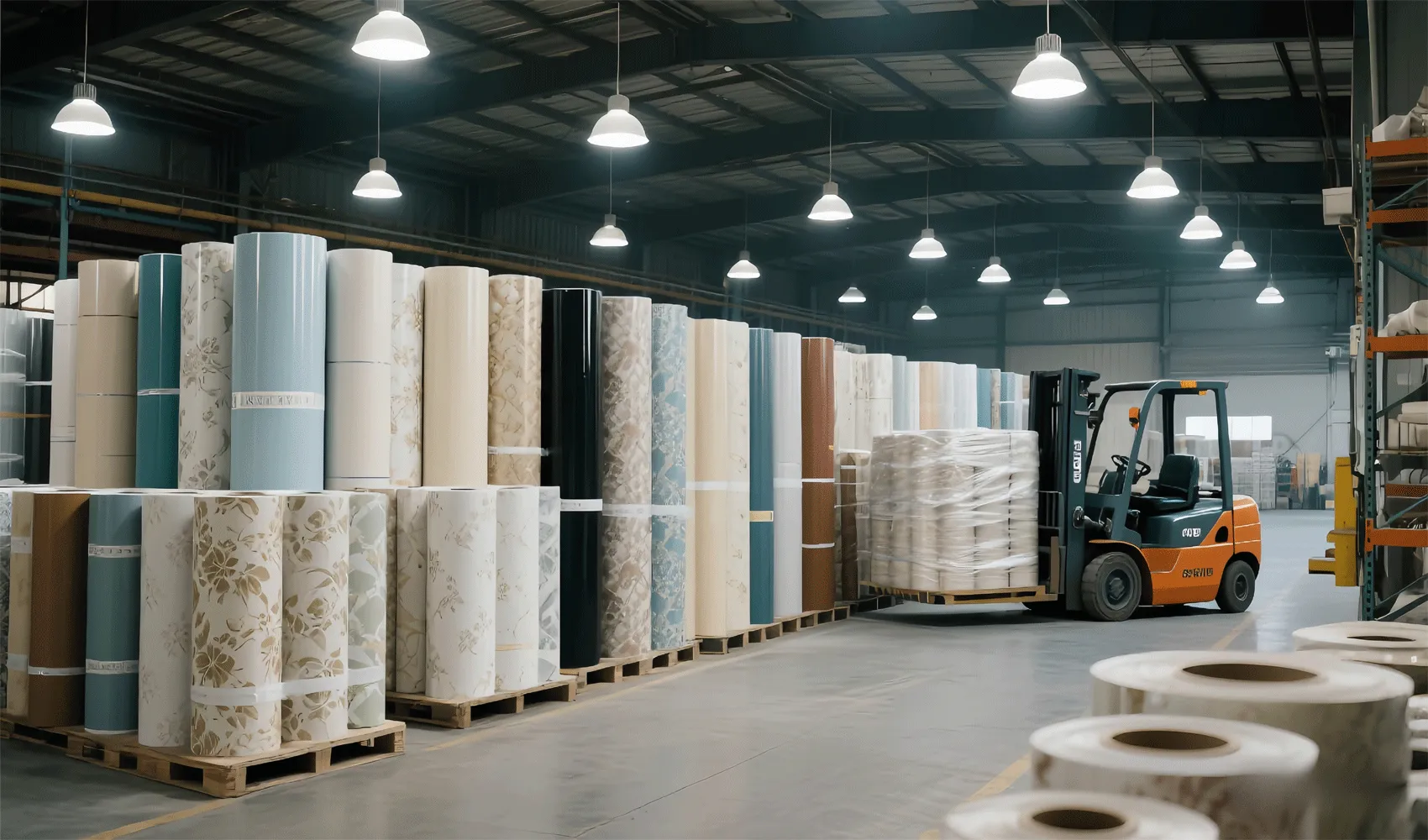
A PVC film printing machine is the production “engine” behind decorative and functional films used on furniture panels, doors, cabinets, skirting, wall surfaces, and many other applications. Whether you print wood grain, marble, solid colors, textile textures, or branded patterns, the right machine improves color consistency, reduces waste, and keeps delivery times stable—especially when you’re producing multiple SKUs for export markets.
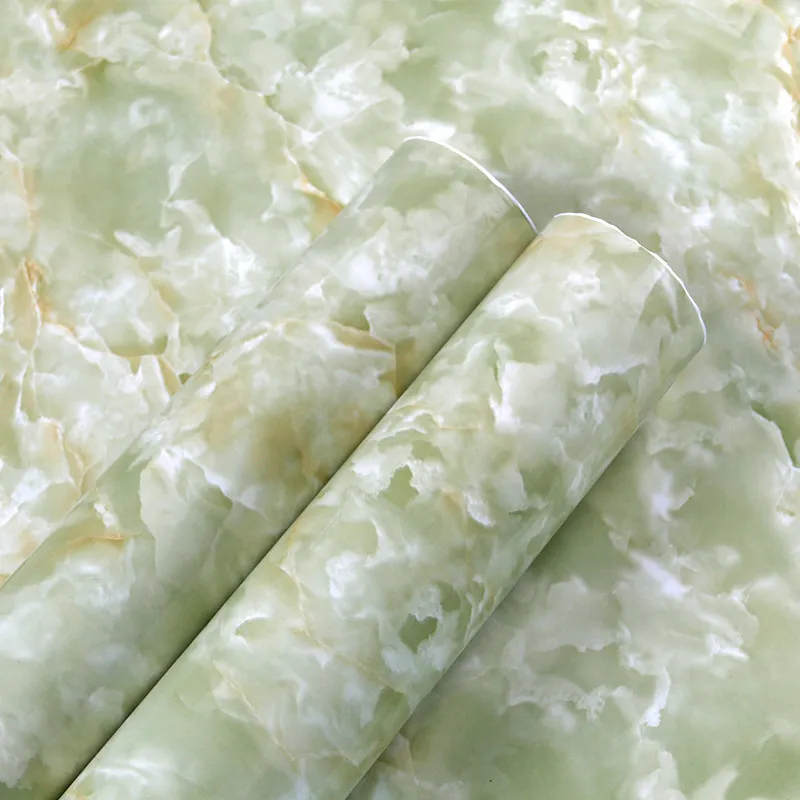
This guide explains key features, practical benefits, and a step-by-step method to choose the right model for your product mix—covering both decorative and industrial PVC film requirements such as durability, low odor inks, and stable adhesion for lamination.
Quick takeaway: Choose the machine based on film type (calendered vs. composite), surface finish (gloss/matte/embossed), ink system, and curing method—then verify it can hit your required width, speed, registration accuracy, and QC traceability.
In simple terms, a PVC film printing machine transfers ink onto a PVC film substrate and cures it to create a stable, abrasion-resistant pattern or color layer. The printed film is then commonly used for lamination (onto MDF, PVC boards, metal panels, or other bases), wrapping, or self-adhesive applications.
What makes PVC film different is that it can be produced in many structures and surfaces—transparent, matte, glossy, embossed, pearl, anti-static, self-adhesive, and more. A good printing system must therefore handle:
ink wetting, surface energy, dimensional stability, heat sensitivity, and the final application environment (kitchen oil, bathroom humidity, UV exposure, cleaning chemicals).
Your substrate dictates the machine configuration more than most buyers expect. Thickness range, film “stretch” behavior, and surface finish affect tension control, ink transfer, and curing.
Two machines can share the same nominal speed but perform very differently in real production. Evaluate features that protect your repeatability, QC stability, and total cost per meter.
Most PVC decorative films are produced with gravure due to high detail, rich layers, and consistent long-run output. Flexo can be cost-effective for certain patterns and faster changeovers, while digital can excel in sampling and short runs (but may require more careful cost control for large volume).
Tip (✔):
If your business depends on frequent pattern launches (e.g., seasonal furniture surfaces), consider a setup that supports fast cylinder/plate change, recipe-based color management, and quick cleaning to reduce downtime.
PVC can shrink or stretch depending on heat, tension, and thickness. A robust machine should include stable unwinding/rewinding, edge guiding, and closed-loop tension control to keep registration stable across multiple colors.
Many buyers now demand eco-friendly, non-toxic inks and compliance with standards such as REACH/RoHS. Your machine should support the ink system you plan to use (solvent-based, water-based, UV, or specialty systems), and include ventilation, solvent recovery (if needed), and safe curing modules.
● Can the machine achieve your required low odor level for indoor decoration?
● Does it support stable curing without overheating the PVC (avoiding shrinkage and distortion)?
● Are there built-in controls for viscosity, temperature, and drying power to keep color consistent batch-to-batch?
For patterns like wood grain and marble, even small registration drift becomes visible—especially on large cabinet doors or wall panels. Look for systems that support:
automatic register control, stable cylinder mounting, and color management workflows (including spectrophotometer-based standards if your clients demand strict matching).
Inline camera inspection, defect marking, and batch traceability reduce claims and rework. If you export or serve large OEM customers, these functions can be a deciding factor because they support repeatable quality across seasons and factories.
Buying “enough machine” is rarely optimal. The right model should deliver measurable business gains, not just a faster line speed.
If you supply films for furniture and interior décor, these benefits translate into fewer complaints about color mismatch between batches or between different material lots. For example, when producing Wood Grain Film for cabinet lines, stable registration and controlled drying are critical because end-users can easily notice repeating artifacts or tone shifts under indoor lighting.
Use the checklist below to narrow options quickly and avoid mismatched configurations. The goal is to match machine capability to your product portfolio and order structure (many SKUs vs. long runs).
List your top 10 products by volume and margin. Are you producing furniture wraps, wall surfaces, skirting films, floor films, or specialty functional films? Each has different durability expectations (scratch resistance, cleaning chemicals, humidity).
✓ Interior trim and finishing: PVC skirting film often requires consistent color and scuff resistance.
✓ Wall décor and renovation: clean color blocks and texture consistency for solid color wallpaper.
✓ Premium decorative effects: layered depth and tactile feel for 3D silk texture film.
Choose a machine width that covers your current orders and near-future expansion. Don’t forget trimming and edge defects; you may need extra usable width. Also confirm the thickness range and the maximum unwind/rewind diameter to match your slitting/packing workflow.
PVC is heat-sensitive: too much heat can cause shrinkage, curl, or surface changes that affect lamination. Your machine’s drying/curing system should provide uniform energy, precise temperature control, and enough exhaust capacity (especially for solvent inks).
Production caution (⚠):
If you see shrinkage-related registration drift, the issue is often not “bad printing” but drying imbalance or tension + heat interaction. Ask for a curing profile test on your target film thickness and finish before finalizing the model.
More stations enable richer patterns and smoother gradients but increase setup time and complexity. Align station count with your core products:
wood grain and marble designs often require multiple layers for depth; solid colors may not.
If your orders are diverse—different patterns, widths, and finishes—your profit is strongly tied to changeover time. Features that matter include fast cleaning, quick mounting systems, and recipe storage for tension/drying/viscosity settings.
A reliable line supports consistent QC from raw material to finished roll. At minimum, confirm the production system can maintain:
thickness stability, ink adhesion, surface appearance, color delta control, and roll packing integrity for shipping.
If you run long orders of repeat patterns for cabinet doors and panels, prioritize high stability and high efficiency:
strong tension control, reliable drying, durable mechanical build, and consistent registration at sustained speeds.
If your business wins through customization—color matching, pattern personalization, special packaging—then a slightly lower top speed may be acceptable if you gain fast changeovers, repeatable recipes, and easy cleaning. This is especially relevant when producing short runs for customer sampling, interior renovation projects, or region-specific designs.
Premium textures demand precise impression control, stable curing, and careful ink selection to preserve tactile feel. Focus on web handling that avoids emboss damage and supports consistent coating weight on textured surfaces.
A machine is only as dependable as the supplier’s ability to support installation, process tuning, and long-term spare parts. Use the questions below to screen partners.
1) Can you run a trial print on my target PVC film type and thickness?
2) What’s the guaranteed registration tolerance at my target speed?
3) Which ink systems are validated for low odor and indoor décor?
4) What spare parts are recommended for the first year (doctor blades, rollers, sensors)?
5) Do you provide remote support and on-site commissioning/training?
If you are building an integrated workflow—from film making to printing to slitting and packing—also evaluate how well the supplier supports end-to-end process control. Full-process producers typically optimize quality while reducing lead time, because parameters are managed consistently across stages.
Even the best machine needs disciplined operation. The following practices usually deliver the fastest improvement in stability and yield.
Most purchasing mistakes are not about price; they come from mismatched expectations between product requirements and machine configuration.
Calendered PVC film is widely used for decorative lamination and needs stable tension and controlled drying to prevent shrinkage and registration drift. Textured or multilayer films may require more careful impression and curing control.
Choose based on your target market’s odor/VOC requirements, the desired rub resistance, and your plant’s safety/environment setup. Your machine must be configured for the chosen curing and ventilation needs.
Focus on registration accuracy, tension stability, and color consistency. Decorative films are judged visually under indoor lighting, so small shifts can be noticeable on large surfaces.
Often yes, but confirm the line’s web handling and curing range match each finish. Embossed and soft-touch surfaces may need more precise pressure and drying control to maintain texture and feel.
</