Address
304 North Cardinal St.
Dorchester Center, MA 02124
Work Hours
Monday to Friday: 7AM - 7PM
Weekend: 10AM - 5PM
Address
304 North Cardinal St.
Dorchester Center, MA 02124
Work Hours
Monday to Friday: 7AM - 7PM
Weekend: 10AM - 5PM


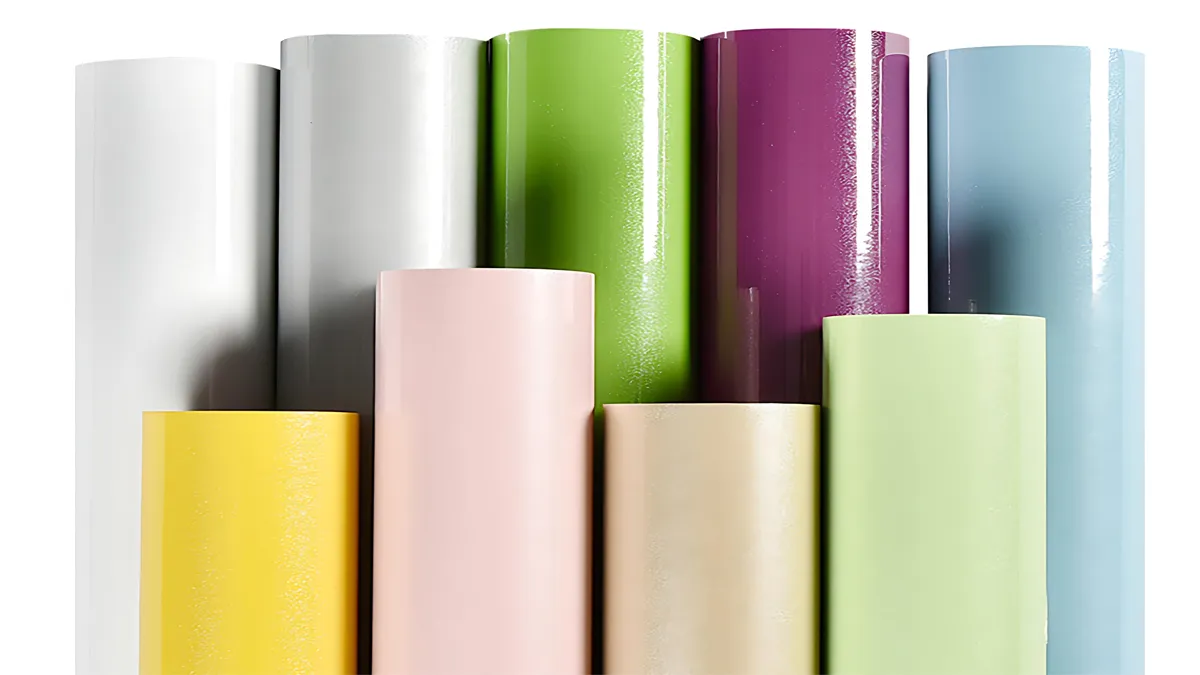
Choosing a PVC film lamination machine is not just a purchasing decision—it’s a production-line decision. The right model affects product appearance, bonding stability, throughput, scrap rate, energy usage, and how quickly your team can switch between designs (wood grain, marble, solid colors, matte, glossy, embossed, or functional coatings). This guide breaks down how to select the best machine configuration for your real production needs, from film types and substrates to heating, pressure control, adhesives, and automation.
Key idea:
A “bigger” or “faster” laminator is not always better. The best model is the one that matches your film structure, substrate, finish target, and changeover rhythm—while keeping bond strength stable across shifts.
Before comparing machine catalogs, define what you laminate most often. Decorative PVC films vary widely in thickness, stiffness, surface texture, and coating chemistry. A machine that performs well on glossy flat films can struggle with deep embossing or soft-touch layers if temperature uniformity and nip pressure are not tuned for it.
Recommended reference:
If your core material is calendered, confirm your laminator’s heat/pressure control and tension system are designed for
Calendered Film
grade stability and surface protection (especially for gloss).
PVC film lamination typically falls into three practical approaches. The “right” one depends on adhesive type, substrate heat tolerance, and your required surface finish.
Many lamination issues blamed on “film quality” are actually caused by substrate variation: board moisture, dust, micro-warp, porosity, and uneven thickness. Your machine must have enough adjustability to absorb real-world variability without sacrificing finish.
Marketing specs can be misleading. Focus on the parameters that decide bond strength consistency, surface quality, and scrap rate across different films and operators.
For PVC films, uniform heating is more important than “high temperature.” Poor uniformity can cause
gloss variation, edge lifting, or texture collapse.
Ask about zone control, sensor placement, warm-up stability, and temperature recovery after speed changes.
Nip pressure must be stable, repeatable, and easy to calibrate. For high gloss and soft-touch, roller hardness, surface finish,
and runout control are critical. If you run textured film (e.g., silk or 3D patterns), ensure the roller system won’t crush the relief.
Consider film types such as
3D Silk Texture Film
where pressure balance is essential to keep texture crisp and avoid shine inconsistency.
Wrinkles, telescoping rolls, diagonal stretch marks, and misalignment are usually tension problems. Look for:
closed-loop tension control, reliable EPC/edge guiding, and easy threading paths. If you laminate thin films or wide widths, tension capability becomes non-negotiable.
Your laminator must match the adhesive system and curing behavior. EVA hot melt, PUR hot melt, solvent-based, water-based, and pressure-sensitive adhesives each require different temperature ranges, coating uniformity, open time, and exhaust requirements.
Two factories can buy the same model and get very different results. The difference is usually not top speed, but how the equipment supports stable daily output: fewer stops, faster changeovers, and consistent quality across operators.
A laminator should not only “run”—it should help you control defects. The best ROI often comes from small features that prevent waste and protect the decorative surface.
Different PVC film products put different stress on the machine. Use your best-selling products as the decision anchor.
You need strong surface protection and stable bonding across large areas. Focus on roller finish quality, dust control, and repeatable heat/pressure recipes.
For popular decors, evaluate your film supply options such as
Wood Grain Film
and
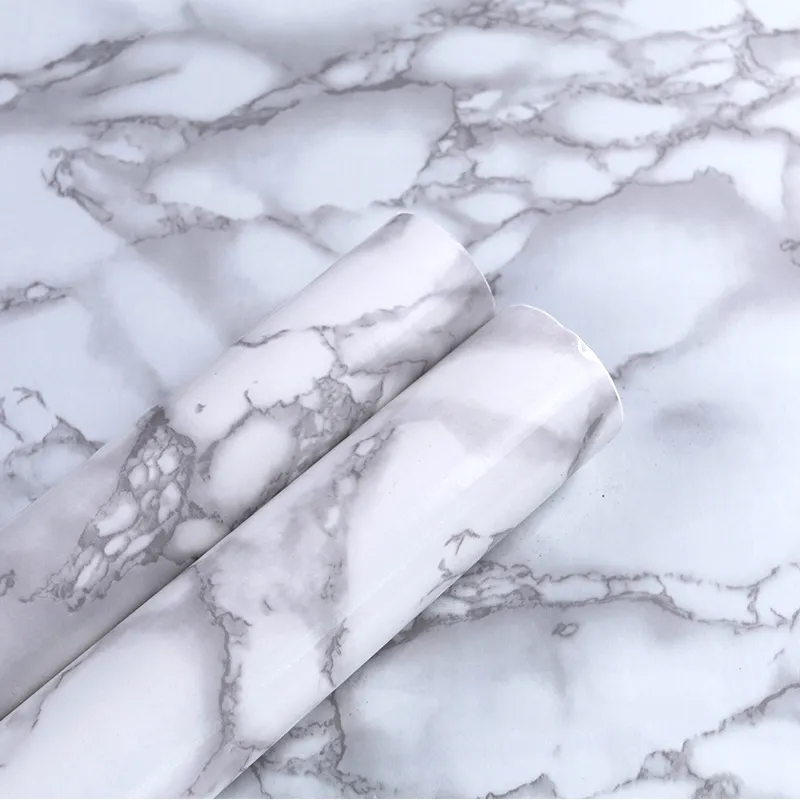
Marble Film,
then ensure your laminator can maintain consistent appearance at your target throughput.
Narrow substrates and profiles amplify alignment errors. Choose precise EPC/guide control and stable low-speed running.
If skirting is a key category, confirm pattern alignment and edge stability with
PVC Skirting Film
specifications in mind.
Flooring applications are less forgiving: you’ll need stable lamination to resist edge lifting and delamination under stress.
When your output targets flooring protection or decorative layers, compare your lamination window against
Floor Film
requirements, and prioritize consistent tension + temperature recovery during long runs.
Decorative PVC film often ends up in indoor environments—furniture, wall panels, doors, medical areas, and household products. Your equipment selection should support compliant production: stable process reduces rework (waste) and proper exhaust/filtration reduces operator exposure.
The fastest way to stabilize a lamination line is to align equipment settings with film characteristics and QC standards. When your film supplier understands lamination realities—texture retention, gloss protection, winding behavior, and surface treatments—you reduce trial time and defects.
Partners with in-house calendering, printing, and slitting/packaging can deliver more consistent rolls, faster lead times, and clearer traceability.
It also helps when you need OEM/ODM customization (thickness, width, embossing, color matching, packaging) and consistent repeat orders for long projects.
Use the questions below to compare models objectively. A supplier who answers clearly will usually deliver better commissioning support later.
Buying based on maximum speed instead of temperature uniformity, tension stability, and changeover efficiency. These factors decide real output and defect rate.
Yes, if it offers repeatable recipes, stable low-pressure control, good roller quality, and accurate tension/EPC. Deep textures may need more careful pressure tuning to protect the pattern.
Wrinkles are usually caused by tension imbalance, poor web guiding, or inconsistent unwind braking—not the film. Closed-loop tension and reliable EPC reduce this dramatically.
Improve dust control at the nip, use clean handling procedures, confirm roller surface quality, and keep temperature uniform to avoid gloss waves and pressure marks.
Film type and thickness, max width, target speed, substrate type/thickness, adhesive system, surface finish requirements, and monthly volume (plus how often you change patterns).