Address
304 North Cardinal St.
Dorchester Center, MA 02124
Work Hours
Monday to Friday: 7AM - 7PM
Weekend: 10AM - 5PM
Address
304 North Cardinal St.
Dorchester Center, MA 02124
Work Hours
Monday to Friday: 7AM - 7PM
Weekend: 10AM - 5PM


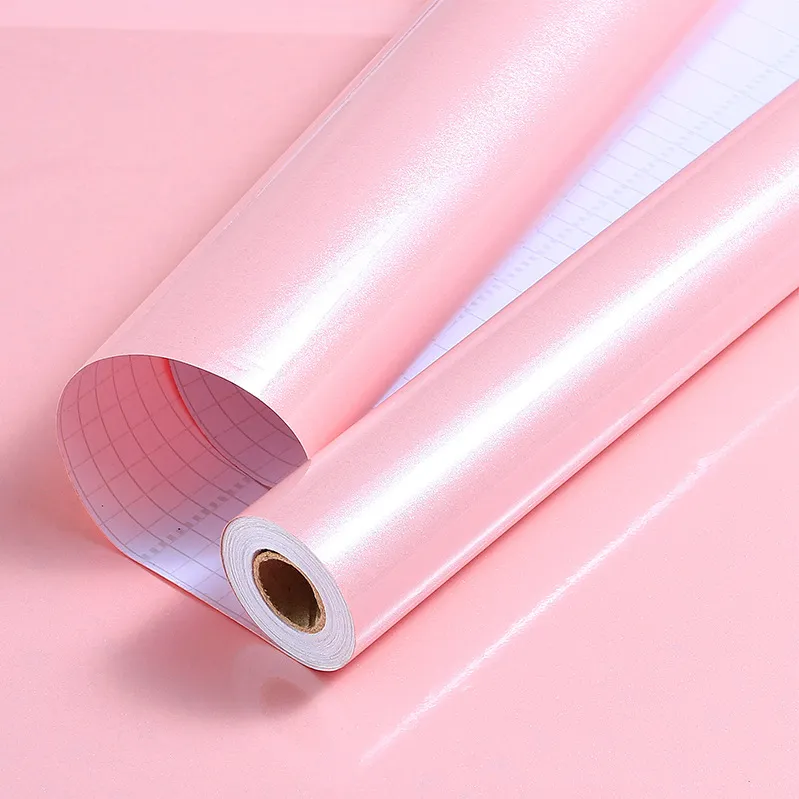
PVC film lamination is one of the most practical finishing methods for turning ordinary surfaces into durable, easy-to-clean, visually consistent products. From cabinet doors and wall panels to retail displays and appliance housings, laminated PVC films can deliver wood grain, stone, metallic, soft-touch, matte, or high-gloss looks—while also adding scratch resistance, moisture protection, and long-term color stability.
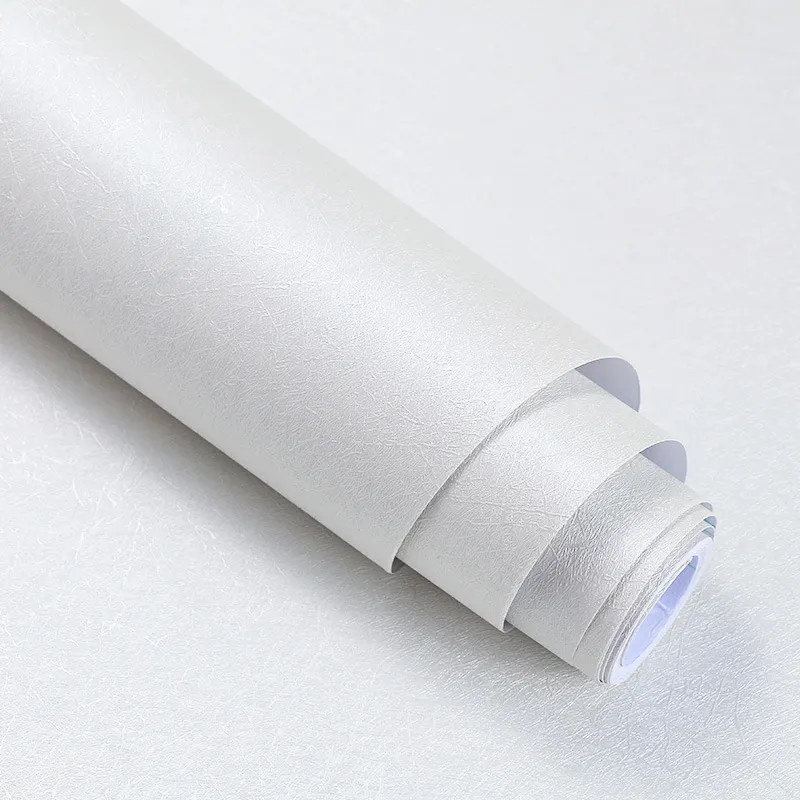
This guide explains the real-world benefits of PVC film lamination, how the lamination process works, where it’s commonly used, and a clear checklist for choosing the right film and specifications for your project. For product references and material options, you can also explore Pulivk Film’s catalog on
pvcfilmtec.com.
PVC film lamination is the process of bonding a thin PVC layer onto a substrate to enhance appearance and performance. The substrate might be MDF, particle board, plywood, WPC, metal sheet, plastic panels, foam board, or composite structures. The film can be decorative (wood grain, marble, solid color) and/or functional (anti-static, anti-fog, waterproof, protective).
Key idea:
Lamination is not just “making it look better.” It is a surface engineering step that can improve
wear resistance, moisture tolerance, cleanability, and consistency
across mass production.
PVC decorative films can replicate premium materials—oak, walnut, marble, brushed metal, linen texture—at a stable cost and with reliable batch-to-batch uniformity. Compared with painting, lamination often yields fewer defects like dust points, orange peel, or uneven gloss, especially in high-volume runs.
Popular options include
Wood Grain Film
for furniture and doors and
Marble Film
for wall panels, counters, and commercial interior accents.
A well-laminated PVC surface helps block moisture ingress into wood-based boards, reduces staining, and improves scratch and abrasion resistance. This is especially valuable for kitchens, bathrooms, laundries, retail environments, and rental properties where fast cleaning and durability are essential.
PVC film lamination can reduce finishing steps, minimize rework, and accelerate throughput. For factories producing cabinet doors, wall panels, skirting, or furniture components, lamination supports consistent output with less dependence on manual spraying skill.
You can select matte, super-matte, satin, high-gloss, embossed, pearl, brushed, soft-touch, and 3D textures. Functional add-ons (depending on product) include anti-static, anti-fog, and special coating systems that improve maintenance and comfort in use.
Laminated PVC surfaces are typically wipe-clean. For public areas like offices, hospitals, and retail fixtures, cleaning efficiency directly reduces operational costs. In homes, it improves user experience—especially for surfaces exposed to cooking fumes, fingerprints, or humidity.
Exact settings depend on substrate, film type, adhesive system, and equipment. But most production lines follow a similar logic: prepare the substrate, apply adhesive, activate/bond the film under pressure and temperature, then cool and inspect.
① Substrate preparation:
sanding, dust removal, edge profiling, moisture control, and primer (if required).
② Adhesive application:
hot-melt PUR, solvent-based, water-based, or pressure-sensitive systems depending on the product and performance goals.
③ Film feeding & alignment:
tension control and tracking to avoid wrinkles, skewing, or gloss variation.
④ Bonding/pressing:
using heated rollers, membrane press, or vacuum press to form full contact—especially on profiled surfaces.
⑤ Cooling, trimming & QC:
edge trimming, curing time (as needed), and inspection of adhesion, bubbles, color, and surface defects.
Different workshops select methods based on shape complexity, speed, and required bond strength:
PVC films for lamination vary by manufacturing method, surface finish, thickness range, and performance features. Selecting the correct category first makes the specification process much easier.
Calendered films are produced through calendering lines for consistent thickness and uniformity. They are commonly used in furniture, decoration panels, protective surfaces, and general-purpose lamination.
Explore options here:
Calendered Film.
Textured films can hide fingerprints, add grip, and elevate perceived quality. For premium interior finishes—wardrobes, cabinets, wall panels—3D textures and fabric-like surfaces can differentiate a product line.
For example:
3D Silk Texture Film.
In electronics, medical environments, and clean manufacturing, films may require anti-static properties, controlled surface energy, or special coatings. Define the operating environment first (humidity, cleaning chemicals, contact frequency) to avoid over- or under-specifying.
Used on cabinet doors, wardrobe panels, drawer faces, table tops, and shelving. Wood grain and matte solid colors remain popular because they balance warmth and modern minimalism, while being easier to maintain than natural wood veneer in high-traffic households.
Wall panels, partitions, ceilings, door surfaces, and skirting boards commonly use laminated films for fast installation and unified aesthetics. For example, skirting solutions can be finished with:
PVC skirting film
to match floor tones and wall designs.
Protective and decorative films can support cleaner finishing on housings and panels, and help achieve consistent textures (matte, brushed, metallic look). Anti-static or specialty coatings may be required for sensitive components or dust-controlled environments.
Laminated films help create durable, wipe-clean display surfaces with consistent brand color. Gloss levels can be tuned to lighting conditions—matte to reduce glare, or glossy to enhance vibrancy.
Films can be selected for cleaner surfaces, easier disinfection routines, and safer material compliance. Always validate compatibility with cleaning agents and required standards before finalizing.
Choosing the “right” film is about matching performance to usage conditions and the lamination method—not only about appearance. Use the checklist below to narrow specifications and avoid common failure modes like edge lifting, bubbling, inconsistent gloss, or premature wear.
Flat panels can use a wider range of films. For wrapped edges, routed profiles, and 3D doors, confirm the film’s elongation and thermoform behavior to prevent whitening, cracking, or texture distortion at corners.
Tip:
If your design includes tight radii or deep grooves, request a forming test sample before mass production.
Finish affects not only appearance but also maintenance. Matte and textured surfaces can help hide micro-scratches and fingerprints, while high-gloss surfaces deliver premium shine but require better handling control during production and installation.
Thickness impacts durability, forming behavior, and cost. Width and roll length affect lamination efficiency and yield. If you are optimizing for productivity, coordinate roll specs with your lamination line (unwind tension, heating capacity, press width) to reduce changeover time and waste.
Film surface energy and coating type must match your adhesive (PUR, solvent-based, water-based, pressure-sensitive). If you switch adhesives or change substrate suppliers, re-validate adhesion and aging performance rather than assuming compatibility.
For indoor decoration and human-contact environments, confirm material safety and regulatory expectations for your target market. Many buyers request documentation aligned with ISO management systems and chemical compliance frameworks (such as REACH/RoHS) and, where needed, FDA-related requirements for specific contact scenarios.
For large projects, ask how the supplier controls thickness tolerance, color consistency, embossing depth, and adhesion performance—and whether they provide batch traceability. Stable QC reduces site complaints like shade mismatch across cabinets or panels installed in the same room.
Often caused by trapped air, uneven adhesive coating, contaminated substrate, or insufficient pressing. Improve dust control, optimize adhesive amount, and ensure stable pressure/temperature during bonding.
Typically a tension/alignment issue. Calibrate unwind tension, maintain even web guiding, and avoid sudden speed changes—especially when using high-gloss films that show distortion more easily.
Often linked to poor edge preparation, insufficient adhesive at corners, or incompatible film/adhesive combinations. Ensure edges are clean and properly profiled, and verify curing time for the adhesive system.
Can result from batch variation, incorrect storage (heat exposure), or process instability. Use approved color standards, store rolls properly, and lock key parameters once the sample is confirmed.
Consistent lamination results depend on the film itself: thickness tolerance, printing stability, embossing uniformity, and surface treatment repeatability. A supplier with integrated calendering, printing, and slitting/packaging capability can better control variables that directly affect your yield and defect rate.
1) What is PVC film, and is it only for decoration?
PVC film is a thin polyvinyl chloride sheet used for decorative and functional surfaces. Besides aesthetics (wood grain, marble, solid color), it can also add protection, easier cleaning, and optional functional properties (such as anti-static coatings).
2) Which substrates work best for PVC film lamination?
MDF and particle board are common for furniture and doors, while WPC, plywood, and certain plastics/metals are also used. The key is stable moisture content, good surface preparation, and adhesive compatibility.
3) What’s the difference between flat lamination and vacuum press lamination?
Flat lamination is efficient for smooth panels, while vacuum/membrane pressing is better for 3D shapes, routed profiles, and wrapped edges because it forms the film into contours under heat and pressure.
4) How do I choose matte vs. glossy PVC film?
Matte/embossed films can hide fingerprints and minor scratches, while glossy films maximize visual impact and reflectivity. Choose based on lighting, usage intensity, and maintenance preference.
5) Can PVC films be customized for OEM projects?
Yes—many manufacturers support OEM/ODM customization including thickness, width, roll length, colors/patterns, surface finishes, and special coatings. Always confirm with samples before mass production.