Address
304 North Cardinal St.
Dorchester Center, MA 02124
Work Hours
Monday to Friday: 7AM - 7PM
Weekend: 10AM - 5PM
Address
304 North Cardinal St.
Dorchester Center, MA 02124
Work Hours
Monday to Friday: 7AM - 7PM
Weekend: 10AM - 5PM



Correct HS code classification for PVC film is one of the fastest ways to reduce customs delays, avoid unexpected duty bills, and keep your supply chain predictable. Yet “PVC film” is not a single customs category: the HS code can change based on whether the film is plasticized or non-plasticized, self-adhesive or not, reinforced/laminated or single-layer, and even how it is supplied (rolls, sheets, surface-treated, printed, etc.). This guide explains how PVC film is commonly classified, what tariff factors affect cost, and what import/export documentation and compliance checks customs authorities typically request.

Key takeaway: HS codes are determined by material + form + special properties—not by your marketing name (decorative film, furniture foil, wall film, protective film).
In customs terms, PVC film is generally a flat-rolled plastic product supplied in rolls or sheets. Most PVC films used for furniture wrapping, interior decoration, building finishes, electronics protection, or packaging are classified under Chapter 39 (Plastics and articles thereof). The most common headings are:
➤ If your PVC film has a pressure-sensitive adhesive backing (peel-and-stick), customs frequently classifies it under 3919 instead of 3920/3921.
Use the checklist below to narrow the correct heading before you determine the final 6–10 digit code in your destination country’s tariff schedule.
Below are common PVC film categories in real trade, and the customs attributes that most influence classification. (Final HS codes vary by country; always confirm with your broker or a binding ruling where applicable.)
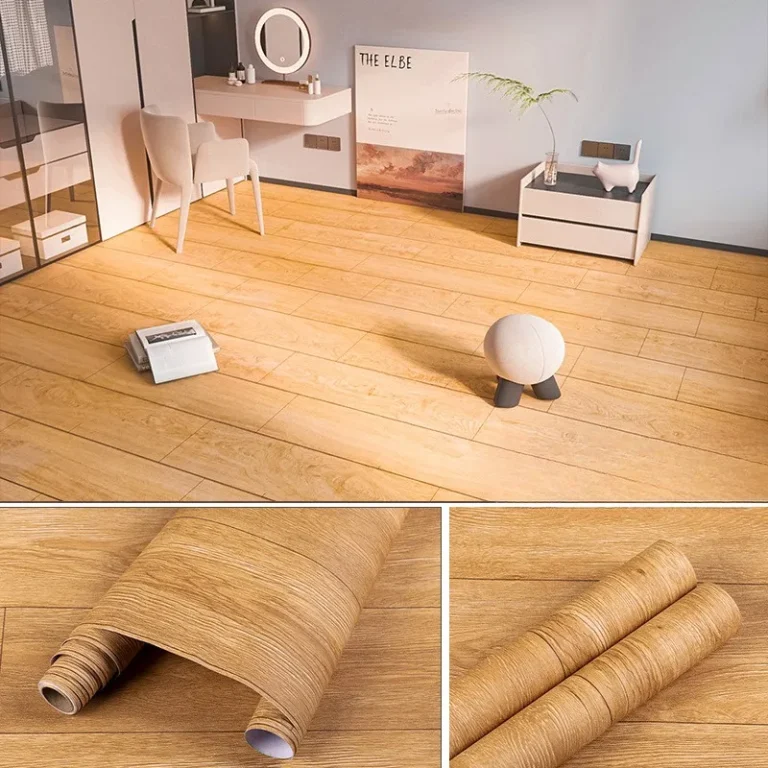
Most decorative films used for furniture panels, doors, and wall finishes are non-cellular and often plasticized, supplied in rolls, sometimes printed or embossed. These commonly fall under 3920 (if not reinforced/laminated) or 3921 (if combined/reinforced).
See an example category here:
Calendered Film.
Embossing and 3D texture usually do not move the product out of Chapter 39; customs focuses more on whether the film is reinforced/laminated or self-adhesive. Product reference:
3D Silk Texture Film.
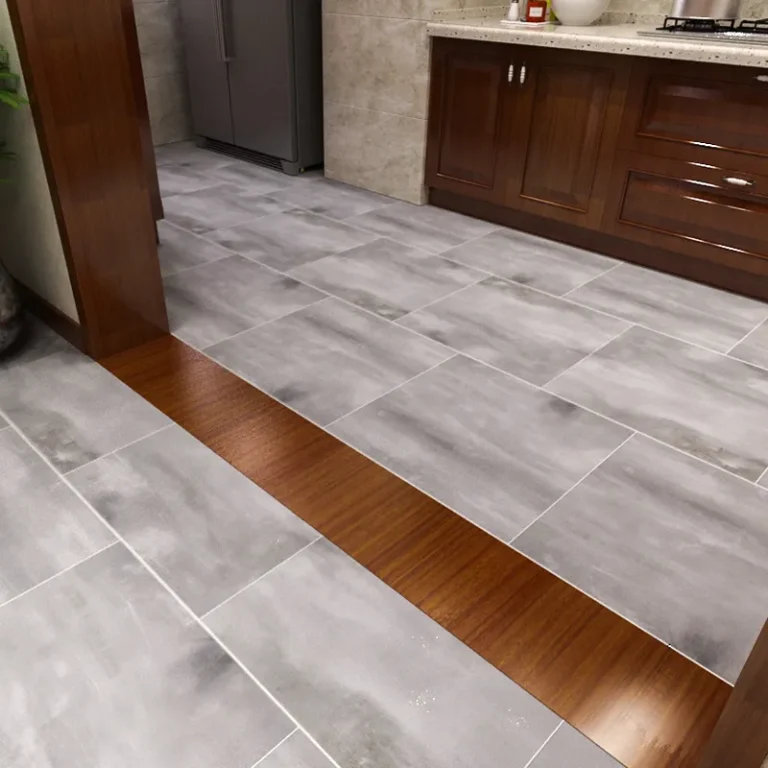
“Floor film” may mean a protective overlay or a decorative layer used in flooring systems. If it remains a flat plastic film (not a finished floor covering), it’s usually still 3920/3921. Product reference:
Floor Film.
Skirting films used for baseboards and trim are generally classified as PVC film (not as finished skirting boards). The key is whether the film is self-adhesive or reinforced. Product reference:
PVC Skirting Film.
If the film has a pressure-sensitive adhesive layer and release liner, many customs regimes move it to 3919. Provide adhesive type (acrylic/rubber), liner material, and whether it is in rolls/sheets.
HS codes determine your base duty rate, but the final landed cost can also be impacted by trade agreements, anti-dumping/countervailing measures, origin rules, and additional taxes (VAT/GST). Because PVC film is widely traded, customs agencies pay attention to both correct classification and credible valuation.
Customs cost formula reminder:
Duty is usually calculated on the customs value (often CIF for many countries, FOB-based methods for others) × duty rate, then taxes apply depending on local law.
Customs clearance success depends on how well your shipping documents match the physical cargo and tariff declaration. For PVC films—especially decorative and coated variants—authorities commonly request more technical detail than expected.
Tip: If the shipment includes multiple patterns (wood grain, marble, solid color), list each item line with its own roll count and value to reduce valuation disputes.
A strong description helps customs officers classify quickly and reduces the chance of holds. Avoid generic phrases like “PVC decorative film” alone. Instead, include measurable parameters and structural features.
PVC decorative calendered film, non-cellular, plasticized, embossed surface, printed wood-grain pattern, thickness 0.20mm, width 1220mm, in rolls, not self-adhesive, not reinforced/laminated.
Self-adhesive PVC film (pressure-sensitive acrylic adhesive) with release liner, thickness 0.12mm (excluding liner), width 1000mm, in rolls, for surface protection/decoration.
PVC film is typically shipped as rolls, and inspections focus on verifying that the goods match the declared HS code and value. Professional packaging and clear labeling can reduce damage claims and speed up warehouse handling.
Packaging best practice: Rolls individually wrapped (dust-proof), edge-protected, and labeled by specification. This improves acceptance during random checks and helps customers with warehouse traceability.
Even when HS classification is correct, PVC film shipments may be delayed if compliance documentation is missing—especially for interior décor and human-contact applications. Many buyers and regulators request evidence that materials are free of heavy metals and restricted phthalates, and that production follows recognized management systems.
➤ If you claim “eco-friendly” or “non-toxic,” ensure your paperwork and test scope match the claim—customs and downstream platforms may request proof.
Buyers importing PVC film often care as much about consistency as about price. Stable thickness tolerance, repeatable color/pattern matching, and reliable lead times reduce project risk for furniture factories, construction contractors, and distributors.
Q1: Is there one universal HS code for all PVC films?
A: No. PVC film may fall under different headings (commonly 3919, 3920, or 3921) depending on whether it is self-adhesive, reinforced/laminated, cellular, and whether national subheadings split plasticized vs non-plasticized products.
Q2: Does printing or embossing change the HS code of PVC decorative film?
A: Usually it remains within the same plastic film heading, but printing/embossing can affect national subheading selection and the description needed for clearance. Reinforcement/lamination and self-adhesive backing are more decisive.
Q3: What details should be on the commercial invoice to avoid delays?
A: Include thickness, width, roll length, non-cellular/cellular, plasticized/non-plasticized, self-adhesive status, reinforced/laminated status, surface finish (gloss/matte/embossed), and a clear end-use statement.
Q4: Which compliance documents are most commonly requested for PVC film?
A: SDS, REACH/RoHS declarations (and test reports if required), and restricted substance statements (heavy metals/phthalates), especially for indoor decoration, medical/cleanroom packaging, or human-contact applications.
Q5: If my PVC film is self-adhesive, can I still declare it under 3920/3921?
A: Often no. Self-adhesive plastic film is commonly classified under 3919 in many tariff schedules. Confirm with your customs broker and provide adhesive/liner details to support accurate classification.