Address
304 North Cardinal St.
Dorchester Center, MA 02124
Work Hours
Monday to Friday: 7AM - 7PM
Weekend: 10AM - 5PM
Address
304 North Cardinal St.
Dorchester Center, MA 02124
Work Hours
Monday to Friday: 7AM - 7PM
Weekend: 10AM - 5PM


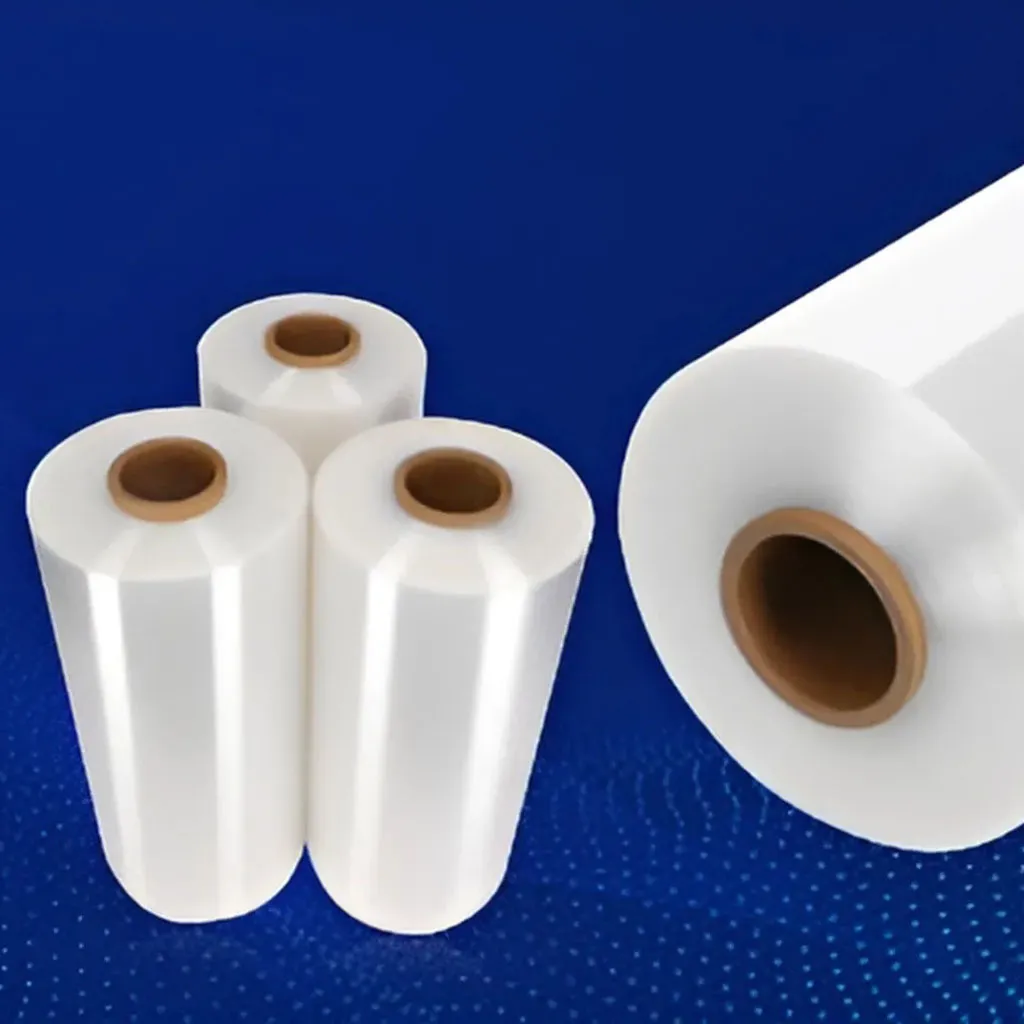
PVC film is widely used in food packaging because it is clear, flexible, and easy to seal around many shapes—from fresh produce trays to ready-to-eat items. But choosing the right PVC wrap for food is not just about appearance: you need to balance performance, food safety compliance, storage conditions, and the real-world workflow of kitchens, supermarkets, and food factories.
This guide explains the benefits, safety, common uses, and a practical checklist for selecting PVC film for food packaging—so you can reduce waste, improve shelf presentation, and keep operations consistent from roll to roll.
PVC (polyvinyl chloride) film is a thin, flexible plastic film used as a protective wrap. In food packaging, it’s commonly supplied in rolls and applied by hand or with wrapping machines. Compared with many alternatives, PVC film is valued for its cling, clarity, and sealed look—helping products appear fresh and well-presented in retail displays.
Key point:
Food-grade PVC film is designed and tested for safe contact with food under specified conditions. Always confirm compliance (e.g., FDA, REACH/RoHS where applicable) and request supporting documentation before purchasing in volume.
PVC film naturally clings to itself and to containers, creating a snug wrap that helps reduce air gaps and keeps items stable during handling. This is especially useful for high-throughput environments like supermarkets, butcher counters, and central kitchens where speed matters.
Clear, glossy presentation helps shoppers judge freshness and quality quickly. PVC’s optical clarity makes it a strong option for displaying meat trays, vegetables, fruit, bakery items, and deli products.
With the right thickness and formulation, PVC film can stretch smoothly over corners and edges while maintaining integrity. This helps reduce rewraps, torn corners, and wasted product—common cost drivers in daily operations.
PVC wrap can be compatible with common wrapping systems and hot plates (depending on film type). When selected correctly, it improves workflow: consistent unwind, predictable cling, and stable sealing behavior.
✔ Operational advantage:
A consistent film spec (thickness tolerance, roll hardness, unwind behavior) can reduce line stops and training burden—especially across multiple stores or production shifts.
PVC film can be safe for food contact when it is manufactured to food-grade standards and used within its approved conditions (temperature, food type, contact time). Safety is not simply “PVC vs. non-PVC”—it depends on formulation, additives, migration performance, and compliance testing.
For buyers who need reliable global supply, Pulivk Film notes its PVC materials are free of heavy metals and phthalates and comply with ISO 9001, ISO 14001, REACH, RoHS, and FDA standards, with third-party reports available upon request.
Even compliant films must be used correctly. Avoid direct contact with high-heat cooking surfaces, and follow supplier guidance for microwave or oven use (many wraps are not intended for that). When wrapping hot food, allow items to cool to the recommended temperature before applying film to reduce condensation, odor transfer, and migration risks.
PVC film is widely used for overwrapping foam or PET trays of fresh meat, poultry, seafood, and produce. The goal is a tight, clear wrap that looks clean on shelves and holds well during stocking and customer handling.
In bakeries and delis, PVC wrap helps protect items from dust and dehydration while keeping products visible. It is often used for cakes, pastries, sandwiches, and ready-to-eat meal trays—especially when quick wrapping is more important than forming a fully rigid package.
For portioning and temporary coverage of bowls, pans, and containers, PVC film provides fast sealing and helps reduce cross-contact in busy prep areas. Choosing the correct roll width and dispenser style can significantly improve speed and reduce waste.
Note for buyers:
If your packaging line uses calendered PVC as a base material, you may want to review supplier capabilities for consistency and scale. Learn more about Calendered Film specifications and options.
Start by listing the foods you wrap (fresh produce, meat, bakery, dairy, oily foods) and the conditions (refrigerated display, short transport, room temperature). These factors influence which formulation and compliance tests are necessary.
Thickness affects stretch feel, puncture resistance, and cost per wrap. Thinner films may reduce material usage but can tear on sharp tray edges or bony cuts. Thicker films can improve durability but may cost more and require adjustment to sealing time or tension.
🛈 Quick guidance:
If your team experiences frequent tears during wrapping, first review tray edge sharpness and operator technique, then consider increasing thickness or changing film formulation for improved toughness.
Too much cling can slow operators and cause film to bunch; too little cling can lead to loose wraps and poor presentation. Ask suppliers for controlled cling options and confirm smooth unwind (especially for machine use).
Different wrappers and hot plates behave differently. Test sealing at your actual line speed and environment. A strong-looking wrap that fails during transport often comes from mismatched sealing temperature/time rather than film quality alone.
Roll width should match your tray sizes and wrapping station layout. Also verify roll length, core inner diameter, and whether the rolls are individually protected. Professional suppliers can provide dust-resistant wrap (e.g., protective PE film or kraft paper) plus clear labeling to reduce mix-ups in multi-store distribution.
If you manage multiple SKUs or export to different markets, OEM/ODM customization can standardize performance and packaging. Customization can include width, thickness, roll length, printing/labeling, and functional coatings (such as anti-fog or anti-static) depending on your application needs.
To explore broader product capabilities and film technologies beyond food wrap (decorative, industrial, and specialty films), you can browse the supplier’s catalog at Product or read application insights in the Knowledge section.
For procurement and production teams, “quality” should be measurable. When evaluating PVC film for food packaging, request data (or agree on specs) for the items below, then verify by incoming inspection and periodic audits.
Suppliers with full-process production (calendering, printing, slitting, and packaging) can often control variability better and shorten lead times. If you need formal documents or want to confirm testing capabilities, check the supplier’s FAQ or request third-party reports during qualification.
Store rolls in a clean, dry area away from direct sunlight and heat sources. Excess heat can change unwind behavior, and dusty environments can reduce the “fresh” look on clear film. If your operation is humid or cold-chain intensive, ensure outer packaging remains intact until use.
Use FIFO rotation and record lot numbers—especially if you operate multiple locations. Good lot control supports consistency, faster troubleshooting, and easier compliance management.
✔ Tip:
When trialing a new PVC film, run a short pilot across different shifts. Operator technique can influence perceived “cling” and tearing more than expected.
No packaging material is universal. If you require high-temperature cooking in package, long-term frozen storage with heavy abuse, or a rigid barrier structure, you may need other materials or multi-layer solutions. The most cost-effective packaging is the one that meets safety requirements while minimizing rework, leakage, and product loss.
It can be, as long as the film is certified/declared for the specific food-contact conditions. Always request compliance documents and confirm suitability for fatty foods and the intended temperature range.
Common causes include sharp tray edges, insufficient thickness for the product, incorrect tension, or sealing plate settings. Testing a slightly thicker film or a tougher formulation often helps after process checks.
Match roll width to your most common tray size and workstation layout to reduce overhang and waste. Roll length should balance fewer changeovers with manageable roll weight for staff.
Ask for a compliance statement (FDA/food-contact as applicable), REACH/RoHS alignment, phthalate/heavy-metal-free confirmation, COA for each batch, and third-party test reports if required by your brand or market.
Yes. Many manufacturers offer OEM/ODM customization for thickness, width, roll size, unwind behavior, and functional treatments (such as anti-fog) to match your equipment and product needs.