Address
304 North Cardinal St.
Dorchester Center, MA 02124
Work Hours
Monday to Friday: 7AM - 7PM
Weekend: 10AM - 5PM
Address
304 North Cardinal St.
Dorchester Center, MA 02124
Work Hours
Monday to Friday: 7AM - 7PM
Weekend: 10AM - 5PM



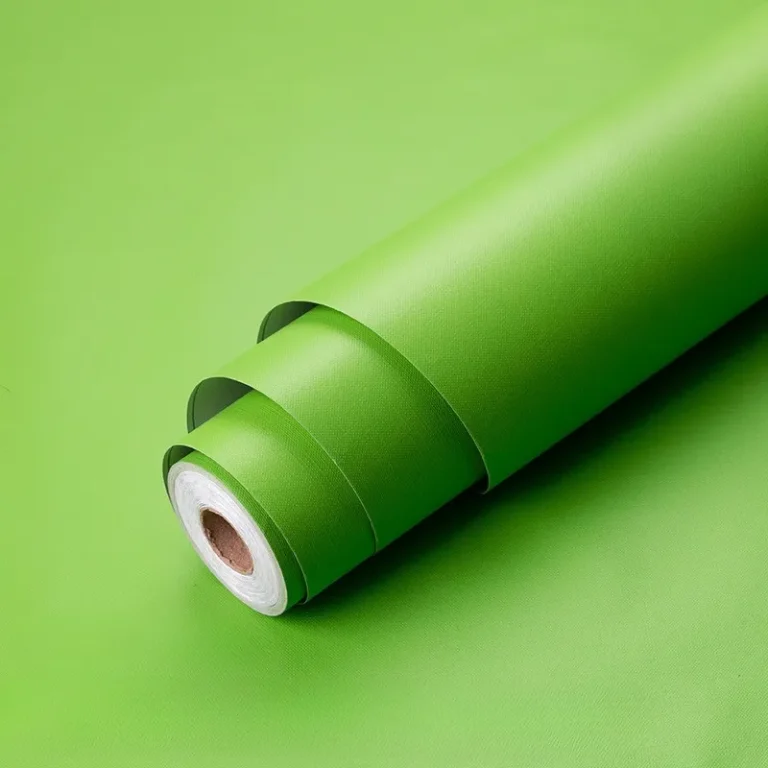
PVC film in 1400mm width is a highly practical format for modern converting lines—wide enough for efficient packaging, lamination, and surface protection, yet still compatible with common slitting, printing, and roll-handling equipment. If you are sourcing for furniture lamination, industrial wrapping, cleanroom packaging, or decorative overlays, this guide explains what “1400mm width” really means, how to specify the right structure, and how to buy with fewer risks and better cost control.
✔ Quick takeaway:
The best 1400mm PVC film purchase is not “the cheapest roll”—it’s the roll that matches thickness tolerance, surface finish, adhesion behavior, and compliance for your end-use (packaging vs. lamination have very different requirements).
🏭 Supplier context:
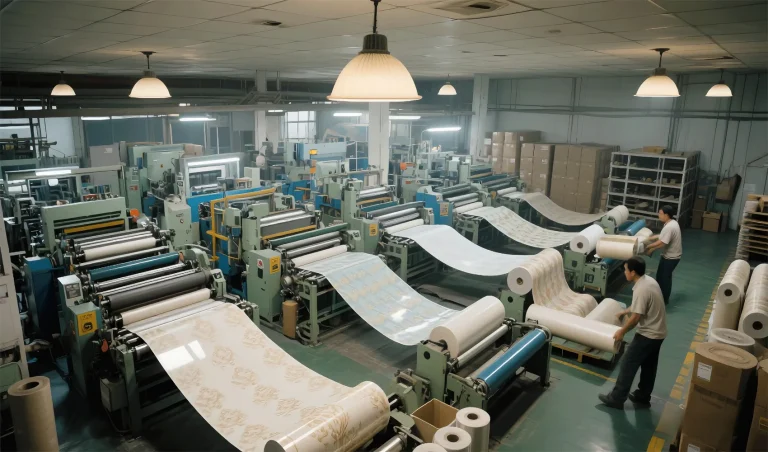
Pulivk Film provides in-house calendering, printing, and slitting/packing—a full-process setup that helps keep width stability, lead time, and batch consistency under control.
“1400mm width” refers to the finished roll width after calendering and trimming (or after converting, if it’s a laminated or printed product). In practice, buyers should confirm:
⚙ Why 1400mm is popular:
It improves yield for large panels, wide laminators, and multi-up converting—often reducing scrap compared with narrower widths. For packaging converters, 1400mm also supports flexible slitting plans (e.g., multiple SKUs from one master roll).
PVC film buying succeeds when your RFQ includes measurable specs. Below are the parameters that most affect performance in packaging and lamination.
Thickness typically ranges from thin gauge for wrapping and protective applications to thicker gauges for decorative and surface durability. Instead of only naming a thickness, define the tolerance and how it will be measured (across width and along roll length). Tight tolerance reduces:
Choose the surface based on the end-user experience and process needs:
✨ Glossy: strong visual impact; highlights decorative patterns; may show scratches more easily.
🧩 Matte: premium, low-reflection look; hides minor defects; often preferred for modern interiors.
🧵 Embossed / textured: adds grip and realism (wood grain, fabric grain, stone texture); requires stable thickness to keep texture uniform.
🖐 Soft-touch: tactile comfort and upscale feel; confirm abrasion resistance and cleaning compatibility.
For transparent packaging and protective covers, ask for clarity targets (haze/gloss if needed) and verify whether the film is designed to resist yellowing. For printed decorative films, optical consistency matters for color matching between batches.
PVC film can be engineered beyond decoration. If your process or environment demands it, request functional treatments such as:
Roll specs determine how smoothly your line runs. Confirm:
A 1400mm master roll can serve many industries, but performance targets differ sharply by application. Clarifying the end-use prevents overpaying for unnecessary features—or under-specifying and facing claims.
For packaging, buyers often prioritize consistent gauge, clean edges, and safe ink/coating systems. Typical uses include industrial wrapping, protective packaging for components, and cleanroom/medical-related packaging where dust control and traceability are important.
📌 Packaging tip:
If you will print later, specify printability (corona treatment or compatible surface energy) and ask for a small trial roll to confirm ink adhesion and drying behavior.
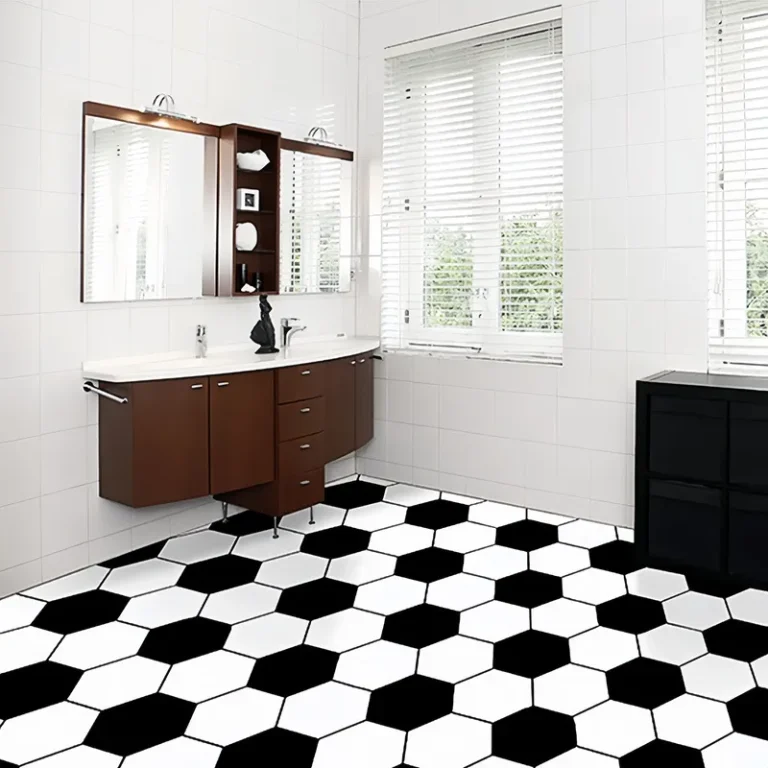
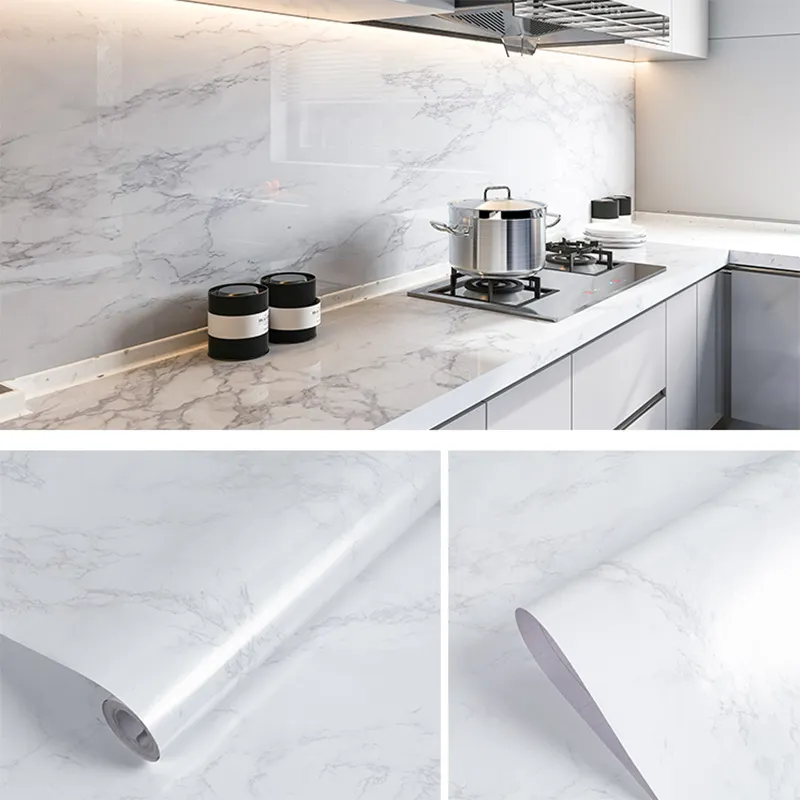
For lamination on panels, furniture boards, doors, or profiles, the focus shifts to surface realism, scratch resistance, and stable color. Decorative PVC films (wood grain, marble, solid colors, 3D textures) can transform MDF, plywood, and other substrates into durable, easy-to-clean finished surfaces.
If you are comparing product types, explore category references such as
Calendered Film,
Wood Grain Film,
and
Marble Film
to align texture and performance with your market expectations.
Not all PVC films behave the same under heat, pressure, or adhesive. The smartest selection process starts with your converting method.
Confirm thermoform behavior: uniform stretching, minimal whitening, stable texture after forming, and reliable adhesion to common adhesives. If the application includes edges and deep draws, request forming tests or sample panels.
Focus on thickness stability, flatness, and compatibility with PUR/EVA/solvent-based systems (depending on your process). Ask for recommended lamination temperature and nip pressure ranges to reduce trial-and-error.
If you print on PVC film, ensure the surface is designed for your ink system. For multi-layer structures, define whether you need single-layer film, laminated composites, or films paired with fabric backing. Pulivk’s full chain (calendering → printing → slitting/packing) helps maintain batch traceability and reduces variation between steps.
Use the checklist below to create a clear RFQ and receive accurate quotations. Clear specs also reduce disputes about “what was ordered.”
If you need broader product context, you can also review the supplier’s knowledge and process notes via
Knowledge
or request a formal quotation through
Contact.
Incoming inspection prevents production downtime. For 1400mm rolls, check both appearance and measurable properties.
🧾 Documentation to request:
COA/COC, batch traceability, and relevant compliance declarations (commonly ISO 9001, ISO 14001, REACH, RoHS, and FDA when applicable). Third-party test reports can be used for critical projects.
Wide rolls are more exposed to edge damage and telescoping during transit. Good suppliers protect each roll with dustproof PE film or kraft paper, add clear spec labels, and use export-ready palletizing that prevents moisture and impact damage.
Store rolls upright as recommended, avoid direct sunlight, and keep stable temperature/humidity. If your plant has large seasonal changes, allow rolls to acclimate before production to reduce curl, condensation, or static-related dust attraction.
Customization is not only about looks; it can increase converting efficiency and reduce waste. With OEM/ODM support, you can tailor:
For a texture-focused decorative option, products like
3D Silk Texture Film
can be used to differentiate premium interior surfaces while still leveraging wide-roll converting efficiency.
For interior and human-contact applications, compliance and safe formulations matter as much as appearance. Ask whether the film system is designed to be free of heavy metals and phthalates, and request documentation aligned with your market requirements. Pulivk Film notes the use of eco-friendly, non-toxic inks for films intended for indoor decoration and human contact scenarios, helping downstream brands meet safety expectations.
🔍 Compliance tip:
Align the compliance target with the end use. Packaging for general industrial parts and lamination for indoor furniture may require different declarations and test sets. Specify the final market and application clearly in your RFQ.
Two rolls can share the same width and thickness but have very different costs. Key pricing drivers include:
The practical approach is to define your “must-have” specs first, then optimize optional features. This prevents spending on capabilities you won’t use while protecting you from downtime and rejects.
Yes, but you must specify different performance targets. Packaging often prioritizes clean edges, gauge consistency, and printability; lamination prioritizes surface finish, color stability, and adhesion/forming behavior.
Include film type, thickness + tolerance, finish/texture, width tolerance, roll construction (core/OD/wind), application method (flat vs. vacuum press), and any required compliance (REACH/RoHS/FDA where applicable).
Request batch traceability, COA/COC, and define acceptance criteria for thickness mapping, color deviation, surface defects, and adhesion/performance tests relevant to your process.
Yes. 1400mm is commonly used as a master width for flexible slitting plans, helping converters reduce waste and produce multiple SKUs from one roll when width planning is done upfront.
Individual dustproof wrapping (PE film or kraft paper), clear spec labels, and export-grade palletizing that protects edges and prevents moisture/impact damage during sea or land transport.