Address
304 North Cardinal St.
Dorchester Center, MA 02124
Work Hours
Monday to Friday: 7AM - 7PM
Weekend: 10AM - 5PM
Address
304 North Cardinal St.
Dorchester Center, MA 02124
Work Hours
Monday to Friday: 7AM - 7PM
Weekend: 10AM - 5PM



Packaging PVC film is a versatile plastic film used to wrap, protect, label, and enhance products across industries—from furniture components and building materials to electronics, medical supplies, and household goods. With the right type, surface, and especially the correct thickness, PVC film can balance appearance, strength, sealing performance, and cost. This guide explains the key types of packaging PVC film, their benefits, real-world applications, and a practical method to choose thickness for your exact use case.
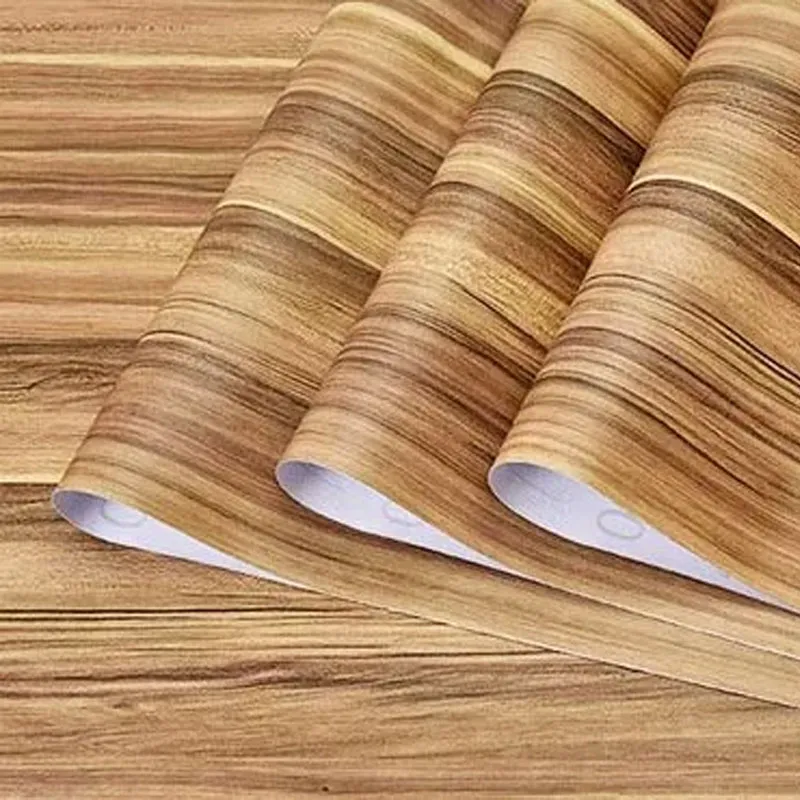
PVC (polyvinyl chloride) film is produced as a thin sheet that can be calendered (rolled into a film with consistent gauge) and then finished with treatments such as gloss/matte, embossing, anti-static, or self-adhesive layers. In packaging, it commonly serves three goals:
• Protection: against scratches, dust, moisture, handling damage, and chemical contact (like oils).
• Presentation: clean, glossy, matte, or textured appearance for retail-ready or brand-consistent finishes.
• Process compatibility: stable winding, cutting, sealing, die-cutting, and adhesion performance.
Thickness is the most direct “performance dial.” Too thin, and film may puncture, tear, or wrinkle. Too thick, and you may increase cost, reduce flexibility, or struggle with forming and sealing. Choosing the right gauge means you get just enough strength without overbuilding.
Calendered film is known for stable thickness control, clean roll formation, and scalable production—ideal when your packaging process needs repeatability. If your team needs predictable gauge and surface options, explore Calendered Film.
Clear PVC film is used when visibility matters—showing the product while protecting it. Common uses include protective wraps for decorative panels, electronics housings, signage surfaces, and items shipped with a “ready-to-display” requirement.
These films are often chosen for retail packaging aesthetics and to reduce fingerprints or glare. Color films can also be used for quick SKU identification in warehouses, production lines, or export packing.
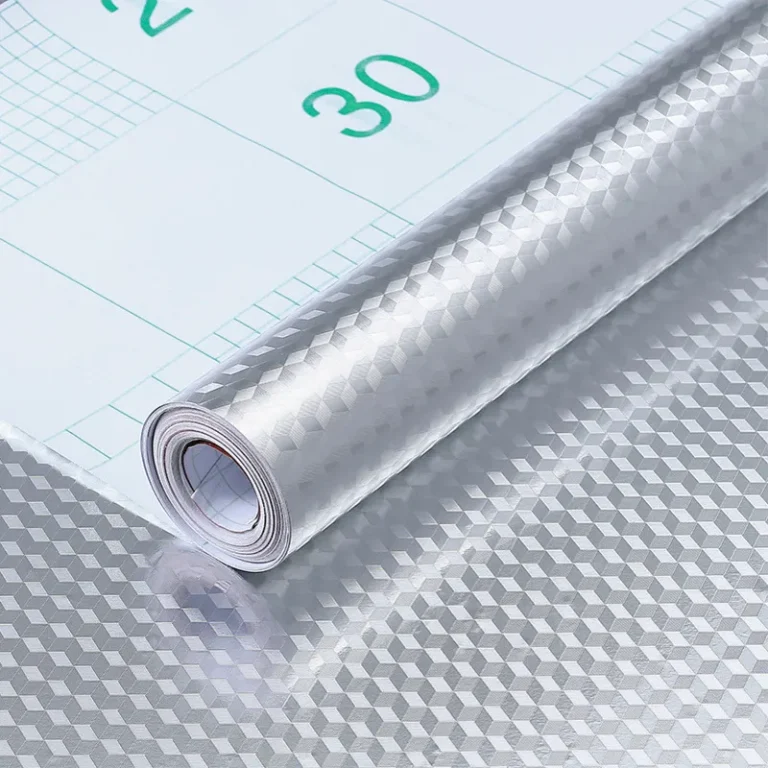
Textured films improve scuff resistance and help hide handling marks. For packaging of furniture panels, decorative boards, and premium home products, texture can turn “simple protection” into a brand-enhancing finish. A popular option is 3D Silk Texture Film.
Anti-static packaging PVC film reduces electrostatic buildup and helps protect components during handling and transport—particularly relevant for consumer electronics, appliance trims, and industrial parts where dust attraction is a concern.
Self-adhesive variants are used when you want film to stay in place without extra tape—useful for temporary surface protection on decorative boards, panels, and finished goods. Adhesive selection matters: low-tack for easy removal, stronger tack for long transit and rough handling.
✔ Strong protection in a thin format: good puncture and tear performance when the gauge is matched to the product.
✔ Surface options for every brand: glossy, matte, embossing, color, and specialty coatings.
✔ Process-friendly: consistent rolls support cutting, slitting, wrapping, laminating, and automated packing lines.
✔ Customizable and scalable: thickness, width, roll length, print, pattern, and packaging can be tailored for OEM/ODM projects.
For manufacturers exporting to multiple regions, consistency is everything. Stable film gauge reduces downtime, improves yield, and helps your end customer receive products in the condition you intended.
PVC film is frequently used to protect cabinet doors, tabletop panels, and decorative surfaces during machining, assembly, and shipping. If your packaged goods include decorative trims or edge components, matching your protective film to surface type helps prevent micro-scratches and gloss change.
Tip: For high-gloss decorative surfaces, consider a smoother film surface and controlled adhesive (if self-adhesive) to avoid peel marks.
Construction and interior decoration shipments often experience rough handling, stacking pressure, and dust exposure. Packaging PVC film is commonly used as a protective layer for skirting, trim, and floor-related products. For category examples, see PVC skirting film and Floor Film.
Protective PVC films are used for appliance panels, display trims, metal-look surfaces, and finished housings. Packaging decisions here usually prioritize: anti-static behavior, clean removal, and stable film that won’t curl or leave residue after long transit.
Sign boards, display sheets, and decorative exhibition materials benefit from films that maintain clarity and resist scuffs. Matte options reduce glare under spotlights, while clear film protects prints and polished surfaces during transport and setup.
In medical and clean environments, film cleanliness, stable properties, and compliance matter. Packaging PVC film can be specified with controlled additives and strict QC to support clean handling and safe use. Always confirm compliance needs (REACH, RoHS, FDA as applicable) before final selection.
From table coverings and waterproof liners to temporary surface protection for home projects, PVC film is valued for easy cleaning and durability—especially when a balance of flexibility and tear resistance is needed.
There is no single “best” thickness. The right gauge depends on product weight, edge sharpness, transport distance, packaging method, and the level of surface protection required. Use the framework below to decide quickly and avoid costly trial-and-error.
• Smooth, delicate finishes (high gloss, polished panels): prioritize surface cleanliness + anti-scratch texture control.
• Sharp edges or corners (metal trims, cut boards): prioritize puncture resistance and slightly thicker gauge.
• Dust-sensitive items (electronics parts): prioritize anti-static and tight wrapping.
Use these common ranges as a starting point (exact specs depend on formulation, surface finish, and your packing method):
| Thickness Range | Best For | Notes |
|---|---|---|
| 30–80 μm | Light protection, dust covers, short-distance handling | Cost-efficient; may tear on sharp edges |
| 80–150 μm | General packaging, furniture parts, panels, trims | Good balance of flexibility and toughness |
| 150–300 μm | Heavy-duty protection, long export shipments, rough handling | Higher puncture resistance; ensure forming/wrapping remains easy |
Different surfaces solve different problems. If your product is visually sensitive, surface choice can matter as much as thickness:
① Wrap test: Does the film conform smoothly without excessive wrinkles or rebound?
② Transit simulation: Stack pressure + corner rub + vibration. Check for punctures and surface hazing.
③ Removal/finish test (if adhesive): Remove after 24–72 hours and after longer aging; confirm no residue or gloss change.
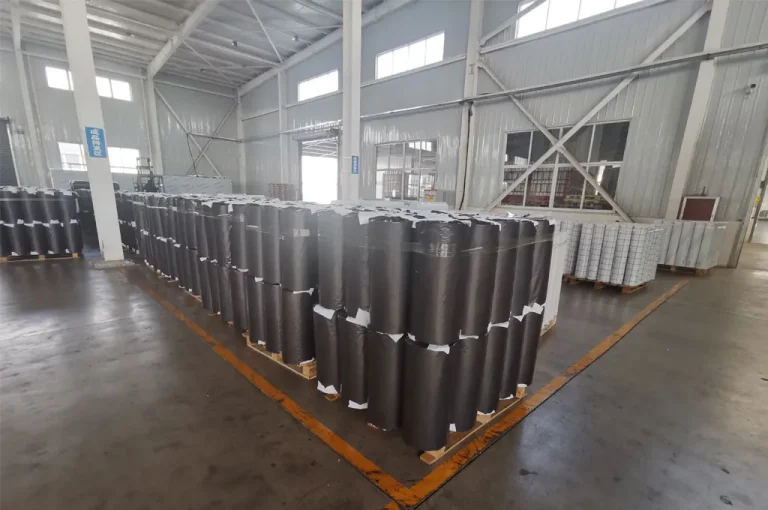
For international supply chains, packaging PVC film must stay consistent from batch to batch. Look for suppliers that control production end-to-end—calendering, printing, slitting, and packaging—so thickness, optics, adhesion, and winding are stable. Export-ready roll packaging (dust-proof PE wrap or kraft paper, plus clear spec labels) reduces damage risk during sea freight and long storage cycles.
Compliance checklist you should request:
Pulivk Film focuses on R&D and manufacturing of PVC films, covering calendered film, transparent film, decorative film, soft-touch film, and more. With complete calendering, printing, and slitting/packaging lines, Pulivk can manage the full process—from raw materials to finished rolls—helping customers shorten lead times while keeping quality stable.
What you can customize: thickness, width, roll size, color/pattern, printing, surface finish (gloss/matte/embossed), and functional coatings (anti-static, anti-fog, food-grade where needed).
What you gain: full-process production control, cost advantages from upstream control, stable delivery schedules, and multi-step QC checks for consistent batches.
To explore more PVC film categories and application knowledge, you can visit Home and Knowledge.
Most general protective packaging uses 80–150 μm. Use thinner ranges for light dust protection and thicker ranges for sharp edges, heavy stacking, or long export routes.
Choose clear for visibility, matte to reduce glare/fingerprints, and embossed when you need better scuff hiding and a premium touch on decorative surfaces.
If your parts attract dust, are ESD-sensitive, or must look pristine at unpacking, anti-static film is strongly recommended—especially for export transit and repeated handling.
Yes. Packaging PVC film can be customized by thickness, width, roll length, surface finish, printing, and functional coatings. For self-adhesive versions, adhesive tack and removability can also be tuned.
Share your application, required thickness range, width/roll size, surface (gloss/matte/embossed), color/pattern, whether you need anti-static or self-adhesive, and expected order quantity. If possible, include photos of your product edges and your packing method to speed up selection.