Address
304 North Cardinal St.
Dorchester Center, MA 02124
Work Hours
Monday to Friday: 7AM - 7PM
Weekend: 10AM - 5PM
Address
304 North Cardinal St.
Dorchester Center, MA 02124
Work Hours
Monday to Friday: 7AM - 7PM
Weekend: 10AM - 5PM


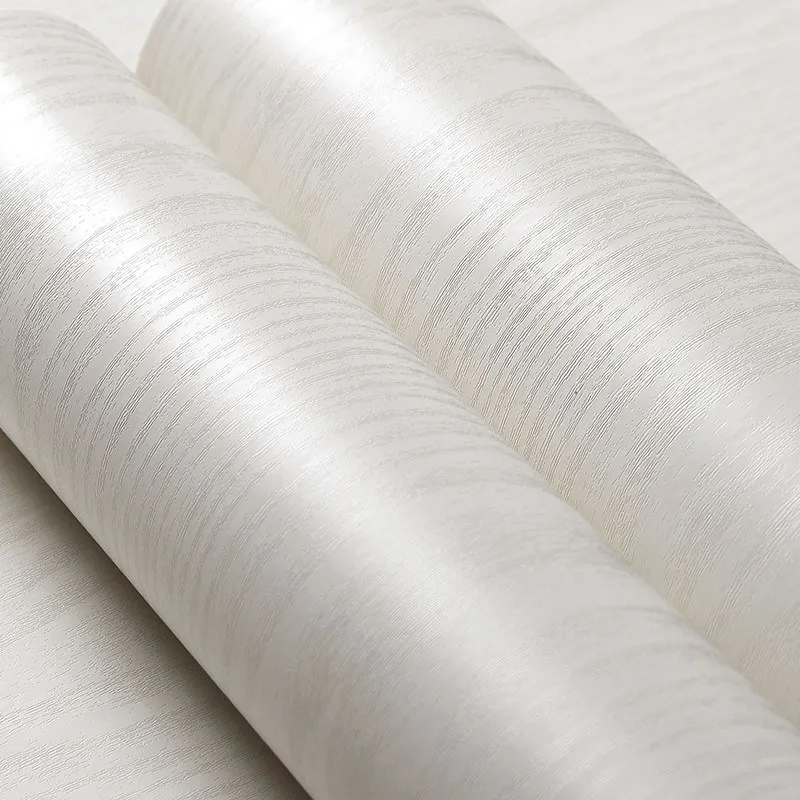
Metallized PVC film combines the flexibility of PVC with a reflective, metallic layer that upgrades appearance and adds functional performance such as improved barrier behavior and surface protection. It is widely used in furniture décor, architectural surfaces, consumer goods, advertising panels, and selected packaging or industrial laminations—especially where a premium metallic look is needed without using real metal sheets.
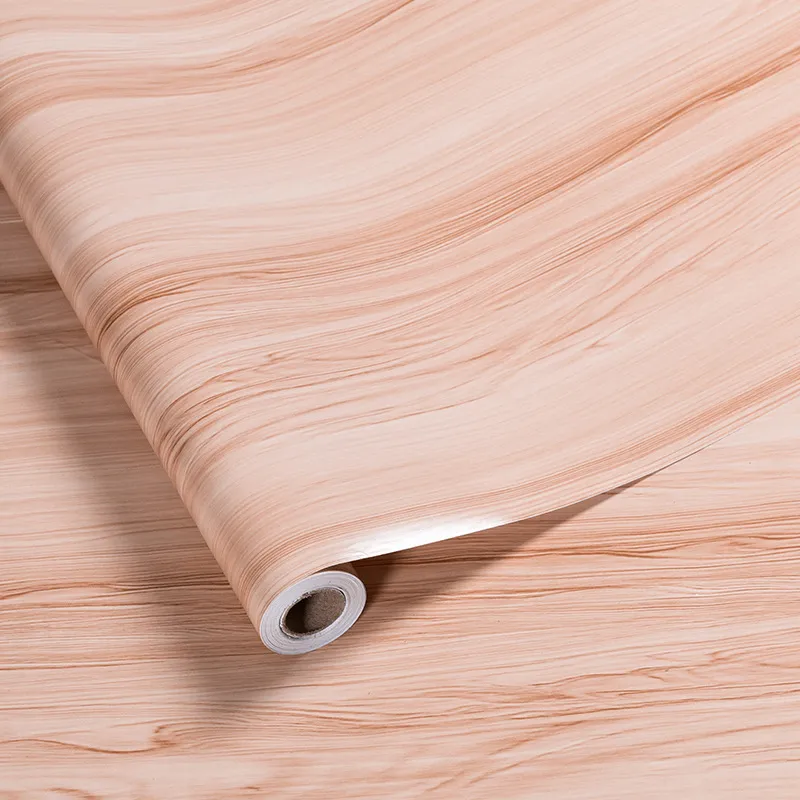
This guide explains how metallized PVC film works, its key benefits, common uses, and a practical checklist for choosing the right type for your project—whether you need high gloss, a brushed-metal look, embossing, self-adhesive backing, or compliance-ready materials for indoor environments.
Metallized PVC film is a PVC-based sheet that receives a thin metallic coating (often aluminum) through vacuum metallization or similar processes. The result is a surface that reflects light like metal while keeping PVC’s processing advantages: stable calendering, printability, thermoform compatibility, and cost-effective large-scale production.
Key idea:
the “metal” effect is created by an ultra-thin layer, so you get a premium metallic appearance with light weight and flexible converting options.
Production typically starts with a stable PVC base film (often calendered for uniform thickness). The surface is then treated to improve adhesion, metallized in a controlled vacuum environment, and optionally top-coated to protect the metallic layer and tune the gloss, scratch resistance, or chemical resistance.
For projects that need consistent thickness and predictable converting behavior, many buyers start with a calendered substrate. You can explore typical base-film options here:
Calendered Film.
★ Visual upgrade: premium metallic shine, brushed effects, or satin metal looks for modern interiors and branded displays.
Metallized PVC film is a versatile decorative and functional layer. Below are the most common application categories, with selection notes to avoid performance mismatches.
Metallic surfaces are popular for modern furniture lines, retail fixtures, and office interiors. Metallized PVC film is frequently laminated onto MDF, plywood, or composite boards, offering a clean, upscale finish that’s easier to maintain than raw metal.
Selection tip:
For cabinet fronts and wardrobes, prioritize scratch resistance, fingerprint control, and adhesion stability on flat lamination lines.
For trims, skirting, and profile wrapping, metallized PVC film can deliver consistent metallic tones with better flexibility during wrapping and post-forming. If you’re targeting baseboard and edge-profile applications, product families like
PVC Skirting Film
are often used as a reference point when discussing thickness, emboss depth, and wrapping speed.
In appliances and consumer electronics, metallic looks suggest “premium” while PVC keeps parts lightweight. Typical needs include stable color under lighting, cleanability, and optional anti-static treatments for assembly environments. Always confirm compatibility with heat and cleaning chemicals used in production and after-sales service.
Metallized film can elevate point-of-sale panels, display borders, and decorative sheets with strong light reflection. When used under spotlights, gloss levels and texture consistency become critical—small surface variations may appear amplified.
In kitchens, buyers often care less about maximum mirror gloss and more about easy cleaning, stain resistance, and stable adhesion. For backsplash-like concepts or protective layers near cooking zones, it helps to compare with purpose-built options such as
Kitchen Anti-oil Film
when discussing chemical resistance targets.
“Metallized” describes the look and layer, but your real performance comes from the full structure: PVC base, metallized coating, topcoat, texture, and (sometimes) adhesive. Common spec directions include:
Embossing adds depth and can reduce visible handling marks. If you want a more tactile, premium feel, consider textured families such as
3D Silk Texture Film
as a benchmark for texture expectations—even when your final selection is metallized.
Choosing the right type is less about “the shiniest film” and more about matching film structure to your process and the end-use environment. Use the checklist below to avoid the most common sourcing mistakes.
Provide your supplier with converting details. The same metallized look can behave very differently on different lines.
If the film is used indoors or in frequent-contact surfaces, confirm material compliance such as REACH, RoHS, and other required standards. Many buyers also request documentation showing the product is free of heavy metals and certain plasticizers.
Metallized surfaces can look perfect in a sample and still fail in production if key parameters are not validated. Before you approve a bulk order, confirm performance through your real process conditions (adhesive, temperature, pressure, speed).
Reminder:
Always evaluate a pilot roll on your actual line. Metallized layers can react differently to heat, pressure, and adhesive chemistry than standard printed PVC décor films.
To receive accurate recommendations and avoid repeated sampling cycles, share technical and visual requirements up front. A capable OEM/ODM partner can customize thickness, width, color tone, texture, printing, and packaging while keeping consistency across batches.
If you’re evaluating additional decorative finishes alongside metallized options (for example, stone or marble looks for mixed-material interior design), comparing with products like
Marble Film
can help you align thickness, gloss, and emboss style across an entire product line.
It contains a very thin metallic coating on a PVC base. You get a metallic appearance and reflectivity, but the film remains lightweight and flexible like PVC.
Brushed or lightly embossed metallic finishes usually hide fingerprints better than mirror gloss. For high-touch panels, request a protective topcoat and define cleaning chemical resistance requirements.
Yes, but you must choose a wrapping-grade structure with suitable flexibility and elongation. Share your profile geometry, wrapping speed, and adhesive system so the supplier can recommend the correct grade.
Run a pilot roll on your real line and check adhesion after aging, surface scuffing during handling, gloss consistency under strong light, and stability after heat exposure.
</p