Address
304 North Cardinal St.
Dorchester Center, MA 02124
Work Hours
Monday to Friday: 7AM - 7PM
Weekend: 10AM - 5PM
Address
304 North Cardinal St.
Dorchester Center, MA 02124
Work Hours
Monday to Friday: 7AM - 7PM
Weekend: 10AM - 5PM


Correctly identifying the HS Code for PVC film is one of the fastest ways to reduce customs delays, avoid unexpected duties, and keep your supply chain predictable. Because “PVC film” can mean calendered, printed, embossed, self-adhesive, or laminated structures used in furniture, building decoration, electronics, advertising, medical packaging, and home products, the right classification depends on material composition, structure, and intended use.

✔ What this guide covers:
HS (Harmonized System) classification is based on what the goods are, not only what you call them. For PVC film, customs typically looks at:
⚠ Important:
HS codes are harmonized mainly at the first 6 digits. The last digits vary by country/region. Always confirm the final code with the importing country’s tariff schedule or a licensed broker.
In most cases, PVC films fall under Chapter 39 (Plastics and articles thereof). The most common “starting point” is whether your product is a non-cellular PVC film/sheet and whether it is self-adhesive, reinforced, or laminated.
Many calendered decorative films, transparent films, and embossed films are classified as PVC plates/sheets/film/strip (non-cellular and not reinforced/combined with other materials). If your product is a standard calendered PVC film used for wrapping panels, doors, furniture boards, or general decoration, this is the most frequent classification path.
Example products:
Calendered Film,
wood grain, marble, glossy, matte, soft-touch, transparent PVC films (non-adhesive).
Customs may ask: thickness range, plasticizer presence, whether it’s laminated with PET/foil/paper, and whether it has adhesive.
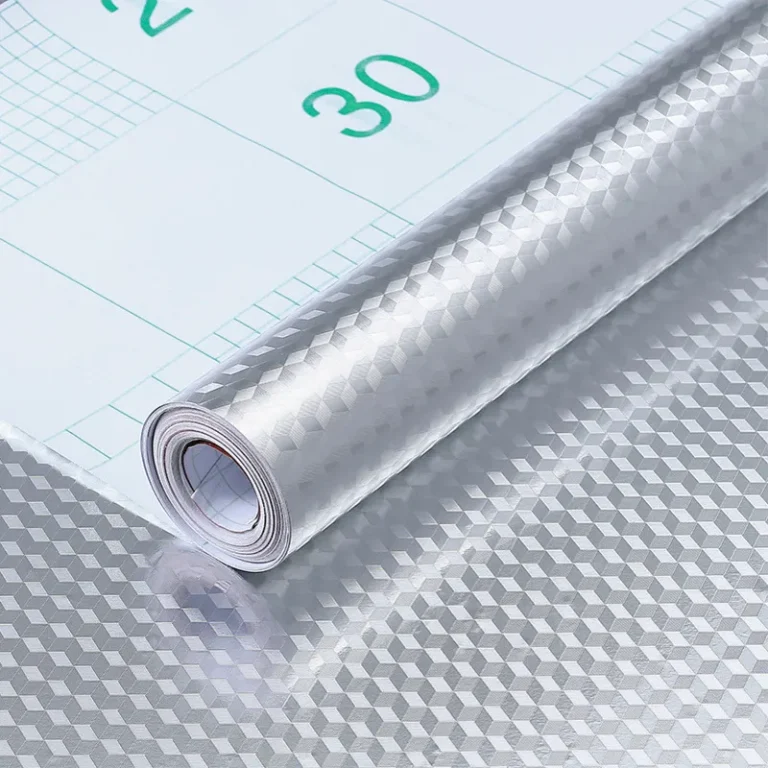
If the film has a pressure-sensitive adhesive layer (even with a release liner), many tariff schedules classify it under the heading for self-adhesive plates/sheets/film/tape. This often applies to decorative stickers, signage films, and some household renovation products.
If you import products like floor stickers or similar peel-and-stick PVC items, you should expect customs to treat the adhesive layer as a key classification driver—sometimes more important than the print/embossing.
When PVC film is combined with other materials (e.g., fabric backing, aluminum foil, paper, or a thick composite structure), classification can change. Customs will examine which layer gives the product its essential character.
Tip for composite products:
Provide a clear layer description (materials + thickness per layer). If there is foil, include foil thickness and whether it is functional (barrier/heat reflection) or decorative.
Some PVC decorative products marketed as “wallpaper” may be treated differently depending on the importing country’s interpretation, backing material, and the definition of wall coverings. Always match the product’s structure to the legal notes in the tariff schedule.
For example, a product promoted as a solid-color wall decoration may be sold as a wall covering, but if it is simply PVC sheet/film in rolls without the defining features of wall coverings (by local rules), it might still fall under plastics sheet headings. Documentation clarity is what prevents reclassification.
Most classification disputes are not “mysterious”—they happen because the shipment description is too generic. Use the checklist below to make your declaration defensible and easy for customs to verify.
Use a structured description on your invoice and packing list, such as:
“PVC calendered film, non-cellular, non-adhesive, printed/embossed (specify), thickness ___ μm, width ___ mm, rolls, for decorative lamination.”
Duty rates depend on the destination country, the final HS code, and any applicable trade agreements. While this article cannot provide a single duty number that fits every jurisdiction, you can reliably estimate landed cost by building a simple model using your broker’s tariff rate and local tax rules.
Two PVC products with identical thickness and appearance may face different rates if one is self-adhesive and the other is not, or if one is laminated with another material. Classification also impacts:
A complete and consistent document pack helps customs confirm classification and value quickly. Below is a practical checklist used in many cross-border shipments of PVC films.
If you are sourcing decorative films for furniture, doors, flooring, or interior applications, you may also be asked for documentation showing the product is suitable for indoor use and compliant with buyer-market restrictions. Many buyers prefer suppliers using eco-friendly, non-toxic inks and providing third-party verification when needed.
PVC film is visually diverse (transparent, pearl, embossed, printed, metallized, soft-touch), so customs may select shipments for inspection when the description does not match the goods, or when the structure is unclear. Common triggers include:
✔ Fast clearance tip:
Put the same product name + structure on the invoice, packing list, and labels. Inconsistency is a top reason for customs to request clarification.
Below are practical examples showing why two decorative films may not share the same HS code at the national level. Use these as internal references when preparing declarations and documents.
Often used for cabinets, wall panels, and furniture surfaces. If it is non-adhesive and non-reinforced, it typically falls into the PVC sheet/film heading. For a product reference, see
Wood Grain Film.
Embossing and texture alone usually do not change the heading, but the product description should clearly state “embossed/texture” to match the physical appearance during inspection. A typical example is
3D Silk Texture Film.
Films used in flooring systems may be thicker, multi-layered, or designed for abrasion resistance. If the product is still a PVC film in rolls, classification commonly remains within plastics film headings, but the structure (multilayer/reinforced) must be declared accurately. For reference products, see
Floor Film.
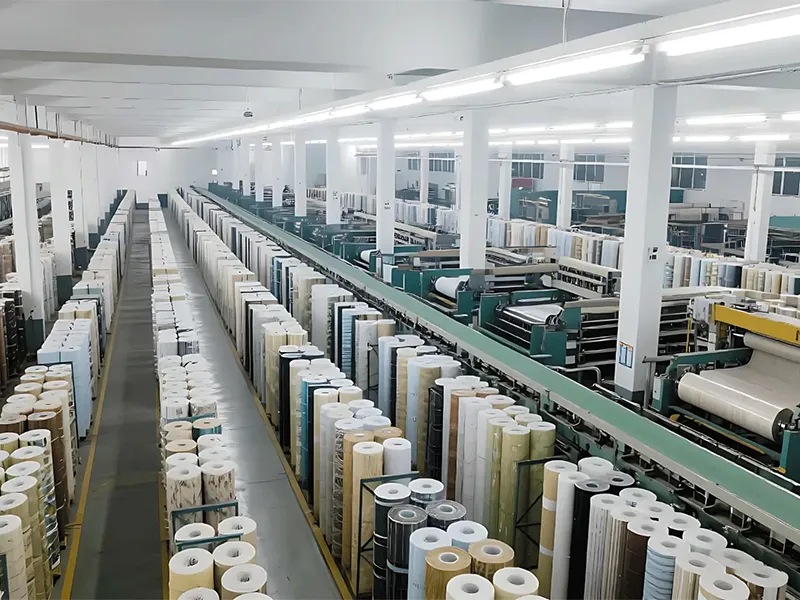
The easiest way to reduce HS code risk is to work with a supplier that can provide consistent technical documentation and stable, traceable production. A full-process manufacturer can typically supply clearer specs for calendering, printing, and slitting/packing stages—making customs declarations easier to defend.
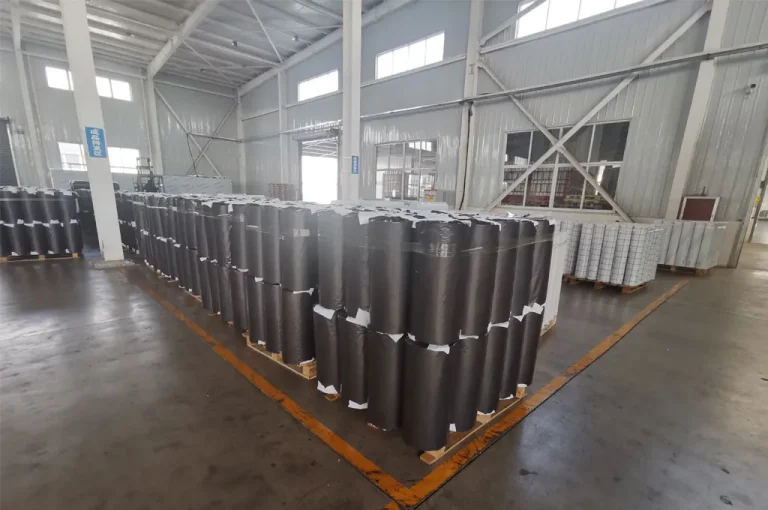
When rolls are individually wrapped (e.g., PE dust film or kraft paper) and labeled with specifications, it becomes easier for warehouse teams and customs inspectors to confirm that the declared item matches the physical shipment—especially when multiple patterns or finishes are shipped in one container.
Most PVC films are classified in Chapter 39. The exact heading depends mainly on whether the film is self-adhesive, reinforced, cellular, or combined with other materials.
Often no at the heading level, but it must be declared accurately. The bigger classification changes usually come from adhesive backing, lamination, or reinforcement.
A consistent invoice + packing list with full specs, plus a product data sheet and SDS when applicable. Composite films benefit from layer-structure documentation.
Declare the product with material + structure + adhesive status + thickness, keep labels consistent with documents, and confirm the last digits of the code with a broker in the destination country.
Usually not. Add whether it is non-cellular, non-adhesive or self-adhesive, thickness/width, and whether it is laminated or reinforced to reduce inspection and reclassification risk.