Address
304 North Cardinal St.
Dorchester Center, MA 02124
Work Hours
Monday to Friday: 7AM - 7PM
Weekend: 10AM - 5PM
Address
304 North Cardinal St.
Dorchester Center, MA 02124
Work Hours
Monday to Friday: 7AM - 7PM
Weekend: 10AM - 5PM


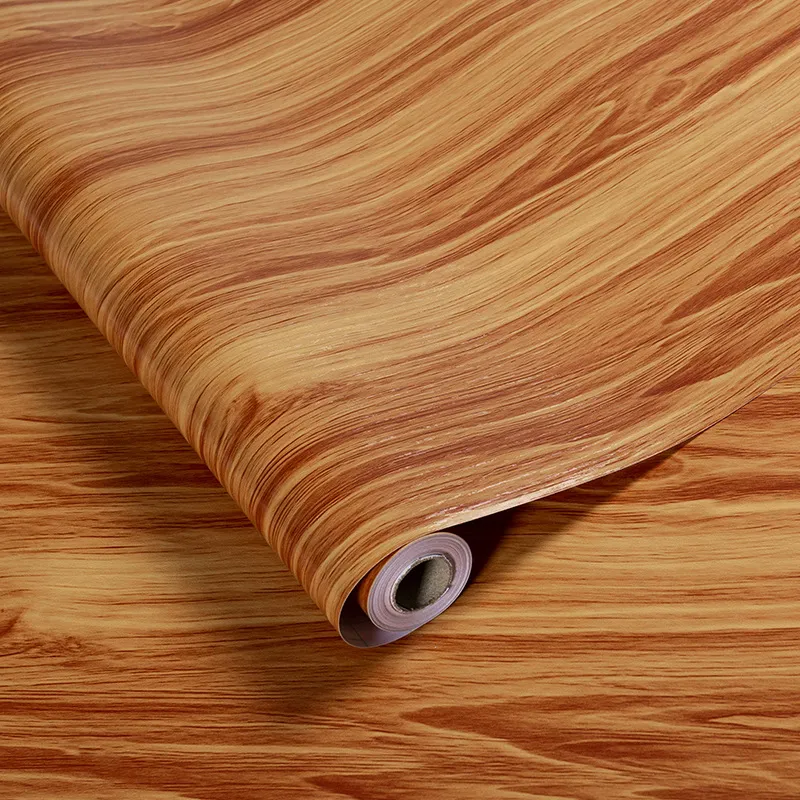
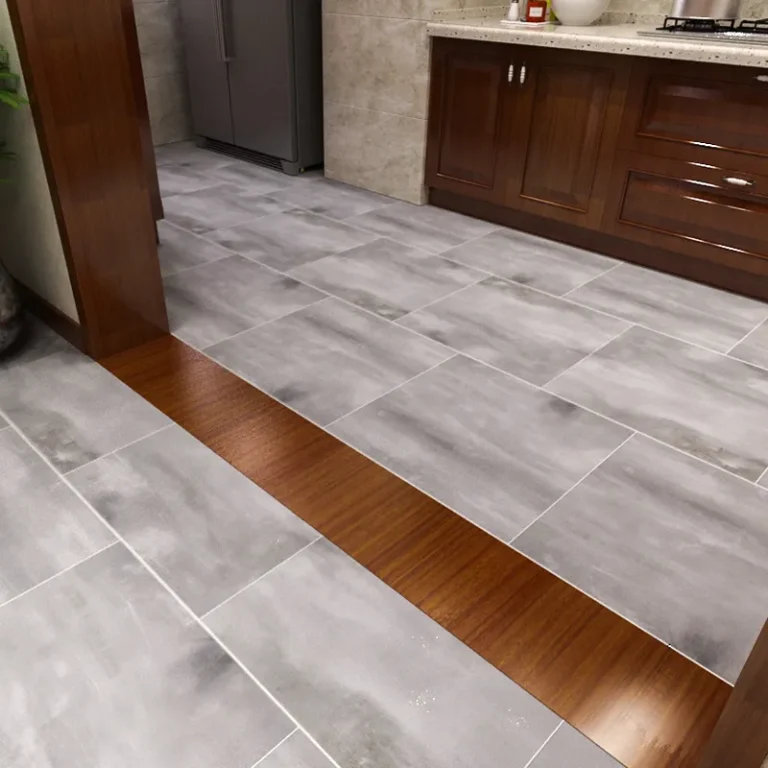
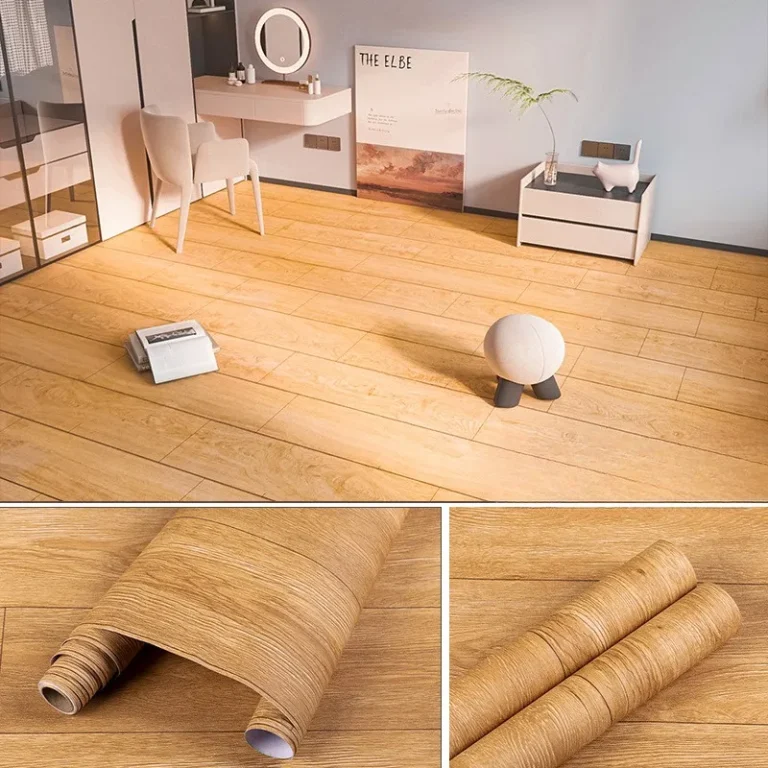
PVC film is traded globally for furniture surfacing, interior decoration, insulation, packaging, and many other industrial uses. Yet many importers and exporters face the same challenge: choosing the correct HS Code for PVC film. A small mismatch in material type, form, thickness, backing, or surface treatment can lead to wrong duty rates, customs delays, document amendments, and compliance risk.
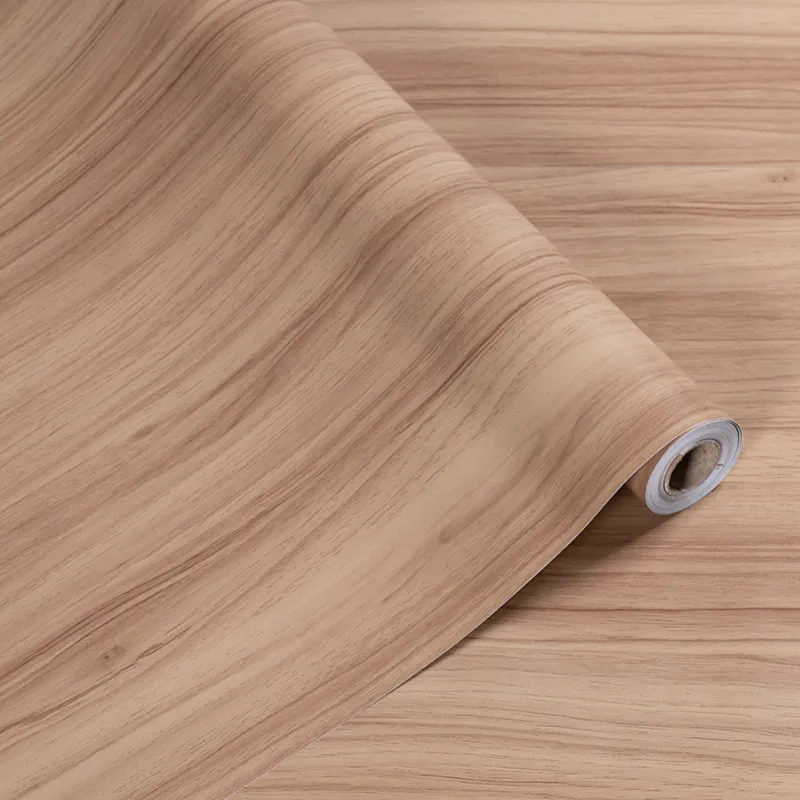
This guide explains how customs typically classify PVC film, how to identify the most common HS headings for PVC sheets/films, what information you should prepare before shipment, and how tariff treatment can change depending on product structure (calendered vs. other), self-adhesive layers, textile backing, printing/embossing, and end-use declarations.
◆
Quick reminder: HS codes can be aligned at 6 digits internationally, but tariff lines beyond 6 digits vary by country. Always confirm the final code with your broker or local customs rules before filing.
In daily trade language, “PVC film” may refer to many products: transparent calendered film, decorative wood grain film for furniture, soft-touch films, self-adhesive vinyl, anti-static protective film, or laminated films with fabric. In customs classification, however, the legal meaning depends on how the item is presented and constructed.
Customs typically looks at:
Most PVC films used in decoration and industrial applications fall under Chapter 39 (Plastics and articles thereof). Within that chapter, the most common headings for PVC films are:
This heading is widely used for non-cellular PVC film presented as film/sheet/strip, typically in rolls, and not reinforced, laminated, supported, or combined with other materials.
Typical examples include transparent or colored calendered PVC films, protective films without adhesive, and decorative films that remain “single-material” PVC and do not have a textile/paper backing.
If the PVC film is cellular, or reinforced/laminated/supported (for example, with a textile scrim, paper liner that is part of the product structure, or multi-layer composite where classification shifts), the product may move to HS 3921.
This is a frequent area of misclassification. The key is whether the “support” is merely packaging/protection, or an integral structural layer.
If the PVC film is self-adhesive (pressure-sensitive adhesive, solvent adhesive, acrylic adhesive, etc.), customs often classifies it under HS 3919, regardless of whether it is in rolls or sheets, and regardless of printing/embossing.
Common examples: self-adhesive decorative vinyl, labeling film (non-paper), and stick-on renovation films.
●
Practical tip: When you see “decorative PVC film,” do not assume one code fits all. Adhesive presence and backing/support layers are usually the two biggest HS drivers.
Prepare a clear material statement: PVC resin base, plasticizers (if flexible), stabilizers, pigments, and any specialty coatings (anti-fog, anti-static, scratch resistant). This helps customs understand whether the product is simply a plastic film or a more complex composite.
“Multi-layer” does not automatically change heading, but “supported/laminated/reinforced” might. If you have a film that is PVC + textile, PVC + foam layer (cellular), or PVC combined with non-plastic material in a way that changes the essential character, classification can shift.
If your roll has an adhesive layer intended for sticking to substrates (cabinet panels, walls, skirting, glass), you should treat HS 3919 as a leading candidate. Provide evidence such as product datasheets stating adhesive type and release liner presence.
Printed wood grain, marble, or 3D embossed textures typically remain within the same plastics headings, but you must disclose these processes on documents. Some countries have specific statistical subheadings depending on printing/embossing.
After selecting the most likely 6-digit HS, work with a customs broker to select the correct national subheading. Tariff rates, anti-dumping measures, and licensing requirements often apply at the national subheading level.
Below are common PVC film categories seen in decoration and industrial supply chains and what customs usually focuses on. These are not legal determinations, but a field checklist to reduce errors.
| Product type | Key classification driver | Common heading candidates |
|---|---|---|
| Calendered PVC film (clear/colored) | Non-cellular; not supported; in rolls | 3920 (often) |
| Decorative wood grain / marble / embossed PVC film (non-adhesive) | Printing/embossing disclosure; confirm no support layer | 3920 or 3921 (depends on structure) |
| Self-adhesive renovation film | Adhesive layer + release liner | 3919 (often) |
| PVC film with textile/paper backing (structural) | Reinforced/supported/laminated | 3921 (often) |
There is no single universal tariff rate for PVC film. The payable duty is determined by the importing country’s tariff schedule and the final national subheading. However, duty differences commonly come from:
To estimate landed cost accurately, align the HS code, customs value method, origin documentation, and the correct incoterms. If your film is used for interior decoration (e.g., furniture, walls, skirting), ensure the invoice clearly states material (PVC), form (film/sheet in rolls), thickness/width, and whether adhesive/backing is present.
Even with the correct HS code, customs clearance can slow down if documents do not match the physical goods. A practical compliance set for PVC film shipments usually includes:
✔
Best practice for smooth clearance: keep the product name consistent across invoice, packing list, and labels (e.g., “PVC decorative film, non-self-adhesive, non-cellular, in rolls”).
Use a description that is accurate and verifiable. Here are examples you can adapt:
PVC film (polyvinyl chloride), non-cellular, not reinforced/laminated/supported, thickness ___ mm, width ___ mm, in rolls, surface: (glossy/matte/embossed/printed).
Self-adhesive PVC decorative film with release liner, thickness ___ mm, width ___ mm, in rolls, adhesive type: ___, printed/embossed pattern: ___.
PVC sheet/film, (cellular/non-cellular), supported/laminated with (textile/paper/other) backing, thickness ___ mm, width ___ mm, in rolls, intended use: decorative surfacing.
When discussing HS classification with suppliers, it helps to reference the exact product family and construction. For example, a standard Calendered Film is often documented as non-cellular PVC film in rolls (commonly aligned with heading 3920 at the 6-digit level, subject to local subheading rules).
Decorative surfacing can include texture and printing, such as 3D Silk Texture Film, or classic patterns like Wood Grain Film. These often remain within plastics film headings, but your final code depends on whether the film is supported, laminated, or self-adhesive.
For building finishes, items such as PVC skirting film may be treated differently depending on whether it is an accessory part, a self-adhesive strip, or a film for further processing. Clear labeling of form (film vs. finished trim) is essential for consistent customs treatment.
Flooring-related products like Floor Film can also raise classification questions if the product becomes a floor covering rather than a film material. Avoid ambiguity by describing whether it is a raw film layer for lamination, or a finished flooring surface.
Pulivk Film focuses on R&D and manufacturing of PVC films, including calendered film, decorative film, flooring film, soft-touch film, transparent film, anti-static film, self-adhesive options, and custom composites. With complete calendering, printing, and slitting/packing production lines, we can provide consistent technical parameters that customs and brokers rely on.
!
Avoid these frequent issues:
No. Many non-cellular, non-supported PVC films are often classified under headings aligned with 3920 at the 6-digit level, but self-adhesive films commonly fall under 3919, and supported/laminated structures may fall under 3921, depending on the exact construction and local subheading rules.
Often it does not change the main heading for plastic film, but it can affect the national subheading or statistical reporting. Always declare “printed” or “embossed” on the invoice and datasheet.
Provide: PVC composition, cellular vs. non-cellular, thickness, roll width/length, whether it is self-adhesive, whether it is supported/laminated, and surface